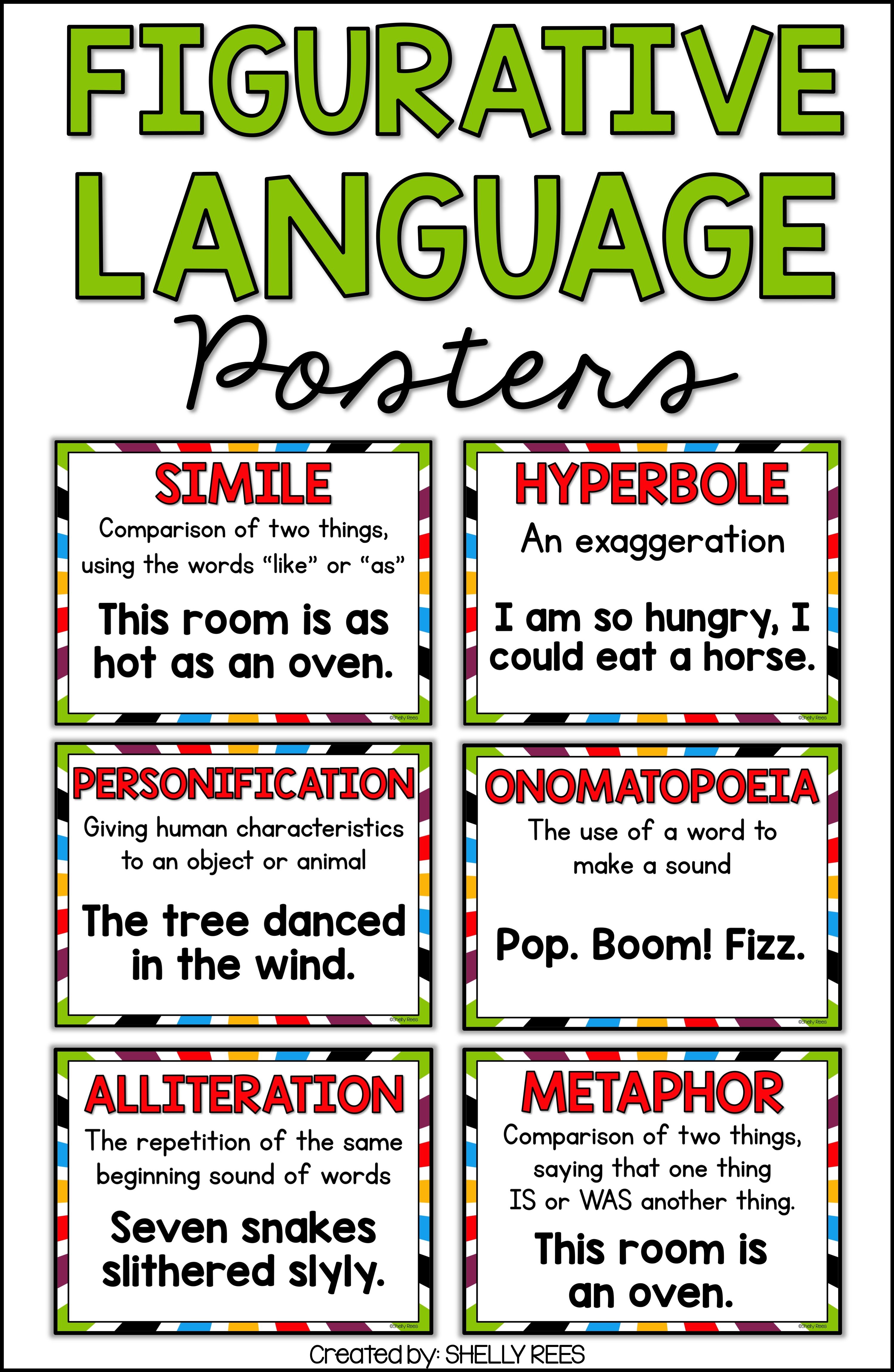
I've always found it fascinating how words can mimic sounds. Take, for instance, the sample sentence of onomatopoeia; it's like a fun puzzle, trying to find the right words to describe a sound. It's not always easy, but it's a unique challenge. I mean, who doesn't love a good onomatopoeia example sentence, right? It adds a bit of spice to our language and makes writing more fun.
Fun activity to teach language nuances.

The Art of Sound-Mimicking Words
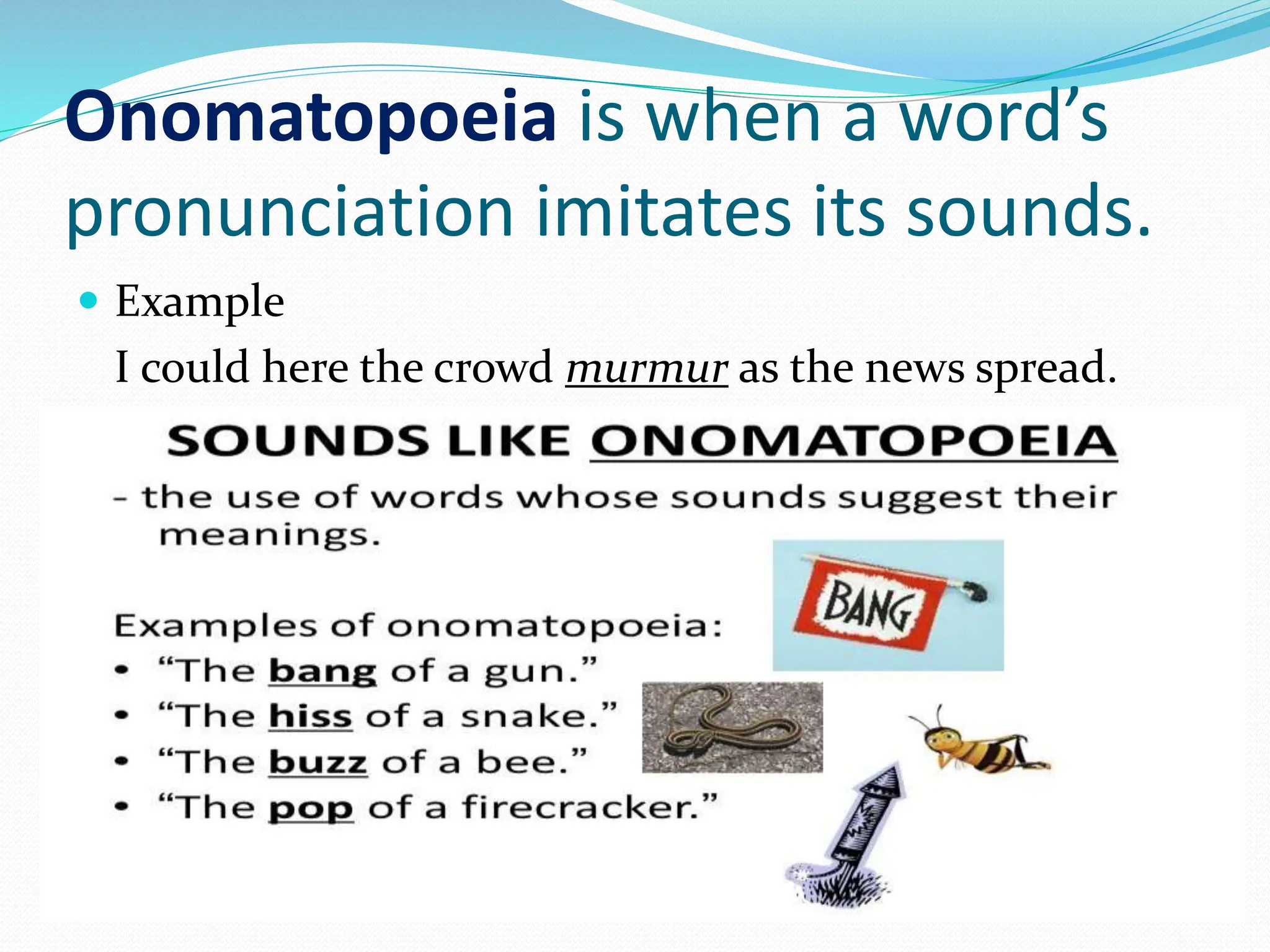
Onomatopoeia is a linguistic phenomenon that brings words to life, allowing us to hear and visualize sounds through language. It's an incredibly creative way to describe actions and sensations, adding depth and vibrancy to our written and spoken expressions.
Creative Expression and Engagement
Beyond its practical use, onomatopoeia is a powerful tool for creative writing and engagement. It can transform ordinary sentences into vivid, sensory experiences, capturing the reader's attention and imagination. For instance, consider the difference between saying, "The car drove away" and "The car vroomed away, its engine roaring." The latter paints a more dynamic picture, evoking the sound and movement of the vehicle.

A visual guide to onomatopoeia.
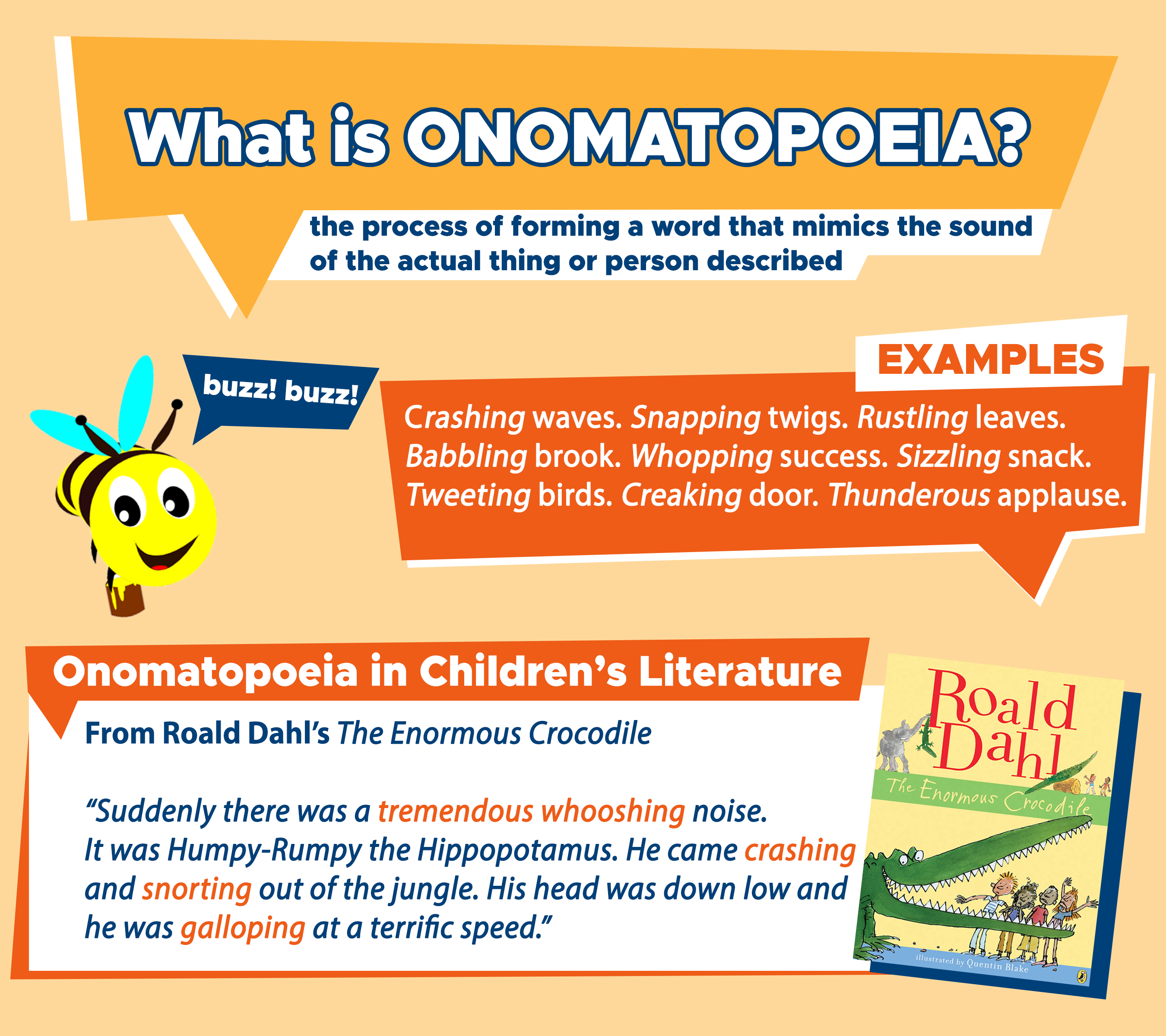
Discover 101 onomatopoeic words.
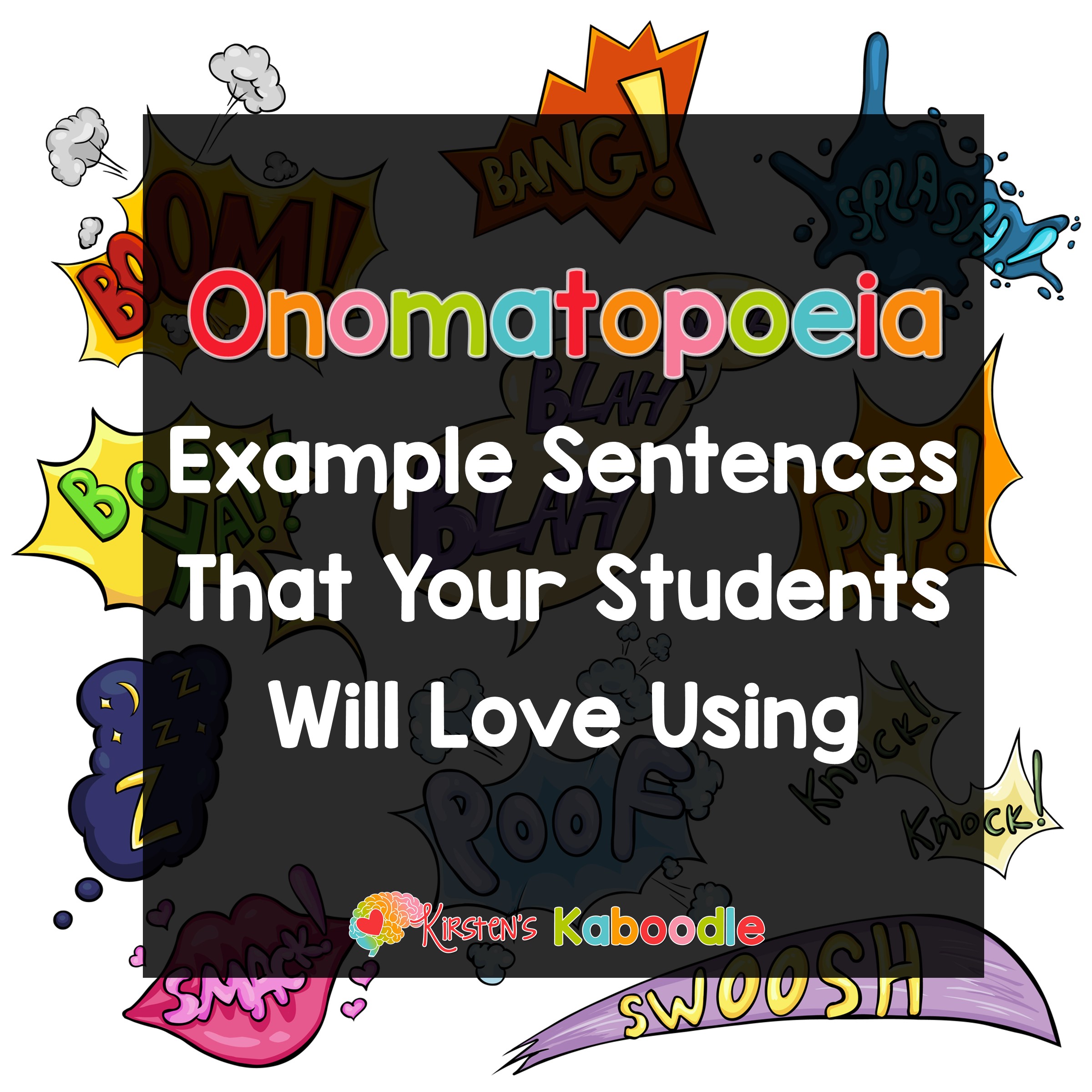
Onomatopoeia in Frances Festa's blog.
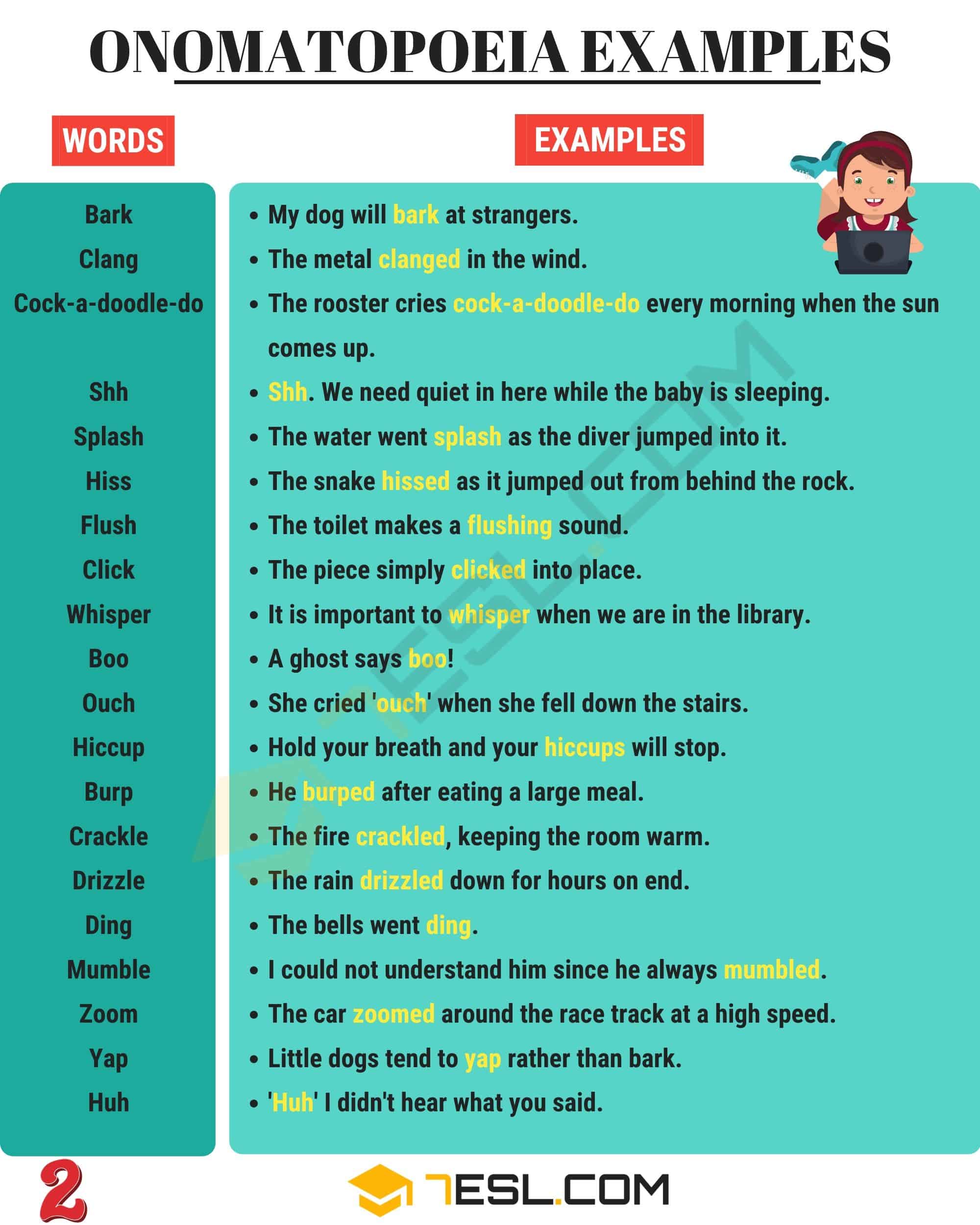
Examples of onomatopoeia in sentences.

A list of words describing sounds.

More words to describe sounds.
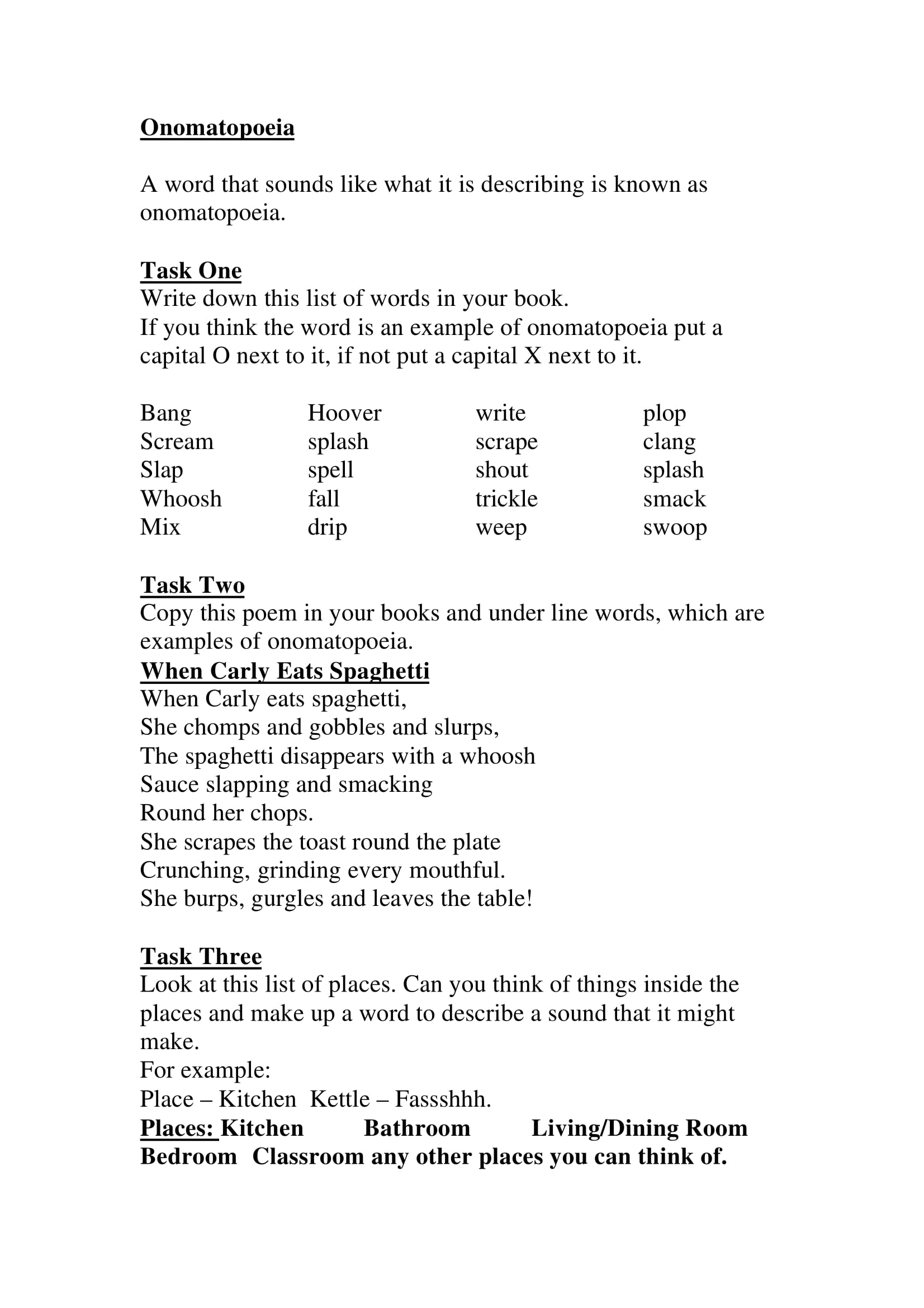
Onomatopoeia examples for inspiration.
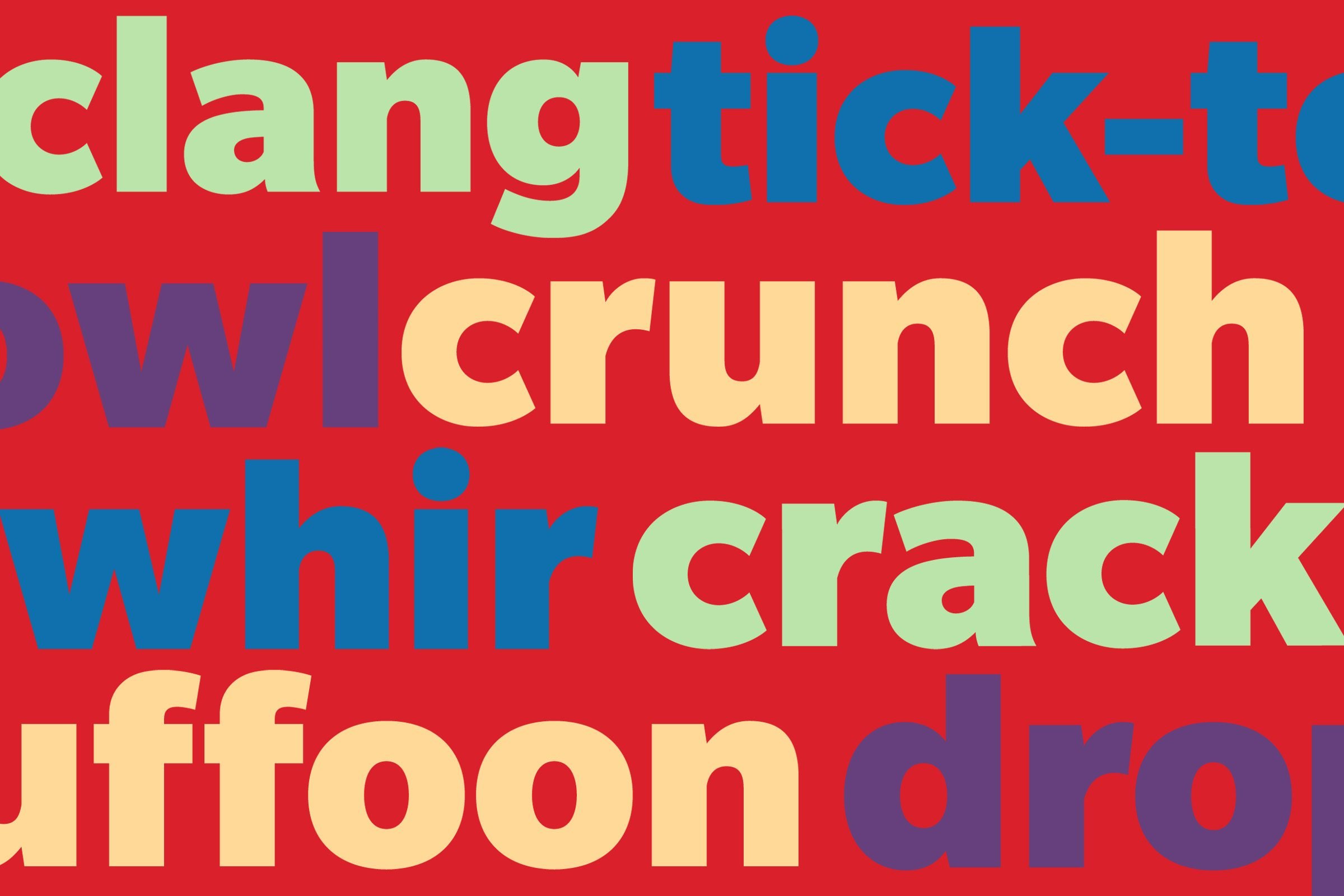
50 unique onomatopoeic words.
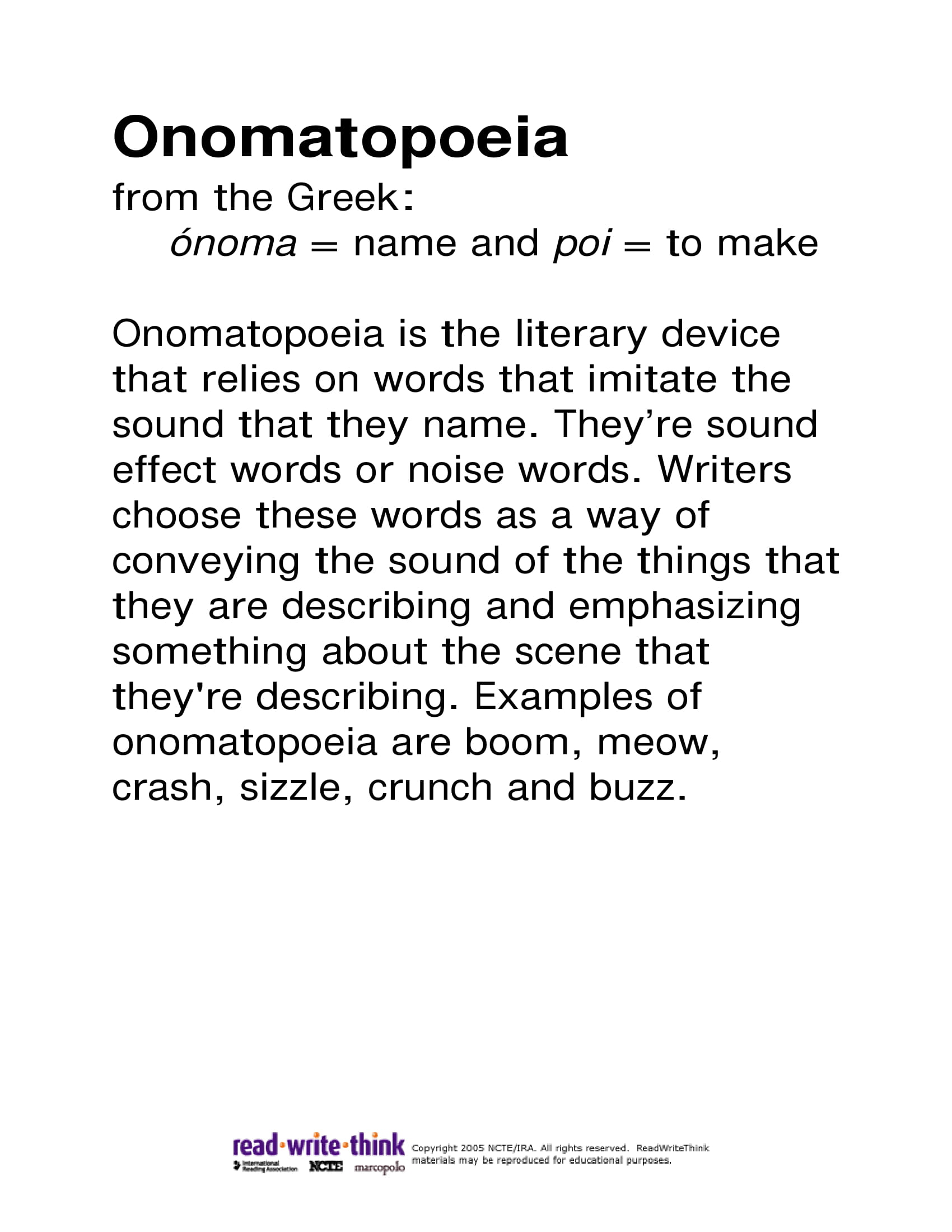
Onomatopoeia examples for writers.
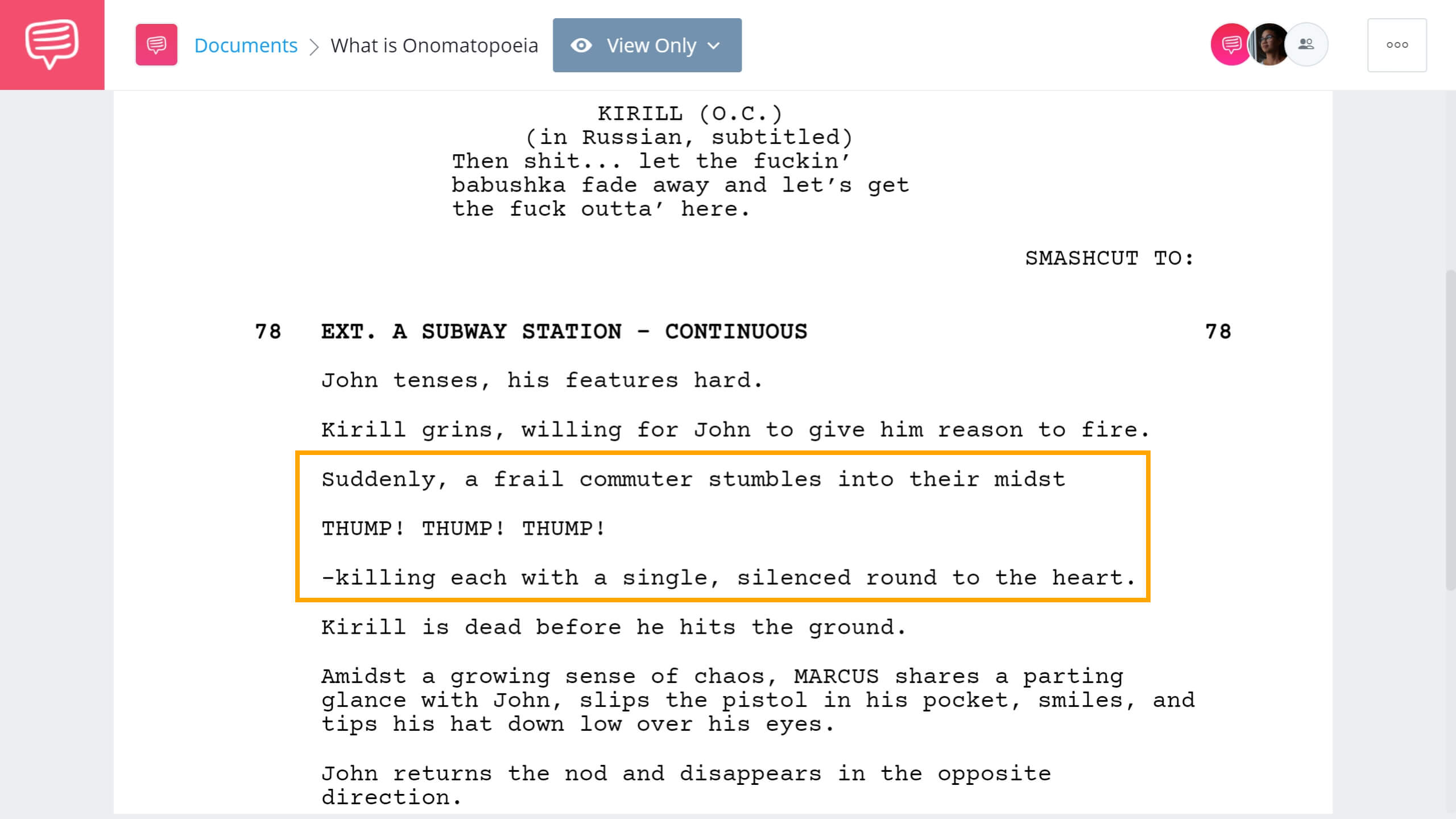
Onomatopoeia defined with examples.
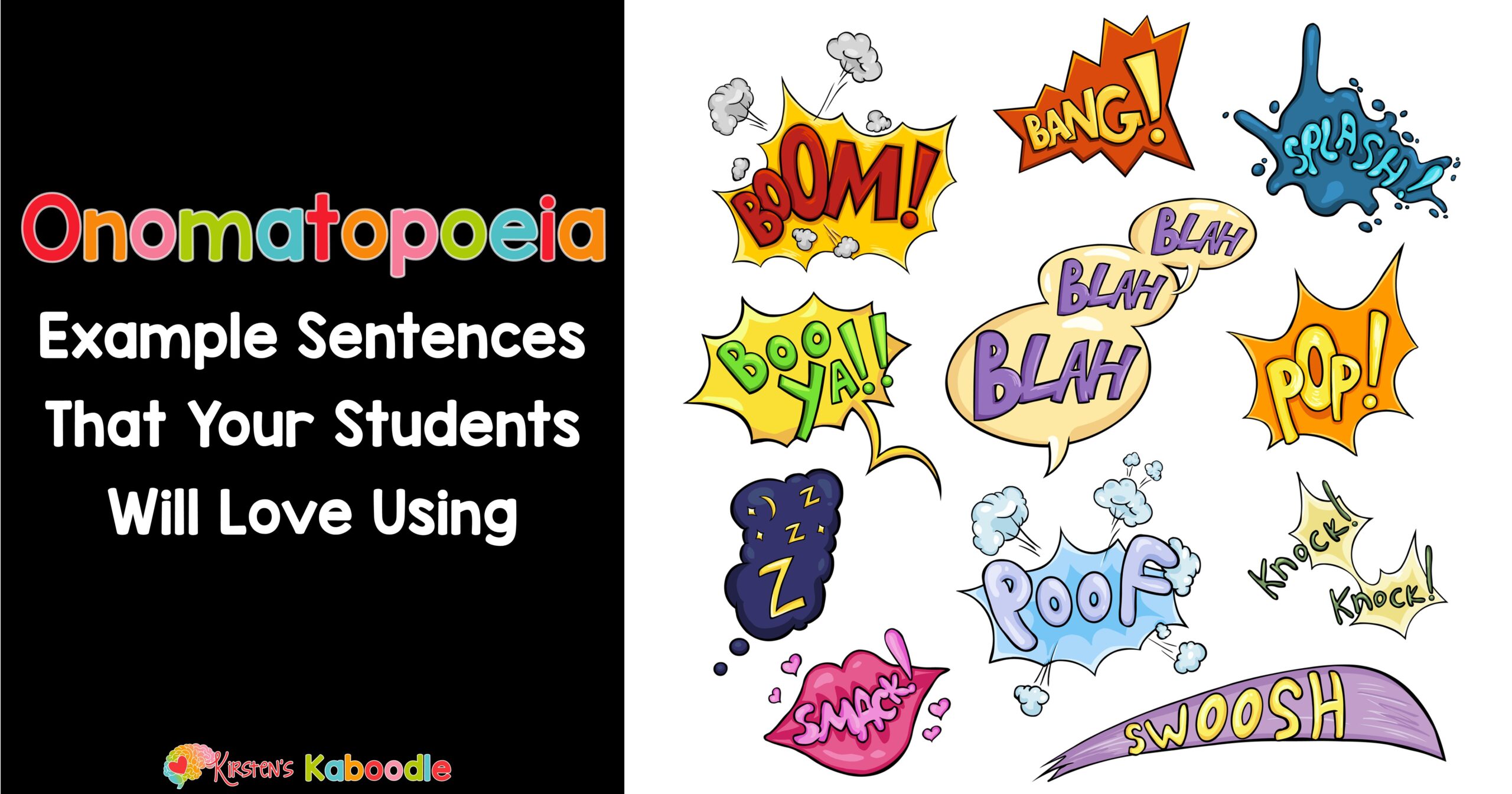
Onomatopoeia sentences to explore.
Why Use Onomatopoeia?
Onomatopoeia serves multiple purposes. Firstly, it adds a layer of realism and immersion to narratives, making stories more engaging and memorable. Secondly, it can be used to emphasize certain actions or events, drawing the reader's focus to key moments. Additionally, onomatopoeia is a fun way to introduce new vocabulary and encourage creativity in language use, especially for younger learners.
How to Implement Onomatopoeia Effectively
When incorporating onomatopoeia into your writing, it's important to choose words that accurately represent the sound you're trying to convey. For example, meow and purr capture the soft, gentle sounds of a cat, while hiss and growl convey more aggressive or threatening noises. Similarly, crash, boom, and bang are perfect for depicting loud, explosive sounds, while whisper, mumble, and sigh suggest softer, more subtle noises.
Enhancing Your Writing with Onomatopoeia
By incorporating onomatopoeia into your writing, you can create a more dynamic and immersive experience for your readers. It adds a layer of sensory detail that brings your words to life, making your writing more engaging and memorable. For instance, imagine a sentence like, "The rain pattered on the roof, a gentle tap-tap-tapping that lulled her to sleep." The use of onomatopoeia here not only describes the sound of the rain but also creates a peaceful atmosphere, enhancing the overall mood of the scene.
Additionally, onomatopoeia can be a fun way to introduce new vocabulary and encourage creativity, especially in educational settings. For example, Grade 4 Math Worksheets to Help You Practice could include word problems that incorporate onomatopoeic words, making learning more enjoyable and interactive.
In conclusion, the sample sentence of onomatopoeia is a powerful tool that adds a unique dimension to our language, making it more expressive and engaging. So, embrace the challenge and have fun with it!
So, there you have it, a fun exploration of onomatopoeia and its creative potential! It's amazing how these sound-mimicking words can really bring a story or description to life. Why not give it a go and see how you can incorporate onomatopoeia into your writing? It's a great way to add a unique twist and engage your readers. I'd love to hear about your creative experiments, so feel free to share your onomatopoeic adventures in the comments!
Sound devices in literature and film.
Read also: Composite Shapes Area of a Worksheet