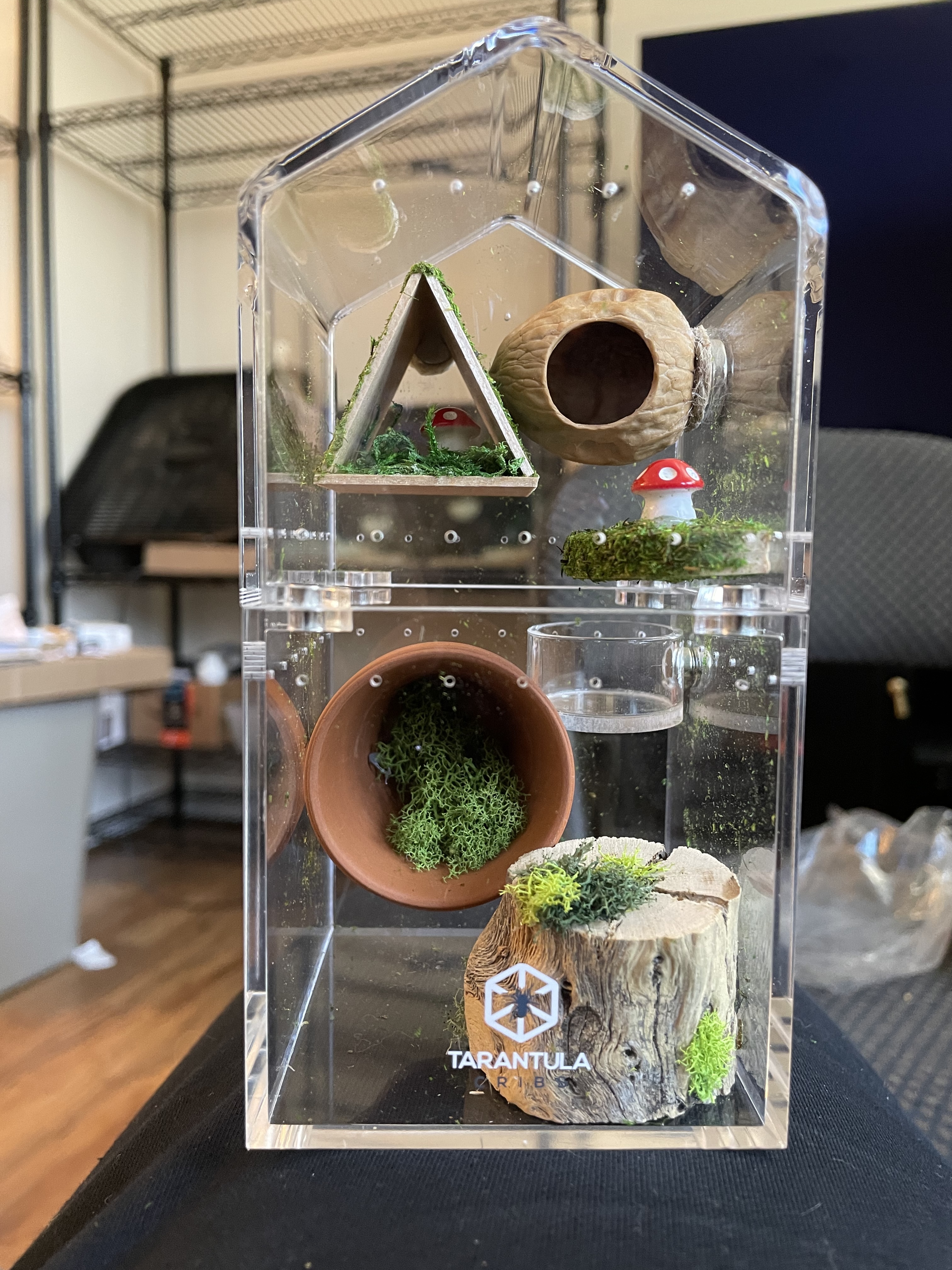
So, I've been thinking about getting a pet spider, specifically a jumping spider, and the more I look into it, the more I realize it's not as simple as just buying a tank. There's an art to creating the perfect jumping spider enclosure ideas; you've got to consider their needs and preferences, and it's a whole lot more complex than I initially thought. I mean, who knew there were so many options and supplies to consider? From custom enclosures to finding the best jumping spider enclosure near me, it's a whole new world!
Ideal enclosure for a jumping spider?

Crafting a Cozy Corner for Your Jumping Spider
Creating a suitable habitat for your new pet spider is an exciting challenge! It's all about providing a space that meets their unique needs and lets them thrive. You want to ensure they have a comfortable and stimulating environment, and that means considering every detail.
Designing a Webbed Wonderland
When it comes to jumping spider enclosure ideas, one key aspect is encouraging natural behaviors. Jumping spiders are known for their agility and love of exploration, so you want to create a space that allows them to jump, climb, and hunt. This might involve incorporating branches, vines, or even a small waterfall feature to simulate their natural habitat.

Bioactive enclosures: a natural habitat.

What size enclosure suits jumping spiders?
Axolotl tank: not for jumping spiders.
DIY spider enclosure: an affordable option.

Can two jumping spiders share an enclosure?

First-time setup: a new spider home.

Spider size: crucial for enclosure choice.

Jumping spider setup: a step-by-step guide.

Enclosure ideas: inspiration for your spider.

Spider size matters for a comfortable home.

First-time enclosure: a welcoming space.
Why Consider a Green Garden Enclosure?
Jumping spiders are often found in outdoor environments, so replicating a natural garden setting can be beneficial. A green garden enclosure could include live plants, providing both a natural aesthetic and a source of food and shelter for your spider. Just be sure to research which plants are safe and beneficial for them!
How to Create a Spacious Hideout
While it's tempting to go for a larger enclosure, it's important to consider the specific needs of jumping spiders. They don't require vast spaces, but they do need hiding spots and areas to retreat. A spacious hideout might include multiple levels, with plenty of nooks and crannies for your spider to explore and feel secure.
The Benefits of a Rocky Retreat
Consider a rocky retreat design, which can provide a unique and stimulating environment. Rocks offer natural perches and climbing opportunities, and can also help regulate temperature and humidity within the enclosure. It's a great way to create a visually appealing and functional space for your jumping spider.
If you're feeling creative, you could even incorporate a Second Conditional Test in English into your enclosure design! It might seem unconventional, but it could provide an interesting challenge for your spider and add an element of fun to their habitat.
Crafting the perfect home for your jumping spider is a fun and rewarding project. Remember, it's all about creating a little haven that caters to their needs and lets their personalities shine. So, go ahead, get creative, and don't be afraid to experiment! Leave a comment or share your experience below; we'd love to hear how your spider's new pad turns out!
Tiny spiders need the right space.

Read also: Do Wolf Spiders Actually Jump