
I've always been fascinated by jumping spider red, you know, those tiny creatures with the vibrant red markings on their backs. It's like nature's way of saying, "Hey, look at me!" But, have you ever wondered about the story behind these little guys? I mean, where do they come from, and why are they so unique? Well, I did some digging, and it turns out there's more to these spiders than meets the eye. For instance, did you know there's a spider with red on back called the White Black Jumping Spider? It's a fascinating species!
Bright jumping spider on vibrant red.

The Intriguing World of Jumping Spider Red
Jumping spider red, or Phidippus johnsoni, is a true marvel of nature's design. With their bold red markings, they stand out among the arachnid family, capturing the attention of anyone lucky enough to spot them. But what makes these tiny jumpers so special? Let's explore their unique characteristics and behaviors.
Unveiling the Secrets of Leaping Arachnids
These agile hunters have evolved to become masters of their environment. Their vibrant colors serve as a form of camouflage, blending into the red-hued surroundings of their natural habitat. It's a clever strategy, allowing them to hunt efficiently while remaining inconspicuous to both prey and potential threats.
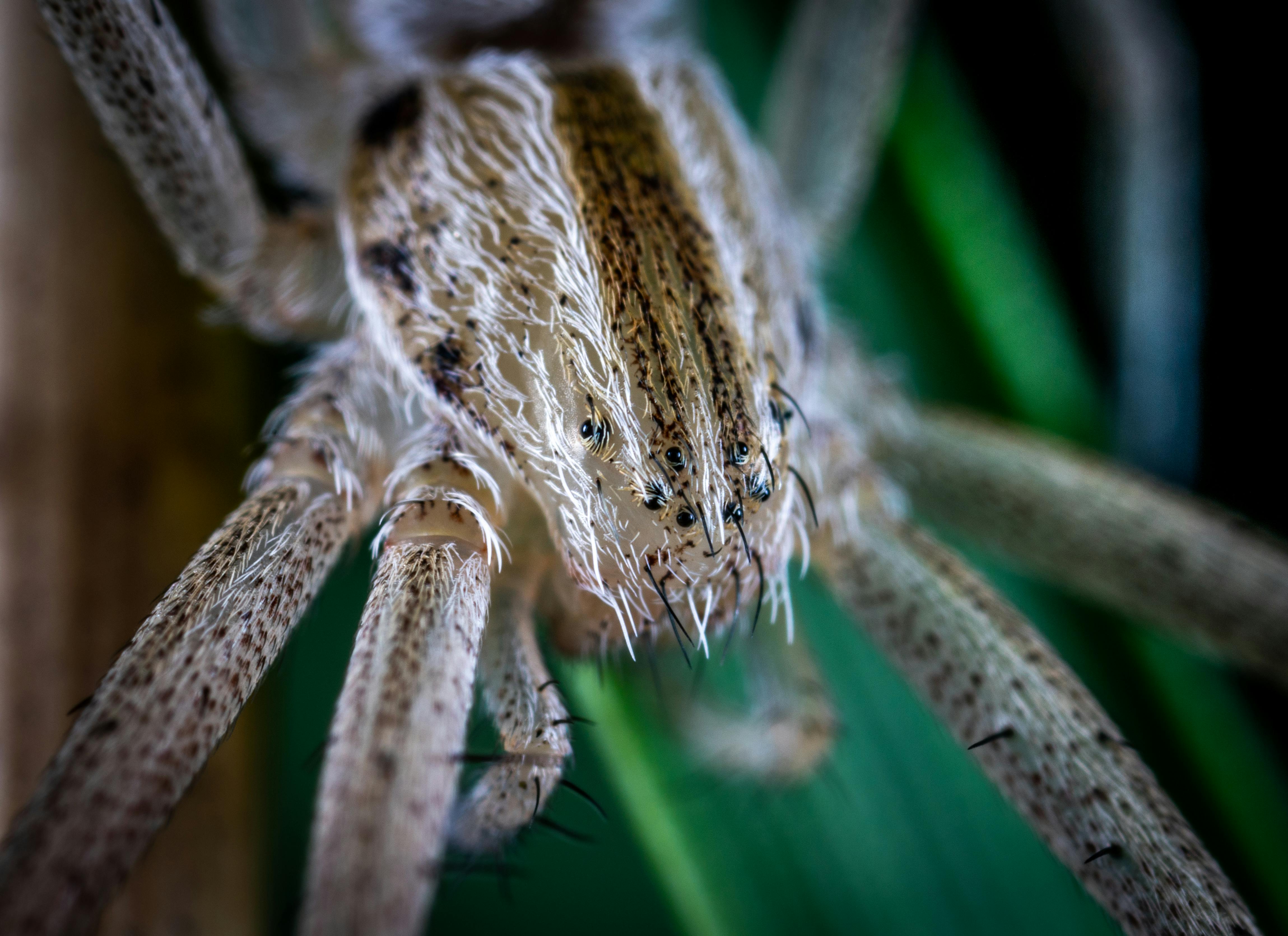
Spider's bold leap, red backdrop.
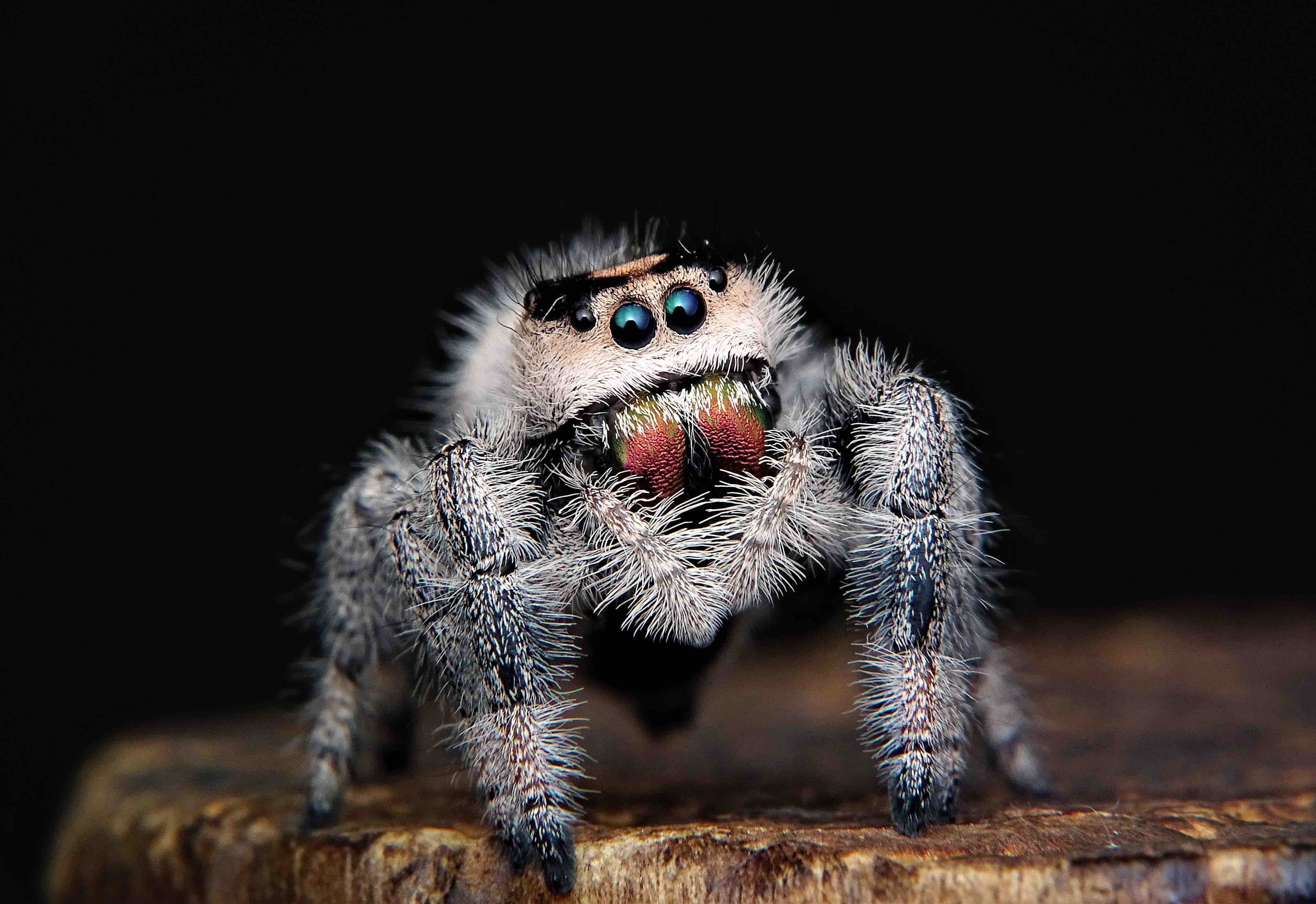
Jumping spider's body and behavior.

Is this a red-backed jumper?

Bold jumper, Phidippus audax, Chicago.

Jumping spider as a pet.

Red-backed Phidippus johnsoni, close-up.

What do jumping spiders look like?

Jumping spiders: nature's high jumpers.
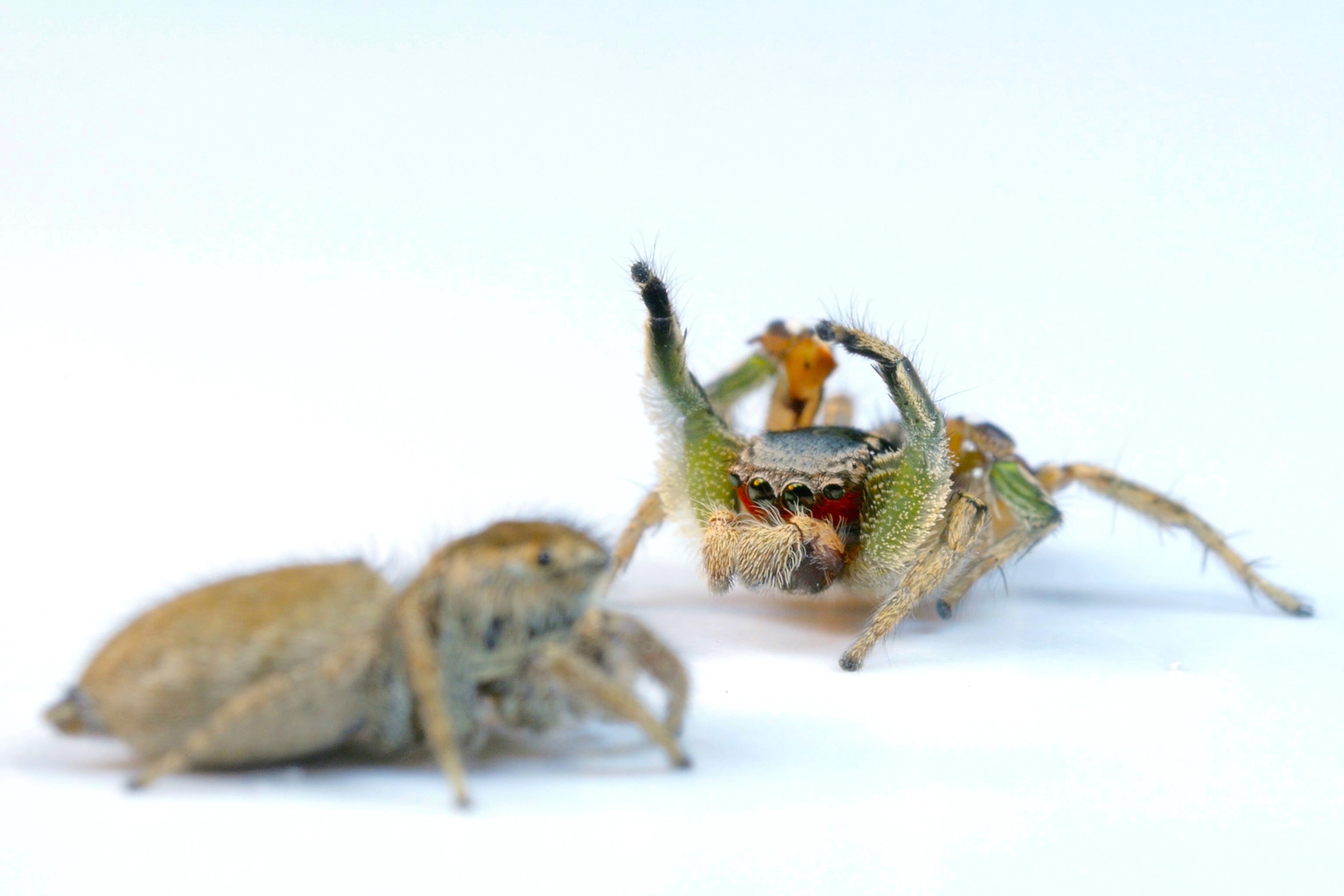
Do jumping spiders change color?
/GettyImages-175560551-5c6a7018c9e77c00012710f4.jpg)
Various types of jumping spiders.

Red-backed Phidippus johnsoni, a beauty.
Why Do Jumping Spiders Have Red Markings?
The red markings on their abdomen, a feature unique to Phidippus johnsoni, have long intrigued researchers. One theory suggests that the red serves as a warning signal to predators, indicating toxicity or an unpalatable taste. However, further studies are needed to confirm this hypothesis.
Another fascinating aspect is their jumping ability. These spiders can leap distances up to 50 times their body length, making them incredibly agile predators. Their powerful hind legs and specialized eyes give them an edge in capturing prey, often consisting of smaller insects.
How Do Jumping Spider Red Hunt?
When it comes to hunting, these spiders employ a unique strategy. Instead of weaving intricate webs, they actively stalk and pounce on their prey. Their excellent vision and quick reflexes make them efficient hunters, often surprising their unsuspecting victims.
Benefits of Having Jumping Spider Red in Your Garden
Having jumping spider red in your garden can be a boon for pest control. They are natural predators of various insects, including mosquitoes and flies, helping to keep their populations in check. Additionally, their presence adds a touch of natural beauty to your outdoor space, with their vibrant colors and graceful movements.
Consider inviting these tiny jumpers into your garden. You can attract them by providing a diverse habitat with plenty of hiding spots and an abundance of insects for them to hunt. Remember, they are harmless to humans and can be a fascinating addition to your outdoor ecosystem.
Florida's Tiny Jumpers the Spiders You Need to Know offers more insights into these remarkable creatures and their role in our environment.
So, there you have it, a fascinating insight into the world of Jumping Spider Red! These little creatures are a joy to observe and offer a unique perspective on nature's creativity. Keep an eye out for these red wonders; you might just be amazed by their agility and charm.
Why not try to spot one in your backyard or on your next nature walk? Share your stories and any unique encounters you have with these jumpers; we'd love to hear about your adventures!
Red-back jumping spider, Phidippus Johnsonii.

Read also: Whitefish Golf Course Review