
I've always been fascinated by nature's little mysteries, and one that often catches my eye is the jumping spider egg sac. These tiny, intricate sacs are like nature's hidden treasures, often overlooked but so intriguing! It's like a secret world waiting to be discovered. I mean, who doesn't want to know more about these tiny wonders and their growth journey? Speaking of which, did you know there's a jumping spider growth chart available online? It's a great resource, and I found it at Blank 100 Chart Printable Pdf Free Download.
Cute little house or an egg sac?

The Fascinating World of Jumping Spider Egg Sacs
Jumping spider egg sacs are truly a marvel of nature's design. These miniature masterpieces are like tiny incubators, housing the potential for new life. The intricate details and unique characteristics of these sacs are a joy to uncover.
Unveiling the Secrets of the Silk Layer
One of the most intriguing aspects is the silk layer that forms the sac's outer covering. This protective silk cocoon is carefully crafted by the female spider, ensuring a safe environment for her offspring. The silk layer provides a soft and secure nursery, offering protection from external threats and maintaining optimal conditions for growth.

Did my spider lay eggs in 12 days?

Spiderlings emerge from the egg sac.

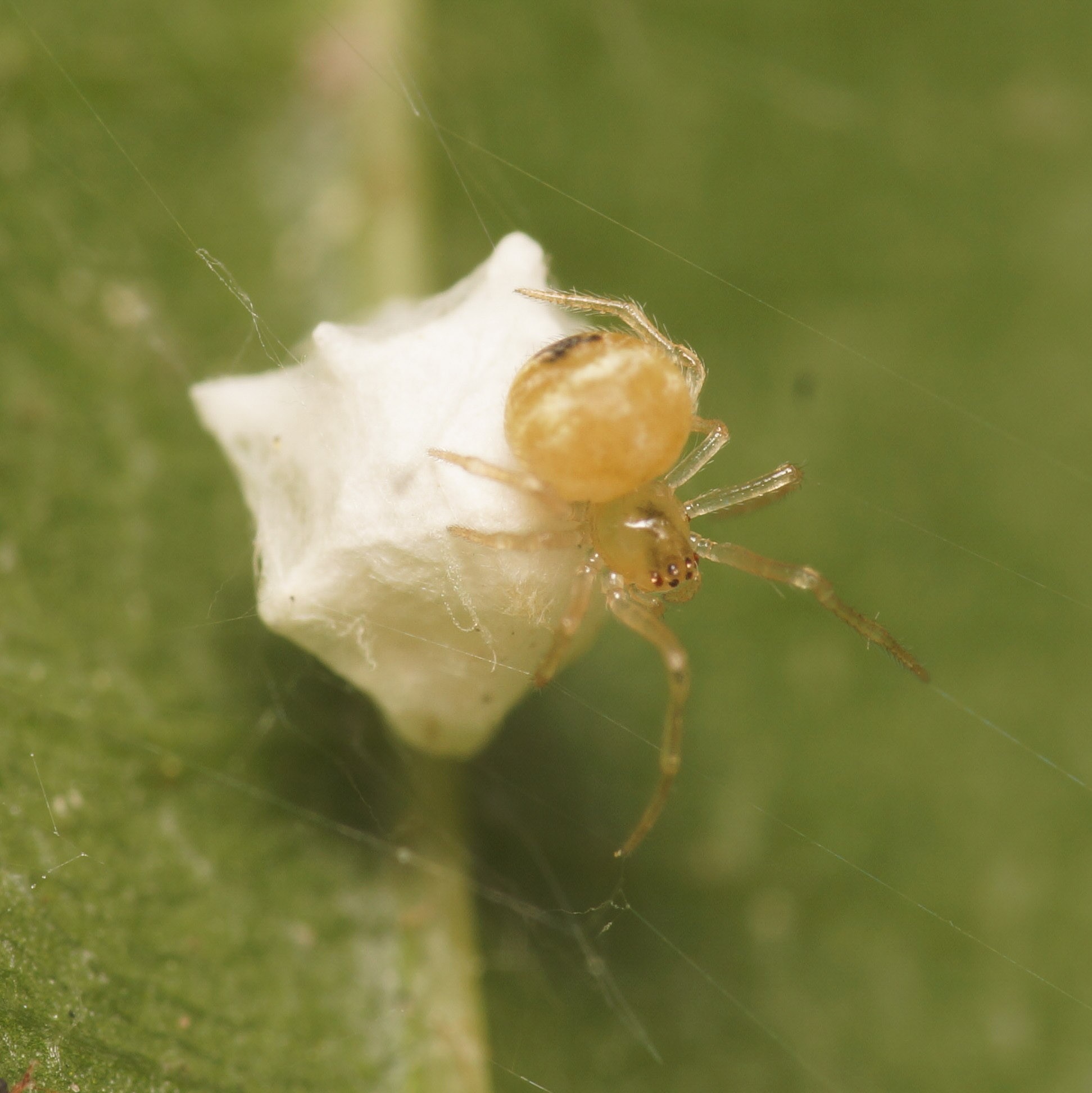
A spiky egg sac on a plant.
Wolf spider, not a jumper.

Jumping spider eggs: a guide.
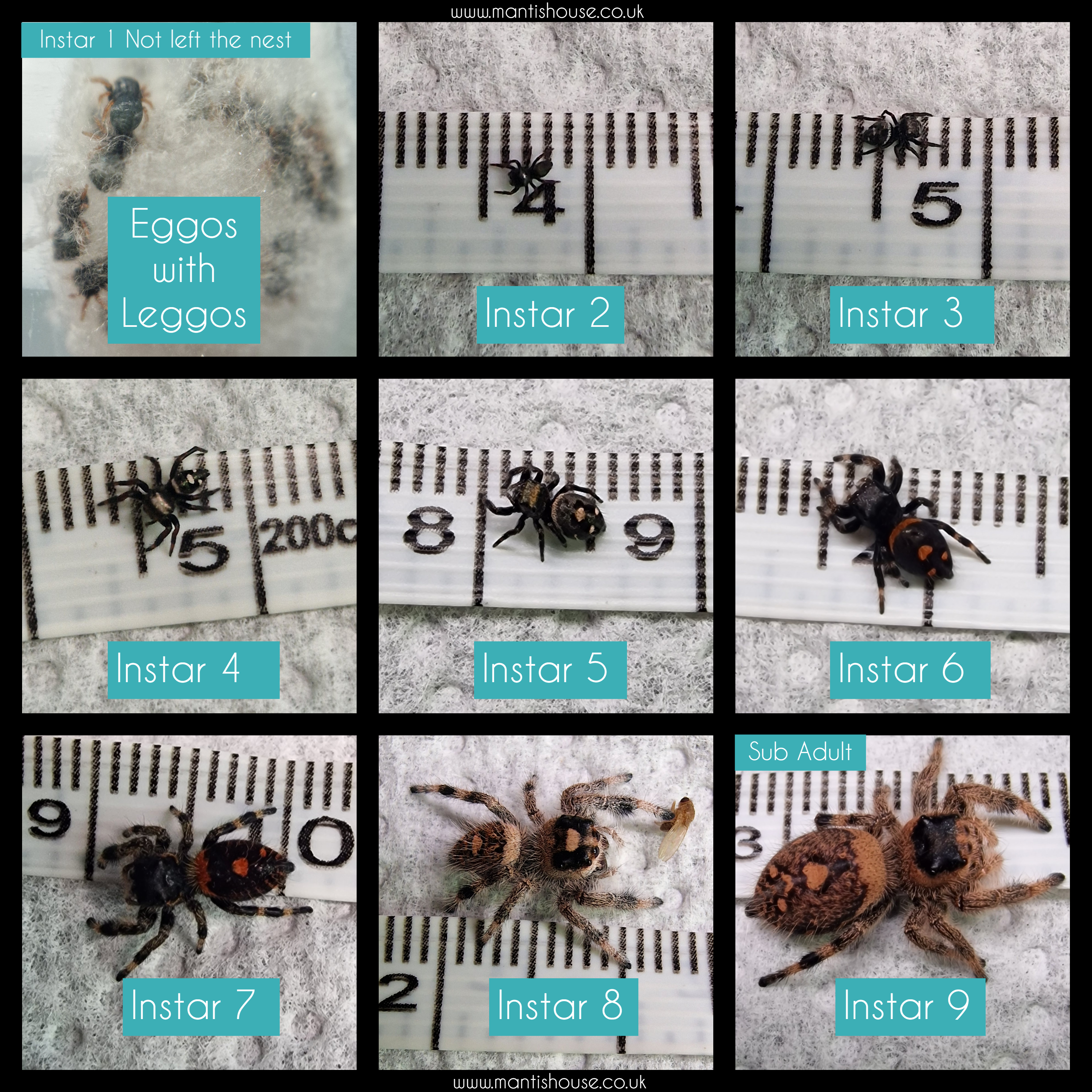
Tracking the development of an egg sac.

My jumper's egg sac: fertile or not?

Is this a jumping spider egg sac?

Silk: navigation and egg protection.
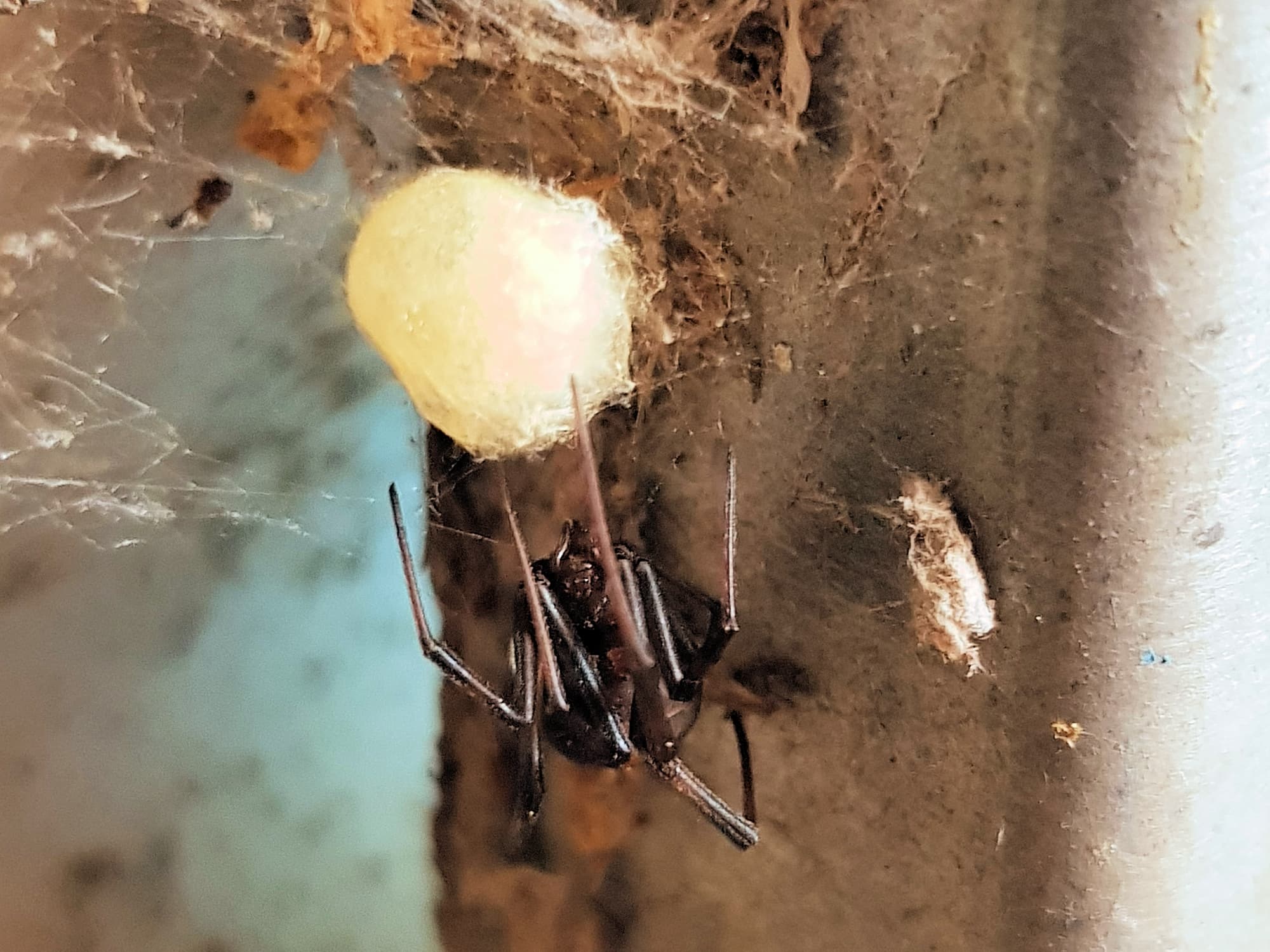
Sputnik spider: a British species.

Guarding infertile eggs: a spider's dedication.
Why is the Jumping Spider Egg Sac So Intriguing?
The mystery surrounding the egg sac's development and the transformation within is a common curiosity. Why do these sacs capture our attention? It's the allure of witnessing nature's intricate processes and the anticipation of the tiny hatchlings' emergence. The egg sac's journey from conception to birth is a captivating narrative.
How to Identify a Jumping Spider Egg Sac
Identifying a jumping spider egg sac can be an exciting challenge. Look for a small, oval-shaped structure with a distinct silk texture. These sacs are often attached to surfaces like leaves or twigs, providing a secure base. Paying attention to the sac's color and texture can aid in identification, as each species may have unique characteristics.
The Benefits of a Jumping Spider Growth Chart
A jumping spider growth chart is an invaluable resource for enthusiasts and educators alike. It offers a visual representation of the spider's life cycle, from egg to adult. With this chart, you can track the development stages, understand the size and age progression, and even compare different species. It's a great tool for learning and appreciation, providing a deeper connection to these fascinating creatures.
A Nursery Web for Future Jumpers
The jumping spider egg sac serves as a nursery web, a dedicated space for the arachnid offspring to grow and thrive. Within this protective cocoon, the tiny eggs undergo an incredible transformation, eventually hatching into miniature versions of their parents. The sac's design ensures a safe and controlled environment, allowing the spider hatchlings to develop and prepare for their first jumps into the world.
So, there you have it! Jumping spider egg sacs are a testament to the wonders of nature's creativity. It's incredible how these tiny spiders create such intricate and protective environments for their offspring. Nature never ceases to amaze, does it?
Feel free to share your thoughts or experiences with these fascinating creatures. Have you ever had the chance to observe jumping spiders and their egg sacs up close? It's a unique and captivating experience!
Not a jumping spider egg sac.
Read also: The Gray Wall Jumping Spider