
Oh, the jumping spider cricket - a creature that has probably startled many of us with its sudden jumps and unique appearance. These little critters seem to appear out of nowhere, and their presence can be quite intriguing, especially when you consider their unusual blend of spider-like and cricket-like features. I mean, who hasn't been caught off guard by one of these spidery crickets while enjoying a quiet evening at home? It's like they're nature's little pranksters, always ready to give you a surprise visit.
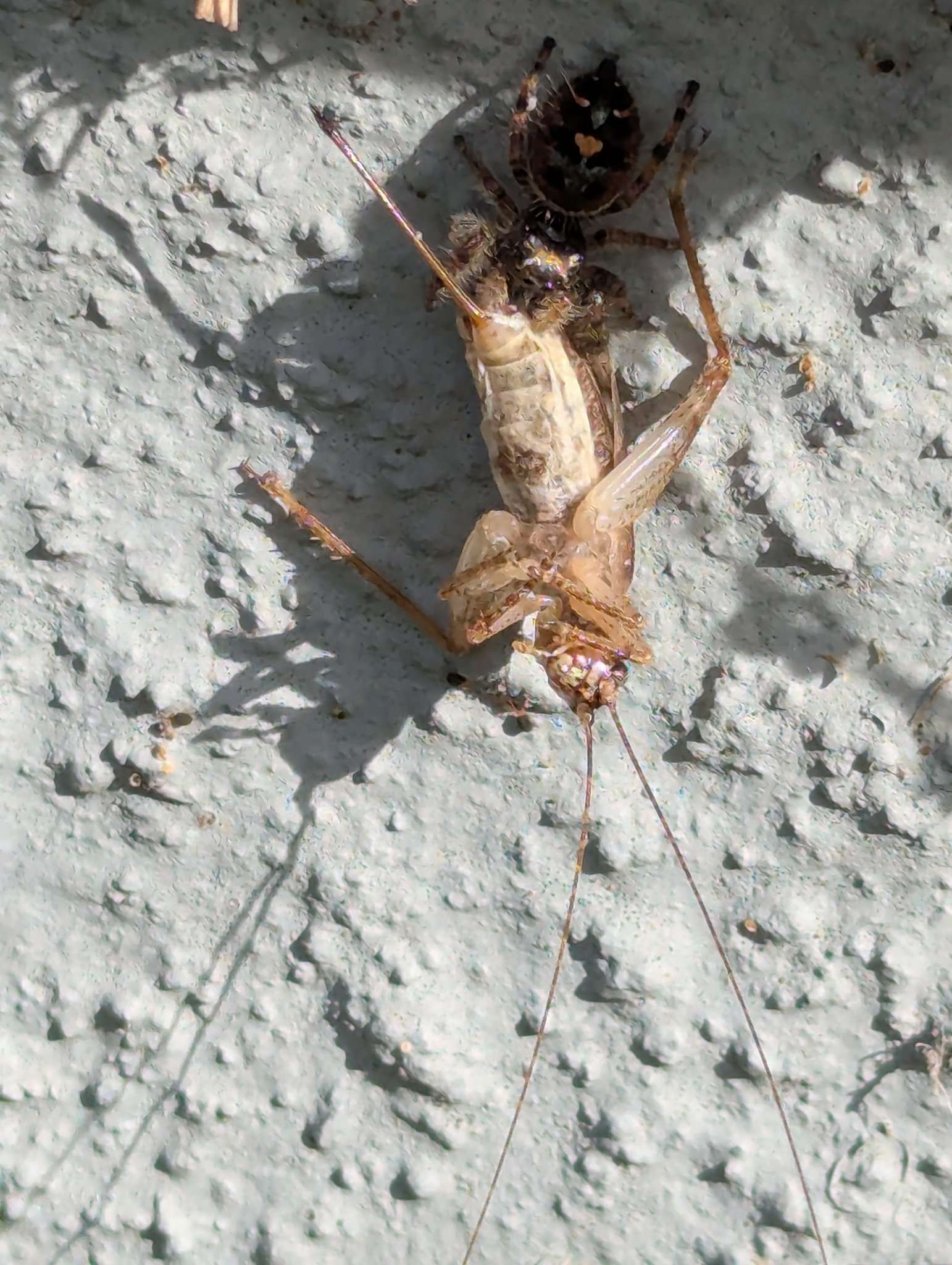
Jumping spider settles in and feasts.
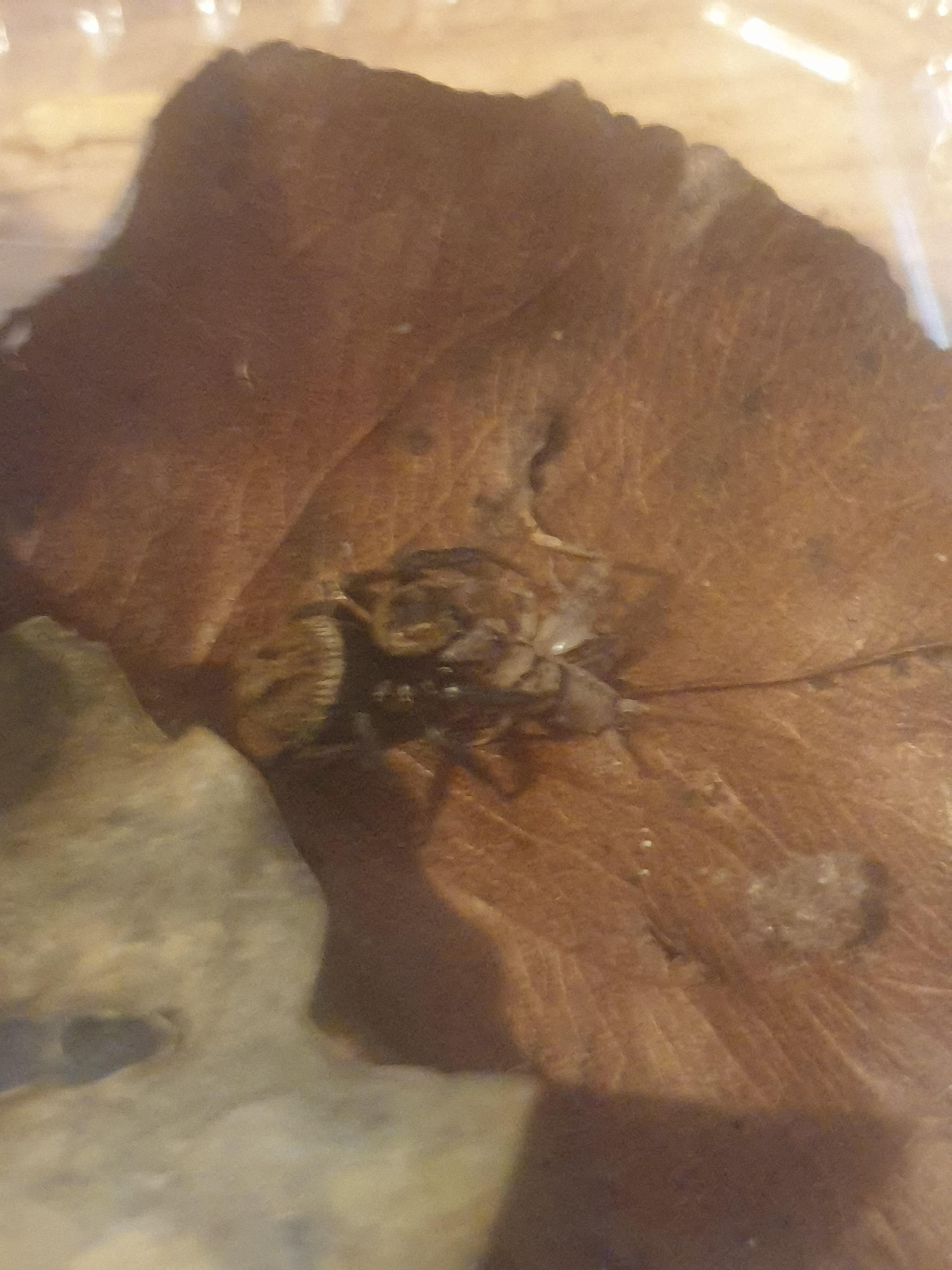
The Leaping Bug Phenomenon
The jumping spider cricket, or spricket as it's often affectionately called, is a fascinating creature with a unique set of skills and an even more intriguing appearance. These tiny athletes can leap astonishing distances, making them nature's acrobats, and their presence is a testament to the diversity of the insect world.
Eight Eyes, Quick Strike
With their eight eyes, these leaping bugs have an incredible field of vision, allowing them to spot prey or potential threats with remarkable accuracy. Their quick strike ability is a sight to behold; they can launch themselves with precision and speed, making them efficient nocturnal hunters. It's no wonder they can startle us with their sudden movements!

Why do crickets turn black?

New flash captures spider eating cricket.

Jumping spiders enjoy a cricket snack.
/GettyImages-120464542-56d4c9003df78cfb37d9371c.jpg)
Jumping spiders: cricket-loving arachnids.

These spiders love their greens.
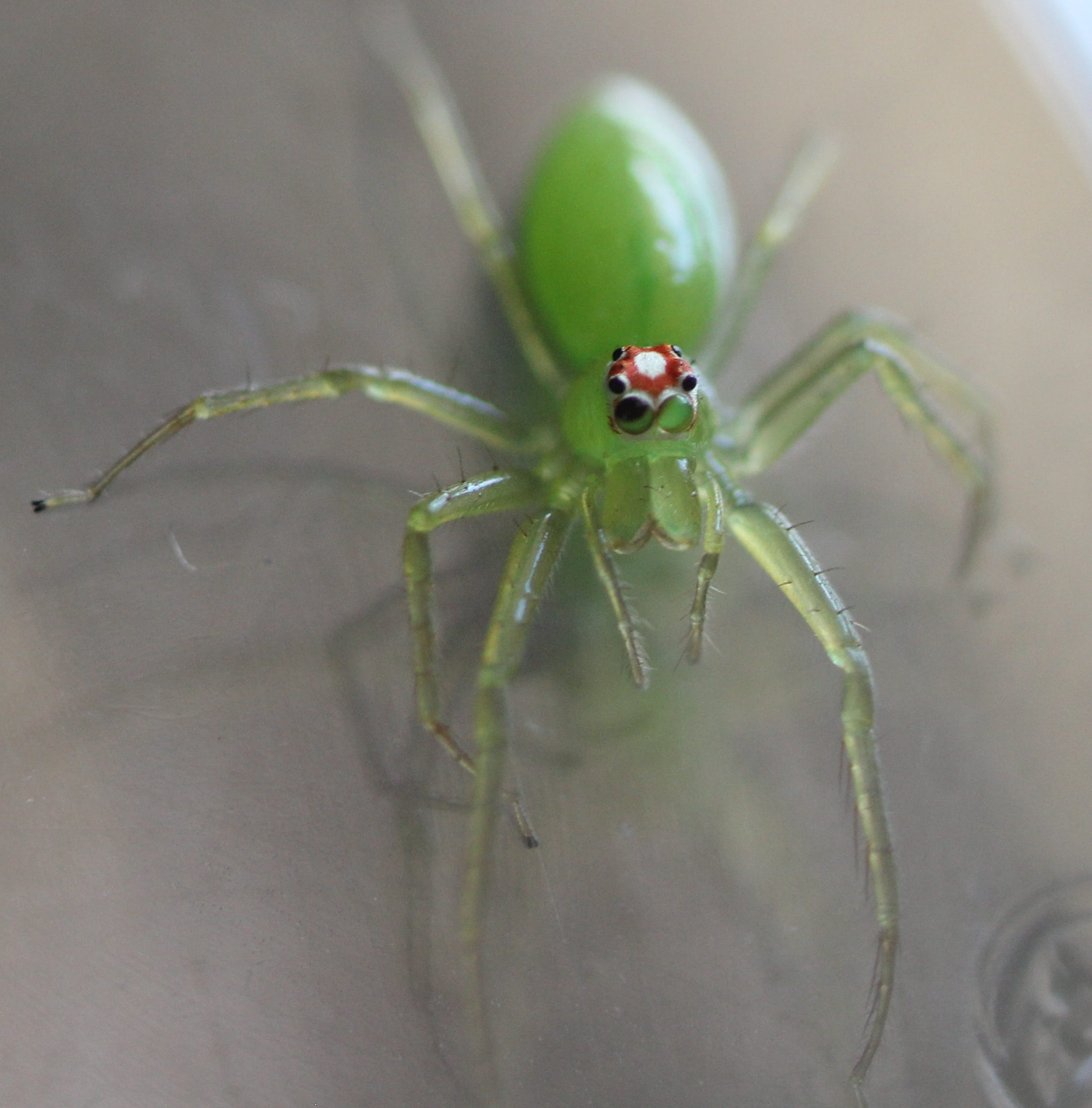
Spider crickets: a jumping, green feast.
Do spider crickets jump at humans?
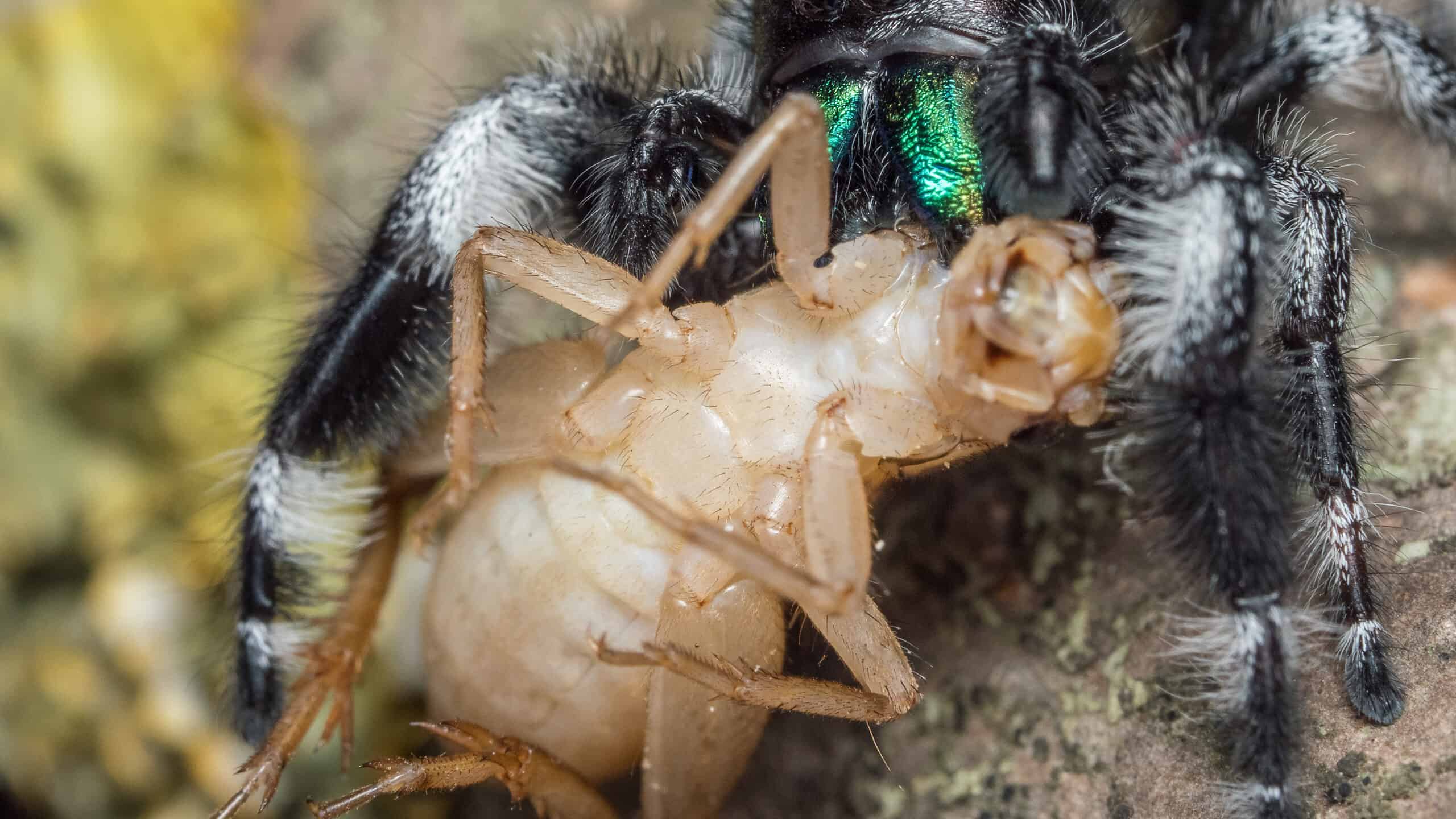
Regal jumping spider: a close-up view.
A jumping spider's home.

Are spider crickets a health risk?
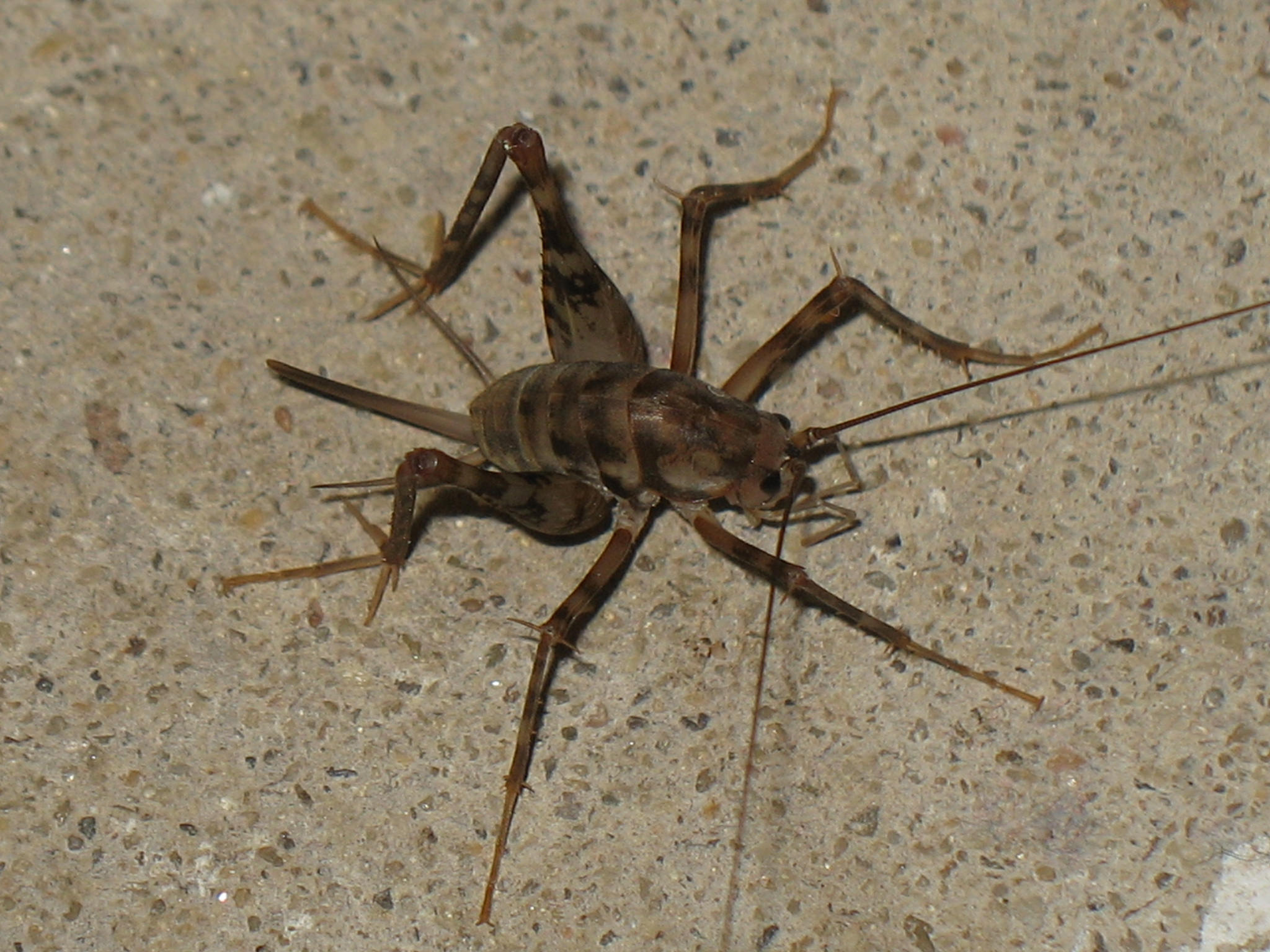
Greenhouse camel cricket: an overview.
Why Do They Jump So High?
A common question about jumping spider crickets is why they have such an impressive jumping ability. Well, their powerful hind legs, combined with a lightweight body, give them the perfect anatomy for high-velocity jumps. This adaptation is crucial for their survival, as it helps them escape predators and catch prey with ease.
How to Identify and Handle an Infestation
Identifying a spider cricket infestation can be tricky, but their unique appearance usually gives them away. If you notice an abundance of these creatures in your home, it's important to act swiftly. While they are not considered a major health risk, their presence can be a nuisance. To handle an infestation, you can start by Subject and Predicate Worksheet for Kids, which will help you understand their behavior and habits. Then, take preventive measures like sealing entry points and reducing moisture, as these critters thrive in damp environments.
Nature's Agile Predator
Despite their small size, jumping spider crickets are agile predators. They feed on a variety of insects, including other crickets, making them a natural form of pest control. Their hunting skills are a sight to behold; they stalk their prey with patience and precision, waiting for the perfect moment to strike. It's a reminder of the intricate balance of nature and the role each creature plays in the ecosystem.
The spricket truly is a remarkable little creature, a true athlete of the insect world. It's always fascinating to discover these unique species and their incredible abilities. So, keep an eye out for these leaping wonders; you never know when a spricket might make an appearance and leave you in awe of nature's wonders.
Feel free to share your own spricket sightings or any other amazing insect encounters you've had. It's always a treat to hear about these little adventures!
Camel crickets: a threat to humans?

Read also: Iowa Hunter Safety Course Requirements