


Surface Area Worksheet 2026 Overview
As a parent, I'm always on the lookout for fun and engaging ways to help my little one learn. Kindergarten worksheets sight words have been a real lifesaver when it comes to teaching my kiddo some essential reading skills. These worksheets are a great tool for any parent or teacher wanting to support a child's early literacy journey. With a simple search, you can find a list of kindergarten sight words and plenty of sight word free printable worksheets to choose from. It's a brilliant way to practice, and I've even come across some free editable sight word worksheets which are perfect for personalizing the learning experience.
Grade 1 sight word practice sheets.
A Powerful Tool for Early Literacy: Sight Words
Kindergarten worksheets focused on sight words are an invaluable resource for any early childhood educator or parent. These worksheets provide a structured and engaging way to introduce young learners to a fundamental aspect of literacy: word recognition. By targeting sight words, these worksheets help children develop a strong foundation in reading and writing, setting them up for future academic success.
Teach reading with sight word worksheets.
Beyond Basic Recognition: Interactive Worksheets for Word Mastery
While the primary focus of sight word worksheets is on word recognition, many resources go beyond simple flashcards or word lists. Interactive worksheets often incorporate a range of activities to reinforce word learning and make the process more enjoyable for young students. These may include word-picture matching tasks, where children match written words to corresponding images, or sentence completion exercises, encouraging students to use sight words in context. Some worksheets even feature word-building activities, where kids can manipulate letter tiles to create new words, fostering a deeper understanding of word formation and spelling.
Fun sight word activities to print.
By offering a variety of activities, these worksheets cater to different learning styles and keep students engaged. They also allow educators to assess students' progress and identify areas where additional support may be needed. For instance, a teacher might notice that a student consistently struggles with word-picture matching but excels at sentence completion, indicating a need for more targeted practice in visual word recognition.
Reading practice with sight words for kindergarten.
People Also Ask: How Can I Make Sight Word Practice Fun?
A common concern among parents and educators is how to make learning sight words an enjoyable experience for young children. After all, repetitive flashcard drills can quickly become boring and demotivating. Fortunately, there are numerous creative ways to incorporate sight word practice into fun activities.
Free sight word worksheets for kids.
One popular approach is to use games and interactive apps specifically designed for sight word learning. These often feature colorful graphics, engaging characters, and rewarding animations to keep kids motivated. For instance, a simple game might involve dragging and dropping sight words into a sentence, with correct answers earning the player points or a fun animation.
Printable sight word worksheets for beginners.
Another effective strategy is to incorporate movement into sight word practice. This could involve creating a sight word scavenger hunt, where children search for hidden words around the room, or playing a game of sight word bingo, where students jump or do a little dance when they find their word. By adding physical activity to the learning process, children stay engaged and associate learning with fun.
Engaging sight word activities for kids.
How to Choose and Use Sight Word Worksheets Effectively
With a vast array of sight word worksheets available online, it can be overwhelming to choose the right resources for your classroom or home learning environment. Here are some tips to help you select and utilize these worksheets effectively:
Sight words for kindergarten, ready to print.
- Consider your students' needs: Different worksheets cater to different skill levels and learning styles. Some might focus on basic word recognition, while others incorporate more advanced activities like word analysis or sentence construction. Choose worksheets that align with your students' current abilities and learning goals.
'Have' sight word worksheet for practice.
- Variety is key: To keep students engaged, offer a mix of worksheet types. This could include traditional word recognition tasks, word-picture matching, sentence completion, and even creative activities like word art or sight word stories. By providing a range of activities, you cater to different learning preferences and keep the learning process exciting.
Sight word worksheets, a fun way to learn.
- Print and practice: While many worksheets are available digitally, printing them out can offer a more tactile learning experience. Consider laminating the worksheets for durability, especially if you plan to reuse them with multiple students or for ongoing practice.
Free printable sight word resources.
- Incorporate technology: In addition to printed worksheets, utilize digital resources and apps designed for sight word practice. These can offer a fun, interactive twist to traditional learning and provide an opportunity for students to practice independently.
Printable sight word board games.
- Personalize the experience: If you have access to editable sight word worksheets, take advantage of this feature to customize the learning experience. You can tailor the worksheets to your students' specific needs, whether that means adjusting the difficulty level, incorporating personal interests, or adding a creative twist to make the activity more engaging.
Sight Word Flashcards: A Versatile Learning Aid
One of the most versatile and widely used tools for sight word practice is the humble flashcard. These simple cards, featuring a sight word on one side and often a corresponding image on the other, offer a quick and effective way to reinforce word recognition. Flashcards can be used in a variety of ways, making them a valuable addition to any early literacy toolkit.
For individual practice, students can simply flip through the flashcards, reading the words aloud and checking their understanding with the image on the reverse. This self-paced activity allows students to work at their own speed and provides an opportunity for independent learning.
In a classroom setting, flashcards can be used for whole-group or small-group activities. Teachers might conduct a sight word scavenger hunt, hiding flashcards around the room for students to find and read aloud. Alternatively, flashcards can be used for games like "Go Fish," where students take turns asking for specific words, or "Memory," where pairs of flashcards are turned face down and students take turns trying to match words with their corresponding images.
Flashcards can also be incorporated into more structured lessons. For instance, a teacher might use flashcards to introduce new sight words, followed by a group activity where students practice writing the words on their own. This combination of visual recognition and writing practice reinforces word learning and helps students internalize the words more effectively.
By offering a flexible and engaging way to practice sight words, flashcards can be a powerful tool in any early literacy program. Whether used for independent study, group activities, or structured lessons, flashcards provide a simple yet effective means of reinforcing word recognition and building a strong foundation for reading and writing.
Sight words are an exciting gateway to literacy, and with these worksheets, your little ones can take their first steps towards becoming confident readers. It's a fun and interactive process, so why not give it a go?
Print out a few worksheets, gather some colorful pens, and create a dedicated learning space. Watch as your child's enthusiasm grows with each word they recognize. It's a simple yet powerful way to boost their confidence and set them on the path to reading success.
Leave a comment or share your experience below. We'd love to hear how these worksheets have helped your child's literacy journey!
Planning sight word activities for kindergarten.
Related: 18 Letter D Worksheets for Kids
As a parent, I know the struggle of finding engaging resources to help my child practice their letters. It's a challenge to keep them interested, especially when it comes to mastering the lowercase letter d. Letter d worksheets can be a lifesaver, offering a fun and focused way to practice writing and recognizing this tricky letter. With printable options like the letter d worksheets, I can easily provide my child with a variety of activities, ensuring they stay engaged while learning.
Pulley practice: pull down wheel
Mastering the Tricky Lowercase "d": A Comprehensive Guide
Letter D Worksheets: The Ultimate Practice Tool
Letter d worksheets are an incredibly versatile and powerful tool for teaching and reinforcing the recognition and writing of the lowercase letter "d." These worksheets offer a structured and engaging way to guide young learners through the intricacies of this tricky letter, ensuring they develop a solid foundation in letter formation and recognition. By providing a range of activities, letter d worksheets cater to different learning styles and abilities, making them an essential resource for parents, teachers, and tutors alike.
The beauty of letter d worksheets lies in their ability to break down the learning process into manageable steps. From simple tracing and copying exercises to more advanced activities like identifying "d" in words and sentences, these worksheets gradually build a child's confidence and mastery over the letter. With a variety of formats and designs, letter d worksheets can be tailored to suit the needs of individual learners, ensuring an effective and personalized learning experience.
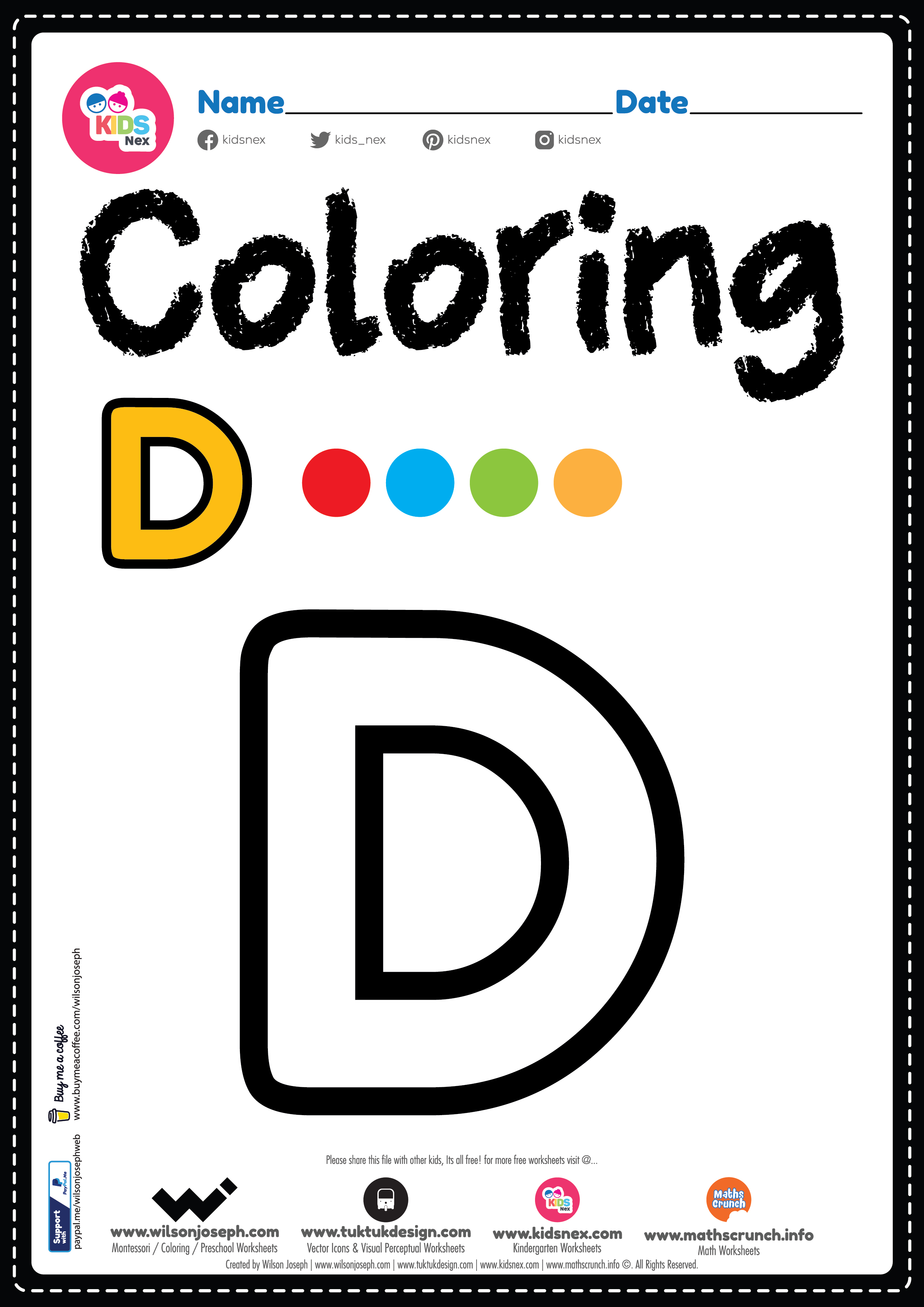
Coloring activity: letter D
Exploring Different Worksheet Types and Skills
When it comes to letter d worksheets, there's a wealth of variety to explore. One popular type is the printable letter d worksheet, which often features a combination of tracing, copying, and freehand writing exercises. These worksheets provide a structured approach to learning, allowing children to gradually develop their fine motor skills and letter formation techniques.
Another engaging option is the dot-to-dot worksheet, where children connect the dots to reveal a hidden picture, often incorporating the letter "d" in various creative ways. These worksheets not only reinforce letter recognition but also develop hand-eye coordination and visual scanning skills.
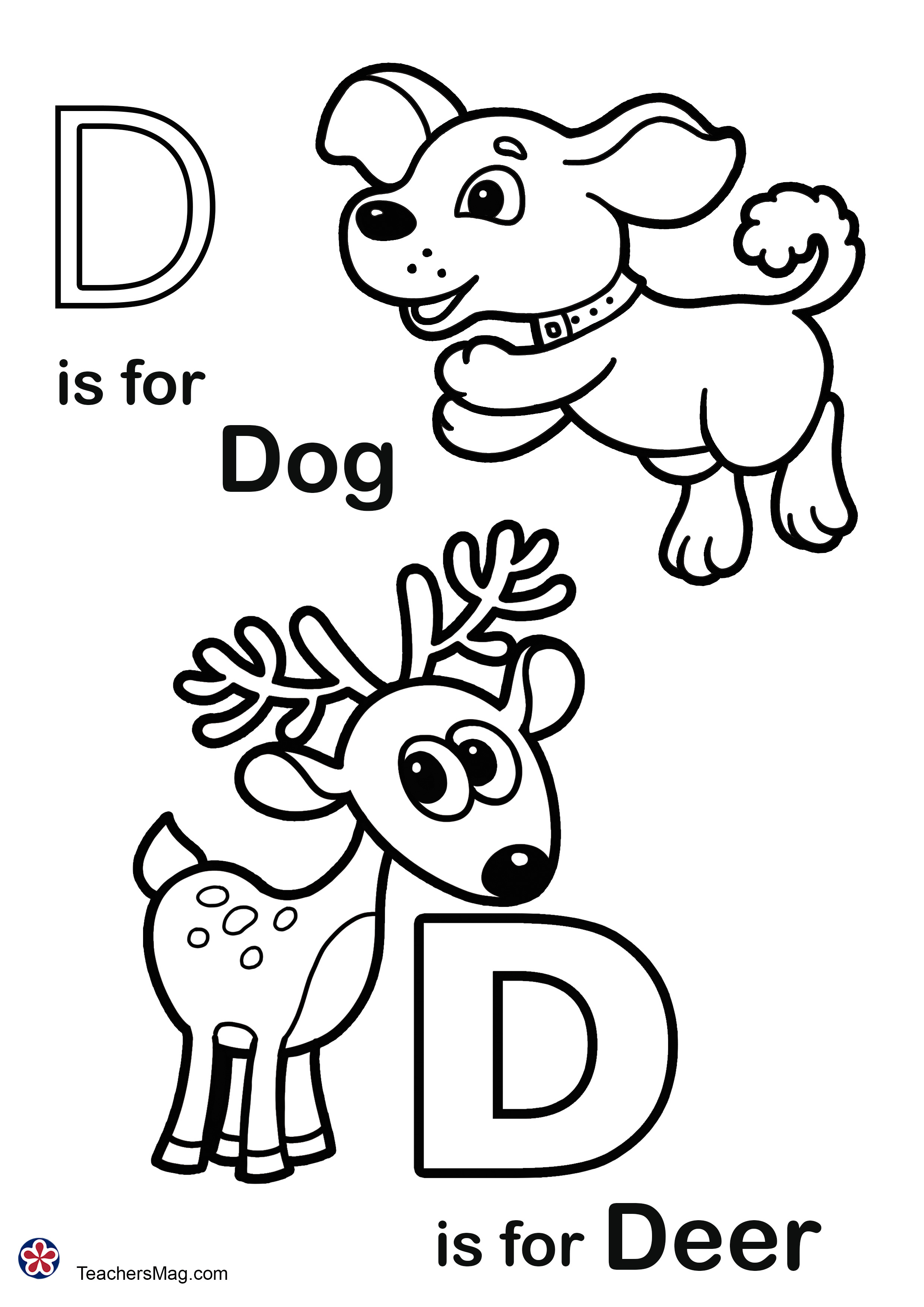
Printable D worksheets for kids
For a more artistic approach, design pattern worksheets offer a fun twist. Children can decorate and personalize their "d" letters with creative patterns and colors, encouraging creativity and a deeper connection to the letter.
Left-slanting line tracing practice
Additionally, worksheets focused on draw shapes and d-shaped objects help children understand the letter's formation and its relation to other shapes and objects in their environment. This holistic approach to learning enhances their visual and spatial awareness.
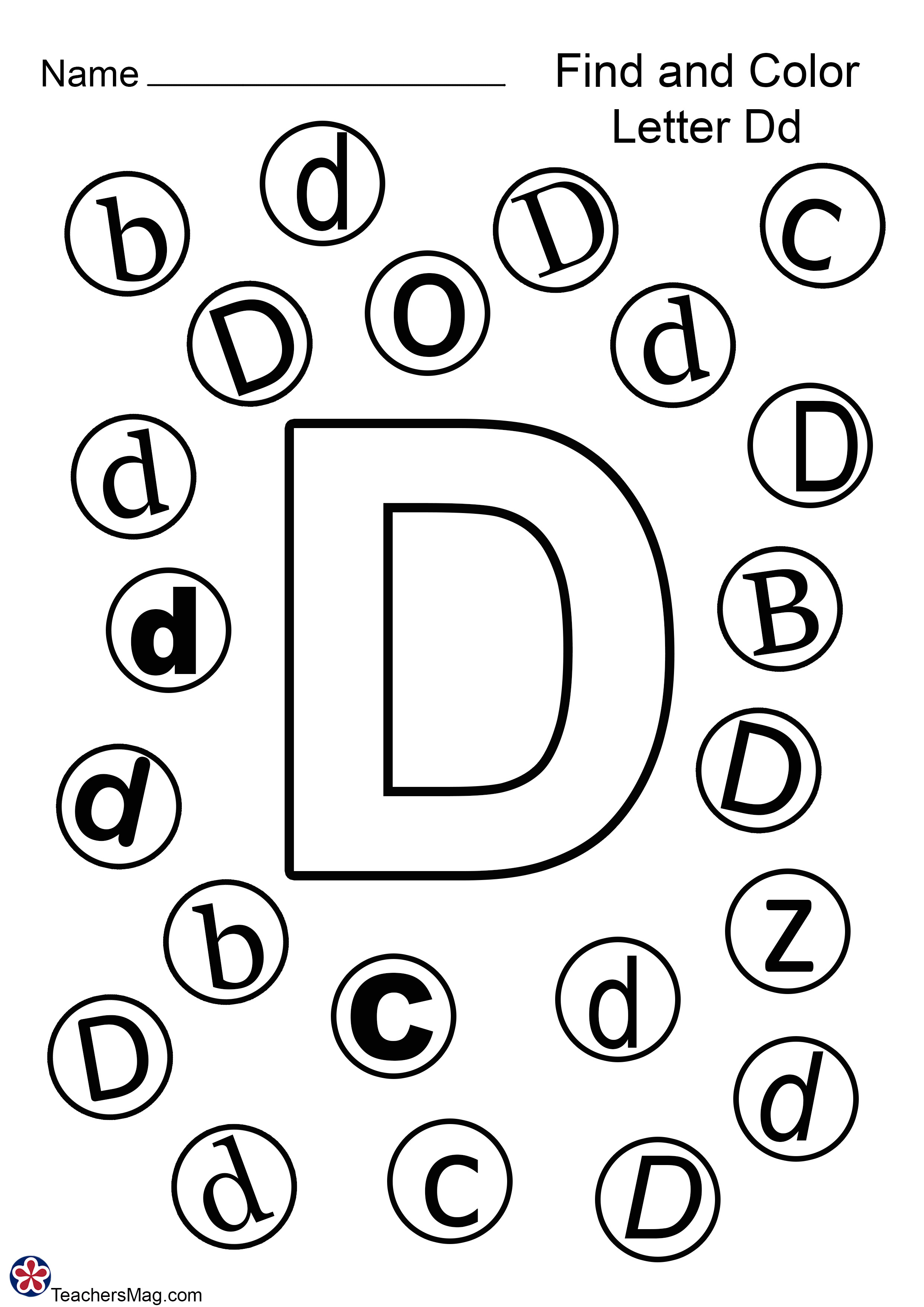
Find, trace, and color letter D
People Also Ask: What Age Group Benefits from Letter D Worksheets?
Letter d worksheets are primarily designed for young learners, typically in the preschool and kindergarten age range. However, their versatility makes them suitable for a wider range of ages and abilities. For instance, printable letter d for toddlers can be a great introduction to letter recognition, offering simple and engaging activities to capture their interest and curiosity.
On the other hand, more advanced letter d worksheets can cater to older children who may need extra practice or reinforcement. These worksheets can include more complex tasks, such as identifying "d" in different fonts, handwriting exercises with varying line widths, or even incorporating the letter into simple word problems or sentences.
Preschool letter D tracing sheet
How to Use and Incorporate Letter D Worksheets into Learning
Using letter d worksheets is a straightforward and flexible process. For parents and teachers, the first step is to select worksheets that align with the learner's age, grade level, and skill set. Many online resources offer a range of printable letter d worksheets, often categorized by difficulty level and theme.
Once the worksheets are chosen, it's essential to consider the learner's preferences and interests. Some children may enjoy colorful and themed worksheets with fun characters, while others may prefer a more minimalist approach. Personalizing the learning experience can make it more engaging and motivating.
Free letter D printables for kids
In terms of practical usage, letter d worksheets can be incorporated into daily drills or fun practice sessions. For instance, a short 10-15 minute session each day can provide focused practice without overwhelming the learner. This consistent practice, combined with positive reinforcement, can lead to significant progress over time.
Kindergarten family-themed worksheet
The Benefits of Daily Drills and Progressive Practice
One of the key advantages of letter d worksheets is their ability to offer progressive practice. By starting with simple tracing and copying exercises, learners gradually build their skills and confidence. As they progress, the worksheets can introduce more challenging tasks, such as identifying "d" in different contexts or creating their own sentences with the letter.
Daily drills, even for a short duration, can significantly enhance a child's letter recognition and writing skills. This consistent practice helps solidify the learning process, ensuring that the letter "d" becomes second nature to them. Over time, with regular practice, learners will not only master the letter but also develop a deeper understanding of its role in reading and writing.
D tracing and coloring pages
Furthermore, letter d worksheets can be a valuable tool for assessing a child's progress. By observing their performance on different types of worksheets, parents and teachers can identify areas where the child excels and areas that may need further attention. This feedback loop allows for tailored instruction and support, ensuring an effective and personalized learning journey.
Simple letter D practice sheet
50 free letter D printables
Preschoolers trace letter D
So, there you have it! Letter d worksheets are an awesome resource to have in your teaching toolkit. They offer a fun and interactive way to master this tricky letter, and with a bit of practice, your little learners will be writing 'd' like pros in no time!
Why not give these worksheets a go and see the magic unfold? It's a great way to keep learning engaging and enjoyable. Leave a comment or share your experience below; we'd love to hear how it goes!
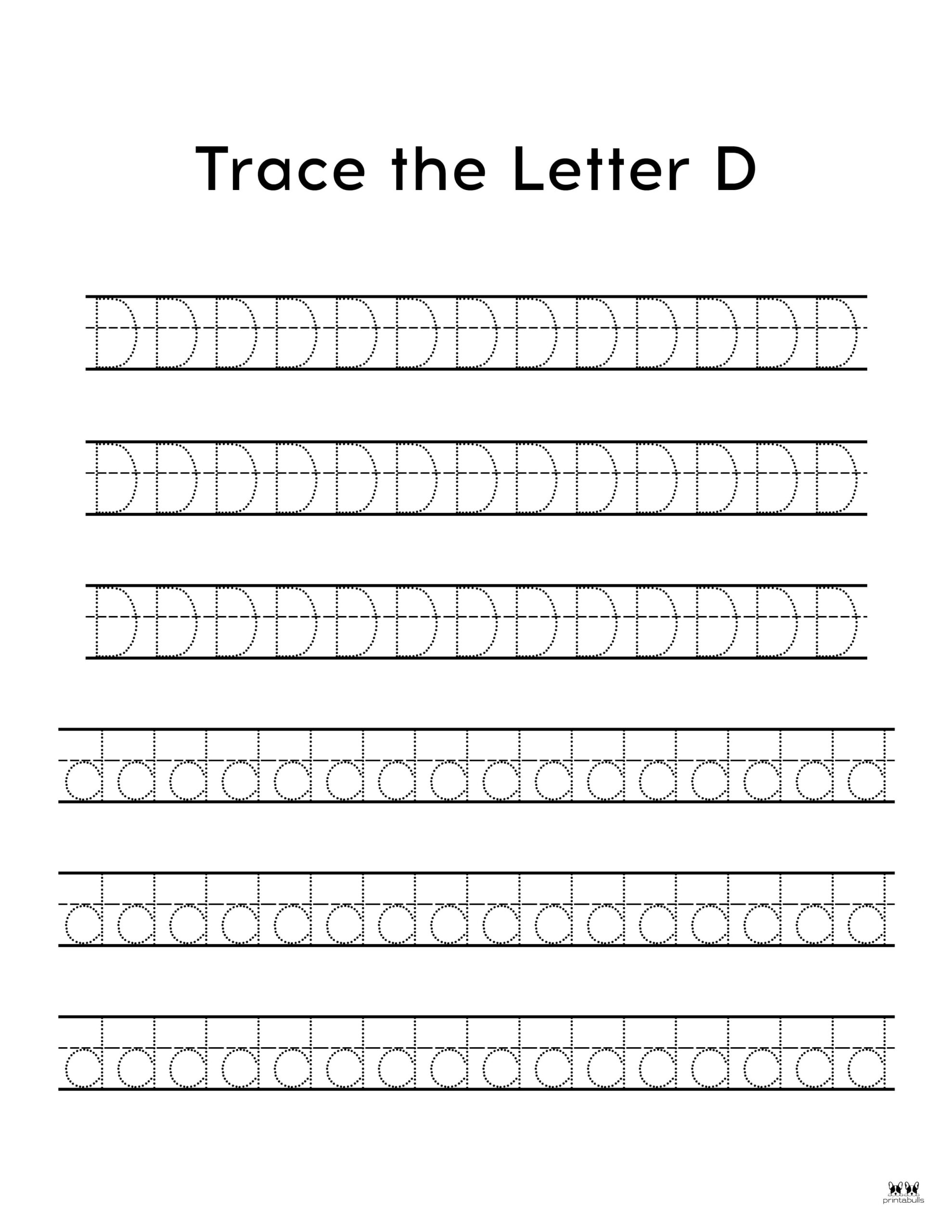
Trace the letter D, PDF format
Related: 17 Addition With Regrouping Worksheets to Try
As a parent, I've found that addition with regrouping worksheets can be a real lifesaver when it comes to helping kids grasp this tricky math concept. These worksheets provide a structured way for students to practice and reinforce their addition skills, especially when dealing with larger numbers. It's a simple yet effective tool that can benefit learners of all ages, from grade 1 to grade 3, and even beyond. In fact, I recently came across some great addition with regrouping superstar worksheets and thought I'd share the find!
Three-digit addition and subtraction practice.
Addition with Regrouping: Mastering the Carry-Over Technique
Addition with regrouping worksheets are an excellent resource for teaching and reinforcing a crucial math skill: carrying over, or regrouping, in addition. This technique is essential for learners to grasp as they progress from single-digit addition to double- and triple-digit sums. By providing a structured practice space, these worksheets help students master the concept of place value and the carry-over method, building a strong foundation for more complex math operations.
Basic two-digit addition without regrouping.
Exploring Different Worksheet Types and Skills
There's a wide range of addition with regrouping worksheets available, catering to different learner needs and skill levels. Some worksheets focus on double-digit addition, introducing the concept of carrying over tens or hundreds. Others progress to three-digit sums, challenging students to apply the regrouping technique to larger numbers. Additionally, worksheets often incorporate different visual representations, such as number lines or base-ten blocks, to enhance understanding and provide varied practice opportunities.
Winter-themed five-digit addition and subtraction.
For instance, a worksheet might present a three-digit addition problem in expanded form, like 200 + 30 + 4, and guide students through the regrouping process step by step. This visual approach helps learners grasp the concept of place value and the need to "carry over" tens or hundreds to the next column. By practicing with various worksheet types, students can develop a versatile skill set and a deep understanding of addition with regrouping.
Adding without regrouping: study planner.
People Also Ask: What's the Best Way to Teach Addition with Regrouping?
Teaching addition with regrouping can be a challenging task, but addition with regrouping worksheets offer a practical and effective solution. These worksheets provide a structured framework for learners to practice the carry-over method, ensuring they understand the concept and can apply it accurately. By working through a series of problems, students can develop a systematic approach to addition, building confidence and mastery over time.
Two-digit addition without carrying over.
Additionally, worksheets often include clear instructions and visual aids, making them accessible to a wide range of learners. Teachers and parents can use these resources to introduce the concept of regrouping, reinforce understanding, and provide targeted practice for students who may be struggling. With consistent practice using well-designed worksheets, learners can overcome the initial hurdles of addition with regrouping and develop a strong foundation for more advanced math skills.
Three-digit addition and subtraction worksheets.
How to Use Addition with Regrouping Worksheets Effectively
To make the most of addition with regrouping worksheets, it's important to consider the learner's age, grade level, and existing math skills. For younger students or those new to regrouping, start with simpler worksheets that focus on double-digit addition and gradually introduce the carry-over method. As learners progress and gain confidence, move on to three-digit sums and more complex problems.
Addition and subtraction without regrouping.
When using worksheets, provide clear instructions and demonstrate the regrouping process step by step. Encourage students to explain their thinking and ask questions to ensure they understand the concept. For classroom or homeschooling settings, consider group work or peer learning, where students can discuss and solve problems together, reinforcing their understanding and building collaboration skills.
Three-digit addition with regrouping worksheets.
Practical Application: Reinforcing Addition Skills Beyond the Worksheet
While addition with regrouping worksheets are an excellent learning tool, it's essential to apply these skills in real-world contexts to reinforce understanding. Teachers and parents can incorporate addition with regrouping into everyday situations, such as calculating change, counting large quantities, or estimating distances. By connecting math to practical scenarios, learners can see the relevance and usefulness of the carry-over method in their daily lives.
Addition with regrouping: Jenny's printable.
Additionally, incorporating games and activities can make learning addition with regrouping more engaging and fun. For example, a simple board game where players roll dice and add the numbers, carrying over when necessary, can provide a playful way to practice regrouping. By combining structured worksheet practice with real-world applications and engaging activities, learners can develop a deep and lasting understanding of addition with regrouping, setting them up for success in more advanced math concepts. 15 Second Grade Math Worksheets offer a great starting point for exploring addition with regrouping and other essential math skills.
Mastering three-digit addition with carrying.
Adding two-digit numbers without regrouping.
Free three-digit addition with regrouping.
Well, there you have it! Addition with regrouping is a fun challenge, and these worksheets are a great way to build those math muscles. It's an important skill to master, and with consistent practice, your little mathematicians will be carrying over numbers like pros!
So, go ahead and give these worksheets a go. They're a fantastic tool to reinforce this technique, and who knows, you might just discover a new favorite way to learn! Leave a comment or share your experience below; we'd love to hear how it went and any tips you have for fellow math enthusiasts.