








Slope Intercept Form Graphing Worksheets Grade 1 Overview
Sometimes, finding the right resources to help with math can be a challenge, especially when it comes to mastering graphing skills. That's why I wanted to share a helpful tool I recently discovered - the graphing slope intercept form worksheet. It's a simple yet effective way to practice and reinforce those crucial slope intercept form concepts. If you're looking for more graphing practice, you might also want to check out this post on bar graph worksheets, which offers some great ideas: 15 Bar Graph Worksheet Ideas.
Practice graphing lines using slope intercept.
Mastering Slope Intercept Form: A Powerful Graphing Skill
Graphing in the slope-intercept form is a fundamental skill in mathematics, and it's essential for understanding and interpreting linear equations. The graphing slope intercept form worksheet is a fantastic resource to help learners master this concept, providing a structured and engaging practice environment.
Worksheet for graphing lines, slope-intercept method.
Exploring Linear Graphs: Beyond Basic Equations
While the primary focus of the graphing slope intercept form worksheet is on linear equations, it also serves as an excellent tool for exploring more complex graphing skills. Learners can practice interpreting and analyzing various types of linear graphs, including those with positive and negative slopes, as well as horizontal and vertical lines. This worksheet goes beyond simple equation-solving, encouraging students to develop a deeper understanding of linear relationships and their graphical representations.
Graphing lines, a slope-intercept form activity.
How Does the Worksheet Help with Graphing Slope Intercept Form?
The graphing slope intercept form worksheet is designed to provide a comprehensive practice experience. It offers a range of activities and questions that target different aspects of graphing in slope-intercept form. Learners will encounter tasks such as identifying the slope and y-intercept from a given line equation, graphing linear equations by plotting points, and even more advanced challenges like determining the equation of a line from its graphical representation. This worksheet ensures a well-rounded practice session, covering all the crucial skills needed to master graphing in slope-intercept form.
Free slope intercept graphing practice sheet.
Who Can Benefit from Using the Graphing Slope Intercept Form Worksheet?
This worksheet is an excellent resource for a wide range of learners. It is particularly beneficial for middle school and high school students who are studying algebra and geometry. Whether in a traditional classroom setting, homeschooling environment, or even for self-study, the graphing slope intercept form worksheet provides a structured and engaging way to practice and reinforce graphing skills. Teachers, tutors, and parents can also use this worksheet to supplement their teaching materials and provide additional practice opportunities for their students or children.
Graphing lines, slope intercept form, made easy.
Using the Worksheet in Practice: Tips and Considerations
When utilizing the graphing slope intercept form worksheet, there are a few practical considerations to keep in mind. Firstly, ensure that you have a suitable printing setup, as this worksheet is best practiced on paper. Consider using graph paper to enhance the visual aspect of graphing. Additionally, it's important to provide clear instructions and guidance to learners, especially if they are new to graphing in slope-intercept form. Start with simpler tasks and gradually introduce more complex challenges as their confidence and understanding grow. Finally, encourage learners to review their work and reflect on their progress, fostering a deeper understanding of the concepts.
Linear functions, graphing lines visually.
Progressive Practice: From Basics to Advanced Skills
The beauty of the graphing slope intercept form worksheet lies in its ability to offer a progressive learning experience. It starts with foundational skills, such as identifying the slope and y-intercept, and gradually introduces more challenging tasks. As learners advance, they can practice graphing linear equations with different slopes and y-intercepts, and even tackle more intricate problems, such as determining the equation of a line given only its graphical representation. This progressive approach ensures that learners build a strong foundation and gradually develop advanced graphing skills, preparing them for more complex mathematical concepts.
Graphing with slope intercept form, a worksheet.
A Powerful Tool for Home Learning and Tutoring
For parents and tutors, the graphing slope intercept form worksheet is an invaluable resource. It provides a structured and engaging way to reinforce graphing skills outside of the traditional classroom. Whether as a supplement to homeschooling curricula or as a tool for tutoring sessions, this worksheet offers a practical and effective way to ensure learners grasp the fundamentals of graphing in slope-intercept form. With its range of activities and progressive difficulty levels, it caters to different learning needs and ensures a comprehensive understanding of linear graphing.
Linear equations worksheets for Algebra 1.
Wrapping Up: The Benefits of Graphing Practice
Mastering graphing skills is an essential part of mathematical literacy. The graphing slope intercept form worksheet offers a practical and effective way to develop these skills, providing learners with a solid foundation in linear graphing. By practicing with this worksheet, students can enhance their understanding of slope, y-intercept, and line equations, building a strong mathematical toolkit. Whether in a classroom, homeschooling environment, or through self-study, the graphing slope intercept form worksheet is a valuable resource for anyone looking to improve their graphing abilities.
Graphing lines in standard form, a challenge.
Remember, graphing is a powerful tool for visualizing mathematical concepts, and with consistent practice, learners can develop a deep understanding of linear relationships and their graphical representations. So, grab a graphing slope intercept form worksheet, some graph paper, and get ready to explore the world of linear graphs!
Printable slope intercept graphing worksheet.
Slope intercept graph, a responsive form design.
Graphing slope intercept form, pdf guide.
Graphing slope-intercept form is an exciting adventure, and with the right tools, it becomes an enjoyable challenge. The worksheet is your map, guiding you through this mathematical landscape. So, grab your pen and paper, or fire up your printer, and let's make some graphs!
Remember, practice makes perfect, and with each equation you graph, you'll gain confidence and a deeper understanding of linear equations. Give it a go, and don't forget to leave a comment or share your unique experiences with this powerful graphing method. We'd love to hear how you're mastering this skill!
Graphing linear equations, a visual guide.
Read also: 11 Multi Digit Multiplication Worksheets for Practice
Related: How to Find Slope Using a Graph Worksheet
Math can be a tricky subject for many, and sometimes all you need is a simple tool to help you grasp a concept. That's where finding slope from a graph worksheet comes in handy! It's a practical way to reinforce your understanding of slopes, especially when you have a visual representation to work with. If you've been struggling with identifying slopes from graphs, you might want to check out some resources like finding slope worksheets printable or even the 28 Decimal Multiplication Worksheets for Practice to build your math skills.
Practice with parallel and perpendicular lines.
Understanding Slopes Visually
A finding slope from a graph worksheet is an excellent tool for learners to visually grasp the concept of slopes and their applications. It provides a practical way to analyze linear relationships and understand the rate of change between variables. By working with graphs, learners can develop a deeper understanding of how slopes indicate the steepness of a line and how this relates to real-world scenarios.
Calculate slope from a graph.
This worksheet type is particularly beneficial for visual learners who benefit from seeing concepts in action. It allows students to connect abstract mathematical concepts with visual representations, making learning more engaging and intuitive.
Advanced table-to-slope practice.
Beyond Basic Slope Calculations
While finding slope from a graph worksheet often focuses on the fundamental skill of calculating slopes, it can also introduce more advanced concepts. These worksheets can include questions that explore the y-axis intercept, which is a crucial aspect of linear equations. By understanding the y-intercept, learners can interpret the point where a line crosses the y-axis and its significance in graph analysis.
Identify slope from a graph.
Additionally, more complex worksheets may involve identifying slope from a graph that has multiple lines or non-linear curves. This challenges students to differentiate between various lines and understand the unique characteristics of each. It encourages critical thinking and a deeper understanding of graph analysis.
Slope calculation: graph-based worksheet.
How Do You Find the Slope of a Line on a Graph?
One common question that arises when working with slopes is how to accurately determine the slope of a line on a graph. The process involves identifying two points on the line and calculating the rise over run, which is the vertical change over the horizontal change. This calculation provides the slope, indicating the steepness of the line.
Speed-time graphs: a fun challenge.
For instance, if a line rises 5 units and runs 2 units, the slope would be 5/2, or 2.5. This simple calculation is a fundamental skill in graph analysis and is essential for understanding linear relationships.
Linear functions: y = mx practice.
Practicing with Worksheets: Tips and Strategies
When using a finding slope from a graph worksheet, it's important to approach the practice with a strategic mindset. Here are some tips to make the most of these worksheets:
Line graphs for Year 7 students.
- Start with simpler graphs and gradually progress to more complex ones. This allows for a gradual build-up of skills and confidence.
- Focus on understanding the concept of rise over run and how it relates to the steepness of a line. This foundational understanding will benefit learners as they encounter more advanced topics.
- Encourage learners to identify patterns and trends in the graphs. This promotes critical thinking and a deeper engagement with the material.
- For more advanced learners, introduce worksheets that require them to identify slopes from graphs with multiple lines or curves. This challenges their understanding and encourages them to differentiate between various linear relationships.
- Practice regularly and consistently. Repetition is key to mastering any skill, and slope calculation is no exception.
Free worksheet: slopes of lines.
Applying Slope Analysis in Real-World Scenarios
The skill of finding slope from a graph is not just an academic exercise; it has real-world applications. Understanding slopes and their calculation is essential in fields like physics, engineering, and economics. For example, in physics, slopes can represent the rate of change of velocity, acceleration, or other variables. In economics, slopes can indicate the rate of change in supply and demand curves.
Graph-based slope finding practice.
By mastering the skill of finding slope from a graph, learners develop a valuable tool for analyzing data and making informed decisions. It equips them with the ability to interpret visual representations of data and understand the underlying mathematical relationships. This skill set is transferable and can be applied across various disciplines, making it a valuable asset for lifelong learning.
Slope of a line: graph worksheet.
More graph-based slope calculations.
So, there you have it! Visualizing slopes through graphs is an awesome way to learn and apply this mathematical concept. It's like discovering a hidden treasure map, where each graph is a clue leading you to a deeper understanding of linear relationships.
Why not give it a go and see how you get on with a finding slope from a graph worksheet? It's a fun and practical way to enhance your math skills. Leave a comment or share your experience below; we'd love to hear how it went for you!
Finding slope: graph-based exercises.
Related: How to Use the From One Form to Another Worksheet
As a parent or teacher, it's a constant challenge to find engaging ways to help kids grasp new concepts. Sometimes, a simple tool like the from one form to another worksheet can make a world of difference. This worksheet, with its focus on adapting and converting, offers a practical way to practice and reinforce those skills. I've even seen some great resources like 30 Main Idea Worksheets for Teachers that can be a fun addition to any lesson plan!
Einstein's energy quote as an engaging worksheet.
Adapting Information: The Power of Conversion Worksheets
When it comes to education, the ability to adapt and convert information is a crucial skill. The "from one form to another worksheet" is an excellent tool to help learners of all ages master this skill, offering a practical and engaging way to practice and reinforce their understanding.
Energy conservation explained through Einstein's words.
Beyond Basic Conversion: Advanced Skills and Applications
While the concept of converting information may seem straightforward, these worksheets delve deeper, offering a range of activities and challenges. They go beyond simple conversions, encouraging students to think critically and apply their knowledge in new and creative ways. For instance, a worksheet might present a scenario where students must reform a complex idea into a simplified explanation, catering to different learning styles and abilities.
Einstein's theory: energy transformation insights.
These worksheets are versatile and can be tailored to various subjects and age groups. From converting mathematical equations to adapting literary themes, the possibilities are endless. They can be used to enhance understanding in science, social studies, language arts, and more. By presenting information in different formats and requiring students to transfer their knowledge, these worksheets promote a deeper understanding of the material.
Energy transfer exploration at Elizabeth Everett.
People Also Ask: What Exactly Do These Worksheets Cover?
A common question that arises is, "What specific skills do these worksheets aim to develop?" Well, the beauty of these resources lies in their adaptability. They can be designed to target a wide range of skills, making them a versatile addition to any lesson plan. From basic conversions, such as changing units of measurement, to more complex tasks like adapting a story's plot into a different genre, the worksheets offer a unique and engaging way to practice these skills.
ISO guide for sheet metal tolerances.
How to Make the Most of These Worksheets: Practical Tips
When it comes to utilizing these worksheets, there are a few practical considerations to keep in mind. Firstly, ensure you have a clear understanding of the skill or concept you want to reinforce. Then, choose or create worksheets that align with your goals. Whether you're a teacher, parent, or tutor, these worksheets can be easily incorporated into your teaching strategies.
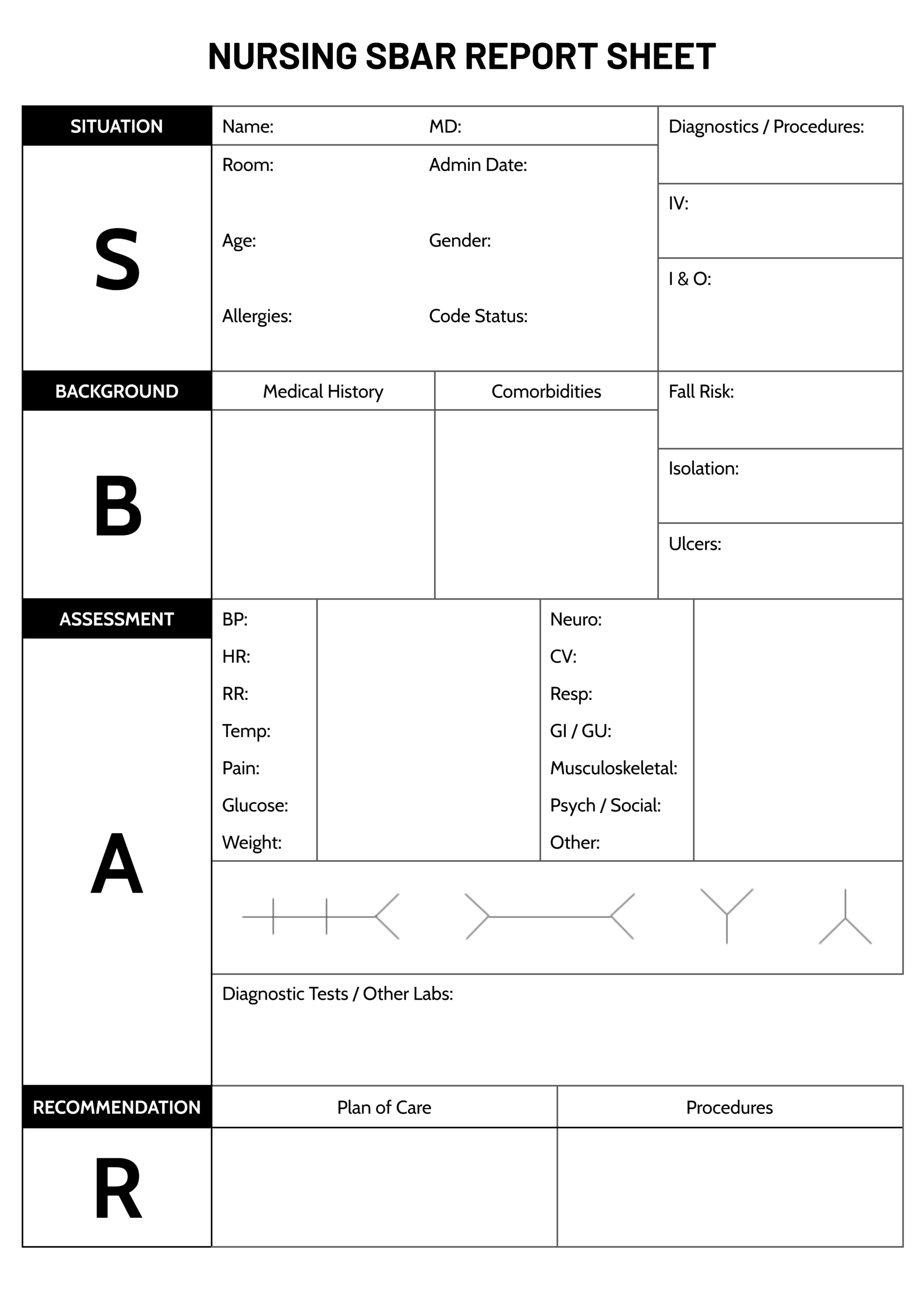
Nursing report sheet for efficient documentation.
For instance, in a classroom setting, you might assign a worksheet as a group activity, fostering collaboration and discussion. Alternatively, for homeschooling or tutoring, these worksheets can be a great way to provide focused, individual practice. Remember, the key is to provide a variety of challenges and ensure students have the opportunity to apply their knowledge in different contexts.
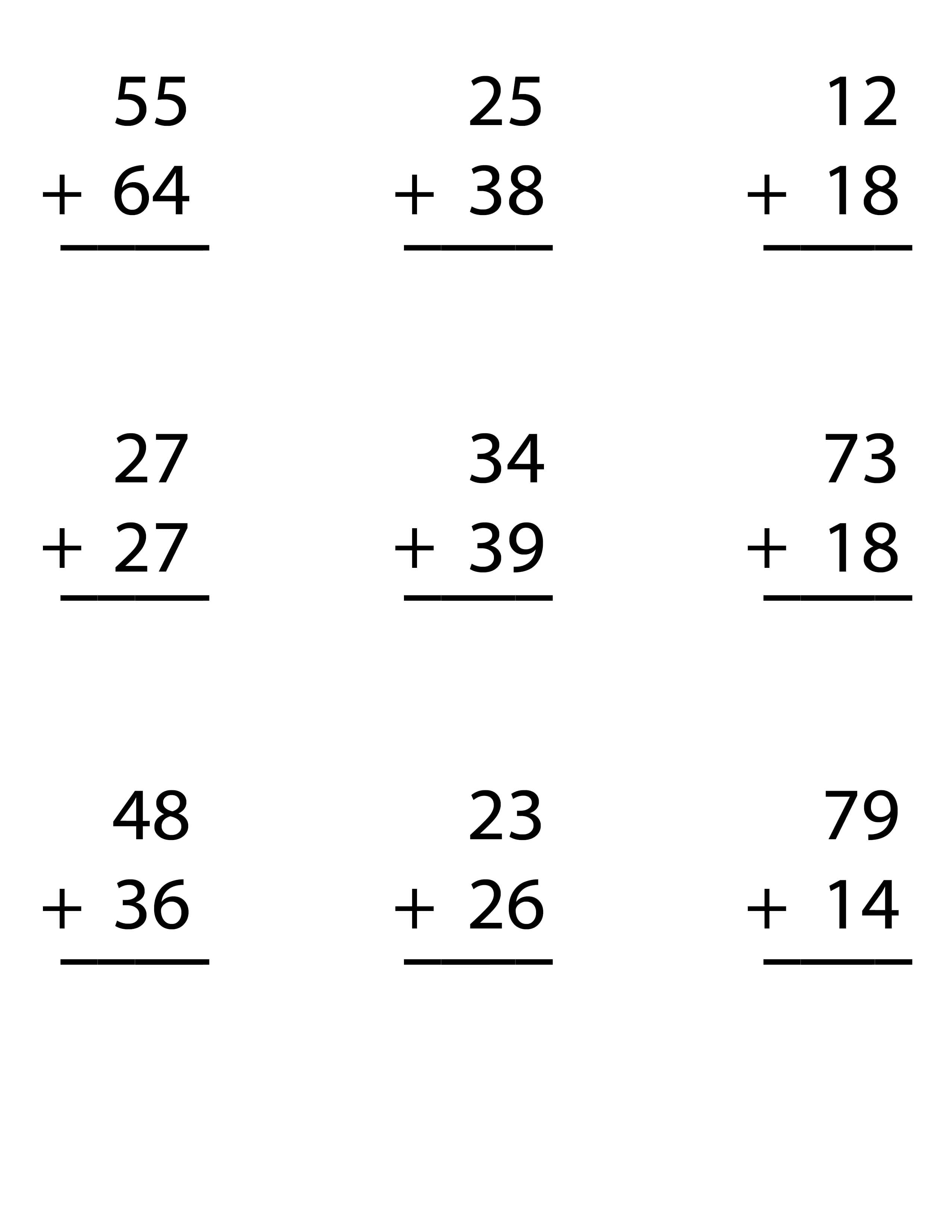
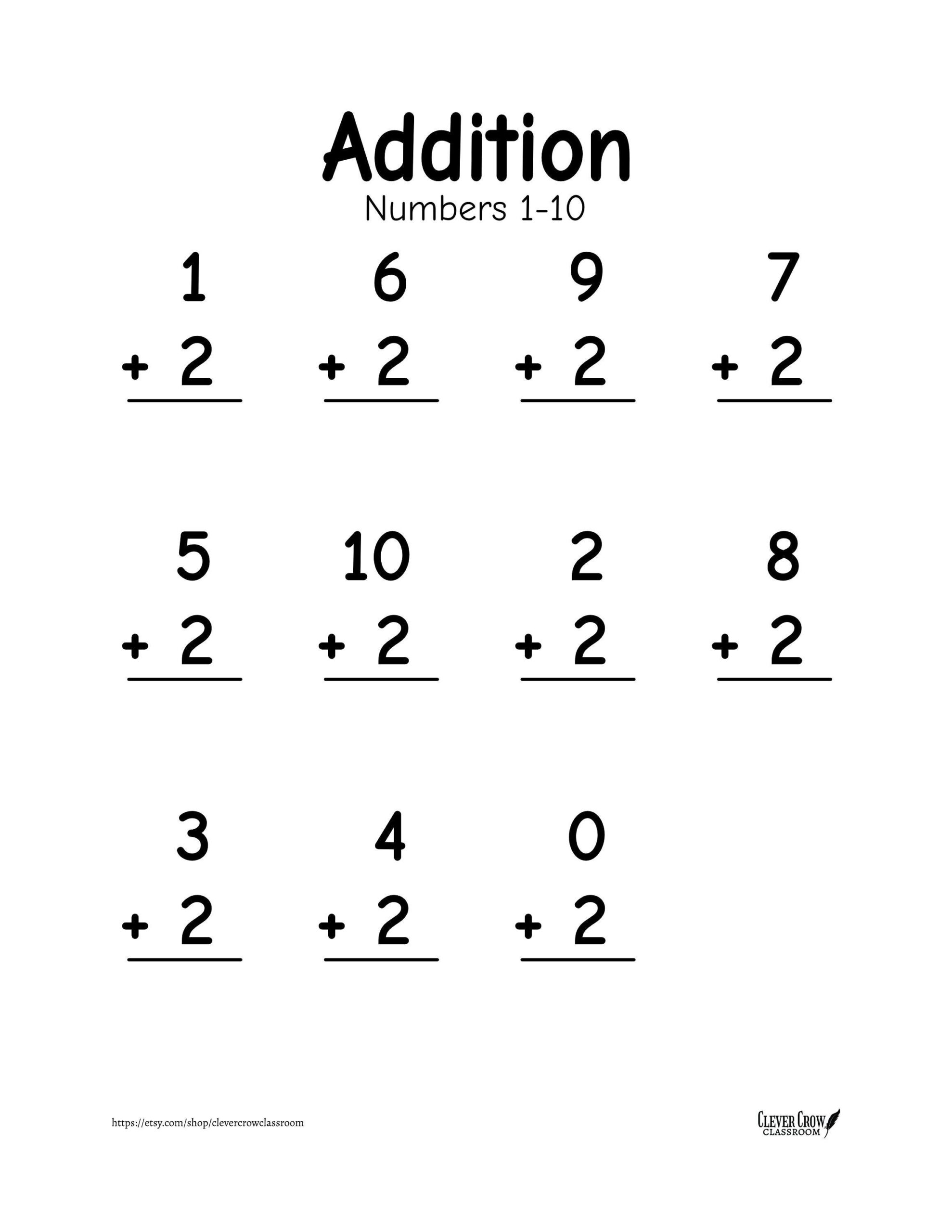
Addition practice for 1st graders with fun colors.
The Benefits: Enhancing Critical Thinking and Problem-Solving
One of the greatest advantages of these worksheets is their ability to enhance critical thinking and problem-solving skills. By requiring students to morph information and adapt it to new situations, they learn to think flexibly and creatively. This skill is not only valuable in academic settings but also in real-world scenarios, where the ability to change and reshape information is often essential.
Energy transformations and work conversion PPT.
Furthermore, these worksheets can be a great way to prepare students for more complex tasks. By starting with simpler conversions and gradually increasing the difficulty, students build their confidence and develop a strong foundation. This progressive approach ensures that learners are well-equipped to tackle more challenging concepts and applications.
Excel import: Word document to worksheet.
In conclusion, the "from one form to another worksheet" is a powerful tool that offers a unique and engaging way to practice and reinforce essential skills. With their versatility and adaptability, these worksheets can be a valuable addition to any educational setting, providing a practical and effective means of enhancing learning.
Yu-Gi-Oh! popularity: a fun topic for worksheets.
Daycare forms made simple and responsive.
Transferring skills: from one form to another.
So, there you have it! The "from one form to another worksheet" is a fantastic resource to have in your learning toolkit. It's an accessible way to challenge yourself and practice those crucial conversion skills.
Why not give it a go and see how you get on? These worksheets are a great way to keep your mind active and engaged, so feel free to explore and find the ones that suit your learning style. Leave a comment or share your experience below; we'd love to hear how these worksheets have helped you!