



Sight Words For Kindergarten Worksheet Template Overview
Figurative language can be a tricky concept to grasp, especially for younger learners. As a parent or teacher, you might find yourself seeking ways to make this topic more accessible and engaging. Figurative language worksheets offer a practical solution, providing a structured approach to help students explore and understand the various forms of figurative language. Just as we use 31 Open Closed Syllables Worksheets to break down words into manageable parts, these worksheets offer a similar strategy for mastering figurative language.
Explore figurative language with these worksheets.
Unveiling the Magic: Exploring Figurative Language
Figurative language is a captivating realm of expression, adding depth and creativity to our communication. Worksheets dedicated to this topic offer a structured path for learners to unravel the mysteries of similes, metaphors, and more. By providing focused practice, these resources empower students to grasp the nuances of figurative language, enhancing their writing and comprehension skills.
Fifth-grade worksheet: Figurative language study.
Beyond Basics: Advanced Figurative Language Worksheets
While introductory worksheets lay the foundation, advanced figurative language worksheets take learners on a journey into the intricate world of literary devices. These resources challenge students to identify and analyze complex metaphors, personifications, and hyperboles, fostering a deeper appreciation for the art of language.
Working with figurative language: A fun practice.
For instance, a worksheet might present a passage rich in figurative language, asking students to identify and explain the effect of each device. This not only sharpens their analytical skills but also encourages creative thinking as they explore the author's intent and the impact of these literary choices.
Classroom poster: Printable figurative language art.
People Also Ask: What's the Best Age for Figurative Language Worksheets?
The beauty of figurative language worksheets lies in their adaptability to various age groups. While simpler worksheets introduce basic concepts to younger learners, more intricate ones cater to the needs of older students, offering a progressive learning experience.
Middle school: Figurative language worksheets.
For instance, figurative language worksheets grade 5 often focus on similes and metaphors, helping students grasp the concept of comparison. In contrast, figurative language high school worksheets delve into more advanced techniques like personification and hyperbole, challenging students to create their own figurative language and understand its impact.
Quick checks: Test prep for figurative language.
How to Make the Most of Figurative Language Worksheets
When incorporating figurative language worksheets into your teaching or learning journey, a few practical considerations can enhance the experience. First, ensure the worksheets are age-appropriate, offering the right level of challenge without overwhelming students.
Reading comprehension: Figurative language focus.
Next, consider the learning environment. In a classroom setting, worksheets can be used for individual practice or group activities, fostering collaboration and discussion. For homeschooling or tutoring, these resources provide a structured yet flexible framework, allowing for personalized instruction and progress tracking.
Reading activities: Practice figurative language skills.
Lastly, don't underestimate the power of repetition. Worksheets can be used as a tool for consistent practice, reinforcing students' understanding of figurative language over time.
Printable test: Assess figurative language knowledge.
Creative Practice: Bringing Figurative Language to Life
Beyond the traditional worksheet format, there are creative ways to engage with figurative language. One fun activity is to create a "Figurative Language Scavenger Hunt," where students search for examples of similes, metaphors, and idioms in their reading materials or even everyday conversations.
Language worksheet: Figurative language exercises.
Additionally, worksheets can be used as a springboard for creative writing. After identifying and analyzing figurative language, students can craft their own poems, stories, or even advertisements, incorporating these literary devices to make their writing more engaging and memorable.
Ereading: Fun activities with figurative language.
By combining structured practice with creative exploration, figurative language worksheets become a powerful tool for fostering a love of language and literature.
Reading activities: Identify figurative language.
Figurative language is an exciting playground for wordsmiths and learners alike. It's a chance to experiment, to find new ways to express ourselves, and to add a touch of magic to our writing.
So, why not give it a go? Print out a worksheet, gather your pens, and let your imagination run wild. It's a fun way to explore and practice, and who knows, you might just discover a new favorite figure of speech! Leave a comment or share your experience below; we'd love to hear how your figurative language journey unfolds.
Reading activities: Uncover figurative language.
Read also: 20 Writing Sentences Worksheets for Kids
Related: 31 Fun Math Worksheets for Kindergarten
As a parent, I'm always on the lookout for fun and engaging ways to help my little ones learn. Math worksheets for kindergarten can be a lifesaver, offering a structured yet playful approach to practicing math skills. With so many options available, like 23 Preschool Math Worksheets to Try, it's easy to find the perfect fit for your child's needs, whether it's subtraction or something else.
Printable math activities for kindergarten.
Counting and Number Recognition: A Fun Foundation
Math worksheets for kindergarten are an excellent tool to introduce young learners to the world of numbers and counting. These worksheets provide a structured framework for children to practice recognizing numbers, counting objects, and understanding basic mathematical concepts. With a focus on engaging activities, math worksheet for kindergarten helps lay a solid foundation for future math skills.
Free preschool math sheets for download.
Exploring Simple Addition and Subtraction
While counting and number recognition are essential, math worksheets for kindergarten also offer opportunities to delve into simple addition and subtraction. These worksheets often present equations visually, using pictures or objects to represent numbers. For instance, a worksheet might show a group of five apples and ask the child to count and write the number. Then, it could introduce a simple addition problem, like "If we add two more apples, how many do we have now?" This approach makes math fun and accessible, helping children grasp these fundamental operations.
Kindergarten math exercises in PDF.
How Do Math Worksheets for Kindergarten Help with Learning?
A common question about math worksheets for kindergarten is how they contribute to a child's learning journey. These worksheets are designed to reinforce basic math concepts in a structured yet playful manner. They provide a consistent practice routine, which is crucial for young learners to grasp new skills. By repeatedly encountering counting, number recognition, and simple equations, children build a strong mathematical foundation. Additionally, math worksheets for kindergarten often incorporate fun themes and colorful illustrations, making learning an enjoyable experience.
Educational math printables for kids.
Getting Started: Choosing and Using Math Worksheets for Kindergarten
When it comes to using math worksheets for kindergarten, there are a few practical considerations. First, choose worksheets that align with your child's age and skill level. You can find a wide range of free printable resources online, like free math worksheets or free printable kindergarten math activities. Select worksheets with clear instructions and visually appealing designs to capture your child's interest.
Counting practice for spring kindergarteners.
Printing and using the worksheets is straightforward. You can print them at home or in a classroom setting. Encourage your child to complete the worksheets independently, providing guidance and support as needed. It's essential to create a positive and relaxed learning environment. Remember, these worksheets are a tool to enhance learning, so adapt them to your child's pace and interests.
Fun math activities for kids.
Building Confidence with Math Games and Activities
One of the key benefits of math worksheets for kindergarten is their ability to boost a child's confidence in math. As children progress through the worksheets, they gain a sense of achievement and pride in their growing math skills. To further enhance this confidence, consider incorporating math games and activities into your routine. For example, after completing a worksheet on counting, you can play a simple game where your child has to identify and count objects around the house. This reinforces the concepts learned and makes math an enjoyable part of their daily life.
Subtraction practice with counting.
Additionally, math worksheets for kindergarten can be a valuable resource for homeschooling or tutoring sessions. They provide a structured framework for teachers or tutors to guide students through basic math concepts. By incorporating these worksheets into a well-rounded curriculum, educators can ensure a solid mathematical foundation for their students.
Addition exercises for kindergarten.
As your child advances, you can introduce more complex worksheets, gradually increasing the difficulty level. This progressive approach ensures that children are challenged but not overwhelmed, fostering a love for math and a desire to learn more. With consistent practice and a variety of engaging resources, math worksheets for kindergarten can be a powerful tool to empower young learners and set them on a path of mathematical success.
Summer addition practice for kids.
Easy addition problems for beginners.
Fun printable math for kindergarten.
Spring math: addition and subtraction.
Math worksheets are a fantastic way to spark curiosity and build a strong foundation for little mathematicians. By engaging with these resources, kids can develop essential skills while having fun. So, why not give it a go? Print out a worksheet, gather some colorful pencils, and watch as your child's confidence grows with each number they master.
We'd love to hear about your adventures in math education! Leave a comment and share your experiences; let's create a community of support and encouragement for all those navigating the exciting world of early learning.
Math practice sheets for young learners.
Read also: 18 Kindergarten Writing Practice Worksheets
Related: 26 Social Studies Worksheets for Classroom Fun
Sometimes, finding the right resources for learning can be a bit of a challenge, especially when it comes to social studies worksheets. Whether you're a teacher, a homeschooling parent, or a student, having access to varied and engaging materials is key. I've often found that social studies worksheets free can be a lifesaver, offering a quick and easy way to reinforce learning and practice specific skills.
Classroom pin for social studies.
Unlocking History: A Journey Through Time
Social studies worksheets are an invaluable tool for educators and learners alike, offering a structured and engaging way to explore the vast landscape of history. These worksheets provide a unique opportunity to delve into key facts, events, and figures, fostering a deeper understanding of the past and its impact on the present.
First-grade math practice.
Navigating Political Systems and Cultural Studies
While history often takes center stage, social studies worksheets also shine a light on the intricate world of political systems and cultural studies. Through carefully designed activities, students can navigate the complexities of governance, society, and the diverse traditions that shape our world.
Third-grade math worksheets.
How Can Social Studies Worksheets Enhance Learning?
A common question that arises is: How do these worksheets contribute to the learning process? Well, they offer a structured approach to acquiring knowledge, allowing students to grasp concepts step by step. Whether it's understanding the causes of a historical event or analyzing the impact of a political decision, worksheets provide a guided path to knowledge acquisition.
Math problems for third graders.
Getting Started: Choosing and Using Social Studies Worksheets
So, how can educators and parents make the most of these resources? The first step is to choose worksheets that align with the learner's age, grade level, and specific areas of interest or study. For instance, social studies worksheets free options are widely available online, offering a convenient and cost-effective way to access a variety of topics. Once selected, the worksheets can be printed or displayed digitally, depending on the learning environment and preferences.
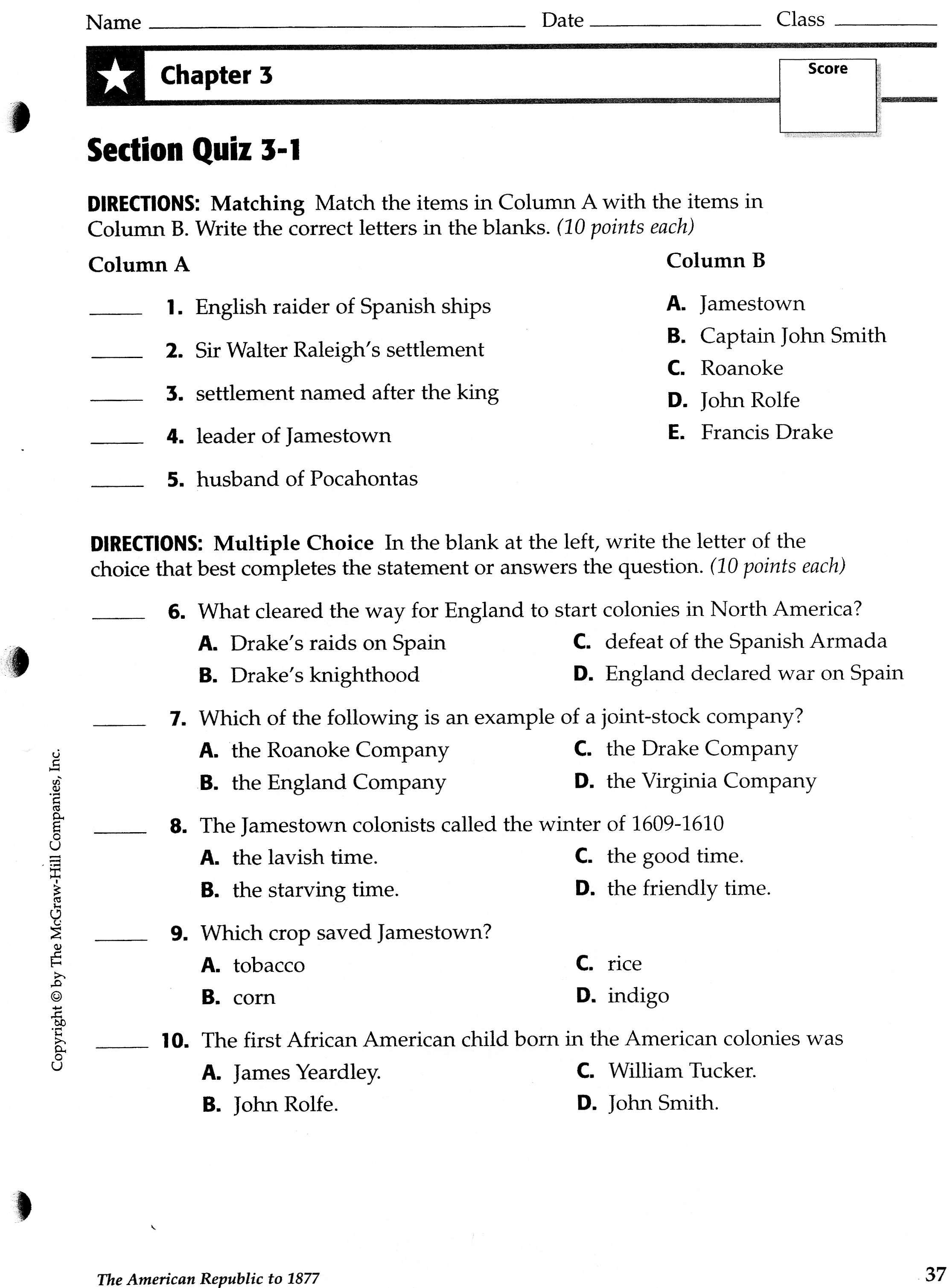
Free U.S. history worksheets.
From Simple to Complex: Progressive Learning with Worksheets
One of the key advantages of social studies worksheets is their ability to cater to different skill levels. Beginners can start with simple activities, gradually progressing to more complex tasks as their understanding deepens. This progressive approach ensures that learners build a solid foundation before tackling more challenging concepts. For example, a student might begin with a basic timeline activity, gradually moving on to analyzing primary sources and forming their own historical interpretations.
United States social studies.
In a classroom setting, teachers can utilize worksheets to reinforce lessons, provide additional practice, or even as a tool for assessment. Homeschooling parents, too, can benefit from the structured approach, ensuring their children cover a wide range of topics while developing essential skills. Tutors can also leverage worksheets to tailor learning experiences to individual needs, addressing specific gaps or reinforcing strengths.
Free math worksheets for 4th grade.
Fostering Global Awareness: A Collaborative Journey
Social studies worksheets aren't just about individual learning; they can also foster a sense of community and global awareness. Group activities, such as collaborative map skills exercises or discussions on famous people and their impact, encourage students to share perspectives and learn from one another.
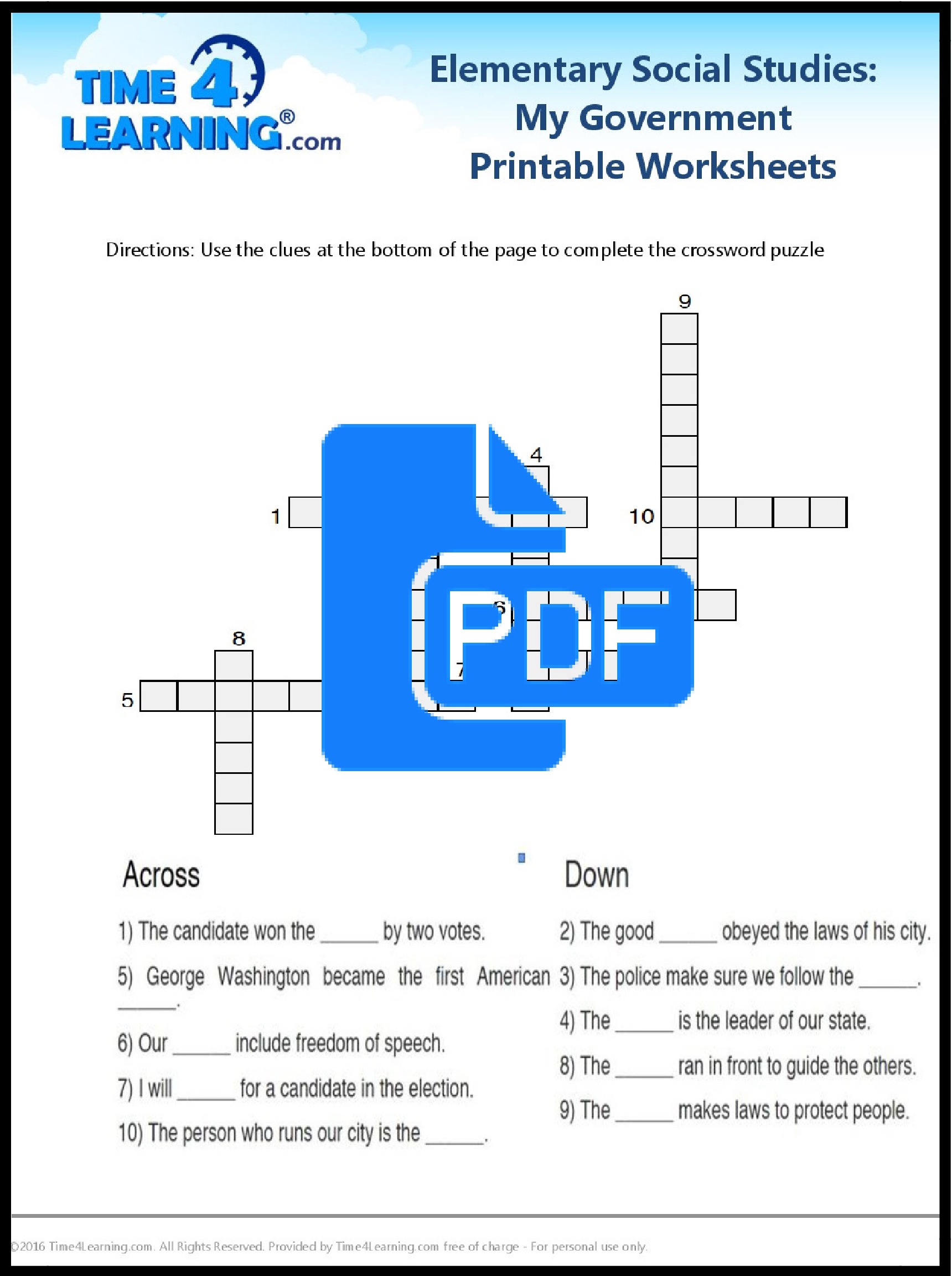
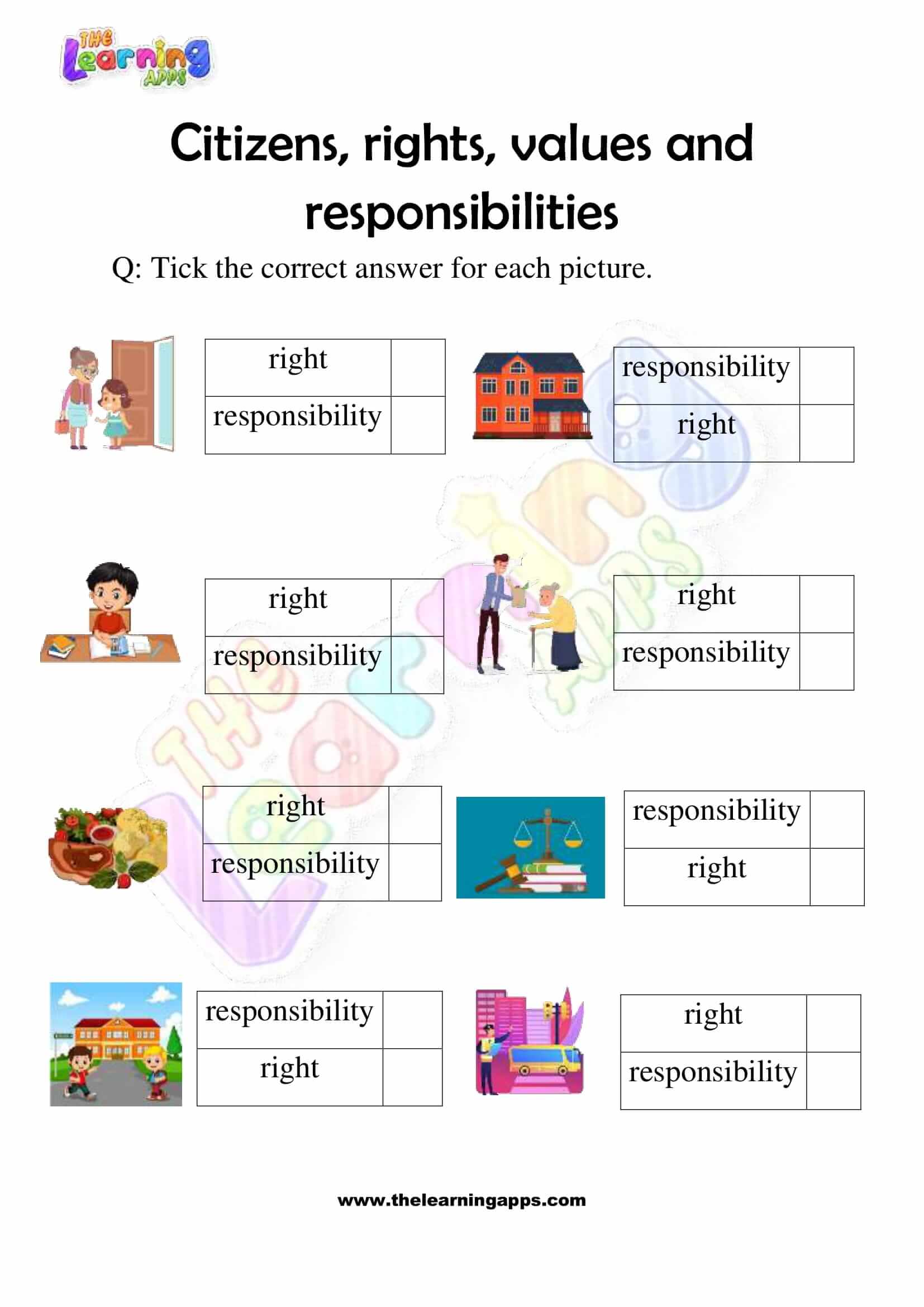
Social studies worksheets.
By engaging in these collaborative practices, learners develop not only a deeper understanding of the material but also essential social and communication skills. This approach mirrors the real-world application of social studies, where collaboration and diverse perspectives are key to addressing complex global issues.
Free printable social studies.
In conclusion, social studies worksheets offer a versatile and engaging way to explore history, political systems, and cultural studies. Whether used in a classroom, homeschool, or tutoring setting, these resources provide a structured path to learning, catering to different skill levels and fostering a deeper appreciation for the past and its relevance today. So, embrace the power of worksheets and unlock a world of knowledge!
Grade 3 BC social studies.
Christmas social studies activity.
Homeschool geography ideas.
Well, there you have it! Social studies worksheets are an awesome way to bring history to life and make learning an adventure. They offer a fun and interactive approach, allowing us to connect with the past and appreciate its significance.
So, why not give these worksheets a go? Print them out, gather your friends or family, and make learning a social event. It's a great way to engage with history and have some educational fun. Leave a comment or share your experience below; we'd love to hear how these worksheets have helped spark your curiosity and brought history closer to home!