


Sight Words For Kindergarten Worksheet 2026 Overview
As a parent, I've found that having the right resources can make all the difference when it comes to helping kids with their math. And one resource that has been a real lifesaver for us is the combining like terms worksheet. It's a simple yet effective tool that has helped my child grasp this concept, especially when we're short on time and need a focused practice session. We've even used combining like terms worksheets from Kuta as a fun, extra challenge.
Free combining like terms practice sheets.
Combining Like Terms: A Key Algebra Skill
One of the foundational concepts in algebra is combining like terms, a skill that forms the basis for more complex mathematical operations. This process involves grouping and simplifying variables with identical coefficients, making it easier to work with algebraic expressions and solve equations.
Elementary students' worksheet on combining terms.
Beyond Basic Worksheets: Advanced Practice Scenarios
While combining like terms worksheets are a great starting point, they can also be adapted for more challenging practice. For instance, some worksheets may introduce variables with different powers, such as $x^2$ and $x^3$, requiring students to not only identify identical variables but also combine them appropriately.
Combining like terms worksheets with answers.
Other advanced worksheets might present equations with multiple terms, where students need to identify and combine like terms to solve the equation. These scenarios encourage students to apply their understanding of combining like terms in a more practical, problem-solving context.
E-learning worksheet on combining like terms.
How Do Students Benefit from Combining Like Terms Worksheets?
Combining like terms worksheets offer a structured way for students to practice this essential algebra skill. By working through these worksheets, students can:
Identifying like terms: algebra practice.
- Develop a deeper understanding of algebraic expressions and how to manipulate them.
- Improve their ability to identify and group identical variables, a crucial step in simplifying complex expressions.
- Practice solving equations by combining like terms, a key strategy in algebra.
Pre-algebra: free combining like terms sheet.
These worksheets can be particularly beneficial for students who struggle with algebra, providing a focused practice environment to build their confidence and proficiency.
Examples of combining like terms in math.
Using Worksheets Effectively: Tips for Parents and Teachers
When using combining like terms worksheets, it's important to consider the learner's needs and the worksheet's purpose. Here are some tips for parents and teachers:
Collecting like terms: KS3 algebra practice.
- Start with simpler worksheets, gradually introducing more complex scenarios as the learner gains confidence.
- Encourage students to identify and group like terms before attempting to simplify expressions. This step-by-step approach can make the process more manageable.
- Provide opportunities for students to check their work by matching their answers with provided solutions. This helps reinforce their understanding and identifies any areas for improvement.
Combining like terms: extra practice sheet.
For parents, combining like terms worksheets can be a valuable tool for homeschooling or providing additional practice at home. Teachers can incorporate these worksheets into classroom lessons, using them as a starting point for group discussions or individual practice.
Printable combining like terms activity.
A Progressive Learning Journey: From Simple to Complex
Combining like terms worksheets can be designed to cater to a range of learner levels, from beginners to more advanced students. For instance, a simple combining like terms worksheet might focus on identifying and grouping variables with the same coefficient, such as $3x$ and $5x$.
Combining like terms: PDF worksheet.
As students progress, worksheets can introduce more challenging scenarios, such as combining variables with different powers or working with equations that require multiple steps to solve. This progressive approach ensures that learners can build their skills gradually, moving from simple practice to more complex problem-solving.
Equations and combining like terms worksheet.
Simple Subject Predicate Worksheet for Beginners
By incorporating combining like terms worksheets into their learning journey, students can develop a strong foundation in algebra, a skill that will serve them well in more advanced mathematical concepts.
Combining like terms is a powerful tool, and with practice, it becomes second nature. So, don't be shy! Grab a worksheet, sharpen your pencil, and dive into this algebraic adventure. Remember, the more you practice, the easier it gets. Give it a go, and don't forget to leave a comment or share your thoughts on your progress. We'd love to hear how you're mastering this essential skill!
Printable exercise on combining like terms.
Read also: 17 Sight Word Worksheets for Kindergarten Practice
Related: 30 Get to Know You Worksheets for Teachers
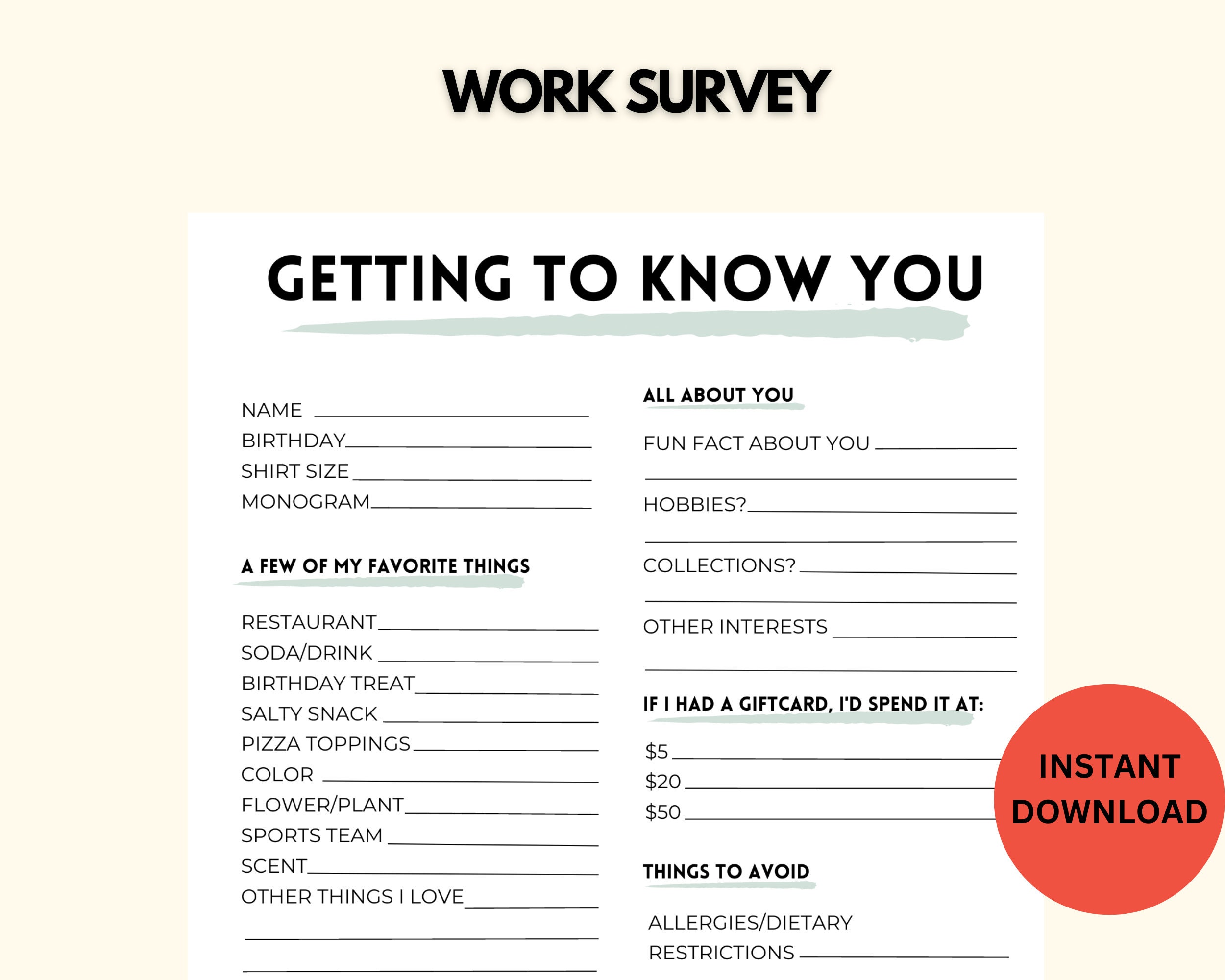
Sometimes, finding the right resources to help our kids or students practice a skill can be a challenge. It's easy to get overwhelmed, especially when you're short on time and need something quick and effective. That's where a get to know you worksheet can come in handy. These worksheets offer a simple, yet powerful tool to engage learners and help them grasp new concepts. For instance, if you're working on phonics, you might want to check out get to know you worksheets free printable like our Long a Worksheets 15 Long a Worksheets for Easy Practice for a fun and focused practice session.
Bingo game for ice-breaking.
Icebreakers and Introductions: Unlocking Connections with "Get to Know You" Worksheets
When it comes to fostering an engaging and inclusive learning environment, icebreaker questions are a powerful tool. They serve as a gateway to understanding our students' unique personalities, interests, and life experiences. By incorporating "get to know you" worksheets into our teaching toolkit, we can create a safe and welcoming space where students feel valued and connected. These worksheets go beyond simple introductions; they are a fun and interactive way to encourage self-expression, build confidence, and promote a sense of community. Whether you're a teacher, tutor, or parent, these worksheets offer a versatile resource to enhance the learning experience and foster meaningful connections.
Adolescent self-introduction activity.
Beyond Basics: Exploring Advanced Topics and Personal Growth
While icebreaker questions are an excellent starting point, "get to know you" worksheets can delve deeper into various topics and facilitate personal growth. These worksheets can explore a range of subjects, from personal goals and aspirations to strengths and weaknesses, and even learning preferences. By providing a structured yet flexible framework, these worksheets allow students to reflect on their own experiences, thoughts, and emotions. This self-discovery process not only enhances self-awareness but also empowers students to take ownership of their learning journey. For instance, a worksheet focused on goal setting can guide students in identifying their short-term and long-term aspirations, helping them develop a sense of purpose and direction.
Cards for employee orientation.
People Also Ask: What Makes "Get to Know You" Worksheets Effective?
A common curiosity surrounding "get to know you" worksheets is their effectiveness in creating a positive and engaging learning environment. These worksheets are designed to be interactive and thought-provoking, encouraging students to actively participate and share their unique perspectives. By presenting questions or prompts that resonate with students' interests and experiences, these worksheets spark meaningful conversations and foster a sense of community. Additionally, the structured format of these worksheets provides a safe and non-intimidating space for students to express themselves, especially for those who may be shy or hesitant to speak up in larger groups. The effectiveness of these worksheets lies in their ability to build trust, encourage collaboration, and create a supportive learning atmosphere.
Form for new hires.
How to Use "Get to Know You" Worksheets: A Practical Guide
Implementing "get to know you" worksheets in your classroom or learning environment is a straightforward process. Here's a step-by-step guide:
Adult-friendly personal introduction.
- Select the Right Worksheet: Choose a worksheet that aligns with your teaching goals and the age or grade level of your students. Consider the topics you want to explore, such as hobbies, interests, or life experiences. You can find a wide range of free printable worksheets online, including get to know you worksheet pdf options.
Adolescent self-introduction activity.
- Prepare and Print: Download and print the selected worksheet in sufficient quantities for your class or group. Ensure that the print quality is clear and legible. If you prefer a digital approach, you can also share the worksheet via email or a learning management system, allowing students to complete it electronically.
Blank template for introductions.
- Set the Tone: Before distributing the worksheets, create a relaxed and welcoming atmosphere. Explain the purpose of the activity and emphasize that it is a safe space for self-expression. Encourage students to take their time and provide honest responses.
Adult-friendly personal introduction.
- Facilitate Discussion: Once students have completed the worksheets, allocate time for sharing and discussion. This can be done in pairs, small groups, or as a whole class. Encourage students to share their responses and insights, fostering a sense of community and understanding.
All about me back-to-school.
- Extend the Learning: Consider building upon the worksheet activity by incorporating it into future lessons or projects. For example, if students shared their hobbies or interests, you can design activities or assignments that align with their passions, making learning more personalized and engaging.
Free printable ice-breaker.
Nurturing a Supportive Learning Community: The Power of Shared Experiences
One of the most significant benefits of "get to know you" worksheets is their ability to nurture a supportive learning community. By sharing personal details, fun facts, and life experiences, students develop a deeper understanding and appreciation for their peers. This sense of community extends beyond the classroom, creating a network of support and collaboration. When students feel seen, heard, and valued, they are more likely to engage actively in their learning journey. Furthermore, these worksheets can be a powerful tool for teachers and parents to gain insights into their students' or children's personalities, strengths, and areas for growth. This knowledge allows for more personalized teaching approaches and tailored support, ensuring that every learner receives the attention and guidance they need to thrive.
Adult introduction PDF.
As an example, let's explore a scenario where a teacher uses a "get to know you" worksheet focused on fun facts and hobbies and interests. After completing the worksheet, students share their responses with the class, revealing a diverse range of talents, passions, and unique experiences. This activity not only breaks the ice but also highlights the richness and diversity of the classroom community. By embracing and celebrating these differences, students learn to appreciate and respect one another, fostering a positive and inclusive learning environment.
Printable personal details sheet.
In conclusion, "get to know you" worksheets are a versatile and powerful tool for educators and parents alike. By incorporating these worksheets into their teaching toolkit, they can create a safe and engaging learning environment, promote self-expression, and nurture a supportive community. Whether it's exploring icebreaker questions, delving into advanced topics, or fostering personal growth, these worksheets offer a flexible and interactive approach to enhance the learning experience. So, why not give it a try and unlock the potential of your classroom or learning group? 29 Reading Worksheets for 4th Graders provides a great starting point for further exploration and inspiration.
Icebreakers are a fun way to create a safe and welcoming space, and with these worksheets, you've got an awesome tool to really connect with your students on a deeper level. It's an opportunity to learn about their passions and create a supportive community from day one.
So, why not give it a go? Print out a few worksheets, try them out, and see the magic unfold. I'd love to hear how it goes for you, so leave a comment below and share your experiences with the community!
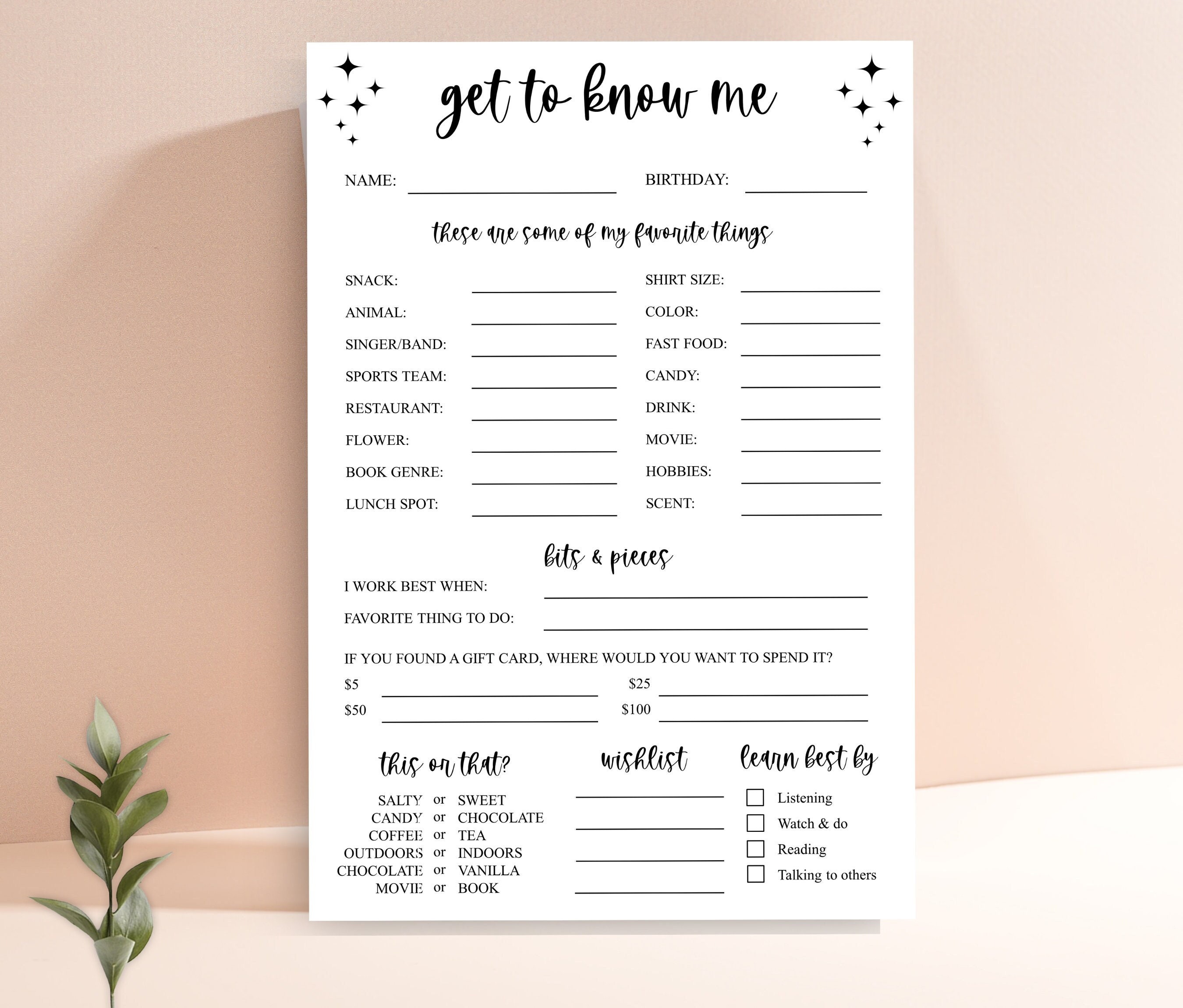
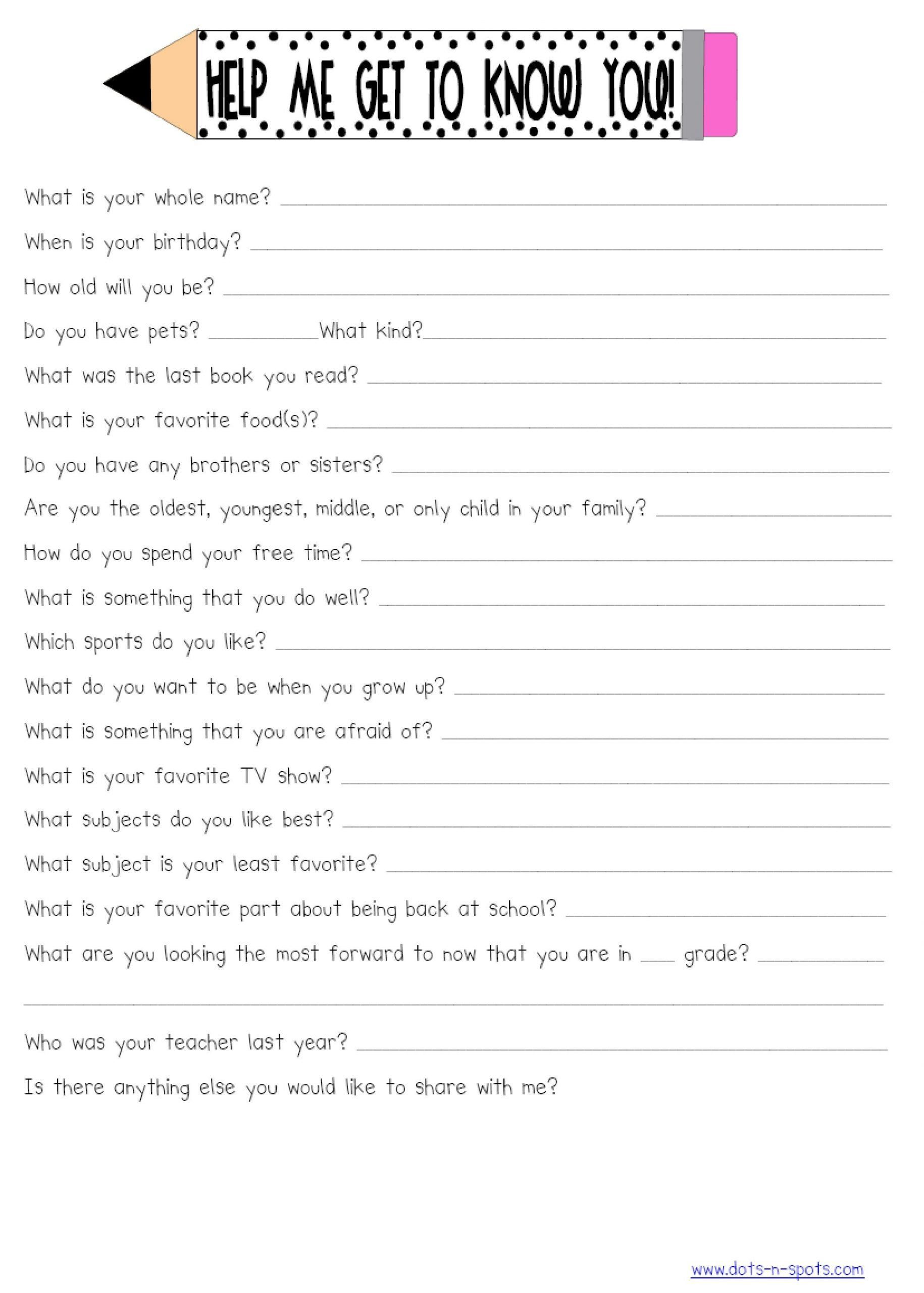
A fun page to get acquainted.
Related: 29 Alphabet Practice Worksheets for Kids
Sometimes, finding the right resources for learning can be a challenge, especially when it comes to something as fundamental as the alphabet. Alphabet practice worksheets are a brilliant, simple tool that can make a big difference for kids and parents alike. These free printable sheets offer an easy way to practice and reinforce those all-important letters, and they're a great starting point for any parent or teacher looking to support a child's early literacy skills. Check out free printable alphabet exercises PDF for a range of fun and educational options, and don't forget to explore 30 Skip Counting Worksheets for Easy Practice too!
Practice your cursive handwriting.
Alphabet Mastery: A Foundation for Reading and Writing
Alphabet practice worksheets are an incredibly versatile and powerful tool for early literacy development. These simple yet effective resources offer a structured way to introduce and reinforce the building blocks of language, helping young learners master the alphabet and set a strong foundation for future reading and writing skills.
Cursive practice for all.
Beyond Letter Recognition: Tracing, Matching, and More
While recognizing letters is a crucial first step, alphabet practice worksheets take learning further by offering a range of activities to enhance various skills. Letter tracing fun worksheets, for example, guide children in forming letters correctly, improving their fine motor skills and handwriting. Other worksheets focus on identifying uppercase and lowercase matches, a crucial skill for reading fluency.
Alphabet writing, PDF style.
For a more engaging challenge, find the missing letter worksheets test a child's knowledge of the alphabet sequence and letter recognition. These worksheets can be easily adapted to different learning levels, from beginners who are just starting to recognize letters to more advanced learners who are ready for more complex tasks.
Trace and learn, A to Z.
How Do Alphabet Practice Worksheets Benefit Learners?
Alphabet practice worksheets offer a fun and interactive way for children to learn and reinforce their knowledge of the alphabet. But what specific benefits do they provide?
Lowercase alphabet practice.
Firstly, these worksheets help children develop a strong foundation in letter recognition, which is essential for reading and writing. By practicing with these resources, children can quickly learn to identify and differentiate between letters, a skill that forms the basis of literacy.
Uppercase cursive letters worksheet.
Additionally, alphabet practice worksheets often incorporate fun with phonics, helping children associate letters with their corresponding sounds. This phonemic awareness is crucial for reading fluency and comprehension. By connecting letters to their sounds, children can begin to understand the relationship between written and spoken language, a key step in becoming proficient readers and writers.
Kids' alphabet handwriting practice.
How Can Parents and Teachers Use Alphabet Practice Worksheets?
Parents and teachers play a vital role in guiding children through alphabet practice worksheets. Here are some practical tips on how to incorporate these resources into learning:
Printing practice for ESL students.
- Choose the Right Worksheets: Select worksheets that match the child's current learning level and interests. For beginners, start with simple letter recognition and tracing worksheets. As they progress, introduce more complex activities like word formation games or alphabet coloring pages.
Grade 1 tracing worksheets.
- Create a Structured Routine: Consistency is key. Set aside dedicated time each day or week for alphabet practice. This routine helps children internalize the skills they're learning and makes practice a normal and expected part of their learning journey.
Cursive writing, printable practice.
- Make it Fun: Learning should be enjoyable! Incorporate games and rewards to keep children engaged. For example, after completing a worksheet, let them color a favorite character or earn a small prize. This positive reinforcement can motivate children to continue practicing and make learning a fun experience.
Cursive chart and practice sheets.
- Adapt for Different Learning Styles: Every child learns differently. Some may prefer visual aids, while others may respond better to hands-on activities. Offer a variety of worksheet types to cater to different learning styles and keep the experience fresh and engaging.
Free printable cursive sheets.
Progressive Learning: From Simple to Challenging
Alphabet practice worksheets offer a progressive learning journey, allowing children to build on their skills and gradually take on more challenging tasks.
For beginners, simple letter recognition and tracing worksheets are a great starting point. As children become more familiar with the alphabet, they can move on to more complex activities like lowercase and uppercase matching, which requires them to apply their knowledge in a new way.
Advanced learners can benefit from worksheets that focus on phonics and word formation, helping them make the connection between letters and their sounds, and ultimately leading to reading and writing proficiency.
The beauty of alphabet practice worksheets is their adaptability. Whether in a classroom, homeschooling environment, or as a supplement to tutoring, these resources can be tailored to meet the needs of individual learners, ensuring a personalized and effective learning experience.
25 Reducing Fractions Worksheets for Practice can be a great next step for learners who have mastered the alphabet and are ready to tackle more complex mathematical concepts.
Alphabet practice worksheets are an invaluable resource for early literacy, offering a fun and effective way to build a strong foundation for reading and writing. With their versatility and adaptability, these worksheets are a must-have tool for parents, teachers, and anyone supporting a child's learning journey.
Alphabet practice worksheets are a fun and engaging way to ensure your child's literacy journey is off to a flying start. With these resources, you can empower your little ones to take control of their learning and build a strong foundation for their future reading and writing adventures.
So, why not give it a go? Print out a few worksheets, gather some colorful pens or pencils, and make learning the alphabet an enjoyable experience. We'd love to hear how it goes, so feel free to share your stories and experiences below!