

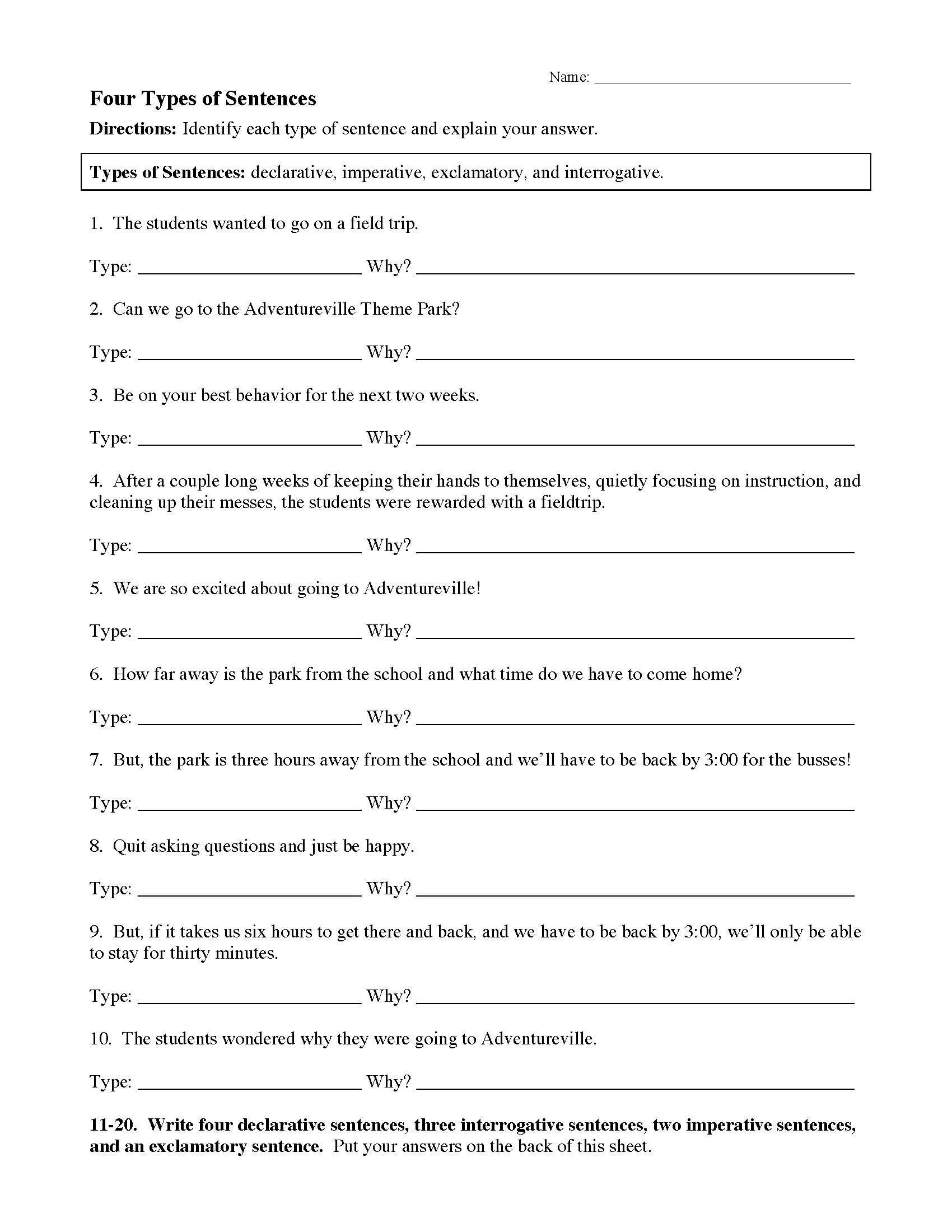


Place Value Worksheets Grade 4 Answer Key Overview
As a parent, I know the struggle of finding engaging resources to help my kids learn. Alphabet letter recognition worksheets can be a lifesaver for parents and teachers alike. These simple yet effective tools offer a practical way to reinforce letter identification skills, and they're so versatile! From identifying letters worksheet activities to fun printables, there's something for every learner. Check out 22 Free Second Grade Worksheets for Practice for some great options!
Preschool alphabet recognition activities.
Alphabet Letter Recognition: The Foundation of Literacy
Alphabet letter recognition worksheets are an essential tool for early literacy development. These worksheets provide a structured and engaging way for young learners to practice identifying and recognizing letters, a crucial skill that forms the basis of reading and writing. By offering a variety of activities, these worksheets cater to different learning styles and help build a strong foundation for future academic success.
Free printable letter recognition.
Beyond Letter Identification: Tracing, Matching, and More
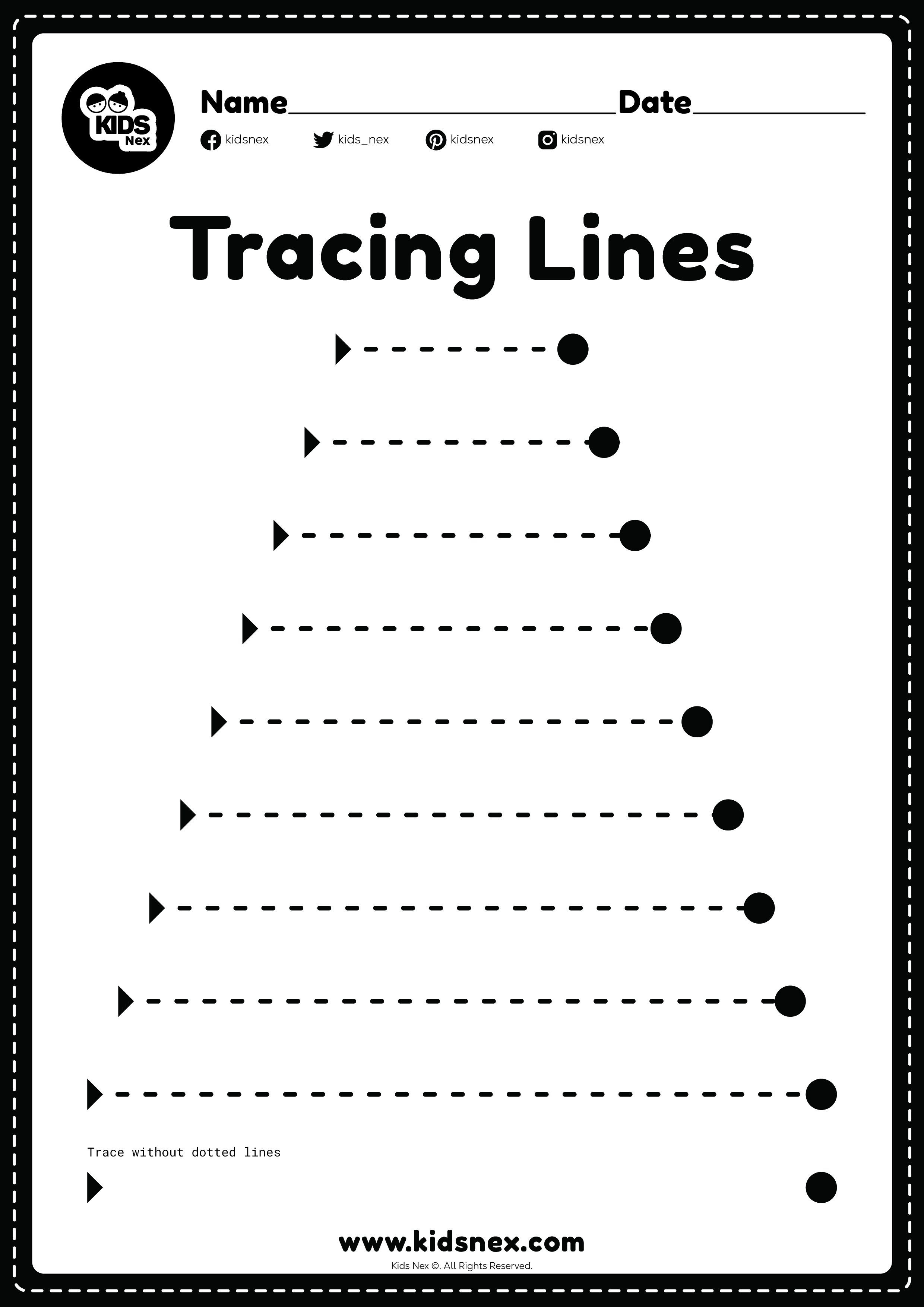
While identifying letters is a fundamental skill, alphabet letter recognition worksheets offer a range of activities to reinforce and build upon this knowledge. Tracing worksheets, for instance, allow learners to practice letter formation and improve their fine motor skills. Matching activities encourage critical thinking as children associate letters with corresponding pictures or words. Some worksheets even incorporate coloring elements, making learning fun and creative.
Letter A recognition practice.
These diverse activities cater to different learning preferences and abilities, ensuring that every child can engage with and benefit from the learning process. Whether it's tracing letters, matching them to pictures, or coloring in specific areas, these worksheets provide a holistic approach to letter recognition.
A-Z letter find worksheets.
How Do These Worksheets Benefit My Child's Learning?
A common question among parents and educators is: what exactly do alphabet letter recognition worksheets achieve? These worksheets serve as a practical tool to enhance letter recognition skills, which are vital for early literacy development. By providing a structured and engaging learning environment, these worksheets help children:
PDF alphabet recognition worksheets.
- Develop visual discrimination skills, learning to distinguish between similar-looking letters.
- Improve letter-sound correspondence, a key step towards phonemic awareness.
- Build a solid foundation for reading and writing, as letter recognition is the first step towards literacy.
Alphabet recognition worksheets for kids.
By offering a variety of activities, these worksheets cater to different learning styles and ensure that every child has the opportunity to excel. Whether they're visual learners, kinesthetic learners, or a mix of both, alphabet letter recognition worksheets provide a personalized learning experience.
ABC letter recognition exercise.
How Can I Effectively Use and Print These Worksheets?
When it comes to utilizing alphabet letter recognition worksheets, there are a few practical considerations to keep in mind. Firstly, ensure that you have a printer capable of producing high-quality prints. This is especially important for worksheets with intricate designs or those that require precise coloring. Additionally, consider using thicker paper to prevent ink bleed-through, especially if you plan to reuse the worksheets or if your child tends to press hard while writing or coloring.
Free printable alphabet worksheets.
In terms of printing, it's often beneficial to print multiple copies of each worksheet. This allows your child to practice the same activity multiple times, reinforcing their learning and providing an opportunity for improvement. You can also consider laminating the worksheets to make them more durable, especially if you plan to use them with multiple children or over an extended period.
Search and write alphabet fun.
Finally, create a dedicated workspace for your child. A quiet, well-lit area with all the necessary supplies (pencils, erasers, crayons, etc.) readily available can help maintain focus and make learning a more enjoyable experience.
Teacher-created alphabet letter printables.
From Simple to Complex: Progressive Learning with Worksheets
Alphabet letter recognition worksheets offer a progressive learning journey, starting with simple activities and gradually introducing more challenging tasks. For beginners, worksheets often focus on basic letter identification, helping children recognize and name each letter. As learners advance, worksheets may introduce letter sounds, encouraging children to associate letters with their corresponding phonemes.
Made by teachers: alphabet recognition.
Advanced worksheets can include activities like finding letters in a word or sentence, matching uppercase and lowercase letters, or even identifying letters in a complex text. This progressive approach ensures that learners build on their existing knowledge, gradually developing a deeper understanding of letters and their roles in reading and writing.
Alphabet letter recognition for homeschoolers.
By offering a range of activities and gradually increasing the difficulty level, alphabet letter recognition worksheets provide a structured and effective learning path. Whether used in a classroom, homeschool, or as a supplementary learning tool, these worksheets offer a flexible and adaptable approach to early literacy development.
Well, there you have it! Alphabet letter recognition worksheets are a fun and effective way to get your little ones excited about learning. It's an essential step towards literacy, and with these worksheets, you can make it an enjoyable experience.
So, why not give it a go? Print out a few worksheets, gather some colorful pencils, and let your child explore the wonderful world of letters. It's a great way to spend quality time together and watch their confidence grow. We'd love to hear about your experiences, so feel free to share your stories and any tips you discover along the way!
Teacher-made alphabet letter find.
Read also: 27 Addition and Subtraction Worksheets
Related: 25 Sentence Structure Worksheets for Classroom Use
As a parent or educator, you know that teaching language skills can be a real challenge. Sometimes, you just need a simple, effective tool to help students grasp a concept. That's where sentence structure worksheets come in handy! These worksheets are a great way to practice and reinforce grammar rules, and they're especially useful for visual learners. With options for various skill levels, from simple sentence structure worksheets to more advanced ones, these resources cater to a wide range of learners.
Fix sentence errors with this study planner.
Unlocking Language Skills: The Power of Sentence Structure Worksheets
Sentence structure worksheets are an incredibly versatile tool for language learners of all ages and skill levels. These worksheets provide a structured yet engaging way to practice and master the building blocks of language, making them an essential resource for anyone looking to improve their writing and communication skills.
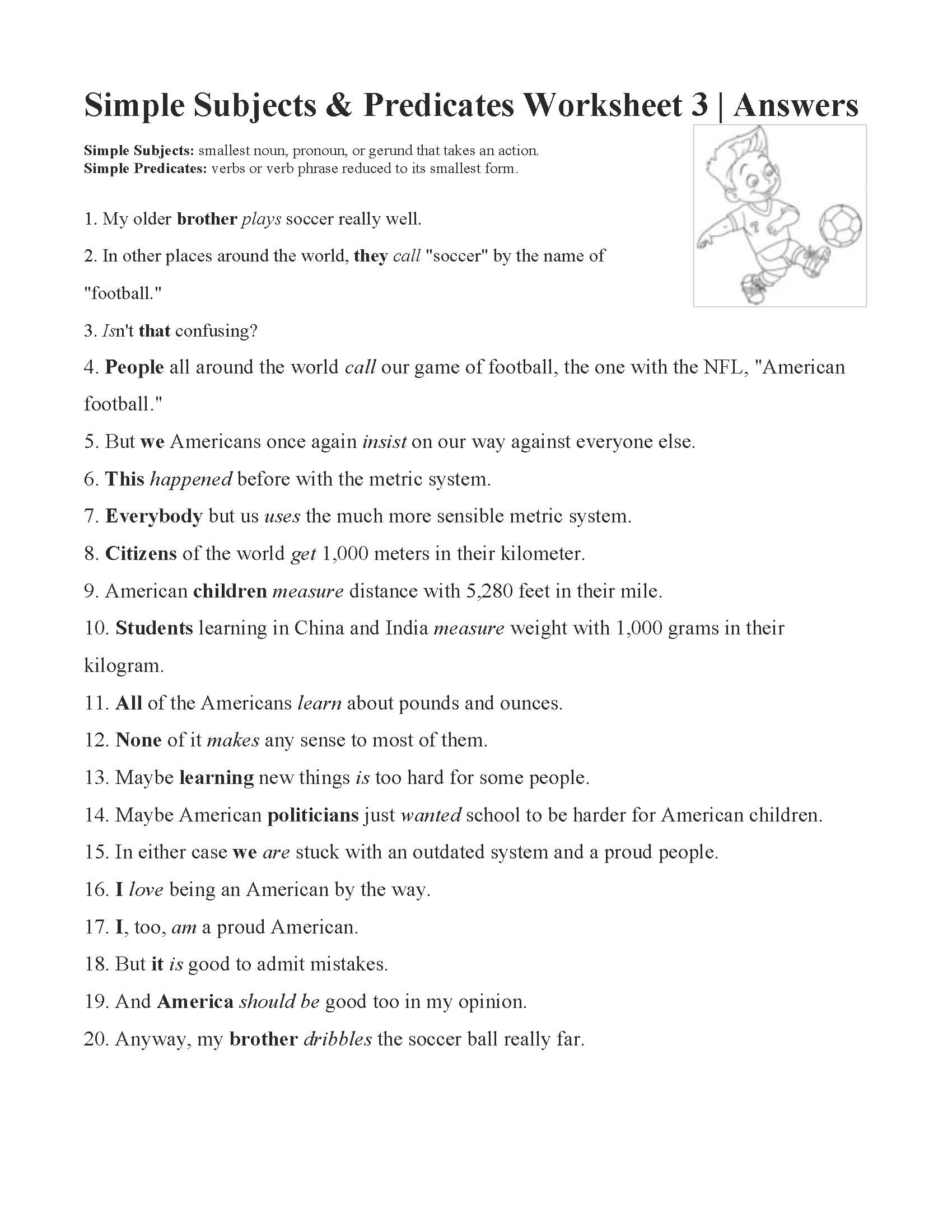
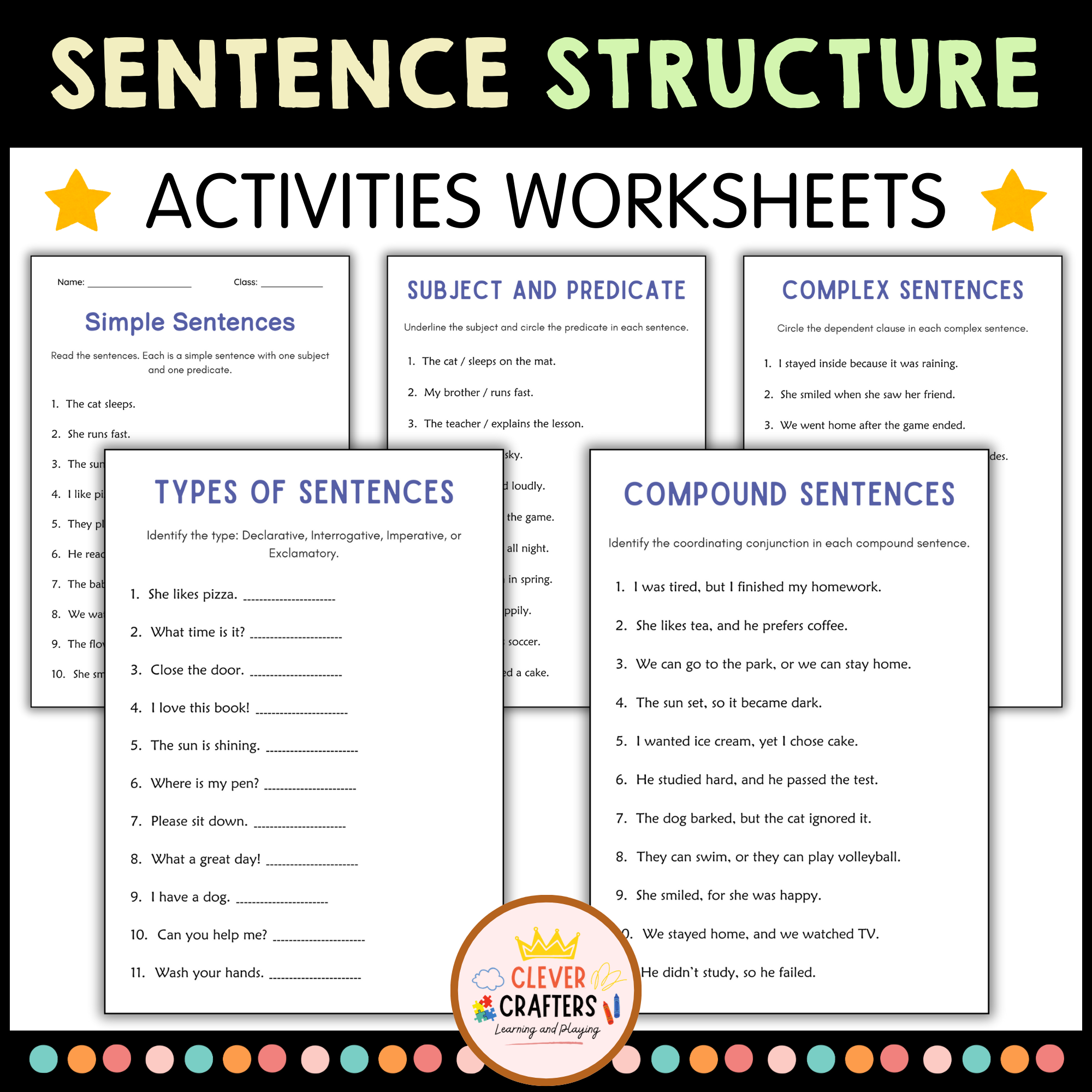
Simple, compound, and complex sentences practice.
Mastering Sentence Building Blocks: Parts of Speech and More
One of the key strengths of sentence structure worksheets is their ability to break down complex language concepts into manageable parts. By focusing on the fundamental building blocks of language, such as parts of speech, learners can gain a deeper understanding of how sentences are constructed.
Digital and printable sentence structure practice.
For instance, a simple sentence structure worksheet might introduce learners to the basic parts of speech, such as nouns, verbs, and adjectives. Through a series of exercises and activities, students can practice identifying and using these elements correctly. This foundational knowledge is crucial for developing strong writing skills and ensuring clarity in communication.
First grade sentence structure worksheets.
As learners progress, sentence structure worksheets can delve into more advanced concepts, such as clause types and sentence diagramming. By exploring different types of clauses (independent, dependent, and subordinate), learners can grasp the nuances of sentence structure and learn how to create more complex and varied sentences. Sentence diagramming, a visual representation of sentence structure, further enhances learners' understanding and provides a practical tool for analyzing and constructing sentences.
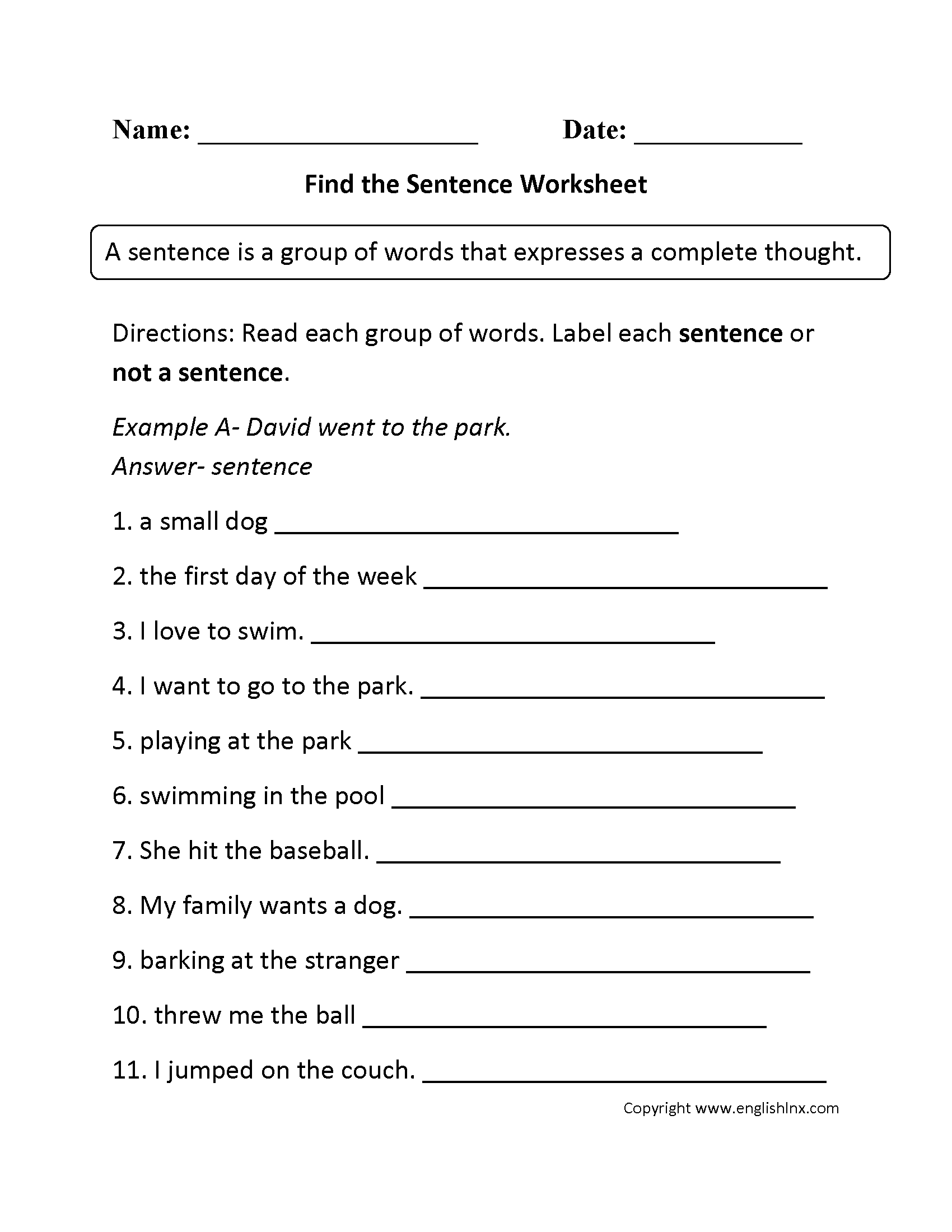
Practice building simple sentences.
People Also Ask: What Types of Worksheets Are Available?
Sentence structure worksheets come in various forms to cater to different learning needs and preferences. Some common types include:
Basic sentence structure template for free.
- Simple Sentence Structure Worksheets: These worksheets focus on the basics, providing a gentle introduction to sentence construction. They are ideal for younger learners or those new to language study, offering a solid foundation for future learning.
Sentence structure and cloze notes.
- Advanced Sentence Structure Worksheets: Designed for more experienced learners, these worksheets challenge students with complex sentence structures and advanced grammar concepts. They may include exercises on sentence combining, parallelism, and sophisticated sentence patterns, helping learners refine their writing skills.
Language arts activities with sentence structure.
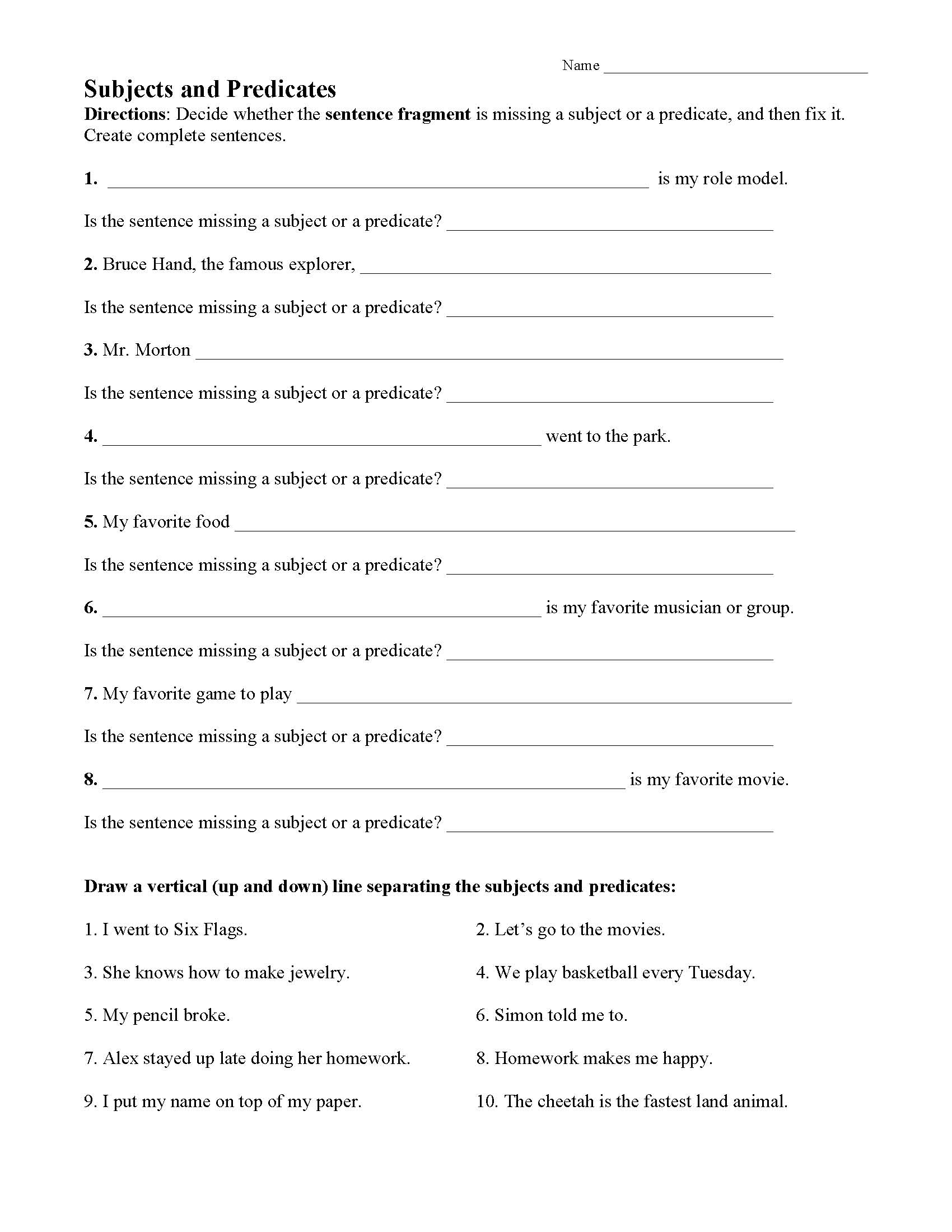
- Sentence Diagramming Worksheets: These worksheets provide a visual approach to sentence analysis, allowing learners to map out sentence structures and understand the relationships between different parts of speech. Sentence diagramming is a powerful tool for visualizing language and can greatly enhance comprehension.
More sentence structure activities for students.
- Punctuation Practice Worksheets: Punctuation is an essential aspect of sentence structure, and these worksheets offer targeted practice in using punctuation marks correctly. Learners can reinforce their understanding of commas, semicolons, colons, and other punctuation marks, ensuring their writing is clear and well-organized.
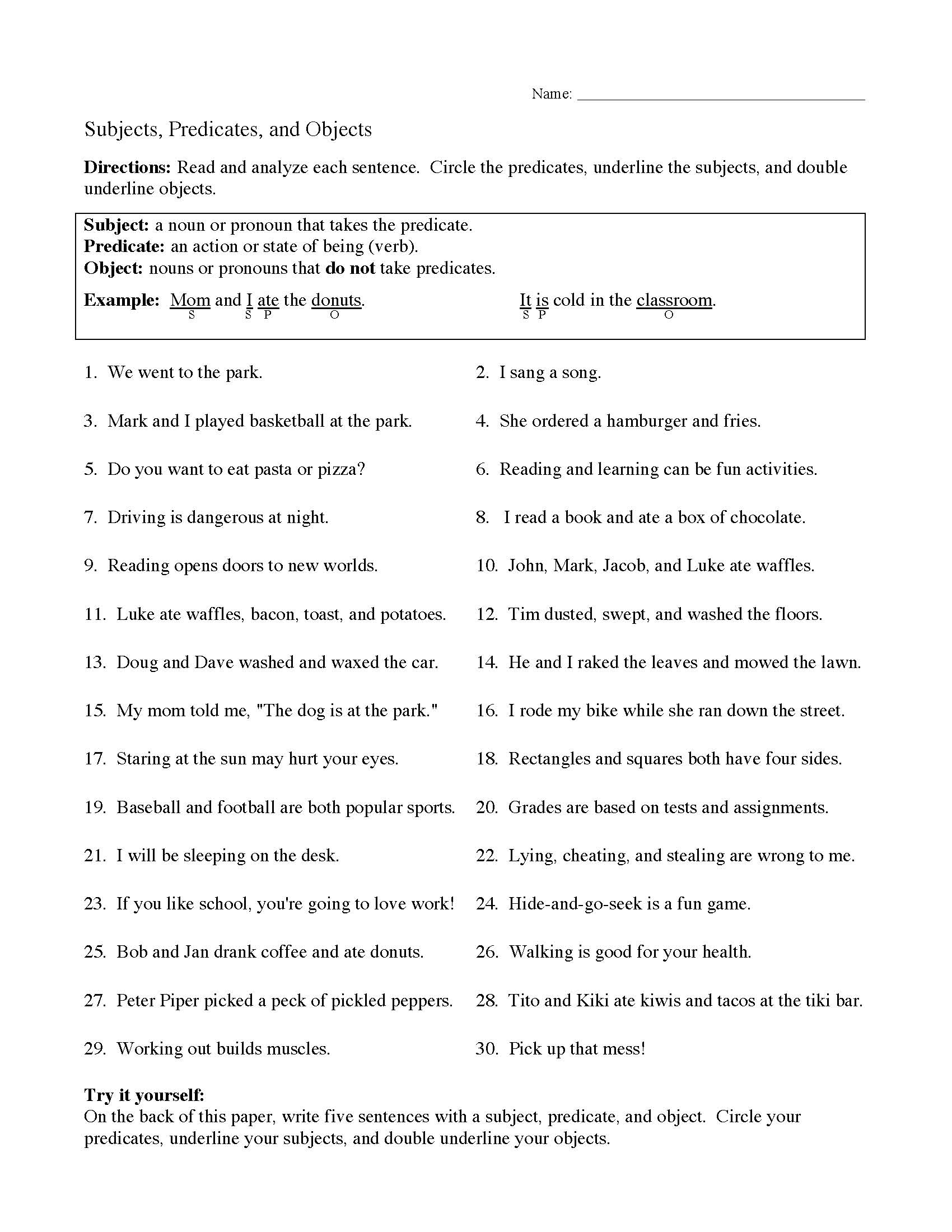
Labeling sentences and their structure.
How to Use Sentence Structure Worksheets Effectively
To make the most of sentence structure worksheets, consider the following tips:
Sentence structure exercises with answers.
- Choose worksheets that align with your learning goals and skill level. Whether you're a beginner or an advanced learner, there are worksheets tailored to your needs.
68 English sentence structure worksheets.
Print out the worksheets or use digital versions, depending on your preferences and resources. Digital worksheets can be convenient for remote learning or homeschooling, while printed worksheets offer a tactile experience and may be more suitable for classroom practice.
Provide clear instructions and guidance to learners, especially if they are new to sentence structure concepts. Explain the purpose of each worksheet and offer examples or models to help them understand the tasks.
Encourage active engagement and participation. Sentence structure worksheets should be interactive and engaging, so learners can apply their knowledge and practice their skills. Consider incorporating group work or peer learning to create a collaborative learning environment.
Offer feedback and support to learners as they work through the worksheets. Correct mistakes gently and provide constructive feedback to help them improve. Celebrating small achievements and progress can boost motivation and confidence.
Practical Application: Incorporating Worksheets into Learning
Sentence structure worksheets are versatile and can be used in various learning settings, including:
Classroom Practice: Teachers can incorporate sentence structure worksheets into their language arts lessons to reinforce grammar concepts and improve writing skills. Worksheets can be assigned as individual or group activities, providing a structured yet engaging way to practice and learn.
Homeschooling: Parents can utilize sentence structure worksheets as a valuable resource for teaching language skills at home. These worksheets offer a convenient and effective way to supplement language arts curriculum and ensure a well-rounded education.
Tutoring Sessions: Tutors can incorporate sentence structure worksheets into their sessions to target specific areas of improvement. Worksheets provide a focused and structured approach to addressing grammar gaps and enhancing writing abilities.
Independent Learning: Learners can use sentence structure worksheets as a self-guided resource to practice and improve their language skills. These worksheets offer a flexible and accessible way to enhance writing proficiency and build confidence.
By incorporating sentence structure worksheets into their learning journey, students can develop a strong foundation in language arts, improve their writing skills, and gain a deeper appreciation for the beauty and complexity of language.
Sentence structure worksheets are a fun and effective way to boost your language skills, and the best part? They're accessible and adaptable to your needs. You can find worksheets tailored to different proficiency levels and topics, so whether you're a beginner or an advanced learner, there's something for everyone.
So, why not give them a go? Print out a few, dive into the world of sentence structure, and see the difference it makes. It's a simple yet powerful tool to enhance your language journey. Leave a comment or share your experience below; we'd love to hear how these worksheets have helped you!
First graders learn to write simple sentences.
Read also: 21 Point of View Worksheets
Related: 13 Kinetic and Potential Energy Worksheets
As a parent, I often find myself searching for fun and engaging ways to help my kids grasp tricky concepts. When it comes to understanding kinetic and potential energy, a kinetic and potential energy worksheet can be a real lifesaver! These worksheets provide a practical way for students to practice and reinforce their knowledge, and they're a great tool for teachers and homeschoolers too. In fact, I recently stumbled upon a similar resource for absolute value equations, which reminded me of the value of these focused practice sheets.
Fun energy concepts for kids.
Unlocking Energy Concepts: A Focus on Kinetic and Potential Energy
Exploring Different Worksheet Types for Energy Education
When it comes to teaching and learning about energy, having a variety of resources at your disposal is key. Worksheets are a fantastic way to reinforce concepts, and when it comes to kinetic and potential energy, there are multiple types of worksheets available to cater to different learning styles and needs.
Energy answers explained.
One popular approach is to use kinetic and potential energy examples as a basis for worksheet activities. These examples can range from simple everyday scenarios to more complex real-world applications, helping students grasp the concept of energy transformation and transfer. For instance, a worksheet might present a scenario where a ball is rolled down a ramp, and students are asked to identify the types of energy involved at different points in the motion.
Elementary energy worksheets.
Another type of worksheet focuses on calculating kinetic and potential energy. These worksheets often provide students with the necessary formulas and variables, allowing them to practice applying mathematical concepts to energy problems. By working through these calculations, students develop a deeper understanding of how energy is quantified and measured.
Energy basics for teens.
For a more interactive approach, kinetic and potential energy problems can be presented in a scenario-based format. These problems might involve a story or a real-life situation, challenging students to identify the energy transformations and make predictions about the outcome. This type of worksheet encourages critical thinking and applies energy concepts to practical situations.
Energy worksheets for all.
Additionally, worksheets can be designed to cater to specific age groups and grade levels. For instance, a kinetic and potential energy worksheet grade 10 might focus on more advanced concepts and calculations, while a kinetic and potential energy worksheet pdf aimed at younger students could introduce basic concepts through engaging activities and visuals.
Advanced energy practice.
The beauty of worksheets is their versatility. They can be used in various educational settings, from traditional classrooms to homeschooling environments, and even as a tool for private tutors. Teachers and parents can easily adapt worksheets to suit their teaching style and the needs of their students, making learning about energy an engaging and accessible experience.
Kinetic vs potential energy.
People Also Ask: What Are Some Common Misconceptions About Kinetic and Potential Energy?
One common misconception is that kinetic energy is solely associated with movement, while potential energy is solely about stored energy. In reality, these concepts are interconnected and often transform into each other. For example, a stretched rubber band (elastic potential) releases energy as it snaps back, demonstrating the transformation from potential to kinetic energy.
Energy practice sheet.
Another misconception is that potential energy is always associated with height. While gravitational potential energy does indeed increase with height, there are other forms of potential energy, such as thermal energy and elastic potential, which can be stored in various ways. Understanding these different forms of potential energy is crucial for a comprehensive grasp of energy concepts.
Energy exercise for students.
How Can I Effectively Incorporate Kinetic and Potential Energy Worksheets into My Teaching or Learning Practice?
When using worksheets, it's important to create a balanced approach. Start with simpler activities and gradually introduce more complex concepts and calculations. This progressive approach ensures that students build a solid foundation before tackling more challenging problems.
Energy concepts for kids.
For teachers and homeschoolers, it's beneficial to provide context and real-world examples alongside the worksheets. Relating energy concepts to everyday experiences helps students see the relevance and applicability of what they're learning. Additionally, encouraging discussions and group work can foster a deeper understanding and allow students to learn from each other.
Energy worksheet with answers.
Parents and tutors can also play a vital role in facilitating learning with worksheets. By actively engaging with the material and providing guidance, they can help students grasp concepts more effectively. It's also beneficial to encourage students to explain their thought processes, as this reinforces their understanding and allows for timely interventions if misconceptions arise.
Energy worksheet with guide.
Practical Application: Bringing Energy Concepts to Life
One of the most effective ways to reinforce learning is through practical application. After completing worksheets and activities focused on kinetic and potential energy, students can engage in hands-on experiments and projects.
For instance, students can design and build simple machines, such as a lever or a pulley system, to explore energy transfer and mechanical advantage. They can also investigate the energy transformations involved in everyday activities, like jumping on a trampoline or swinging a pendulum.
By connecting theoretical concepts to practical experiences, students develop a deeper appreciation for the role of energy in the world around them. This holistic approach to learning ensures that students not only understand energy concepts but also see their relevance and applicability in various contexts.
In conclusion, kinetic and potential energy worksheets are a valuable resource for educators and learners alike. They provide a structured yet engaging way to explore and reinforce energy concepts, catering to different learning styles and levels. By incorporating a variety of worksheet types and practical applications, students can develop a comprehensive understanding of energy, its transformations, and its impact on the world.
Energy education is an exciting adventure, and worksheets are a brilliant tool to keep the learning process engaging. With kinetic and potential energy worksheets, you've got a fun way to explore and understand these concepts. So, go ahead, print out a few, gather your pens and pencils, and dive into the world of energy!
Feel free to experiment and find the worksheets that resonate with you. And remember, learning is a continuous journey, so keep exploring and discovering. Leave a comment or share your experience below; we'd love to hear how these worksheets have helped you grasp energy concepts!
Free energy practice sheet.
Read also: 15 Kindergarten Sight Word Worksheets