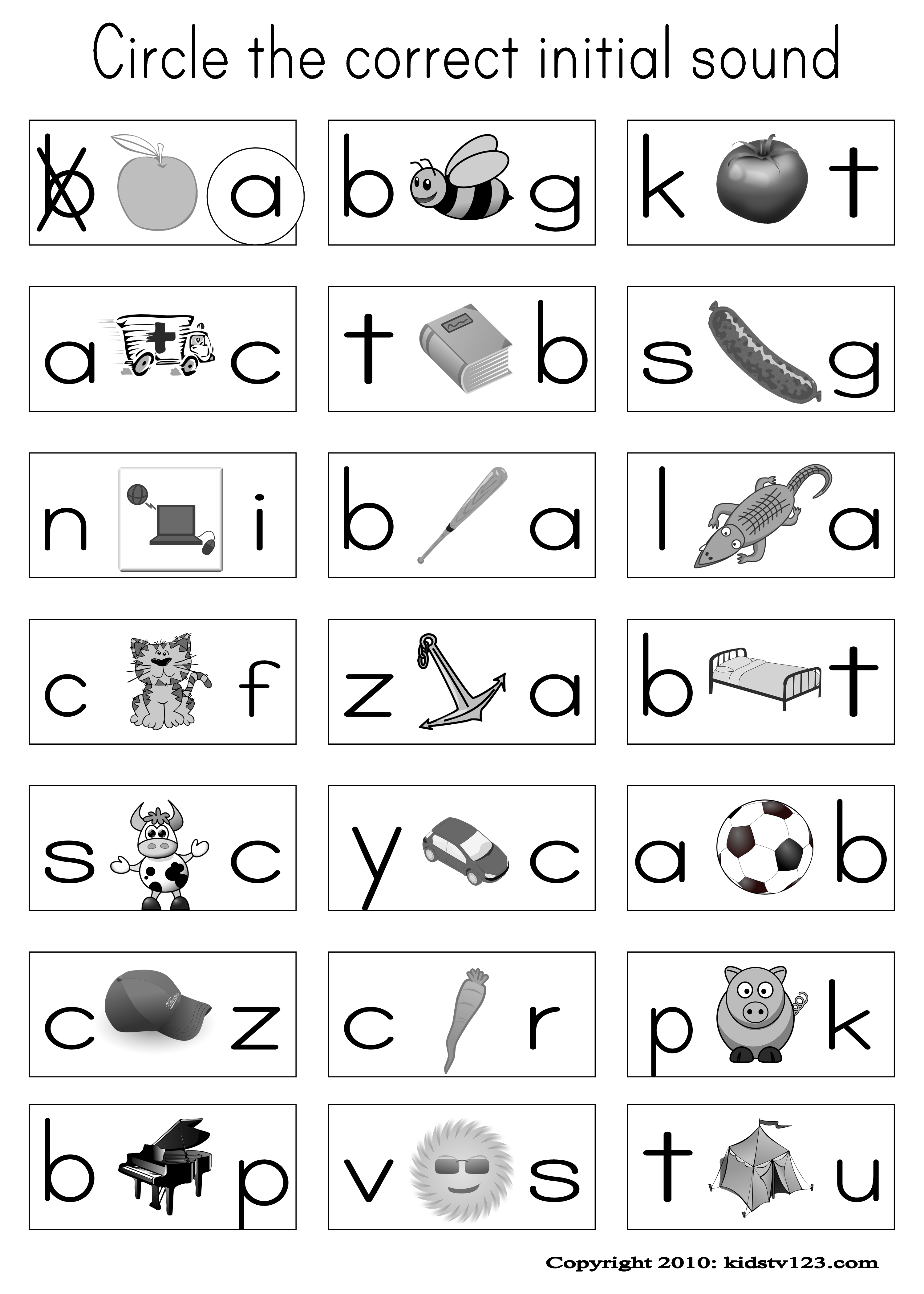
As a parent, I'm always on the lookout for fun and engaging ways to help my little one practice their reading skills. Phonics worksheets for kindergarten have been a real lifesaver, offering a simple and effective way to reinforce those early letter sounds. I especially love how the letter sounds worksheets and other resources like 15 K5 Learning Cursive Writing Worksheets provide a structured yet playful approach to learning.
Writing practice for young readers.

Phonics Practice Sheets: Unlocking Early Reading Skills
One of the most effective ways to help kindergarteners build a strong foundation in reading is through phonics worksheets. These worksheets are designed to be both educational and entertaining, making them a fantastic tool for parents, teachers, and tutors alike. By focusing on letter sounds and word families, these resources offer a fun and structured approach to early literacy.

First grade phonics challenge.
Letter Sound Fun: An Engaging Introduction to Phonics
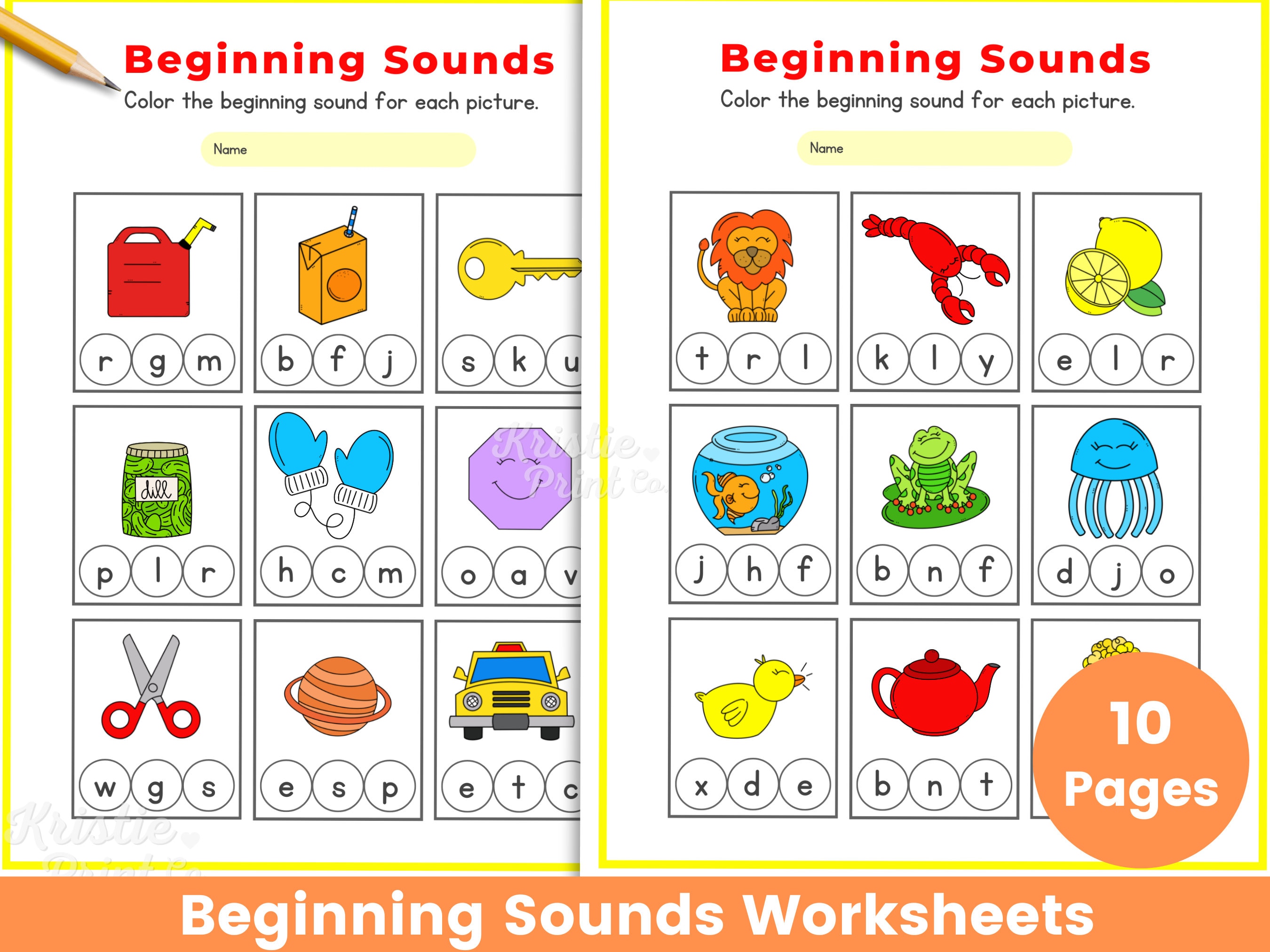
When it comes to teaching phonics, starting with letter sounds is a great way to introduce young learners to the world of reading. Letter sounds worksheets often feature colorful illustrations and simple activities that capture a child's attention. For example, a worksheet might ask students to circle all the pictures that start with the sound of the letter "B." This not only reinforces letter recognition but also helps children associate letters with their corresponding sounds.

Cut and paste beginning sounds.
These worksheets can be used in various settings, from classrooms to home learning environments. Teachers can incorporate them into their daily lessons, providing a dedicated phonics practice session. Homeschooling parents can use them to create a structured learning routine, ensuring their child receives consistent practice. Even during tutoring sessions, phonics worksheets can be a valuable resource to reinforce and enhance a student's understanding of letter sounds.

Short vowel word practice.
How Do Phonics Worksheets Benefit Kindergarteners?
Phonics worksheets for kindergarten offer a range of benefits that contribute to a child's early reading development. Firstly, they provide a fun and interactive way to learn, making the process enjoyable and engaging. The worksheets often include activities such as matching, coloring, and tracing, which not only reinforce letter sounds but also improve fine motor skills.

Reading comprehension for kindergarten.
Additionally, phonics worksheets help children develop phonemic awareness, which is the ability to hear, identify, and manipulate individual sounds in words. This skill is crucial for reading and spelling, as it allows children to break down words into their component sounds and understand how these sounds combine to form words. By practicing with phonics worksheets, kindergarteners can strengthen their phonemic awareness and build a solid foundation for reading.

Phonics sounds, a fun worksheet.
Word Family Joy: Exploring Rhyming Words and Patterns
As children progress in their phonics journey, they can move on to word family worksheets. These worksheets introduce the concept of word families, which are groups of words that have the same ending pattern or rhyme. For instance, the word family "-at" includes words like "cat," "mat," and "sat." Word family worksheets often feature activities that encourage children to identify and match words within a specific word family.

Printable reading adventure.
By exploring word families, kindergarteners learn to recognize patterns in words, which is a crucial step towards reading fluency. They begin to understand that changing the beginning sound of a word can create a new word with a similar sound and spelling pattern. This knowledge helps them decode words more efficiently and builds their confidence in reading.

Beginning reading: At.
Blend and Read: Practicing Phoneme Blending
Another essential skill that phonics worksheets target is phoneme blending. Phoneme blending involves combining individual sounds (phonemes) to form words. For example, blending the sounds /c/ /a/ /t/ creates the word "cat." Blending worksheets often present a series of pictures or words, and students are asked to blend the sounds they see or hear to read the word.

Free comprehension worksheets.
Practicing phoneme blending is crucial for developing reading fluency. It helps children understand that words are made up of individual sounds, and by blending these sounds together, they can read and understand written language. Phonics worksheets that focus on blending provide a structured and progressive approach to this skill, starting with simple consonant-vowel-consonant (CVC) words and gradually introducing more complex words.

Family theme worksheet.
Sound-Letter Matching Game: Reinforcing Letter-Sound Correspondence
A fun and interactive way to reinforce letter-sound correspondence is through sound-letter matching games. These games can be found in various phonics worksheets, and they often involve matching pictures or words with their corresponding letters. For instance, a worksheet might present a series of pictures, such as a cat, a dog, and a ball, and ask students to match each picture with the correct letter that represents its beginning sound.

Downloadable reading practice.
Sound-letter matching games not only reinforce letter-sound knowledge but also improve visual discrimination and fine motor skills. They provide a hands-on approach to learning, allowing children to actively engage with the material and apply their phonics skills in a practical way. These games can be particularly beneficial for kinesthetic learners who thrive on interactive and tactile activities.

Reading comprehension and sentence building.
Cursive Alphabet Worksheets: A Fun Twist on Phonics Practice
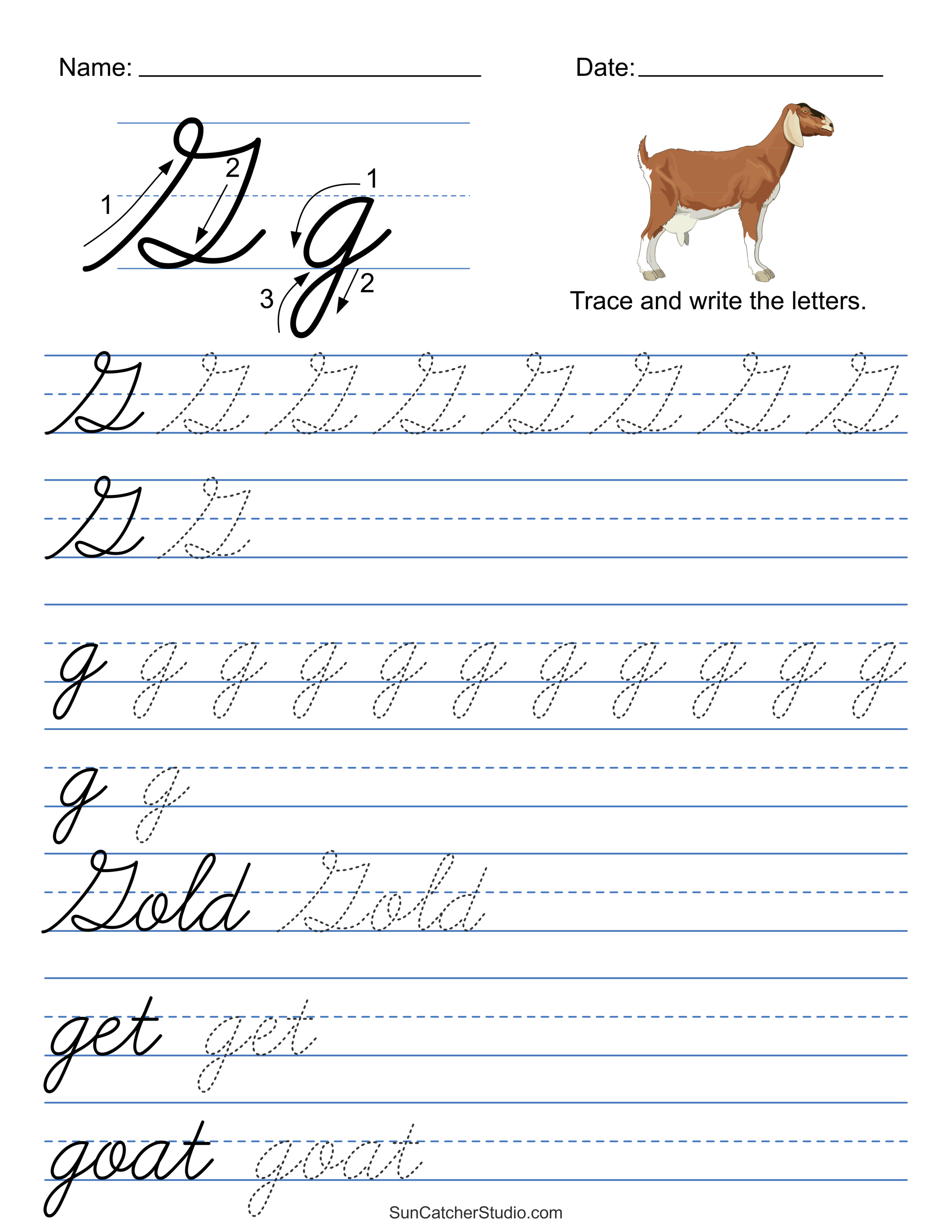
While most phonics worksheets focus on print letters, incorporating cursive alphabet worksheets can add a fun twist to phonics practice. Cursive writing introduces a new dimension to letter formation and can be an engaging way to reinforce letter sounds and handwriting skills. 15 Cursive Alphabet Worksheets for Kids offer a range of activities that combine phonics and cursive writing, providing a unique and creative learning experience.
Cursive alphabet worksheets often include tracing and writing activities, allowing children to practice forming letters in a connected, flowing style. By combining phonics and cursive, these worksheets not only reinforce letter sounds but also develop fine motor skills and handwriting technique. They can be a valuable addition to a phonics curriculum, offering a fresh and enjoyable approach to learning.
A Structured Approach to Phonics: Progression and Variety
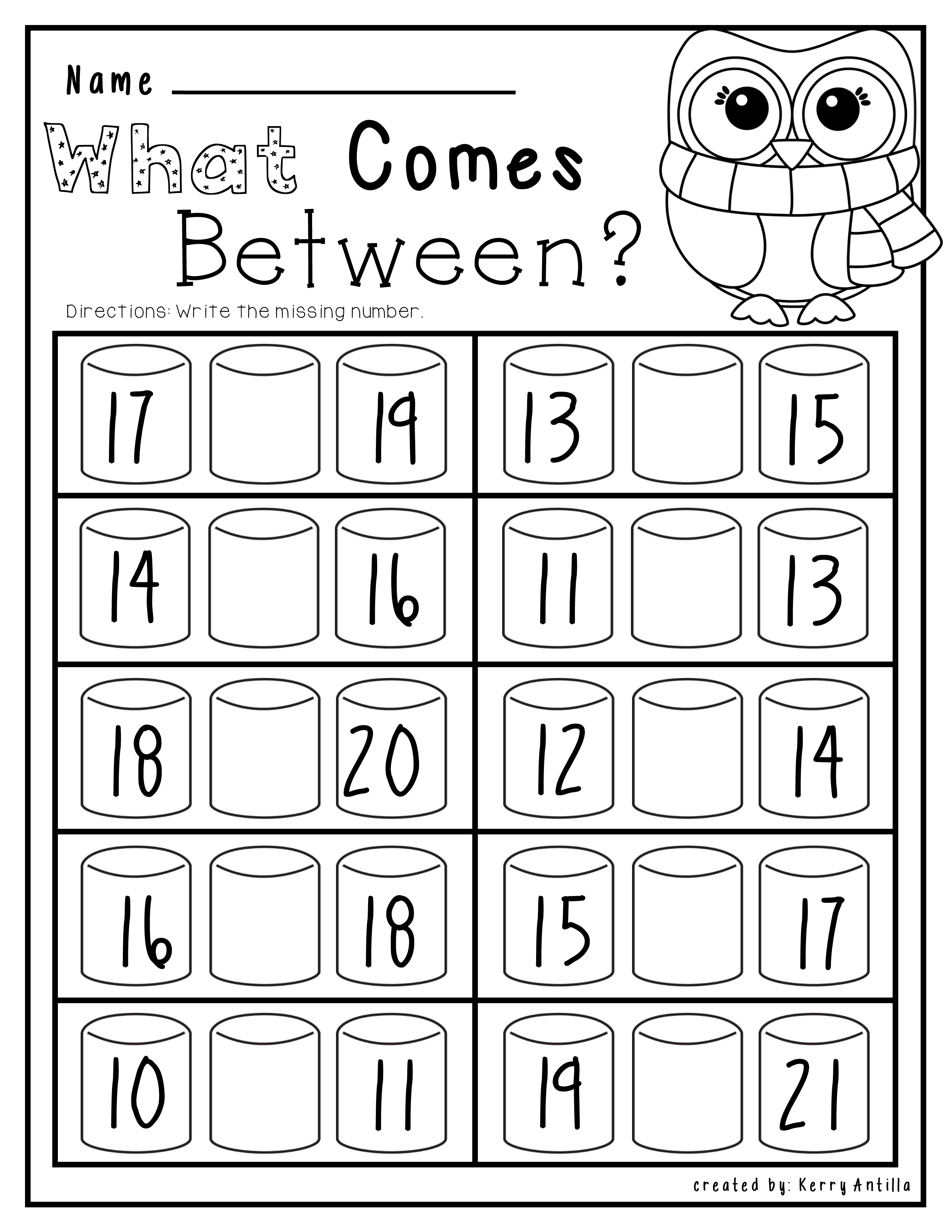
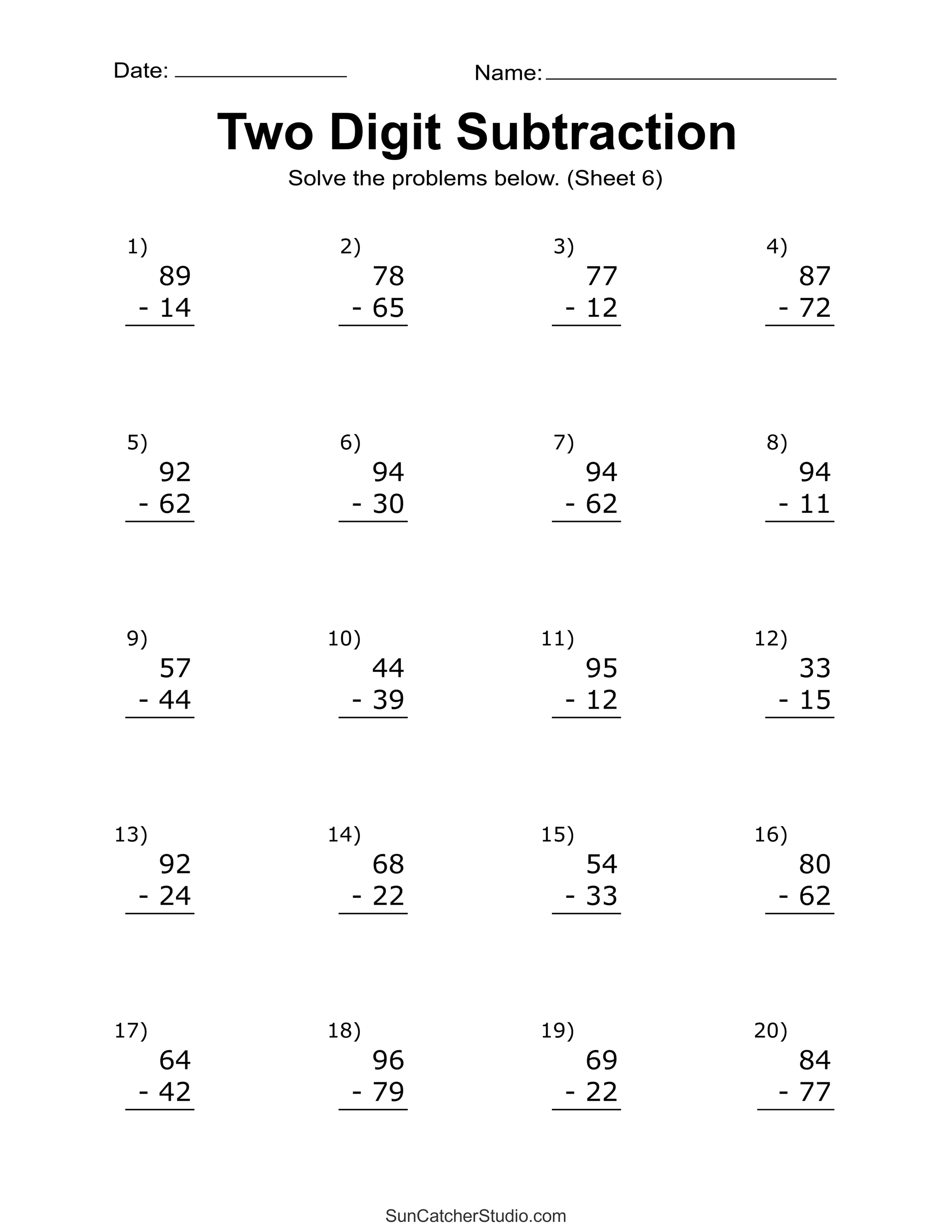
One of the strengths of phonics worksheets is their ability to provide a structured and progressive learning experience. Many worksheets are designed with a clear progression in mind, starting with simple concepts and gradually introducing more complex skills. This allows children to build their phonics knowledge step by step, ensuring a solid foundation before moving on to more challenging tasks.
In addition to a structured progression, phonics worksheets offer a variety of activities and question types. From matching and coloring to tracing and writing, these worksheets provide a well-rounded approach to phonics practice. This variety keeps children engaged and motivated, ensuring that learning remains fun and exciting.
Practical Tips for Using Phonics Worksheets Effectively
When using phonics worksheets, there are a few practical tips to keep in mind to ensure an effective and enjoyable learning experience:
- Choose worksheets that align with your child's or student's current level of phonics knowledge. Start with simpler concepts and gradually introduce more advanced skills.
- Provide clear instructions and demonstrate how to complete the worksheet if needed. Ensure that children understand the task before beginning.
- Encourage active participation and engagement. Allow children to work at their own pace, offering support and guidance as required.
- Create a dedicated learning space with all the necessary materials, such as pencils, erasers, and a comfortable seating arrangement.
- Consider laminating worksheets or using dry-erase pockets to make them reusable. This saves paper and allows for repeated practice.
- Mix and match different types of phonics worksheets to keep learning fresh and exciting. Combine letter sound worksheets with word family and blending worksheets for a well-rounded approach.
- Incorporate phonics worksheets into a larger phonics curriculum, including other activities such as phonemic awareness games, reading books, and writing practice.
By following these tips, you can create a positive and productive learning environment, making phonics practice an enjoyable and rewarding experience for kindergarteners.
Conclusion: A Fun and Structured Approach to Early Reading
Phonics worksheets for kindergarten offer a fun and structured approach to early reading skills. By focusing on letter sounds, word families, and phoneme blending, these resources provide a solid foundation for reading development. With a variety of engaging activities and a progressive learning path, phonics worksheets are a valuable tool for parents, teachers, and tutors.
By incorporating phonics worksheets into their learning journey, kindergarteners can develop essential early reading skills while having fun. So, whether it's at home, in the classroom, or during tutoring sessions, phonics worksheets are a fantastic resource to support and enhance a child's literacy journey.
Phonics worksheets are a fun and interactive way to engage young learners, and with their educational benefits, they're a win-win for everyone involved. So, why not give them a go? You might just find that your kindergartener is eager to dive into the world of reading with these exciting resources.
Feel free to leave a comment and share your experiences with phonics worksheets. We'd love to hear how your little ones are enjoying their reading adventures and any tips you have for making learning fun!
Printable phonics activities for kindergarten.