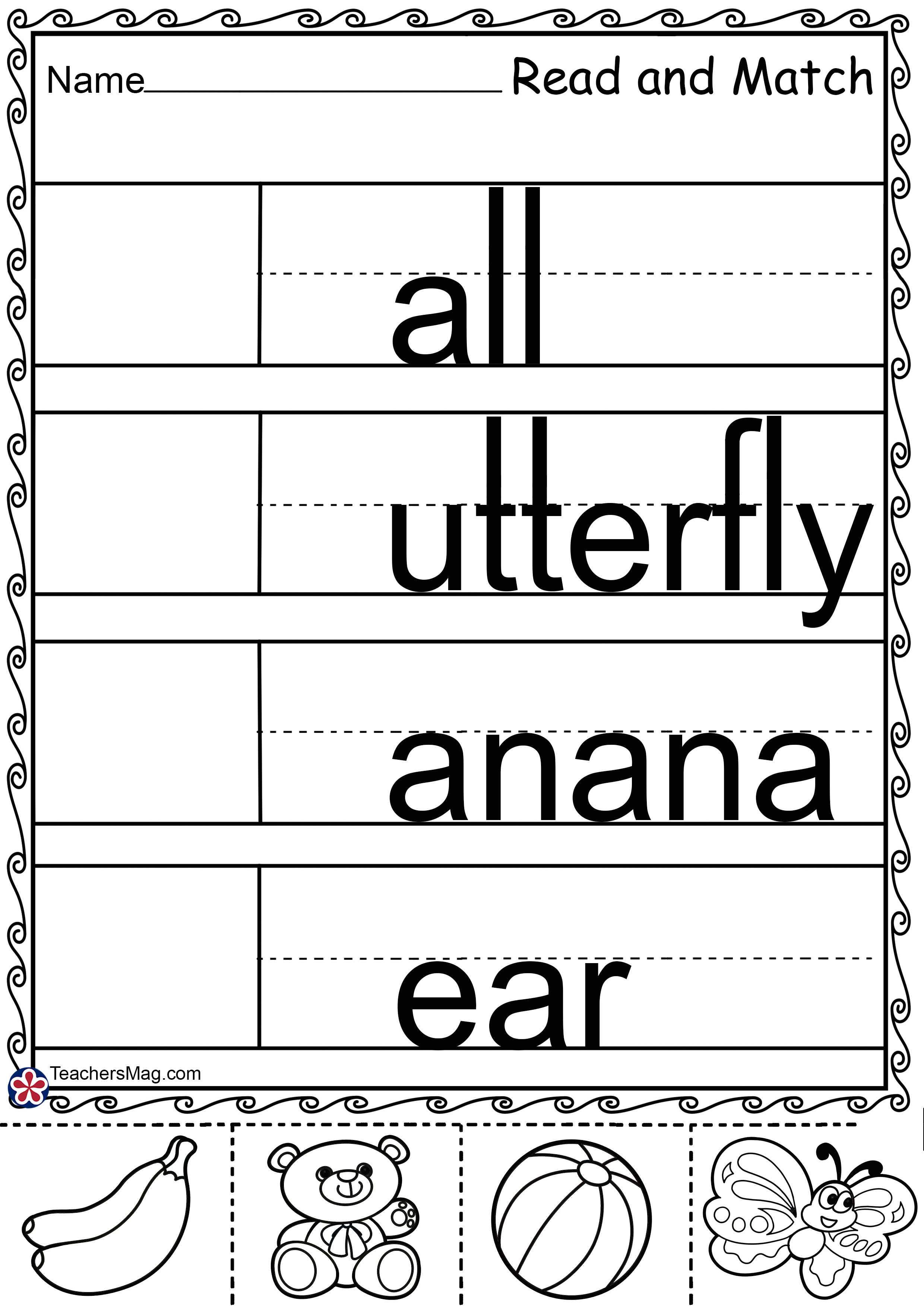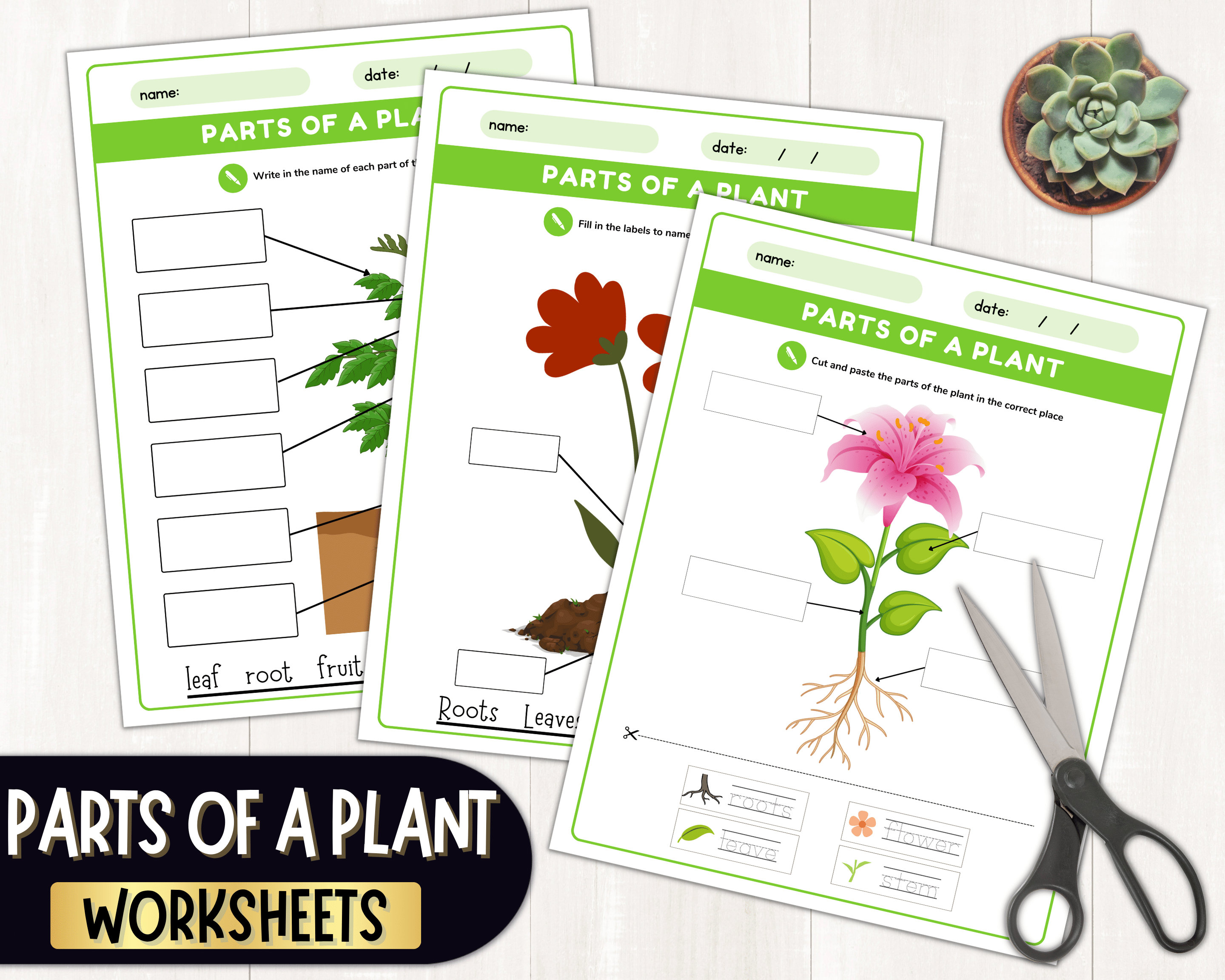
As a parent, I'm always on the lookout for fun and educational resources to keep my kids engaged. Parts of a plant worksheet is a brilliant way to get kids interested in nature and science. It's a simple yet effective tool to help them learn and identify the different parts of a plant, which can be a fun challenge for little ones. I mean, who doesn't love a good worksheet, especially when it's free printable plant worksheets like these!
Transmission plant: an unexpected part of a truck.

Understanding Plant Anatomy: A Comprehensive Guide
Plants are fascinating organisms, and understanding their structure is an essential part of science education. Parts of a plant worksheet is an excellent resource to introduce young learners to the basic anatomy of plants and develop their observational skills.

A plant closure and an election.
Beyond Basics: Advanced Plant Study
While the foundational knowledge of plant parts is crucial, parts of a plant worksheet can also serve as a stepping stone to more complex botanical studies. These worksheets often include activities that encourage students to delve deeper into the intricate details of plant life, such as identifying different types of roots, understanding the role of leaves in photosynthesis, or exploring the unique characteristics of various flowers and fruits.

Worksheet activity: parts of a plant.
People Also Ask: What Specific Parts of a Plant Are Covered?
A common curiosity is which plant parts are typically featured on these worksheets. Well, most parts of a plant worksheets cover the fundamental components like roots, stems, and leaves. However, they often extend beyond these basics to include flowers, fruit, and even seeds and branches. Some worksheets might also introduce students to the concept of growth and development, showing how plants change and adapt over time.

Best time to plant a tree.
How to Maximize Learning with Parts of a Plant Worksheets
When using parts of a plant worksheets, it's essential to consider the learning environment and the needs of the students. For instance, in a classroom setting, teachers can facilitate group discussions and hands-on activities to reinforce the concepts learned on the worksheets. At home, parents can encourage their children to explore the outdoors, identifying different plants and their parts in the garden or local park.

Parts of a plant worksheets library.
Additionally, when printing these worksheets, it's a good idea to use thicker paper to ensure durability, especially if students will be coloring or painting on them. Consider laminating the worksheets for repeated use, making them a long-lasting resource for learning.
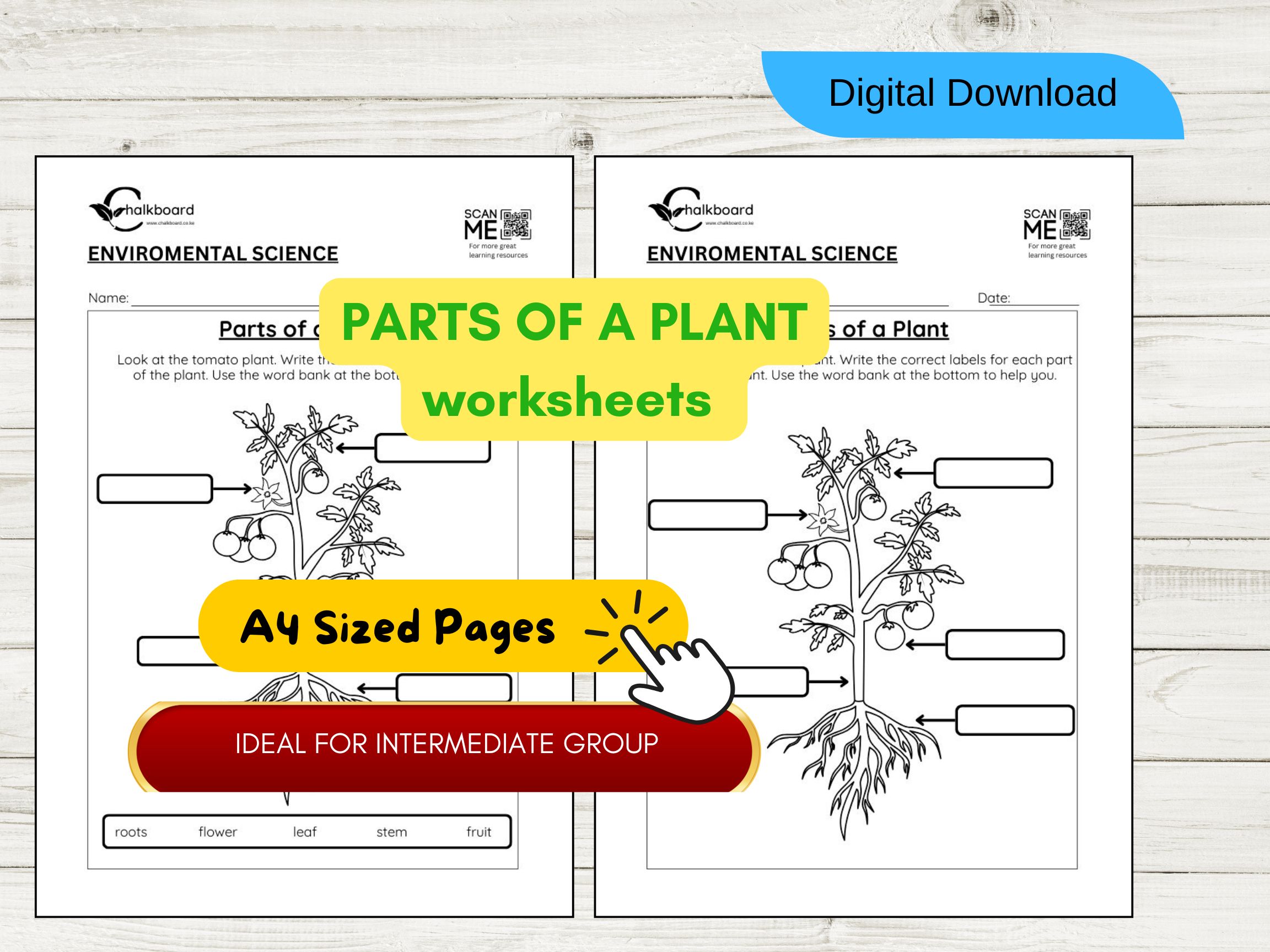
Parts of a plant for kids: chalkboard.
Nurturing a Love for Botany: Hands-On Activities
One of the great benefits of parts of a plant worksheets is that they can inspire students to take a more hands-on approach to learning about plants. After completing the worksheets, teachers or parents can guide students in planting their own seeds, observing the growth process, and identifying the various parts of the plant as it develops. This practical application of knowledge not only reinforces learning but also fosters a deeper connection and appreciation for the natural world.
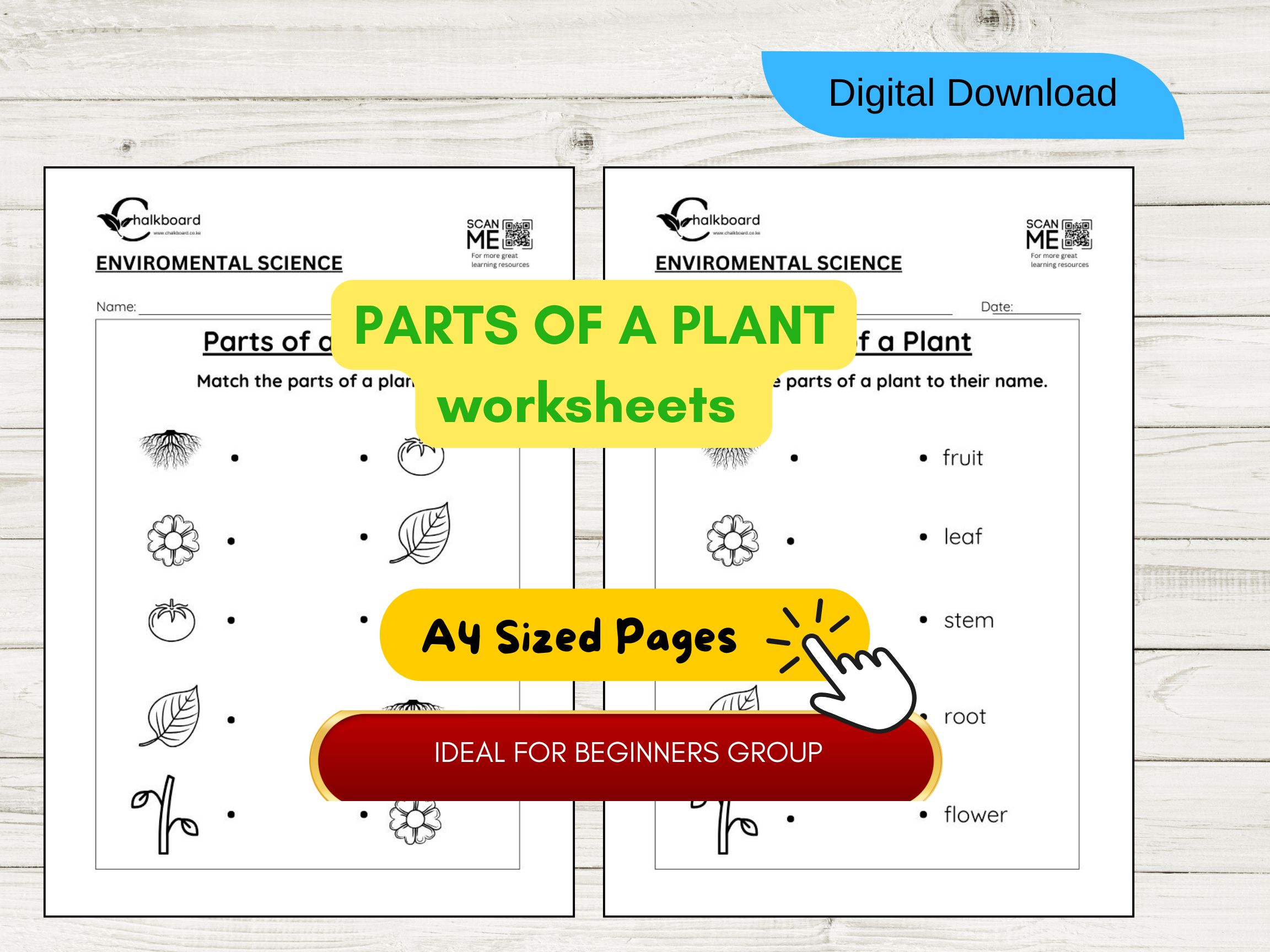
Match antonyms: parts of a plant.
Similarly, students can create their own plant journals, recording their observations and drawings of different plants they encounter. This activity not only enhances their understanding of plant anatomy but also develops their artistic and observational skills.
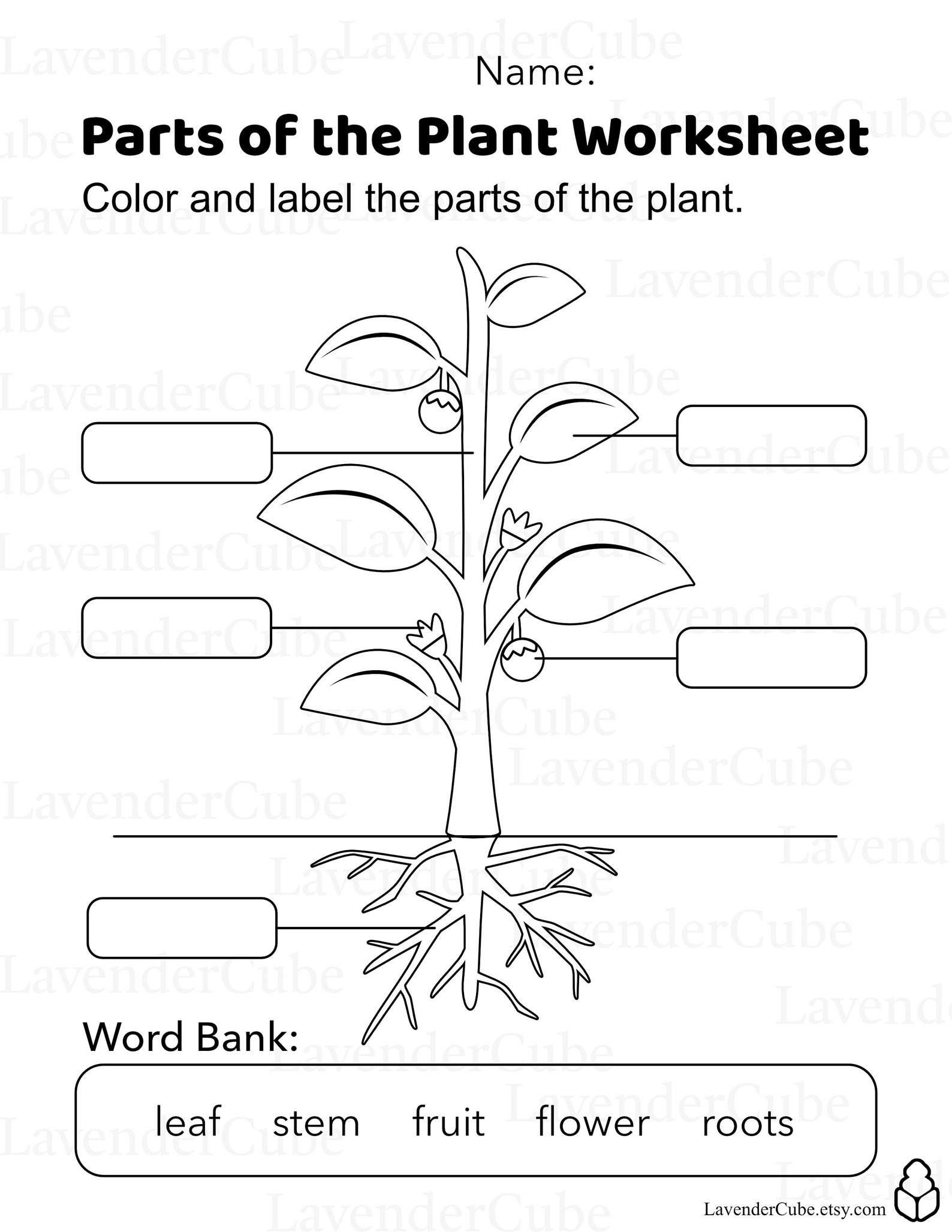
Coloring worksheet: plant diagram.
By incorporating these practical activities, parts of a plant worksheets can become a gateway to a lifetime of botanical curiosity and exploration.

Pre-K plant parts: free printable.

Plant parts worksheets and diagram.
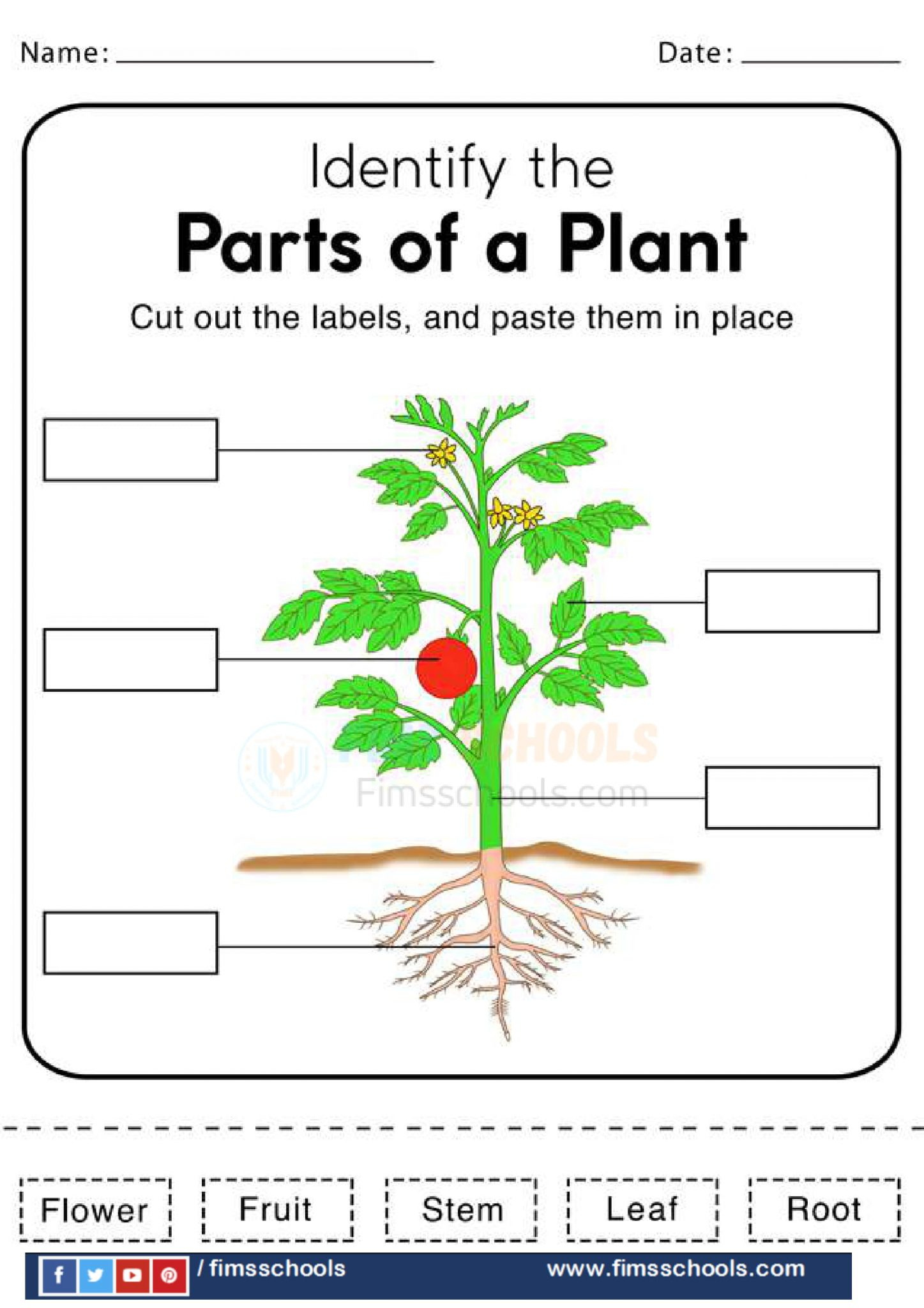
Plant anatomy: a detailed worksheet.

Free printable: parts of a plant.
So, there you have it! A fun and educational way to explore the world of plants. By diving into the parts of a plant worksheet, you open up a whole new perspective on nature and its wonders. It's an engaging way to learn, and I bet it will spark some interesting conversations too.
Why not give it a go and see where this botanical adventure takes you? Print out the worksheet, grab some fresh plant samples, and let your curiosity guide you. Then, come back and share your plant-tastic discoveries and any 'aha' moments in the comments below!
Life cycle activities: label plant parts.
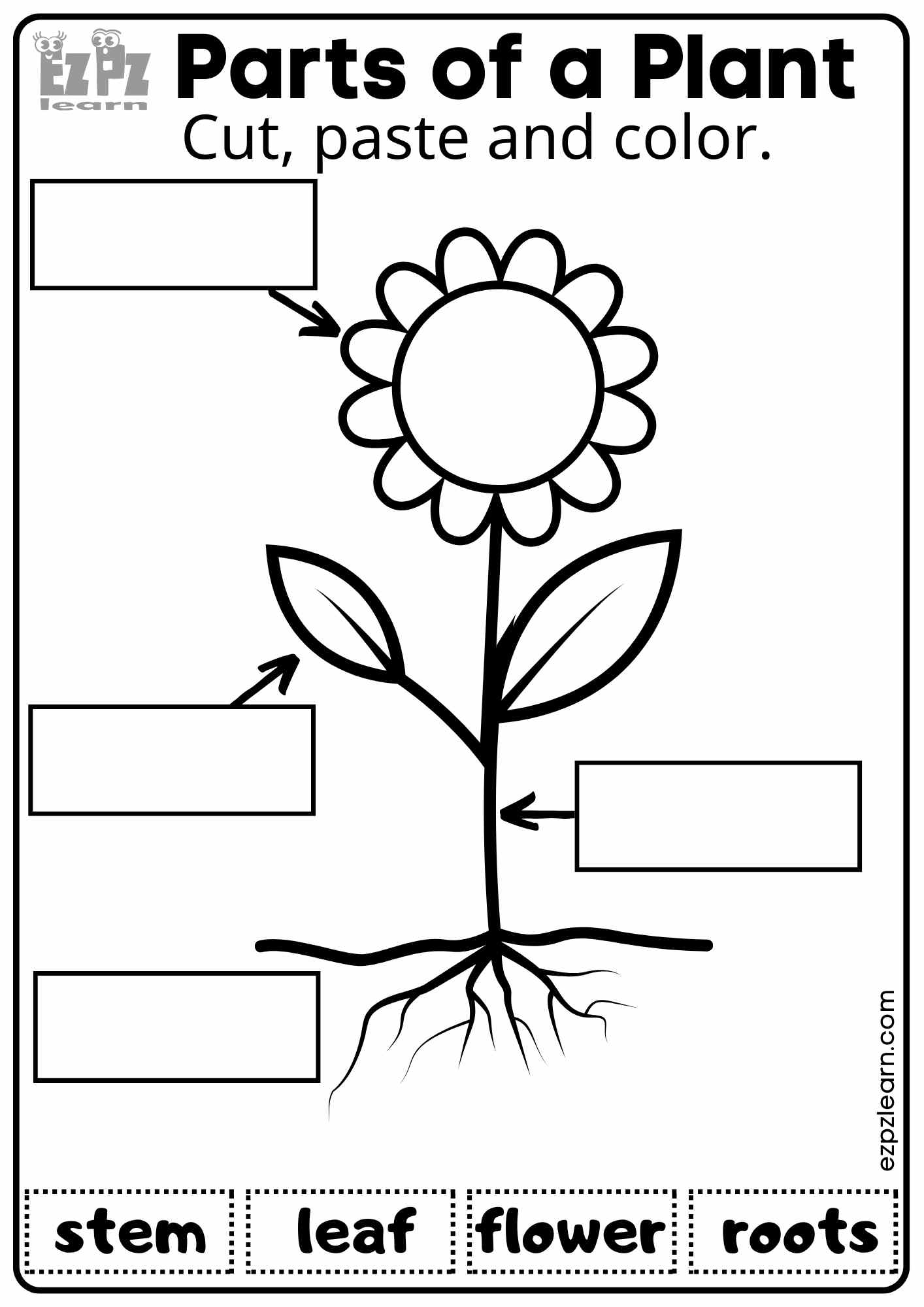
Read also: 30 Composite Figures Area Worksheets