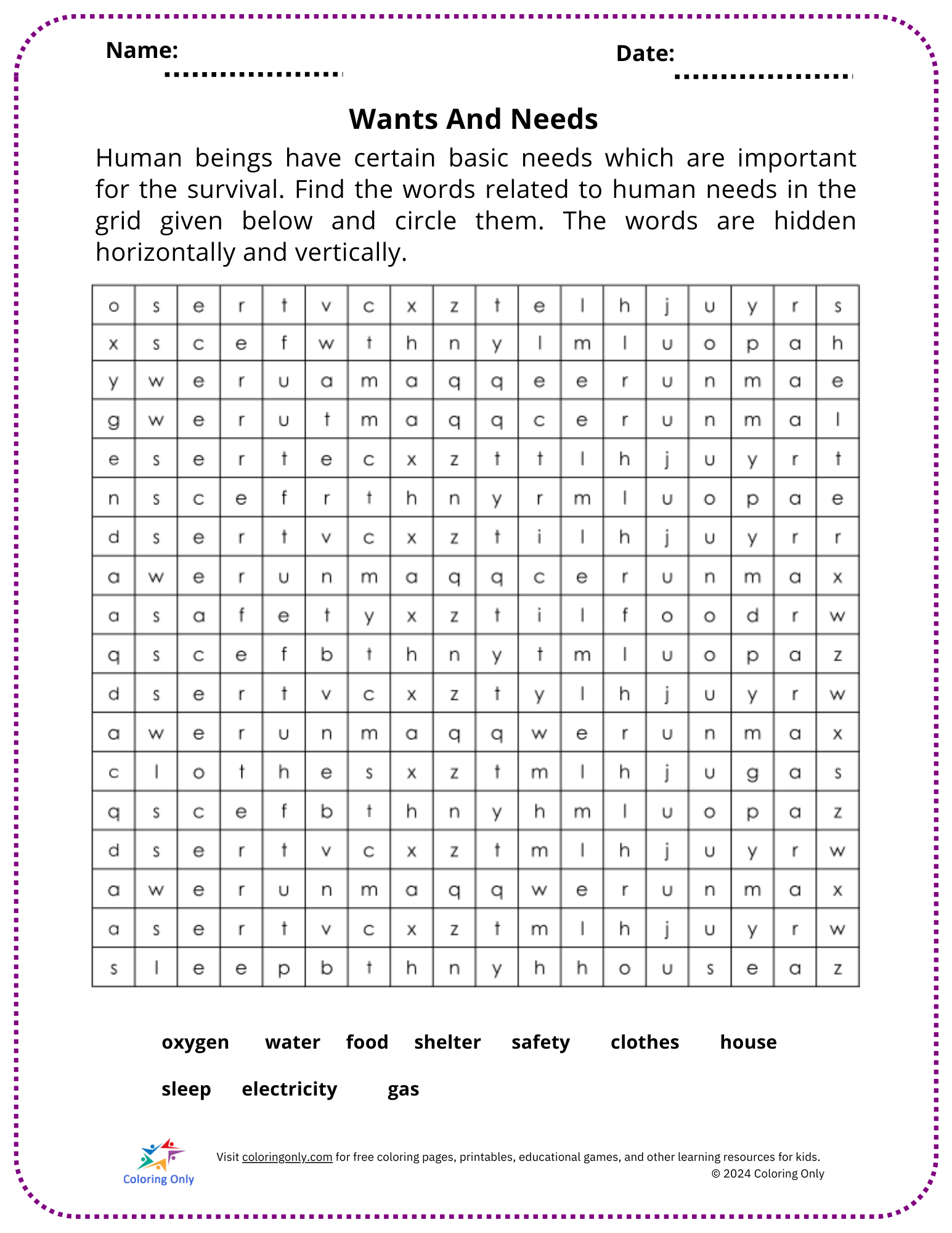
As a parent, I often find myself navigating the tricky terrain of teaching my kids about the difference between needs and wants. It's a crucial life skill, but let's be real, it's not always easy to explain! That's why I was thrilled to discover the needs and wants worksheet. This simple yet effective tool has been a game-changer, providing a practical way to help kids understand and distinguish between their needs and wants. It's a great resource, especially when paired with other learning materials like the needs and wants examples and need vs wants chart.
Coloring activity: Wants and Needs

Prioritizing Needs and Wants: A Practical Learning Journey
Navigating the Needs and Wants Worksheet Landscape
The "needs and wants worksheet" is a powerful tool designed to guide learners through the intricate process of distinguishing between their fundamental needs and personal desires. This essential skill is not only a cornerstone of financial literacy but also a key aspect of personal development and emotional intelligence. By engaging with this worksheet, learners embark on a journey of self-discovery, learning to prioritize their basic requirements over material desires.

Writing exercise: Needs vs Wants
This worksheet is a versatile resource, suitable for a range of age groups and learning environments. Whether in a classroom setting, during homeschooling, or as a tool for personal growth, it offers a structured approach to understanding the difference between needs and wants. Through a series of thoughtful activities and exercises, learners can explore their own priorities, aspirations, and the underlying motivations that drive their choices.
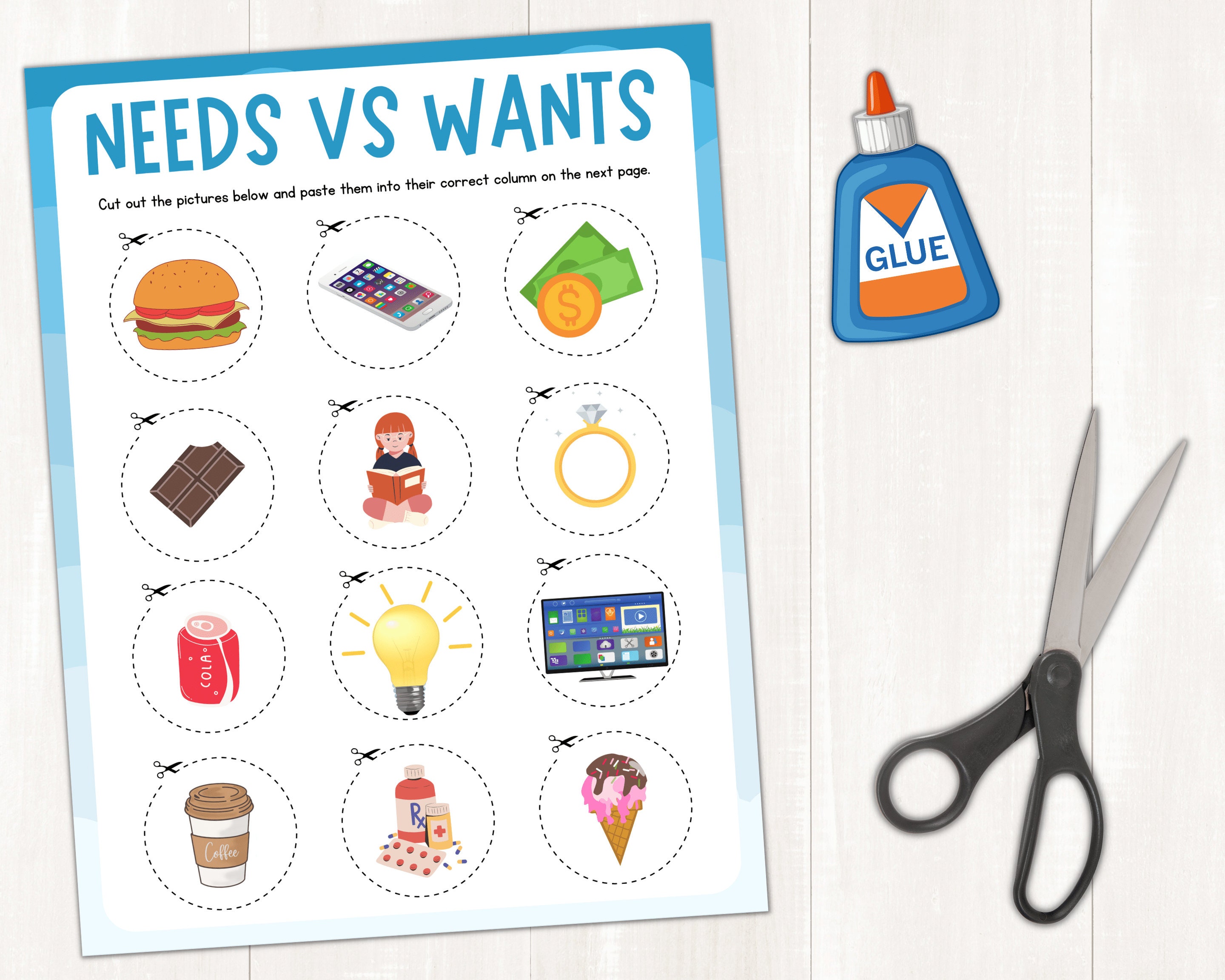
Admuscente: Wants vs Needs
One of the strengths of the "needs and wants worksheet" lies in its ability to cater to different learning levels. For beginners, it provides a simple yet effective framework to identify and categorize needs and wants. As learners progress, the worksheet can be adapted to introduce more complex scenarios, encouraging critical thinking and decision-making skills. This progressive approach ensures that learners of all ages and abilities can engage with the material and develop a deeper understanding of this crucial life skill.
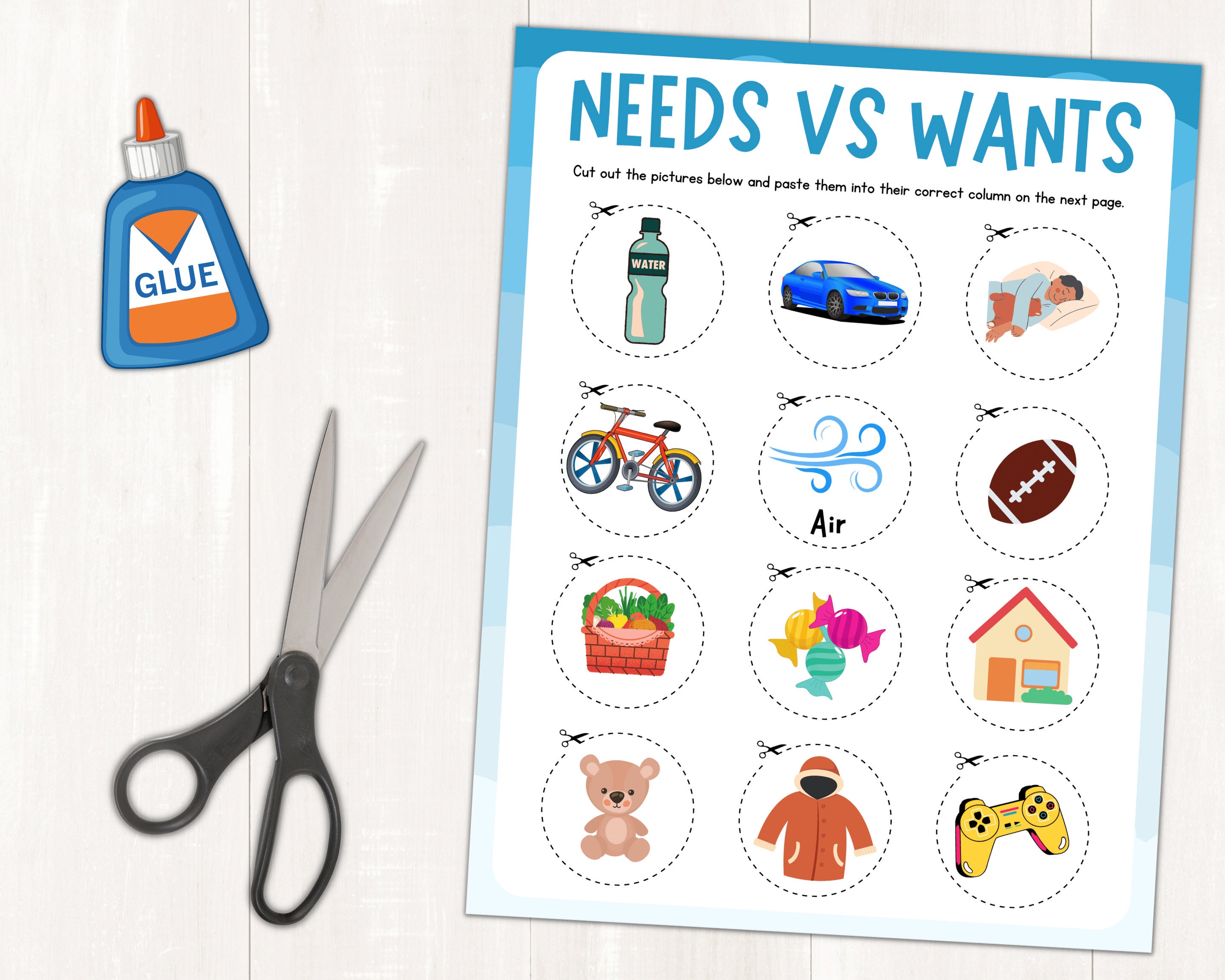
Admuscente: Needs vs Wants
Exploring Different Worksheet Types and Skills
While the "needs and wants worksheet" is a versatile tool, it is important to recognize that it is just one piece of the learning puzzle. To truly master the distinction between needs and wants, learners can benefit from a holistic approach that incorporates various resources. One such resource is the needs and wants examples worksheet, which provides real-life scenarios and case studies to illustrate the concept in action.

Admuscente: Worksheets for Needs and Wants
Another valuable companion to the "needs and wants worksheet" is the need vs wants chart. This visual aid offers a simple yet effective way to categorize and compare needs and wants, providing a clear overview of the differences between the two. By combining these resources with the worksheet, learners can develop a comprehensive understanding of the topic, reinforcing their knowledge through different learning styles and activities.

Worksheets Library: Needs and Wants
People Also Ask: What Age Group Benefits from the Worksheet?
A common curiosity surrounding the "needs and wants worksheet" is the appropriate age range for its use. While the concept of needs and wants is an important life skill for people of all ages, the worksheet is particularly beneficial for younger learners, typically in the early elementary grades. At this stage, children are beginning to develop a sense of independence and make their own choices, making it an opportune time to introduce the distinction between needs and wants.
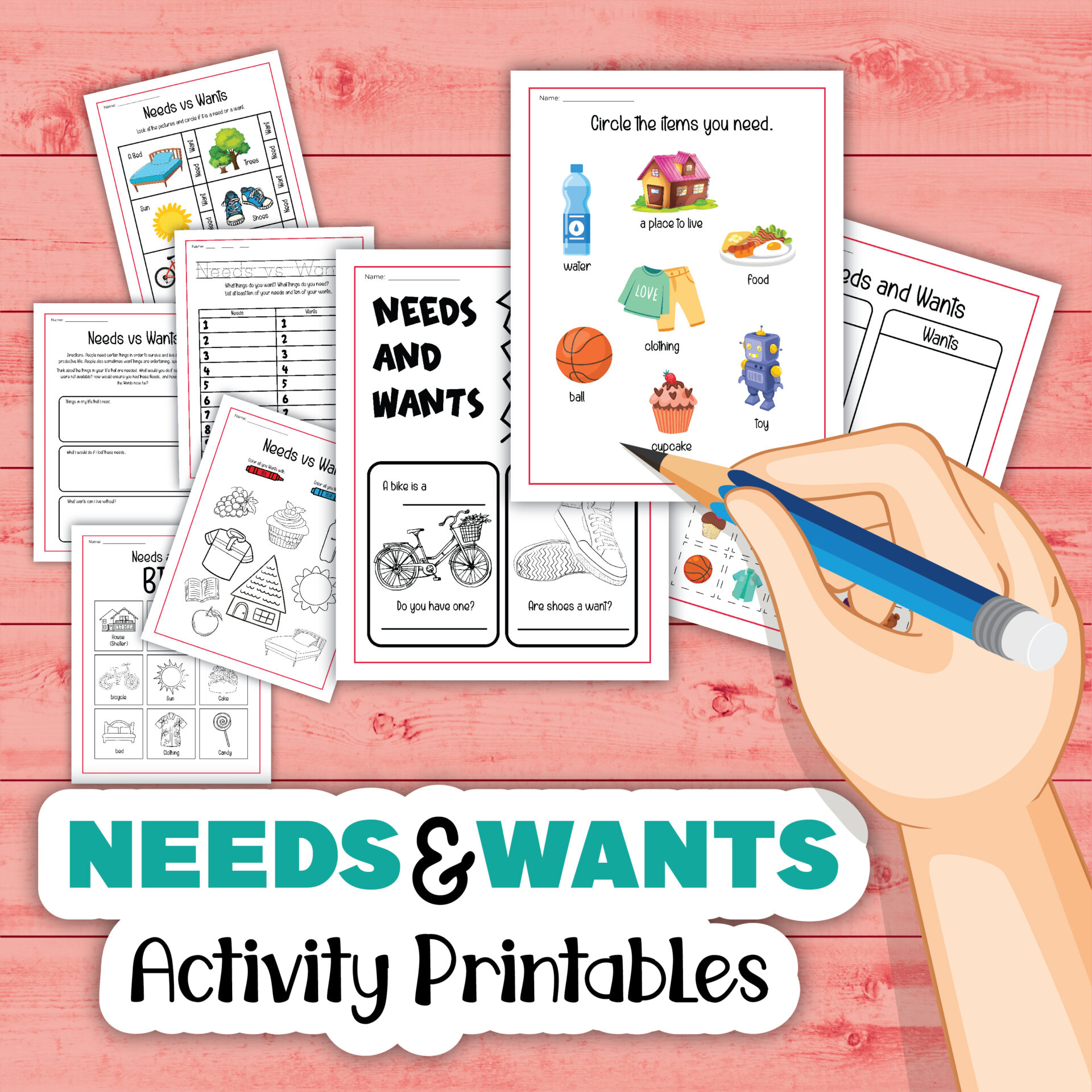
Printable images: Needs and Wants
However, it is important to note that the worksheet can also be adapted for older learners, especially those who may benefit from a refresher or a more advanced exploration of the topic. By adjusting the complexity of the scenarios and activities, the worksheet can cater to a wide range of ages and learning levels, ensuring that the concept remains relevant and engaging for all.

Self-care: Mental Health Worksheets
How to Use the Worksheet Effectively: Practical Tips
When utilizing the "needs and wants worksheet", there are several practical considerations to ensure a smooth and effective learning experience. Firstly, it is important to choose the right format for your needs. The worksheet is available in both digital and printable formats, allowing for flexibility in how it is used. Whether you prefer a hard copy for hands-on learning or a digital version for easy accessibility, the choice is yours.
Social media: Reporting Guide
For those opting for a printable version, consider the printing process and the quality of the final product. Ensure that the worksheet is printed clearly and at an appropriate size, allowing for easy reading and engagement. Additionally, consider the durability of the paper used, especially if the worksheet is intended for repeated use or group activities. By paying attention to these details, you can create an optimal learning environment and enhance the overall effectiveness of the worksheet.
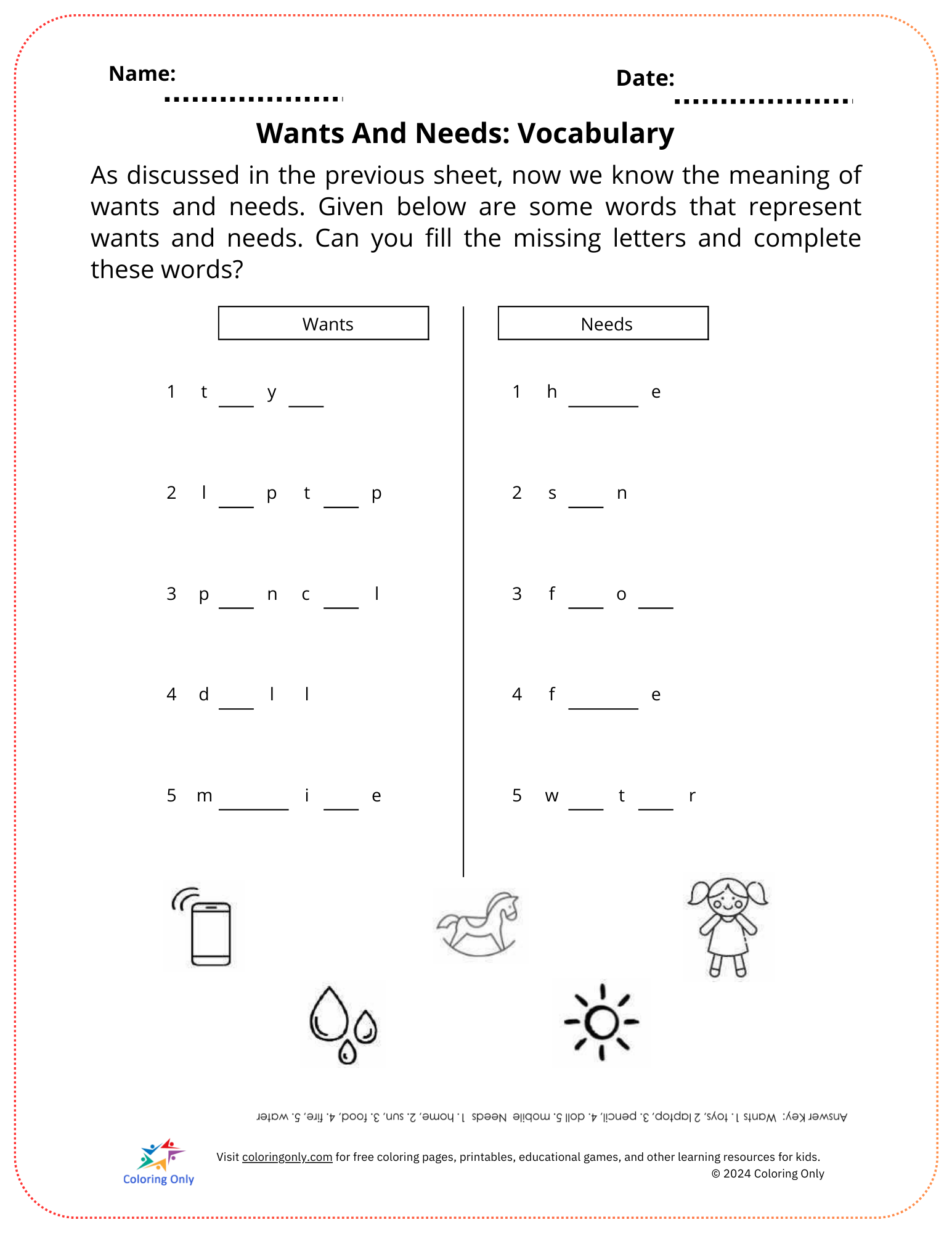
Water conservation: Free Printable
Prioritizing Life Necessities: A Useful Practice Scenario
One of the most valuable aspects of the "needs and wants worksheet" is its ability to provide a practical application of the concept. By engaging with the worksheet, learners can develop a priority checklist, identifying their essential life necessities and distinguishing them from emotional cravings or personal aspirations. This exercise not only reinforces their understanding of needs and wants but also empowers them to make informed decisions in their daily lives.
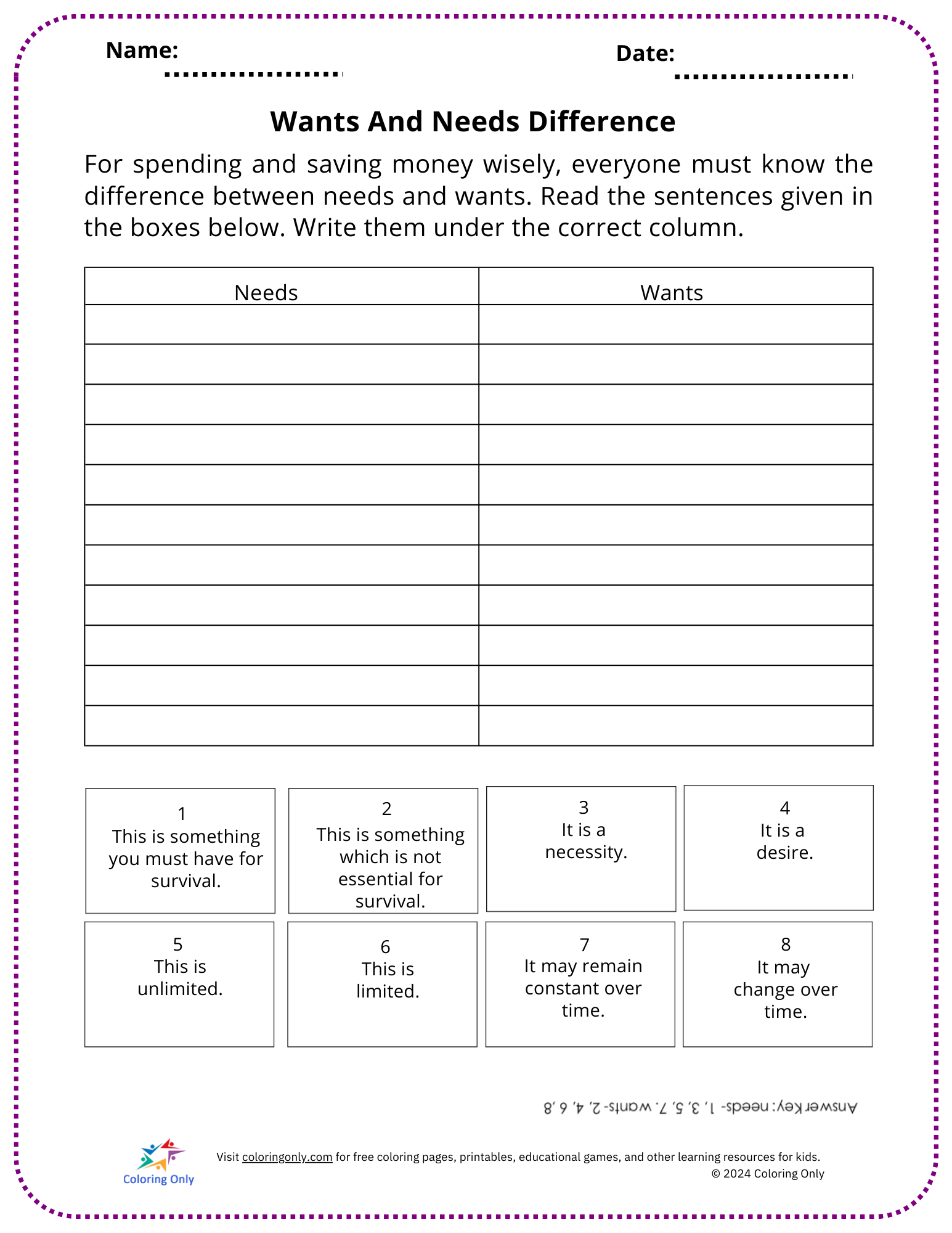
Wants and Needs: Understanding the Difference
For example, a learner might use the worksheet to prioritize their basic requirements, such as food, shelter, and clothing, over material desires like the latest gadget or trendy fashion item. Through this practice, they learn to recognize the difference between what is truly necessary for their well-being and what is merely a desire. This skill not only has financial implications but also extends to their overall sense of fulfillment and satisfaction, fostering a healthy and balanced approach to life.

Materials: Types and Categories
Furthermore, the "needs and wants worksheet" can be a valuable tool for parents and educators to facilitate open conversations about financial literacy and personal responsibility. By working through the worksheet together, learners can gain insights into their own priorities and develop a deeper understanding of the impact of their choices. This collaborative approach not only strengthens the learning experience but also fosters a sense of trust and open communication between learners and their mentors.
Distinguishing between needs and wants is an ongoing practice, and it's a skill that can truly empower you to make more conscious choices. Remember, it's all about finding that balance and ensuring your decisions align with your priorities.
So, go ahead and give it a go! Print out a needs and wants worksheet, jot down your thoughts, and see how this simple tool can bring clarity to your financial and personal goals. Leave a comment or share your experience below; we'd love to hear how this practice has impacted your perspective!
Free printable: Wants and Needs practice