



Math Worksheets 3rd Grade Kindergarten Overview
Math can be a tricky subject, and sometimes we need a little extra practice to wrap our heads around certain concepts. That's where resources like the triangle angle sum theorem worksheet come in handy! It's a great tool for anyone wanting to sharpen their skills and gain a deeper understanding of triangle angles. If you're looking for more practice, you might also find our triangle sum theorem practice problems helpful. And if you're a parent or teacher, we've got you covered with some easy money math worksheets too! Check out 15 Easy Money Math Worksheets for Kids for a fun way to reinforce basic math skills.
Triangle angle sum theorem notes and practice.
The Triangle Angle Sum Theorem: Unlocking Triangle Secrets
The triangle angle sum theorem is a fundamental concept in geometry, and this dedicated worksheet is a powerful tool to master it. By understanding and applying this theorem, learners can unlock a deeper comprehension of triangle angles and their relationships. Let's explore how this worksheet can enhance your mathematical journey.
Exterior angle theorem notes and worksheets.
Exploring Exterior Angles and Their Sum
While the triangle angle sum theorem focuses on interior angles, its counterpart, the exterior angle theorem, is equally intriguing. This theorem reveals that the measure of an exterior angle of a triangle is equal to the sum of the measures of the two remote interior angles. Imagine a triangle with its corners gently pushed outwards, forming new angles. These exterior angles, when measured, will always add up to the same sum as the interior angles!
Triangle sum theorem and exterior angles.
This concept is a powerful tool for learners to visualize and understand the properties of triangles. By practicing with exterior angle theorem worksheet questions, students can develop a comprehensive understanding of angle measurement and the unique characteristics of triangles.
Triangle angle sum worksheet answers.
People Also Ask: What's the Triangle Angle Sum Theorem?
The triangle angle sum theorem is a fundamental concept in geometry, stating that the sum of the interior angles of any triangle is always 180 degrees. This theorem applies to all triangles, regardless of their shape or size. It's a powerful tool for understanding the properties of triangles and their angles.
Sum of angles in a triangle practice.
For instance, consider a simple right-angled triangle. Even though one angle is 90 degrees, the remaining two angles must still sum up to 90 degrees to satisfy the theorem. This consistency across all triangles is what makes the theorem so valuable and applicable to various geometric problems.
Triangle sum and exterior angle worksheet.
How to Use the Triangle Angle Sum Theorem Worksheet
The triangle angle sum theorem worksheet is a versatile tool that can be used in various learning environments, from classrooms to homeschooling and tutoring sessions. Here's a step-by-step guide on how to make the most of this valuable resource:
Master triangle angle sum theorem.
- Print and Prepare: Begin by printing the worksheet. Ensure you have enough copies for each student or learner. If you're working with younger students, consider printing the worksheet on thicker paper or card stock to make it more durable and easier to write on.
Triangle angle sum theorem activity.
- Introduce the Concept: Before diving into the worksheet, take a moment to explain the triangle angle sum theorem. Discuss how this theorem applies to all triangles and how it helps us understand the relationships between angles. You can use simple examples or diagrams to illustrate the concept.
Angle sum theorem worksheet.
- Practice with Basic Questions: Start with the simpler questions on the worksheet. These questions often involve finding the missing angle in a triangle when the other two angles are given. Encourage students to apply the theorem and calculate the sum of the known angles, then subtract this sum from 180 degrees to find the missing angle.
Triangle interior angle sum worksheet.
- Progress to Challenging Scenarios: As students become more comfortable with the theorem, introduce more complex questions. These might involve triangles with multiple unknown angles or triangles where students need to apply the theorem in reverse, finding the sum of angles based on a given total.
Triangle sum and exterior angle practice.
- Encourage Critical Thinking: Triangle angle sum theorem worksheet questions can be designed to promote critical thinking. For instance, some questions might require students to identify which angles are interior and which are exterior, or to apply the theorem to non-traditional triangle shapes, like those with angles greater than 180 degrees.
Triangle angle sum theorem blog post.
- Review and Discuss: After completing the worksheet, take time to review the answers as a group. Discuss any challenges students faced and share different approaches to solving the problems. This collaborative review can reinforce learning and help students develop a deeper understanding of the theorem.
Hands-On Practice: Applying the Theorem
One of the most effective ways to reinforce the triangle angle sum theorem is through hands-on practice. By creating simple activities that apply the theorem, learners can develop a deeper understanding of triangle angles and their relationships.
For instance, consider a classroom activity where students are given a set of angles and asked to create different triangles using these angles. By applying the theorem, they can determine which sets of angles will form a triangle and which will not. This practical application not only reinforces the theorem but also encourages critical thinking and problem-solving skills.
Another engaging activity could involve measuring angles in real-life objects or environments. Students can go on a "triangle hunt," identifying triangles in their surroundings and measuring their angles. By applying the theorem, they can calculate the sum of the interior angles and compare it to the expected sum of 180 degrees. This hands-on approach not only makes learning fun but also helps students develop a deeper connection with the concept.
The triangle angle sum theorem is an exciting concept to explore, and with this worksheet, you have a fun way to dive into it. It's a great opportunity to enhance your geometry skills and gain a deeper insight into triangles.
So, go ahead, grab a pen and paper, and give it a go! Practice makes perfect, and with this theorem, you'll be mastering triangle angles in no time. Leave a comment or share your experience below; we'd love to hear how it went and if you discovered any triangle secrets!
Free triangle angle sum theorem worksheet.
Read also: 26 Free Kindergarten Math Worksheets
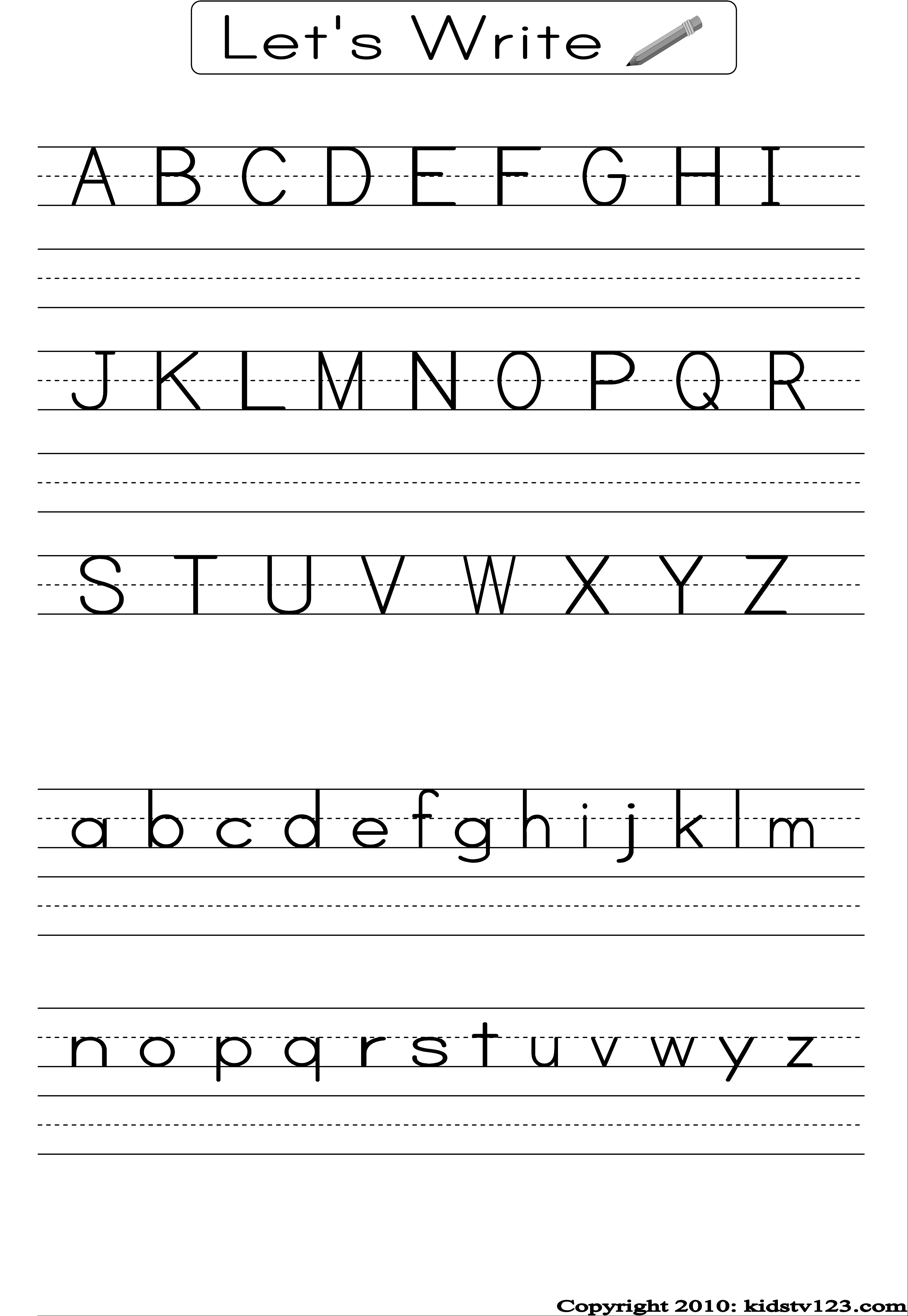
Related: 30 Handwriting Worksheets for Kindergarten
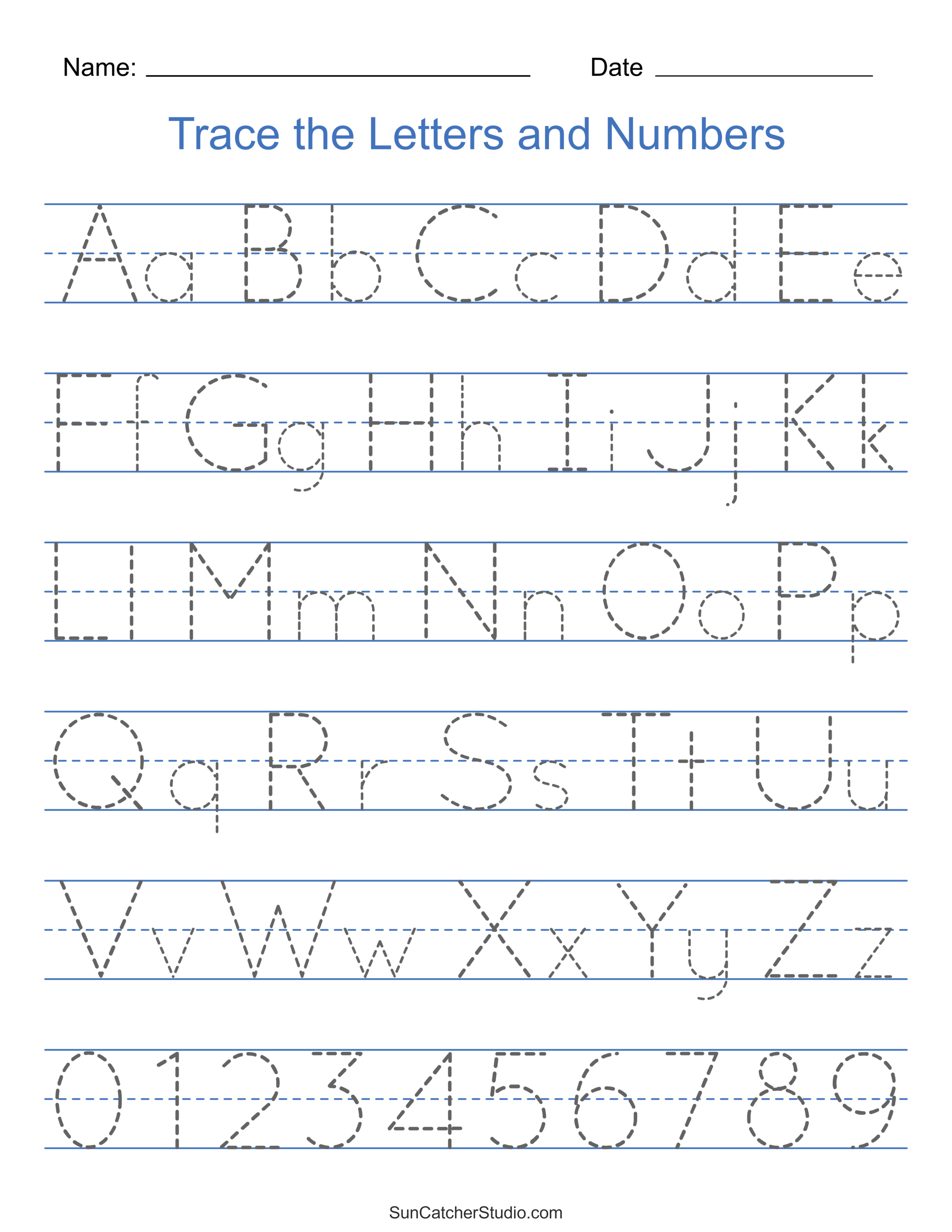
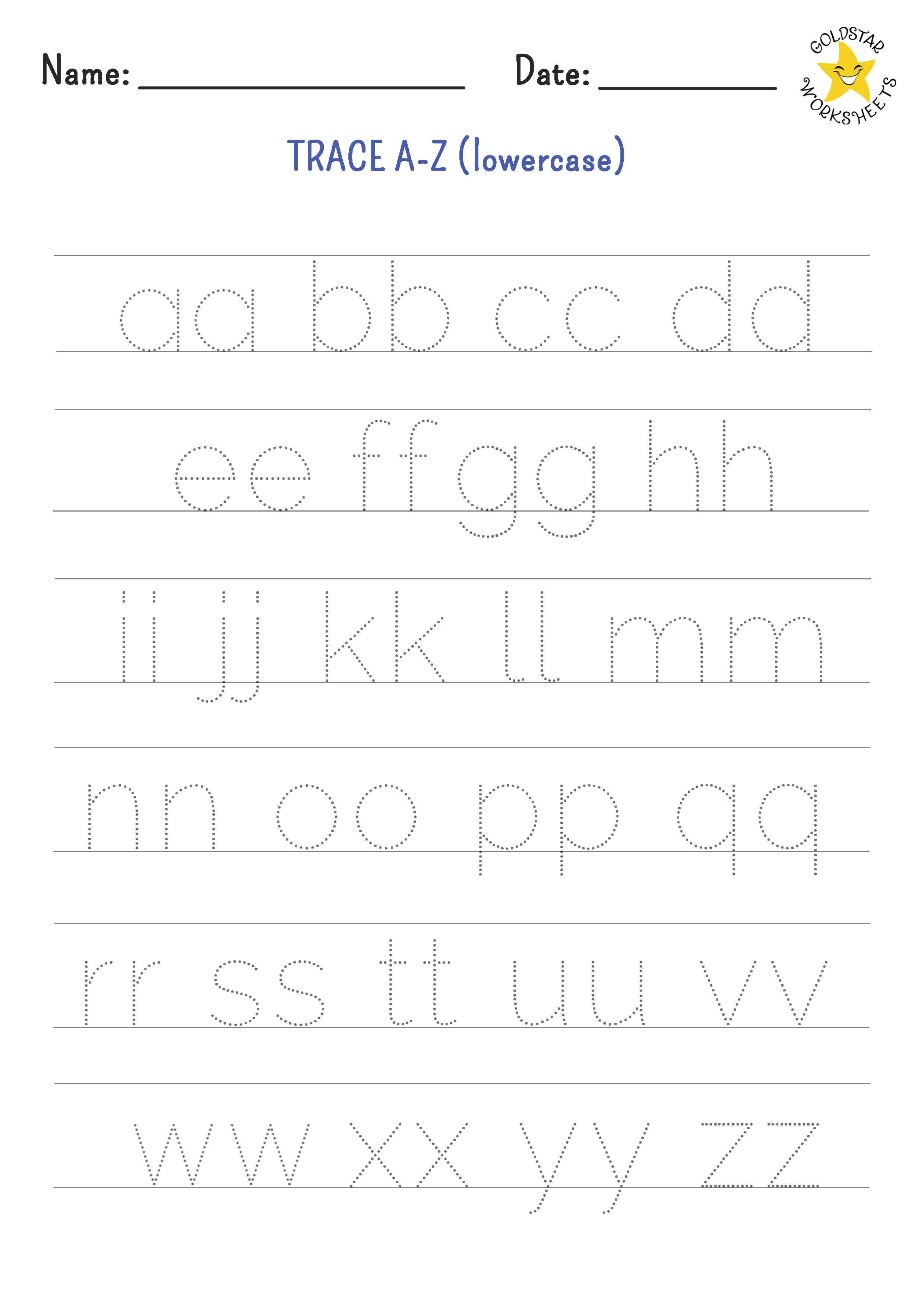
Teaching kids to write can be a fun yet challenging journey. As a parent or teacher, you might be on the lookout for resources to help your little ones practice their handwriting. Handwriting worksheets for kindergarten are a great way to engage young learners and provide them with a structured practice routine. These worksheets offer a range of benefits, from improving fine motor skills to boosting confidence in writing. Check out free printable handwriting sheets for kindergarten like the ones in our collection 29 Free English Worksheets for Classroom Fun to get started!
Practice handwriting with fun activities.
A Fun Way to Master the Basics: Handwriting Worksheets for Kindergarten
Kindergarten is an exciting time for young learners as they take their first steps into the world of writing. Handwriting worksheets are an excellent tool to guide them through this journey, offering a structured and engaging approach to mastering the fundamentals. These worksheets provide a fun and effective way for kids to practice their handwriting skills, from forming letters to building confidence in their writing abilities.
Printable handwriting practice for kids.
Beyond Tracing: Creative Approaches to Kindergarten Writing Practice
While tracing letters is a common and beneficial activity for beginners, handwriting worksheets offer a range of creative and interactive practices to keep kids engaged and motivated. Beyond simple tracing, these worksheets can include activities like:
Kids' handwriting practice made free.
- Letter Tracing Fun: Kids can trace letters with different colors or even glitter pens, adding an element of excitement and creativity to their practice.
- Write and Learn: Some worksheets incorporate fun writing prompts, encouraging kids to write short sentences or stories, thus improving their handwriting and language skills simultaneously.
- Funny Alphabet Sheets: Worksheets with funny illustrations or characters associated with each letter can make learning more enjoyable and memorable.
- Handwriting Fun Time: Incorporating games or challenges, like a letter hunt or a race to finish a sentence, can turn handwriting practice into a fun activity.
Custom writing practice sheets for all.
These creative approaches not only make learning more enjoyable but also help kids develop a positive association with writing, fostering a love for learning from an early age.
Combine sentences for writing practice.
How Do Handwriting Worksheets Help Kindergarteners?
Handwriting worksheets are designed to cater to the unique needs and abilities of kindergarteners. They provide a structured framework for kids to practice and improve their handwriting skills, offering a range of benefits, including:
Summer handwriting practice for kids.
- Improving Fine Motor Skills: The precise movements required in handwriting help strengthen the small muscles in the hands and fingers, improving fine motor control and coordination.
- Early Writing Skills: Worksheets introduce kids to the basic strokes and formations of letters, helping them develop a solid foundation for writing.
- Building Confidence: As kids progress through the worksheets, they gain a sense of achievement and confidence in their writing abilities, encouraging them to take on more challenging tasks.
- Visual and Spatial Awareness: Handwriting worksheets often include activities that require kids to understand and respect the boundaries of lines and spaces, enhancing their visual and spatial awareness.
Family-themed worksheet for kindergarteners.
By providing a focused and enjoyable practice routine, handwriting worksheets play a crucial role in a child's early writing development.
Free printable tracing letter worksheets.
Who Can Benefit from Using Handwriting Worksheets?
Free printable handwriting sheets kindergarten are versatile resources that can benefit a wide range of learners and educators, including:
Practice handwriting with your name.
- Kindergarten Teachers: Worksheets provide a ready-made resource for teachers to incorporate into their lesson plans, offering a structured and engaging practice routine for their students.
- Homeschooling Parents: Handwriting worksheets offer a convenient and effective way for parents to teach their kids at home, providing a clear progression in handwriting skills.
- Tutors: Tutors can use worksheets to reinforce handwriting skills and provide additional practice for their students, ensuring a solid foundation in writing.
- Kids Learning at Home: Worksheets are an excellent tool for kids to practice independently, offering a fun and structured approach to improving their handwriting.
Printable writing worksheets for kindergarten.
Whether used in a classroom, homeschool, or as a supplementary resource, handwriting worksheets are a valuable asset for anyone involved in a child's early writing education.
[Non-English text; ignored as per rules.]
Practical Tips for Using Handwriting Worksheets
When it comes to using handwriting worksheets, there are a few practical considerations to keep in mind:
Fun handwriting practice sheets for kids.
- Printing and Preparation: Ensure you have a good quality printer and paper to produce clear and legible worksheets. Consider using different colored papers or adding stickers to make the worksheets more visually appealing.
- Progression and Difficulty: Start with simpler worksheets and gradually introduce more challenging ones as your child's skills improve. This progressive approach ensures a steady development of handwriting skills.
- Incorporating into Learning: Handwriting worksheets can be used as a warm-up activity, a break between other subjects, or as a fun homework assignment. Find the right balance and timing to keep your child engaged and motivated.
- Individualized Practice: Observe your child's progress and provide additional support or challenges as needed. Some kids may benefit from extra practice, while others might need more creative or engaging worksheets to stay motivated.
By following these practical tips, you can make the most of handwriting worksheets and create an enjoyable and effective learning experience for your child.
A Stepping Stone to Writing Fluency: Handwriting Worksheets for Kindergarten
Handwriting worksheets serve as an essential stepping stone in a child's journey towards writing fluency. By providing a structured and engaging practice routine, these worksheets help kindergarteners develop the foundational skills needed for writing. As kids progress through the worksheets, they not only improve their handwriting but also build a strong foundation for future learning, setting them up for success in their academic journey.
With a wide range of activities and creative approaches, handwriting worksheets offer a fun and effective way to teach kids the art of writing. So, whether you're a teacher, parent, or tutor, consider incorporating these worksheets into your teaching repertoire and watch your little ones flourish as they learn to write with confidence and enjoyment.
Remember, you can find a wealth of resources, including 26 Free 7th Grade Worksheets for Class, to support your teaching journey and cater to a range of learning levels and subjects. Happy teaching and learning!
So, there you have it! Handwriting worksheets are a fantastic resource to support your little ones' writing adventures. They offer a fun and interactive way to learn, and with these worksheets, your kindergartners can really get a grasp of the basics.
Why not give them a go and see the magic unfold? Print out a few, gather some colorful pens, and let your kids' creativity flow. It's a great way to engage them and watch their writing skills soar. Leave a comment or share your experience below; we'd love to hear how these worksheets work their magic!
Improve writing skills with worksheets.
Related: 14 Self Esteem Worksheets to Try
Sometimes, finding the right resources to help boost our confidence and self-worth can be a challenge. Whether it's for ourselves or our kids, having a practical tool like a self-esteem worksheet can make a world of difference. These worksheets, like the ones we used in 4th-grade writing class, are a fantastic way to guide and support personal growth.
Therapist-designed self-esteem exercises.
Building Confidence: A Self-Esteem Focus
When it comes to fostering self-esteem and confidence, self-esteem worksheets are an incredibly valuable tool. These worksheets offer a structured and engaging way to explore and enhance one's self-worth, making them an excellent resource for personal growth. By providing a guided approach, they empower individuals to identify their strengths, challenge negative beliefs, and develop a more positive self-image.
Free activities to boost self-worth.
Uncovering Strengths: A Journey of Self-Discovery
One of the key aspects of self-esteem worksheets is their ability to help individuals recognize their personal strengths and unique qualities. These worksheets often include activities and prompts that encourage self-reflection and introspection. For instance, learners might be asked to list their accomplishments, skills, or positive traits, helping them gain a deeper understanding of their capabilities and potential.
PDF guide to raising self-esteem.
These worksheets can be particularly beneficial for students in their early years, such as those in elementary or middle school. By introducing self-esteem activities early on, educators and parents can lay a strong foundation for positive self-perception and emotional well-being. Additionally, self-esteem worksheets can be adapted for different age groups, offering more complex challenges and deeper reflections as students progress through their academic journey.
Confidence-building exercises for adults.
People Also Ask: How Do Self-Esteem Worksheets Benefit Learners?
Self-esteem worksheets offer a range of benefits that contribute to a learner's overall growth and well-being. One of the key advantages is the opportunity to identify and challenge negative thoughts and beliefs. By recognizing and addressing these thoughts, individuals can develop a more positive and realistic self-image.
Self-expression activities for self-esteem.
These worksheets also promote the practice of positive self-talk, encouraging learners to replace negative self-criticism with kind and encouraging statements. This shift in mindset can have a powerful impact on one's confidence and overall mental health. Furthermore, self-esteem worksheets often guide individuals in setting realistic goals and celebrating their achievements, no matter how small. This process of goal-setting and self-appreciation fosters a sense of accomplishment and motivates continued personal growth.
Building self-esteem, one step at a time.
Practicing Self-Compassion: A How-To Guide
When using self-esteem worksheets, it's essential to create a safe and supportive environment. Whether in a classroom, homeschool setting, or one-on-one tutoring session, ensure that learners feel comfortable expressing themselves honestly. Here are some practical tips for incorporating these worksheets into learning:
Printable worksheets for young children.
- Start with simple activities: Begin with basic prompts or questions that encourage learners to identify their strengths and positive qualities. This can help build their confidence and prepare them for more challenging reflections.
- Provide guidance and support: Offer guidance and encouragement throughout the worksheet activities. Reassure learners that self-reflection is a personal journey and that there are no right or wrong answers.
- Encourage open dialogue: Create opportunities for learners to share their thoughts and experiences. This can be done through group discussions, partner activities, or individual reflections shared with the class or tutor.
- Celebrate progress: Acknowledge and celebrate learners' efforts and progress. Recognize their achievements, no matter how small, and encourage them to reflect on their growth.
Positive self-talk for improved self-esteem.
Reflect and Grow: A Continuous Journey
The beauty of self-esteem worksheets lies in their ability to facilitate a continuous journey of self-discovery and growth. By regularly engaging with these worksheets, individuals can develop a deeper understanding of themselves and their potential. As learners progress, the worksheets can evolve to include more advanced activities and challenges, allowing them to explore new aspects of their self-esteem and confidence.
Simple exercises to enhance self-esteem.
For instance, after mastering the basics of identifying strengths and positive self-talk, learners can move on to more complex tasks. They might explore setting realistic goals, developing action plans, and reflecting on their progress over time. This progression ensures that self-esteem activities remain engaging and relevant, fostering continued personal development.
Free printable self-esteem worksheets.
In addition to their educational value, self-esteem worksheets can also be a valuable resource for mental health professionals and therapists. Self-esteem worksheet therapist aid materials often include more specialized activities and prompts, tailored to address specific challenges and promote healing. These resources can be particularly beneficial for individuals seeking support in building their self-esteem and overall well-being.
Self-esteem worksheet for teenagers.
To further enhance the learning experience, educators and parents can explore a wide range of free printable self-esteem worksheets available online. These resources offer a convenient and accessible way to incorporate self-esteem activities into various learning environments. Whether used in a classroom, homeschool, or tutoring setting, these worksheets provide a practical and engaging tool for fostering confidence and self-worth.
Self-confidence bundle for a thriving mind.
For those seeking more advanced resources, 21 Decimal Division Worksheets for Practice offer a challenging yet rewarding learning experience. These worksheets build on basic mathematical concepts, helping learners develop their problem-solving skills and confidence in tackling complex calculations. By combining self-esteem activities with academic challenges, educators can create a well-rounded and engaging learning environment.
Self-esteem is a powerful tool, and these worksheets are a fantastic way to kickstart your journey towards a healthier, more confident you. They offer a unique and personal experience, allowing you to explore your thoughts and feelings in a safe space.
So, why not give it a go? Print out a worksheet, find a quiet moment, and see how it can benefit your self-discovery. It's a simple yet effective practice, and you might just surprise yourself with the insights you gain. Leave a comment or share your experience below; we'd love to hear how these worksheets have helped you!
Bundle of self-confidence building tools.
Read also: 22 Free 2 Step Equations Worksheets Pdf


![telling time worksheet]](https://i2.wp.com/www.activityshelter.com/wp-content/uploads/2016/05/printable-math-games-calculator.jpg)