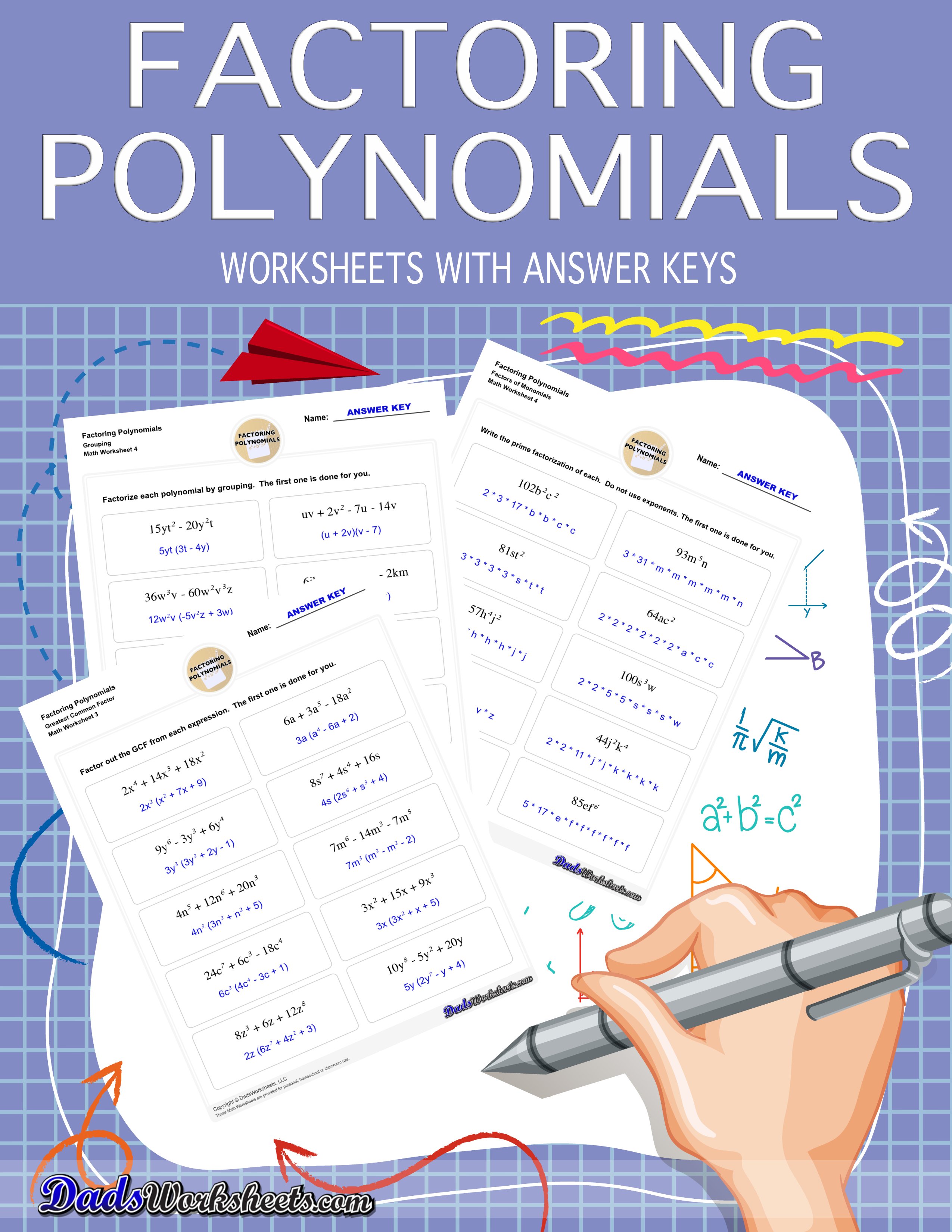


Math Worksheets 3rd Grade Grade 4 Overview
As a parent, I'm always on the lookout for fun and engaging ways to help my little one practice their writing skills. Kindergarten worksheets writing can be a real lifesaver, offering a simple and effective way to reinforce those early writing lessons. With so many options available, like free printable kindergarten worksheet writing and even kindergarten worksheets writing numbers, it's easy to find something that suits your child's needs and keeps them interested.
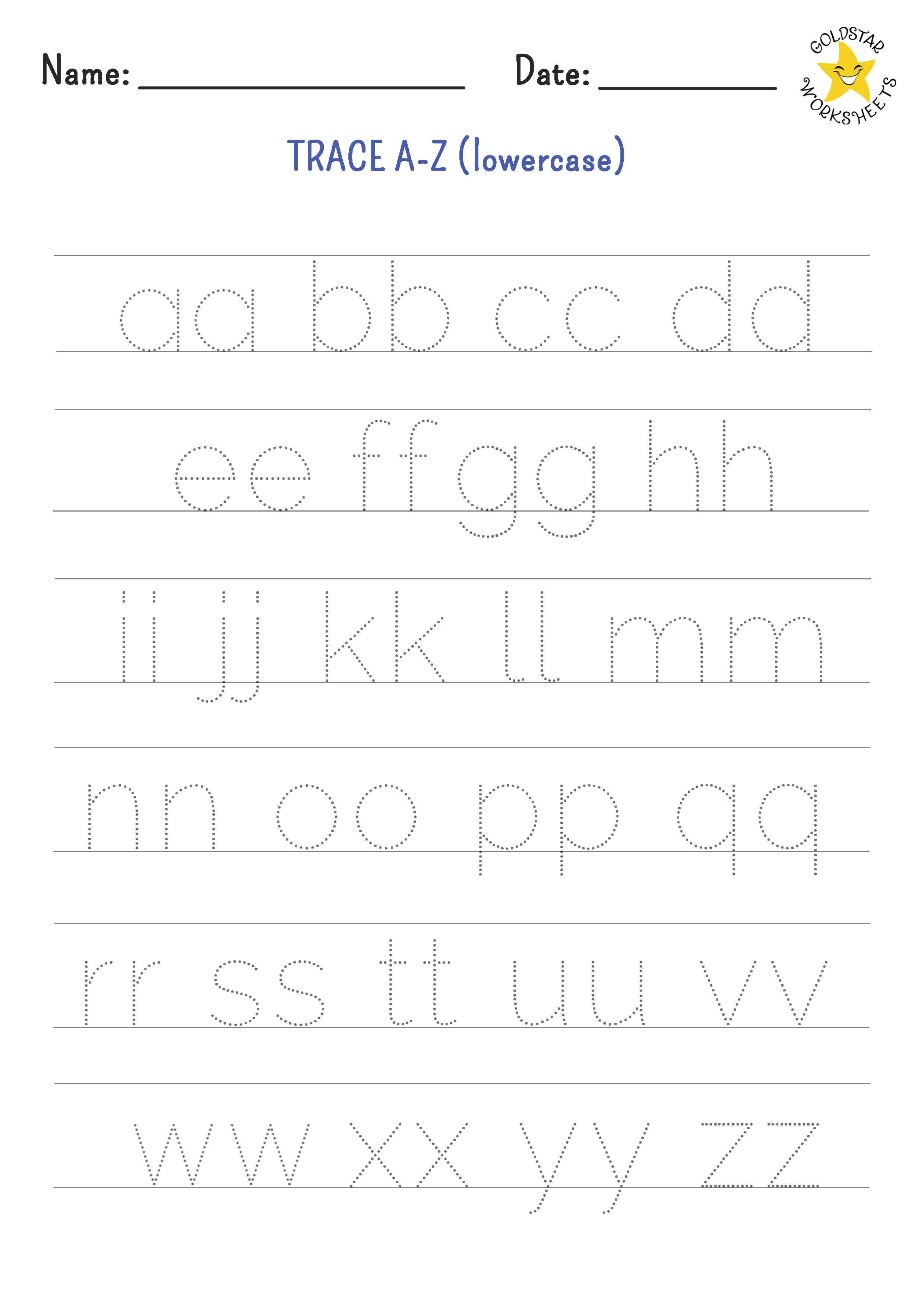
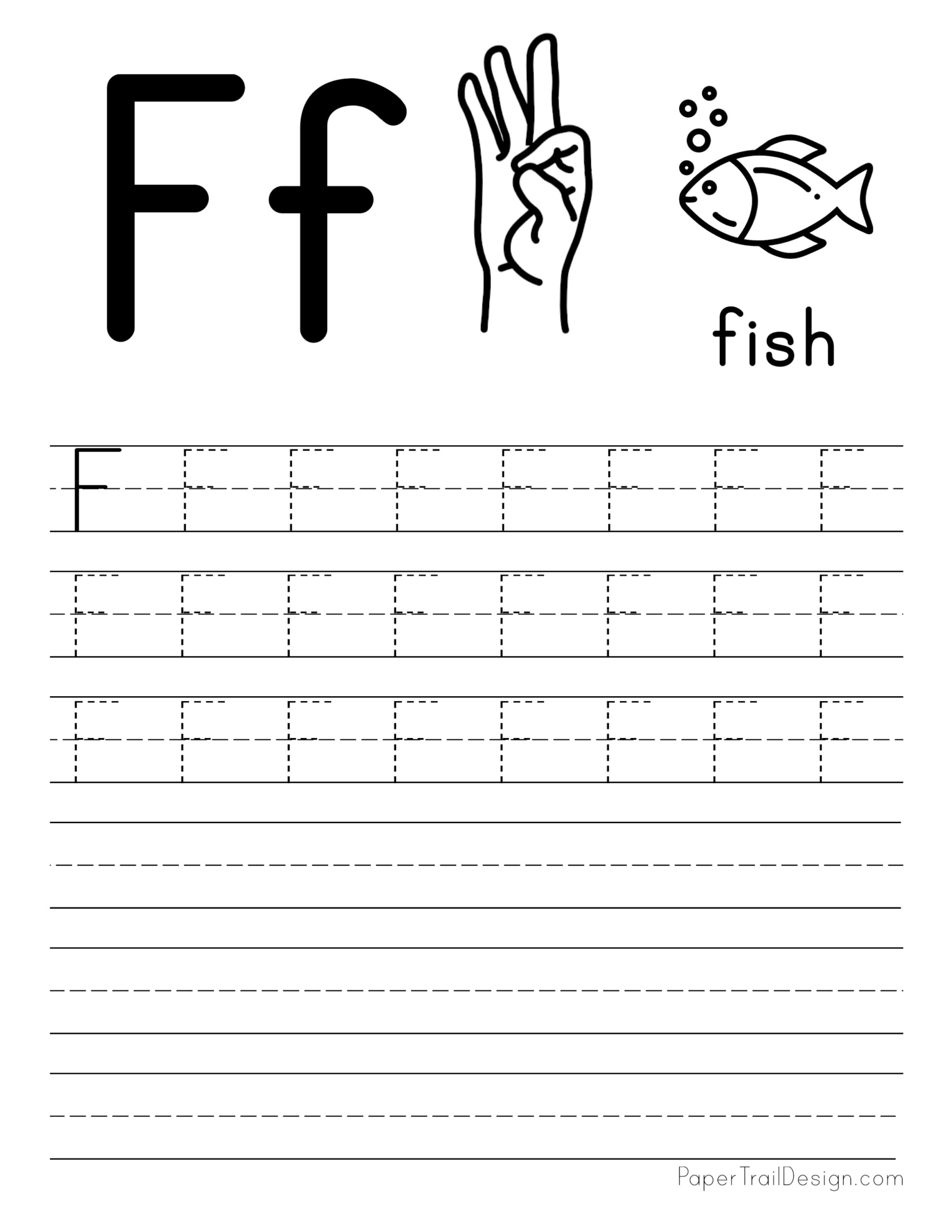
Printable Handwriting Worksheets For Kindergarten
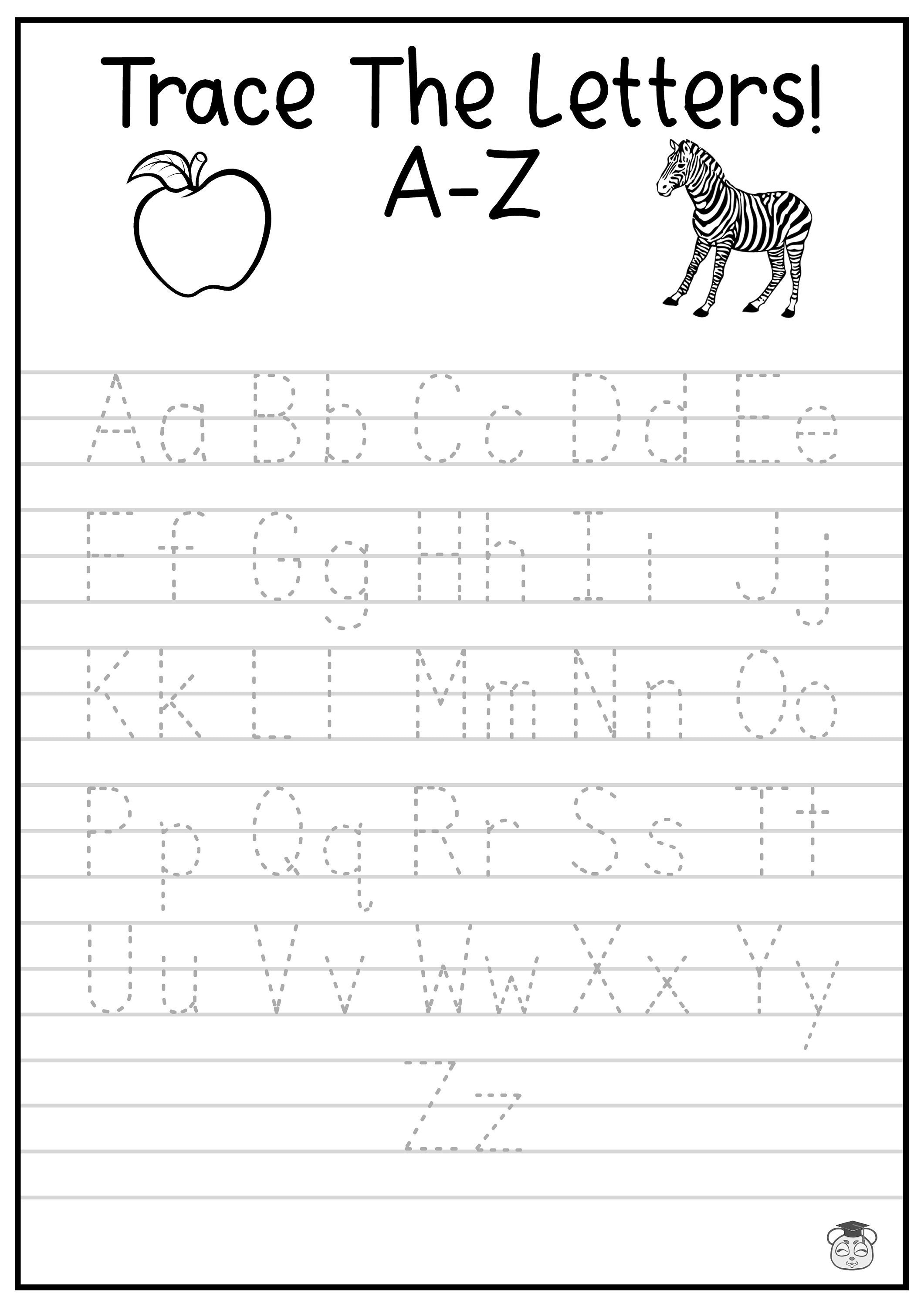
Tracing Letters and Words: A Fun Writing Foundation
Kindergarten worksheets focused on writing are an excellent tool to help young learners develop their handwriting skills and build a strong foundation for future writing tasks. These worksheets offer a structured and engaging way to practice letter formation, word recognition, and early writing techniques. By providing a variety of activities and exercises, these resources cater to different learning styles and keep children motivated as they progress.
Free Reading And Writing Worksheets For Kindergarten — Reading Worksheets
Beyond Basic Tracing: Creative Writing and Handwriting Development
While tracing letters and numbers is a common starting point, kindergarten worksheets writing offers much more. These resources can include a range of activities like word search, color-coding, and story prompts to encourage creative thinking and improve handwriting fluency. As children progress, the worksheets can introduce more complex tasks, such as writing sentences, copying text, and even simple storytelling. This progressive approach ensures that learners are constantly challenged and motivated to improve their writing skills.
Worksheet On Writing Decimals
People Also Ask: What Skills Do These Worksheets Target?
Kindergarten worksheets for writing aim to develop a range of fundamental skills. Beyond the obvious focus on handwriting and letter formation, these resources also enhance fine motor skills, visual perception, and cognitive abilities. By engaging in various writing activities, children learn to control their pencil grip, improve hand-eye coordination, and develop an understanding of spatial relationships. Additionally, these worksheets often incorporate elements of language development, helping children recognize and form words, and eventually, simple sentences.
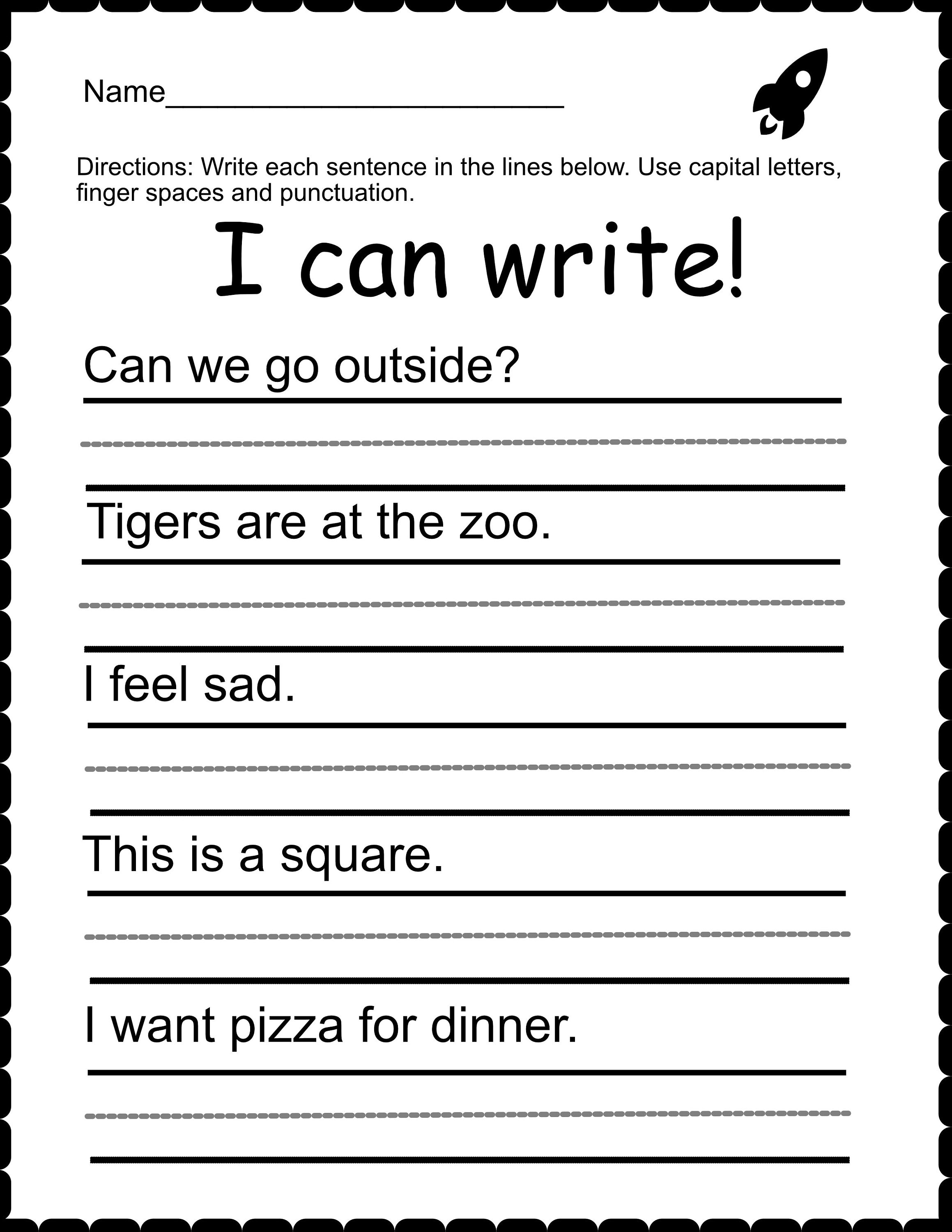
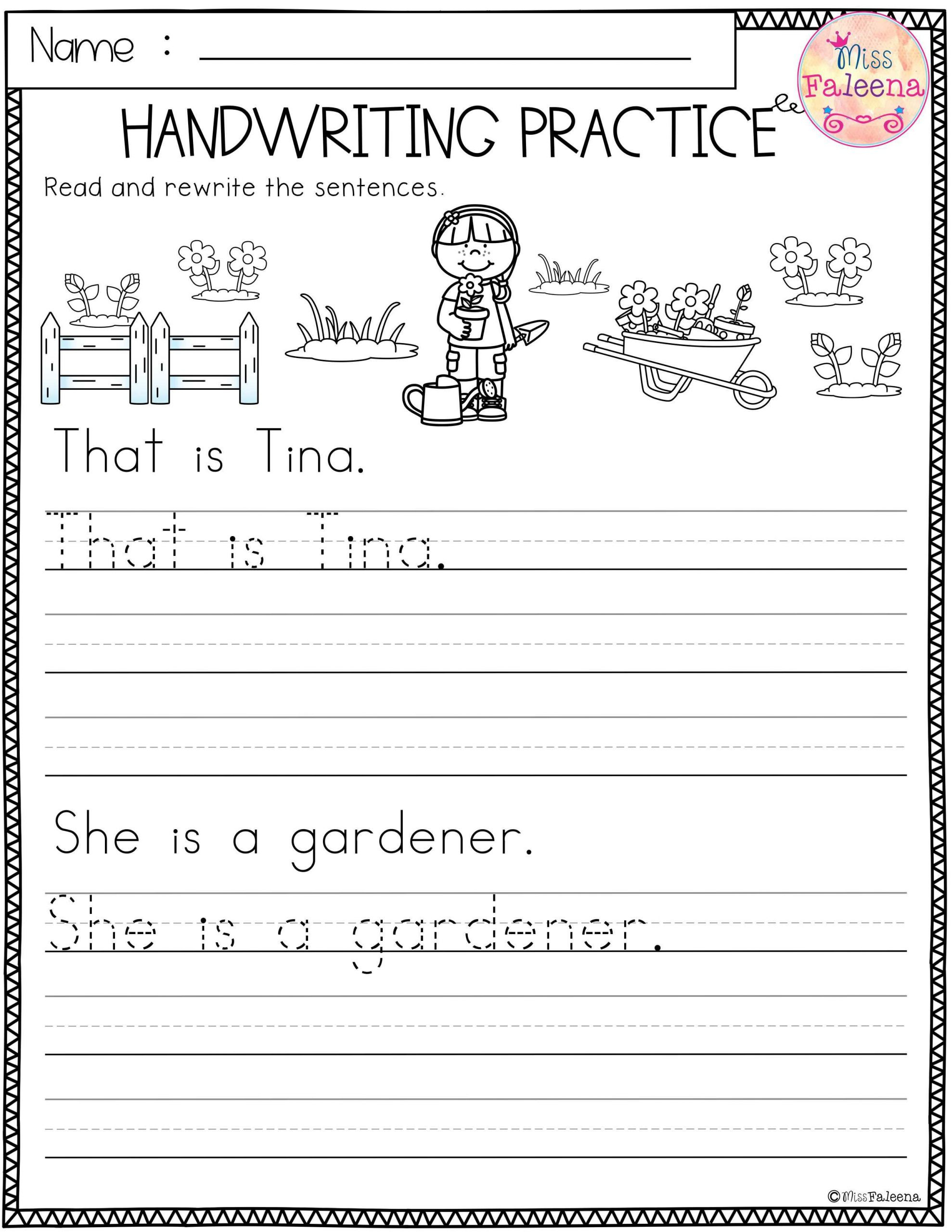
Sentence Tracing Worksheets - Writing Practice Worksheet
How to Make the Most of Kindergarten Writing Worksheets
To effectively utilize kindergarten worksheets writing, it's important to consider the child's age, grade level, and individual needs. For younger learners or those new to writing, start with basic tracing exercises and gradually introduce more complex tasks. Offer guidance and support, ensuring that the child understands the correct letter formation and writing techniques. As they progress, encourage independent practice and provide positive reinforcement to boost their confidence. Remember, these worksheets are flexible tools that can be adapted to suit different learning environments, whether in a classroom, during homeschooling, or as supplementary practice at home.
Family Worksheet For Kindergarten
Creative Writing Prompts: A Fun Twist on Learning
One of the most enjoyable aspects of kindergarten worksheets writing is the opportunity to incorporate creative writing prompts. These prompts can be simple sentence starters or fun story ideas that spark children's imagination. By engaging in creative writing, learners not only improve their handwriting but also develop their storytelling skills, vocabulary, and overall language proficiency. This approach makes learning fun and encourages a love for writing from an early age. Additionally, creative writing prompts can be tailored to different themes or topics, making learning more engaging and relevant to the child's interests.
Tracing Numbers (Free Printable Practice PDF Worksheets) - DIY ...
With so many options available, kindergarten worksheets writing offers a versatile and effective way to support early writing development. Whether used in a classroom setting, as part of a homeschooling curriculum, or for independent practice at home, these resources provide a structured yet enjoyable learning experience. By offering a range of activities and progressive challenges, kindergarten worksheets writing ensures that young learners build a strong foundation in handwriting and writing skills, setting them up for success in their educational journey.
Free printable sentence writing worksheets for kindergarten ...
Remember, when exploring kindergarten worksheets writing, it's essential to find resources that align with your child's interests and learning style. With the right worksheets, writing practice can become an exciting adventure, fostering a lifelong love for learning and self-expression. So, embrace the power of these practical tools and watch your little ones thrive as they embark on their writing journey!
Free Kindergarten Worksheets Printable - prntbl.concejomunicipaldechinu ...
first grade writing worksheets free printable | Printable Worksheets
free printable printable writing kindergarten worksheets - Google ...
Cvc Words Writing
Kindergarten Writing Worksheets -Worksheets Library - Worksheets Library
Writing is an incredible skill to nurture, and these worksheets are a fantastic way to get your little ones excited about it! With a bit of practice and these fun resources, they'll be writing like pros in no time.
So, go ahead and give these worksheets a go! It's a great way to spend some quality time with your child, and who knows, you might just inspire a future author or poet. Leave a comment or share your experience below; we'd love to hear how it goes!
Kindergarten Handwriting Worksheets: Fun Activities to Improve Writing ...
Read also: 23 Reading Worksheets for Kindergarten
Related: 21 Solving Inequalities Worksheets
Sometimes, finding the right resources to practice math skills can be a challenge, especially when it comes to solving inequalities. The solving inequalities worksheet is a handy tool that can make a difference in your learning journey. It offers a structured way to practice, and with options like solving inequalities worksheet pdf and graphing inequalities worksheet, you have a variety of formats to choose from.
Practice solving inequalities with answers.
Solving Inequalities: A Fundamental Math Skill
Inequalities are a core part of mathematics, and mastering them is essential for any math learner. The solving inequalities worksheet is a versatile resource that can help students of all levels grasp this concept. It provides a structured approach to practicing and understanding inequalities, offering a range of problems and formats to cater to different learning styles and abilities.
Linear equations: practice problems.
Beyond Basic Inequalities: Exploring Advanced Concepts
While the fundamental purpose of a solving inequalities worksheet is to help learners grasp the basics, many resources go beyond simple inequality equations. Advanced worksheets might introduce concepts like compound inequality solutions, systems of inequalities, or even absolute value inequalities. These more complex topics challenge students to apply their understanding of inequalities in diverse and real-world scenarios.
Solve and graph inequalities: a skill-building exercise.
For instance, a compound inequality solution might involve solving for a range of values, like "Find all values of x such that 2x + 5 < 10 and x - 3 > -2." This type of problem requires students to think critically and apply multiple inequality solving techniques. Similarly, systems of inequalities introduce the concept of multiple inequalities working together, often represented graphically as overlapping or non-overlapping regions.
Graphing and solving inequalities: a comprehensive practice.
People Also Ask: What Are Some Common Inequality Sign Meanings?
One common question that arises when working with inequalities is the meaning of the inequality signs. The symbols <, >, ≤, and ≥ represent less than, greater than, less than or equal to, and greater than or equal to, respectively. Understanding these signs is crucial for interpreting and solving inequality equations correctly.
Solve and graph: inequality worksheet.
For example, the symbol < indicates that the left side of the inequality is strictly less than the right side. So, if we have the inequality 3x + 2 < 10, it means that the expression 3x + 2 must be less than 10 for the inequality to be true. Similarly, the symbol > indicates a strict greater than relationship.
6th grade: inequalities on a number line.
How to Use a Solving Inequalities Worksheet: Practical Tips
Using a solving inequalities worksheet effectively involves more than just solving problems. Here are some practical tips for getting the most out of this learning resource:
Graphing linear inequalities: a visual approach.
- Choose the Right Worksheet: Select a worksheet that matches your skill level and learning goals. If you're a beginner, start with basic inequality equations and gradually progress to more complex problems as you build confidence.
Solving inequalities: a practical guide.
- Read the Instructions Carefully: Pay attention to any specific instructions or guidelines provided with the worksheet. These might include tips on solving techniques, common mistakes to avoid, or even real-world applications of the concepts being practiced.
Free algebra 1: solving inequalities.
- Practice Regularly: Consistency is key when it comes to math practice. Aim to work on inequality problems regularly, even if it's just a few minutes each day. This helps reinforce your understanding and makes solving inequalities more intuitive over time.
Solving inequalities: a printable math worksheet.
- Check Your Work: Always verify your solutions by checking your work. This can involve plugging your answer back into the original inequality to ensure it satisfies the condition or, for more complex problems, using a different solving method to cross-check your solution.
Year 8: inequalities with answers.
- Seek Help When Needed: If you're struggling with a particular concept or problem, don't hesitate to seek help. Ask a teacher, tutor, or even a math-savvy friend for guidance. Online resources and math communities can also provide valuable support and alternative explanations.
Inequalities worksheet: answers included.
Applying Inequality Skills: Word Problems and Real-World Scenarios
One of the most practical ways to apply inequality skills is through inequality word problems. These problems present real-world scenarios that can be modeled and solved using inequalities. For example, a word problem might involve finding the range of temperatures at which a chemical reaction occurs, given certain conditions.
By translating real-world situations into inequality equations, students learn to apply their math skills in practical contexts. This not only reinforces their understanding of inequalities but also helps them see the relevance and applicability of math in everyday life.
Furthermore, word problems often require students to interpret and manipulate inequality signs, providing an opportunity to deepen their understanding of inequality sign meanings and their practical implications.
In conclusion, the solving inequalities worksheet is a versatile and valuable resource for math learners of all levels. It provides a structured way to practice and master the fundamental skill of solving inequalities, with the potential to explore more advanced concepts as learners progress. Whether used in a classroom, for homeschooling, or as a tutoring resource, this worksheet offers a practical and effective way to enhance math skills and build confidence in inequality solving.
Inequalities might seem tricky at first, but with consistent practice, you'll be solving them like a pro! The worksheet is a great tool to have in your math toolkit, so don't hesitate to give it a go. Remember, math is all about exploring and understanding concepts, and these worksheets provide an excellent opportunity to do just that.
So, what are you waiting for? Grab a pen, print out the worksheet, and dive into the world of inequalities. It's a fun challenge, and I'm sure you'll enjoy the process. Leave a comment or share your experience below; I'd love to hear how it goes for you!
KS3 and KS4 inequality challenges.
Read also: 17 Free Cursive Writing Worksheets
Related: 25 Worksheets for Evaluating Expressions
As a parent, I'm always on the lookout for practical resources to support my child's learning journey. Worksheet evaluating expressions is one such tool that has been a lifesaver for us. It's a simple yet effective way to practice and reinforce those essential math skills, and it's especially handy for homeschooling parents like me. I even found a great evaluating expressions practice pdf that we've been using, and it's been a breeze!
Practice evaluating expressions with variables.
Evaluating Expressions: Unlocking Math Mastery
Worksheet evaluating expressions is a powerful tool that goes beyond mere practice; it's a gateway to understanding and applying mathematical concepts with confidence. This versatile resource is designed to enhance learners' ability to manipulate and interpret expressions, a fundamental skill in the world of mathematics. Whether you're a parent, teacher, or tutor, this worksheet can be a game-changer, offering a structured approach to mastering expressions.
Evaluate expressions with simple variables.
Beyond Basic Practice: Advanced Worksheet Techniques
While the fundamental purpose of worksheet evaluating expressions is to provide practice, it offers a range of advanced techniques to challenge and engage learners. These worksheets often include a variety of question types, from simple expression evaluation to more complex tasks like identifying and substituting variables, simplifying expressions, and interpreting results. This diversity ensures that learners progress from basic skills to more sophisticated mathematical manipulations.
Pre-algebra: one-variable expression evaluation.
For instance, a worksheet might start with straightforward expressions like "Evaluate 3x + 2 when x = 4," gradually introducing more intricate problems such as "Simplify and evaluate the expression 2(x + 3) - 5 when x = -2." This progressive approach allows learners to build confidence and develop a deeper understanding of expression manipulation.
Free pre-algebra practice: evaluating expressions.
People Also Ask: What's the Best Way to Use These Worksheets?
A common query about worksheet evaluating expressions is how to maximize their educational value. The key lies in understanding the different ways these worksheets can be incorporated into learning environments. Whether used in a traditional classroom setting, for homeschooling, or as a supplement to tutoring sessions, these worksheets offer a flexible and adaptable resource.
Algebraic expressions: a math worksheet.
In a classroom, teachers can use these worksheets to reinforce lessons, provide extra practice, or even as a basis for group work and discussions. Homeschooling parents, on the other hand, can integrate them into their curriculum, offering a structured yet engaging way to teach mathematical concepts. Tutors can utilize these worksheets to identify and address specific areas of difficulty, providing targeted practice to enhance their students' understanding.
Pre-algebra: evaluating one-variable expressions.
How to Choose and Implement the Right Worksheet
Selecting the appropriate worksheet evaluating expressions is crucial to ensure it aligns with the learner's skill level and learning goals. Many resources are available, catering to different age groups and abilities. For instance, a 6th grade evaluate expressions worksheet would focus on age-appropriate challenges, while an evaluating expressions 5th grade worksheet would offer a more simplified approach.
Understanding algebraic expression evaluation.
Once the right worksheet is chosen, the next step is implementation. Consider the learning environment and the resources available. For instance, if printing is an option, having physical copies of the worksheets can be beneficial, especially for learners who prefer writing by hand. However, digital versions can also be effective, especially when combined with interactive features or online tools that allow for immediate feedback and result checking.
Download: pre-algebra expression evaluation.
Mastering Expressions: A Journey to Mathematical Proficiency
The journey of mastering expressions is a progressive one, and worksheet evaluating expressions plays a crucial role in this process. By providing a structured and engaging practice environment, these worksheets enable learners to develop a strong foundation in expression manipulation. This foundation is not only essential for academic success but also for real-world problem-solving, where the ability to interpret and simplify expressions is a valuable skill.
Algebra worksheets for grade 5.
As learners progress, they can move from simple expression evaluation to more complex tasks, such as manipulating data within expressions or interpreting the results of these manipulations. This progressive learning journey ensures that students not only understand the mechanics of expression evaluation but also develop a deeper comprehension of the underlying mathematical concepts.
Evaluate numerical expressions: activity sheet.
In conclusion, worksheet evaluating expressions is a versatile and powerful tool that offers a structured approach to mastering mathematical expressions. Whether used in a classroom, for homeschooling, or as a tutoring resource, these worksheets provide a flexible and engaging way to enhance learners' understanding and proficiency in expression manipulation. With a range of question types and progressive difficulty levels, these worksheets cater to different learning needs, ensuring a personalized and effective learning experience.
Template: evaluate algebraic expressions.
Evaluate algebraic expressions: practice sheet.
Hey there, math enthusiasts! We hope this journey with worksheet evaluating expressions has been an enlightening one. Remember, mastering these skills is all about practice and understanding. So, grab a pen, print out some worksheets, and give it a go!
Feel free to leave a comment and share your experiences with us. Did you find these worksheets helpful? What other math topics would you like to explore? We'd love to hear your thoughts and keep the math conversation going!
Fun math riddles for problem-solving.
Read also: How to Find Slope Using a Graph Worksheet