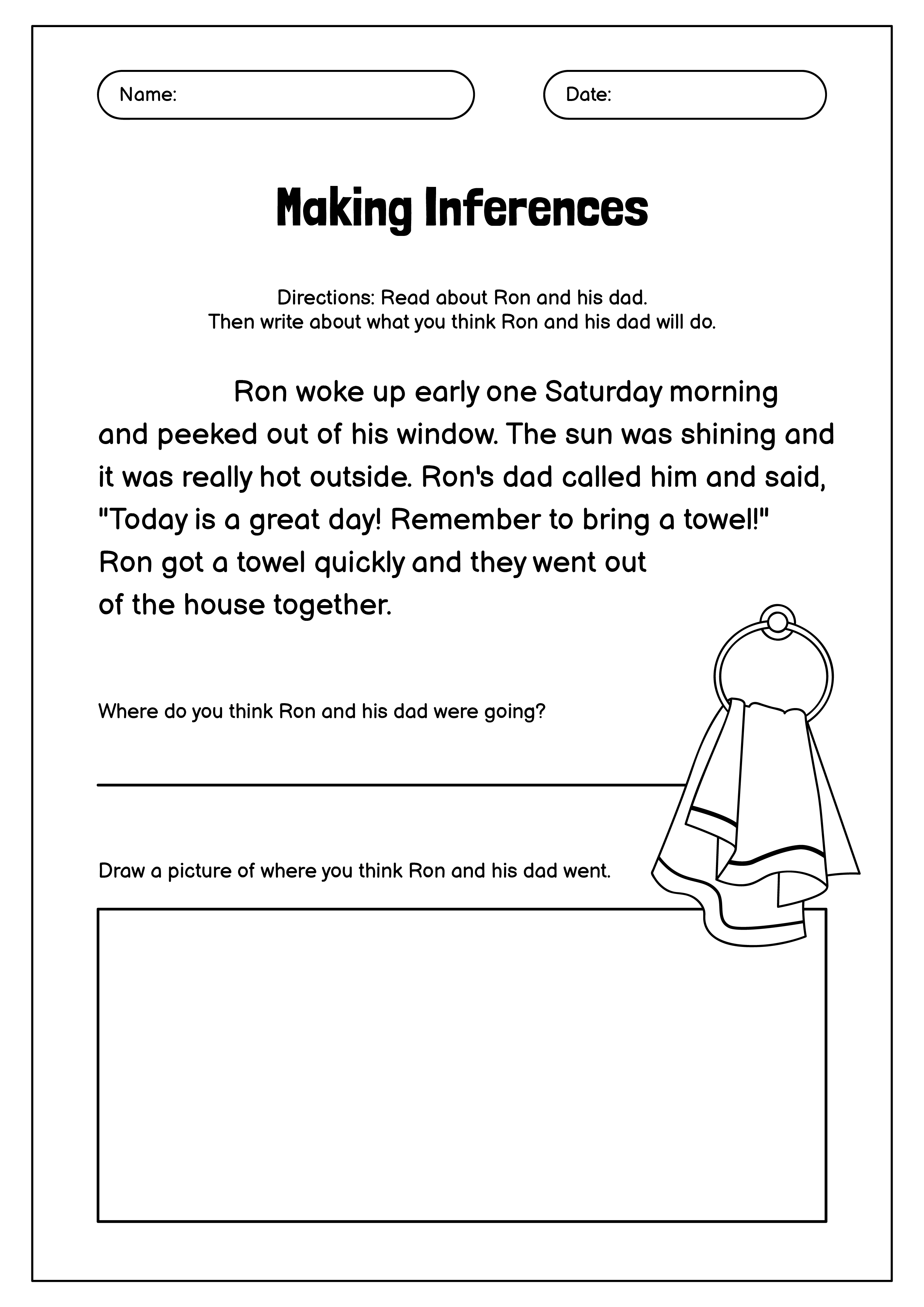
As a parent, I'm always on the lookout for fun and engaging resources to help my kids with their learning. One skill I've been focusing on lately is helping them make inferences, and I've found some great making inferences worksheet options online. These worksheets are a fantastic tool, especially for younger grades like making inferences worksheet grade 1 or grade 2, as they provide a structured way to practice this essential reading skill. It's a great way to reinforce learning at home, and I even know some teachers who use these worksheets as a fun activity in the classroom! If you're interested in more writing resources, check out 11 Writing Worksheets for 2nd Grade.
Practice inferencing skills with engaging worksheets.
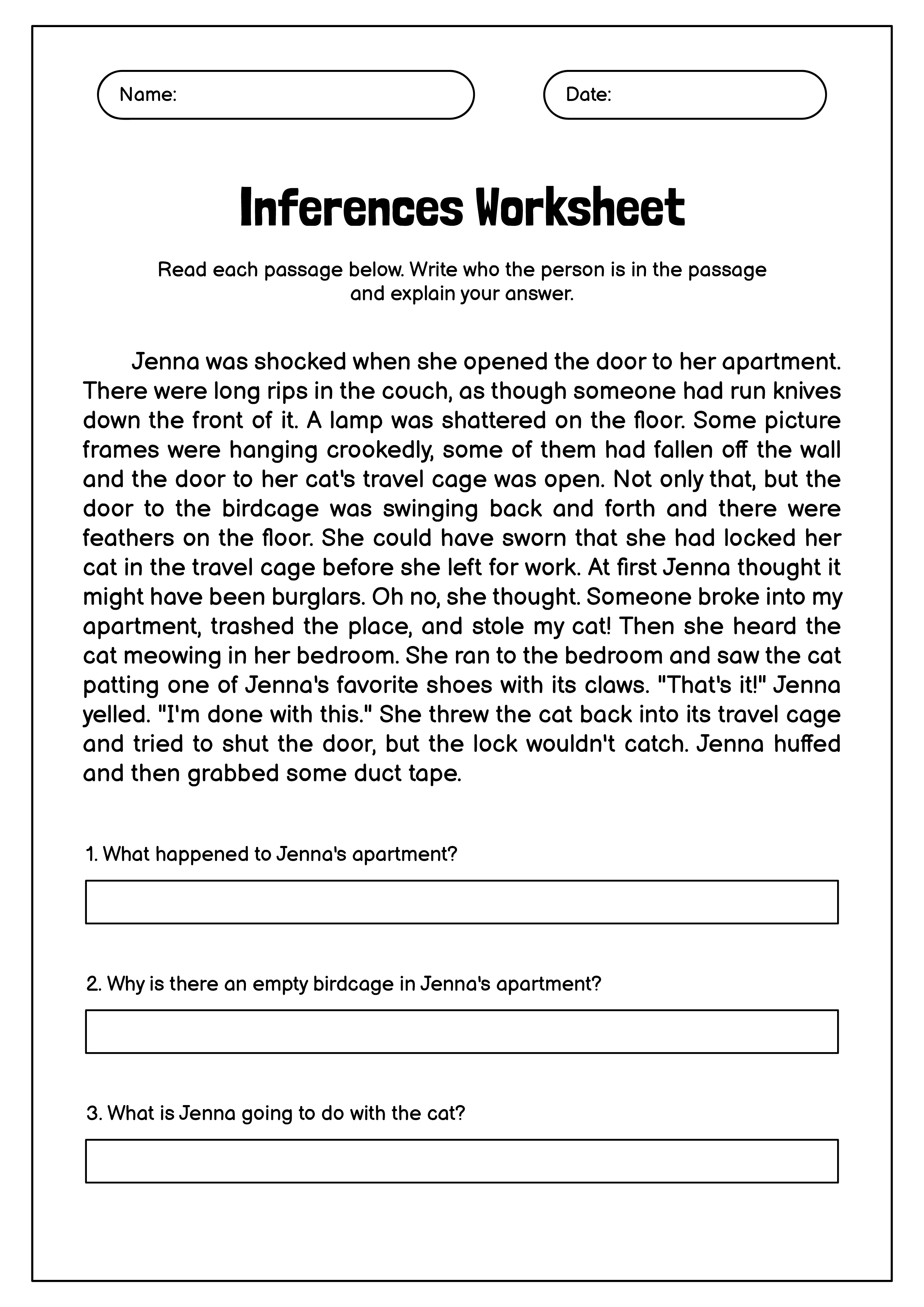
Making Inferences: Unlocking the Power of Reading Comprehension
Making inferences is a crucial skill that empowers readers to go beyond the surface level of a text and delve deeper into its meaning. It involves drawing logical conclusions, predicting outcomes accurately, and analyzing and deducing information that may not be explicitly stated. This skill is an essential building block for critical thinking and is a cornerstone of effective reading comprehension.

Study planner with inference practice exercises.
Beyond the Basics: Advanced Inferences and Critical Thinking
While making inferences may seem like a simple concept, it can be developed and refined to increasingly complex levels. As students progress through their education, they can engage with more sophisticated inference-making activities that challenge their reasoning and thinking abilities.

Sixth grade inference worksheets: draw conclusions.
For instance, younger students might start with simple picture-based inference activities, where they are asked to draw logical conclusions based on visual cues. As they advance, they can move on to more text-based inferences, where they must analyze and deduce information from written passages.

Worksheets for making inferences and drawing conclusions.
This progression allows students to develop their critical thinking skills and become more adept at reading between the lines and identifying hidden patterns. It's a skill that not only enhances their reading comprehension but also has broader applications in problem-solving and decision-making.

Fourth grade inference worksheets: critical thinking.
People Also Ask: What Are Some Common Inferences and How to Teach Them?
Making inferences can be categorized into different types, each requiring a specific set of skills and strategies. Here are some common inference types and some tips on how to teach them:

Fun holiday crafts with inference questions.
- Cause and Effect Inferences: Students must identify the relationship between two events and determine which event caused the other. This can be taught by providing scenarios or passages where the cause is not explicitly stated, and students must deduce it based on the given information.

Inferential questions worksheet: test your skills.
- Predictive Inferences: This involves making educated guesses about what might happen next in a story or situation. Teachers can encourage predictive inferences by asking students to make predictions based on the clues provided in a text or by prompting them to consider the likely consequences of a character's actions.

Making inferences bundle for grades 4 and 5.
- Character Inferences: Here, students analyze a character's actions, words, and interactions to draw conclusions about their personality, motivations, or feelings. Teachers can facilitate this by providing character studies or by asking students to role-play and act out different characters, encouraging them to consider the underlying motivations and emotions.

Making inferences: a planetary adventure worksheet.
How to Use Making Inferences Worksheets Effectively
Making inferences worksheets are a versatile tool that can be used in various educational settings, including classrooms, homeschooling environments, and tutoring sessions. Here are some practical tips on how to incorporate these worksheets into your teaching or learning routine:

Seventh grade short stories inference activity.
- Choose the Right Worksheet: Select worksheets that are appropriate for your students' age and grade level. For instance, if you're working with younger students, opt for worksheets with simpler text and more visual cues. As students advance, you can introduce more complex passages and inference questions.
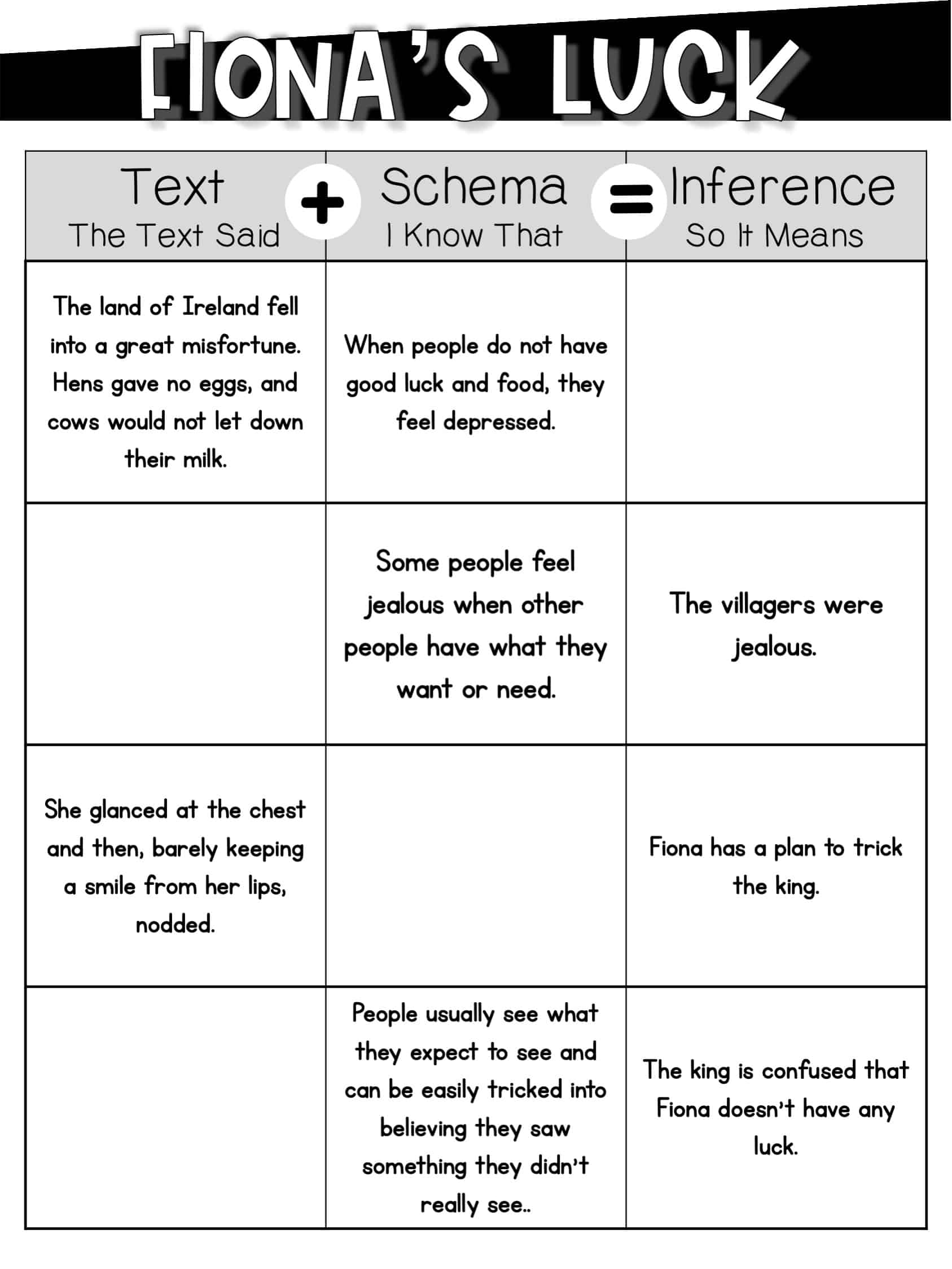
Worksheets and activities for making inferences.
- Print and Prepare: Ensure you have a good-quality printer and paper to produce clear, readable worksheets. Consider laminating the worksheets for durability, especially if you plan to reuse them with different groups of students.

Reading activity: inferences worksheet 5.
In-Class or Home Practice: Making inferences worksheets can be used as a standalone activity or as part of a larger lesson plan. They are particularly useful for reinforcing reading comprehension skills and can be a fun way to engage students in critical thinking.
Group or Individual Work: Depending on your goals and the dynamics of your class, you can assign making inferences worksheets as individual or group work. Group work can foster collaboration and discussion, while individual work allows students to focus on their own reasoning and thinking processes.
Provide Guidance and Feedback: As students work on the worksheets, circulate around the room to offer guidance and clarify any misconceptions. Provide constructive feedback to help students refine their inference-making skills and encourage them to explain their reasoning.
Connect the Dots: The Benefits of Regular Inference Practice
Regular practice with making inferences worksheets offers numerous benefits to students' reading comprehension and critical thinking skills. By engaging with these worksheets consistently, students learn to:
Read Between the Lines: They develop the ability to identify and interpret information that is implied but not explicitly stated. This skill is crucial for understanding complex texts and navigating the nuances of language.
Make Educated Guesses: Through practice, students become more confident in their ability to make educated guesses and predictions. This not only enhances their reading skills but also empowers them to approach problem-solving and decision-making with a more analytical mindset.
Develop Critical Thinking: Making inferences requires students to analyze, deduce, and connect the dots. This process strengthens their critical thinking skills, which are essential for academic success and real-world applications.
Enhance Reading Comprehension: Ultimately, regular inference practice improves students' reading comprehension. They become more adept at understanding and interpreting texts, which not only benefits their academic performance but also fosters a love for reading and a deeper appreciation for the written word.
Making inferences worksheets are a valuable resource for educators and parents looking to enhance their students' or children's reading comprehension skills. By providing structured practice and challenging activities, these worksheets help students develop the ability to draw logical conclusions, predict outcomes accurately, and analyze and deduce information from a variety of sources.
If you're looking for more reading resources, check out 14 Reading Worksheets for 4th Grade, which offers a range of engaging activities to further develop your students' or children's reading skills.
Making inferences is an exciting way to engage with texts and truly understand their depth. It's like a fun puzzle, where you get to piece together clues and uncover hidden meanings. So, why not challenge yourself and give it a go?
There are plenty of resources out there to help you practice this skill, and worksheets are a great place to start. They provide a structured way to refine your inference skills, and before you know it, you'll be making accurate predictions and drawing insightful conclusions. So, go ahead, print out a worksheet, and give it a try! Leave a comment or share your experience below; we'd love to hear how you're progressing on this inference adventure.
Reading comprehension and inference skills challenge.
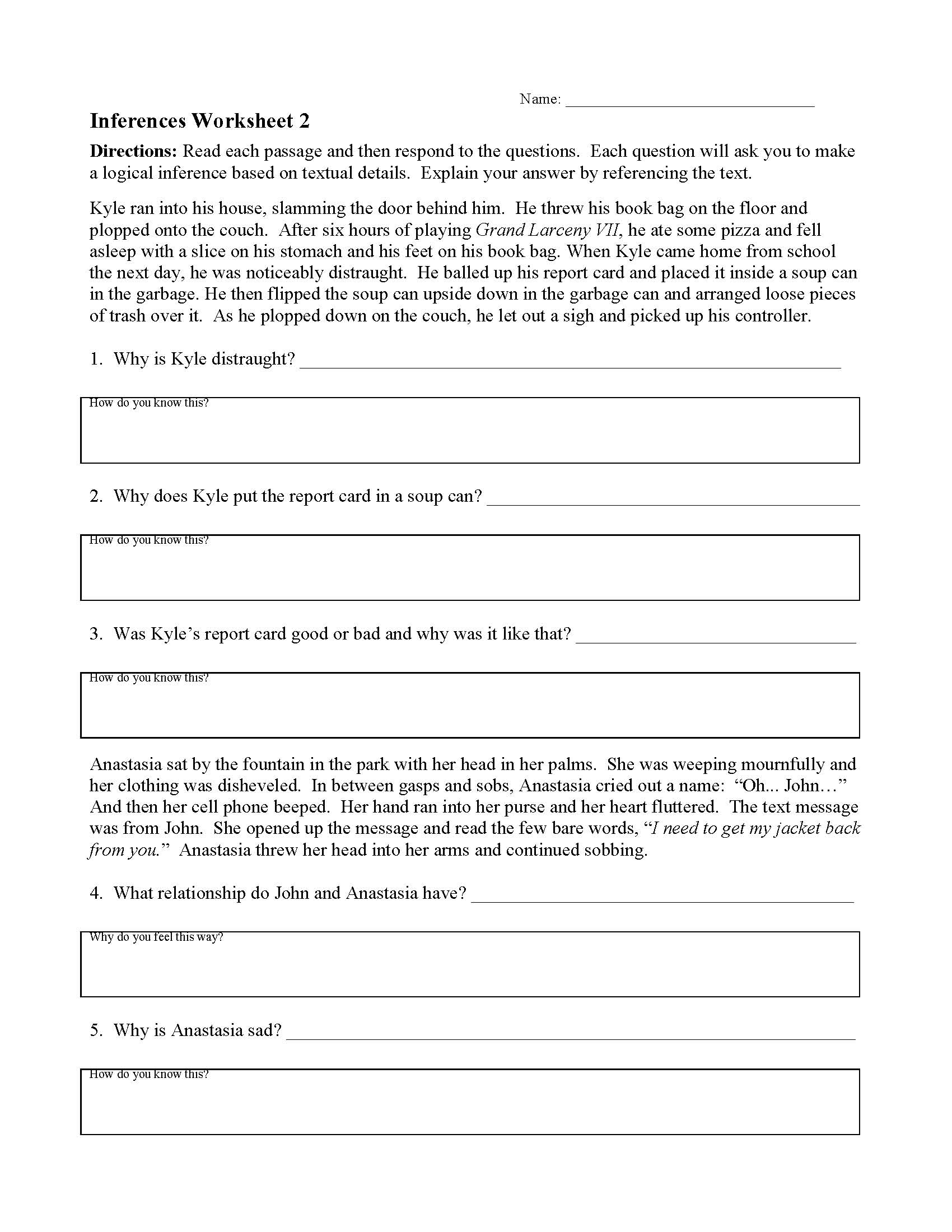
Read also: 11 Worksheets for Multiple Meaning Words


