
I've always found it fascinating how some creatures, like the jumping spider web, can be both intriguing and slightly intimidating. These little spiders, with their unique abilities, often leave me curious and a tiny bit cautious. I mean, who hasn't had a close encounter with a jumping spider and wondered about their web-spinning skills? Especially when you consider the female jumping spider anatomy and their potential to create intricate webs. It's a natural curiosity, right?
30 cute facts about jumping spiders.
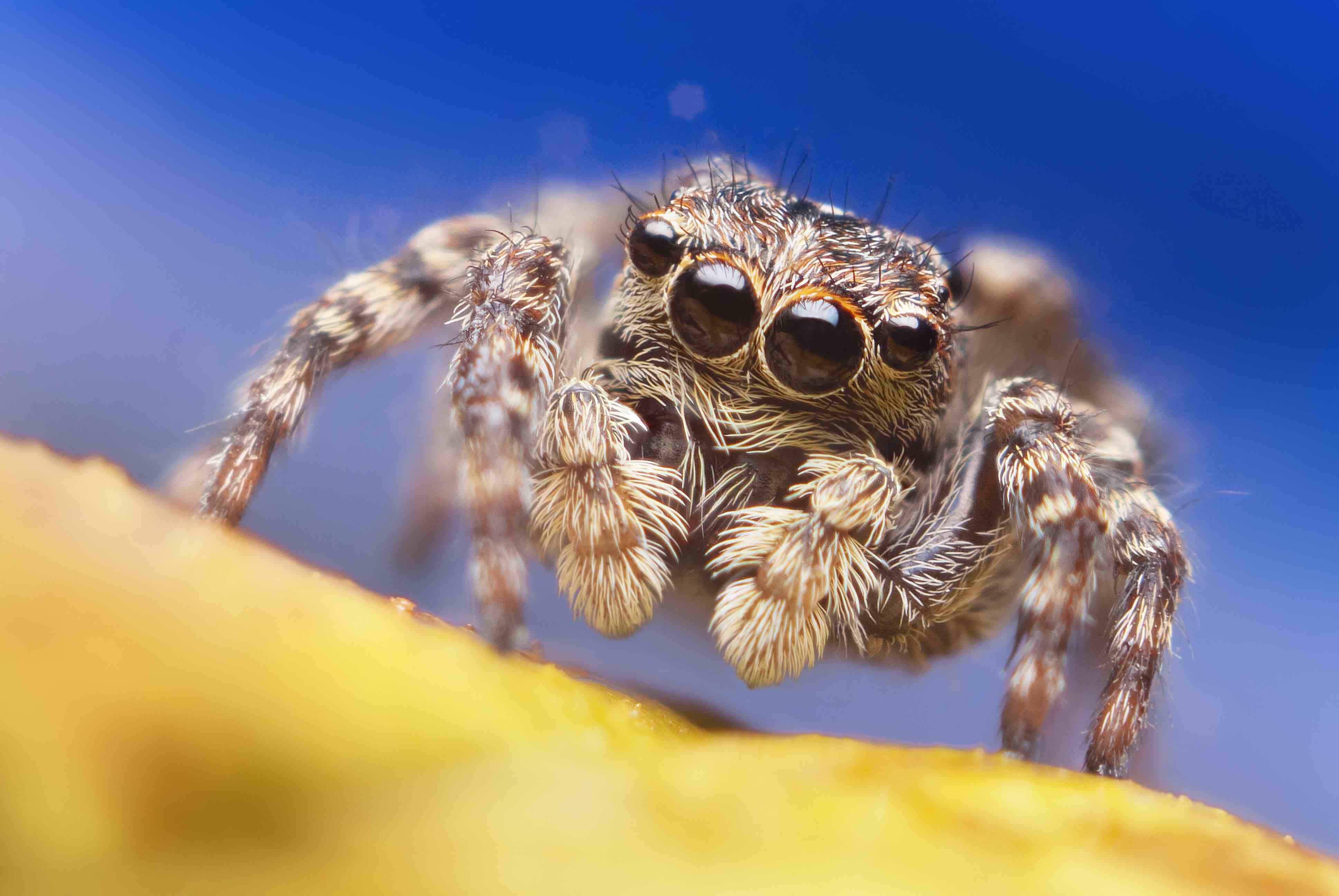
The Jumping Spider Web: A Masterful Creation
Jumping spiders, with their remarkable agility and hunting skills, have evolved an ingenious method of capturing prey: the jumping spider web. While these spiders are known for their impressive jumping abilities, their web-spinning talents are equally fascinating. The web serves as a strategic tool, allowing them to trap unsuspecting victims with precision.
Nature's Net: A Sticky Trap
The jumping spider web is a true masterpiece of nature's design. Unlike the intricate, expansive webs of other spiders, the jumping spider's web is more focused and functional. It consists of delicate, sticky strands carefully arranged to form a highly effective sticky trap. These strands, though seemingly fragile, are incredibly strong and adhesive, ensuring that any insect that comes into contact with them is swiftly captured.

Jumping spiders' incredible jumping abilities.

The science of spiderwebs and silk.
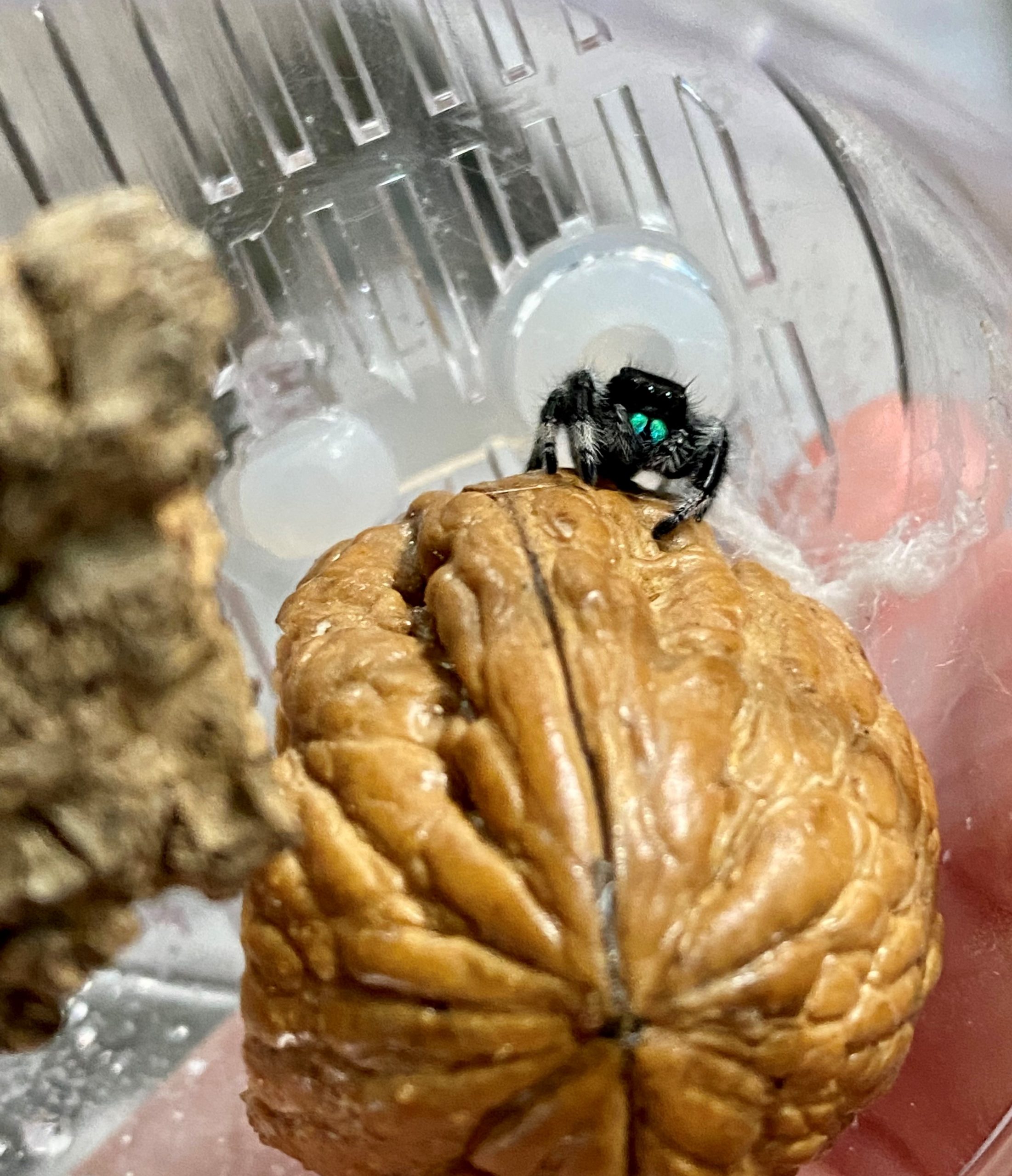
Building the perfect jumping spider home.
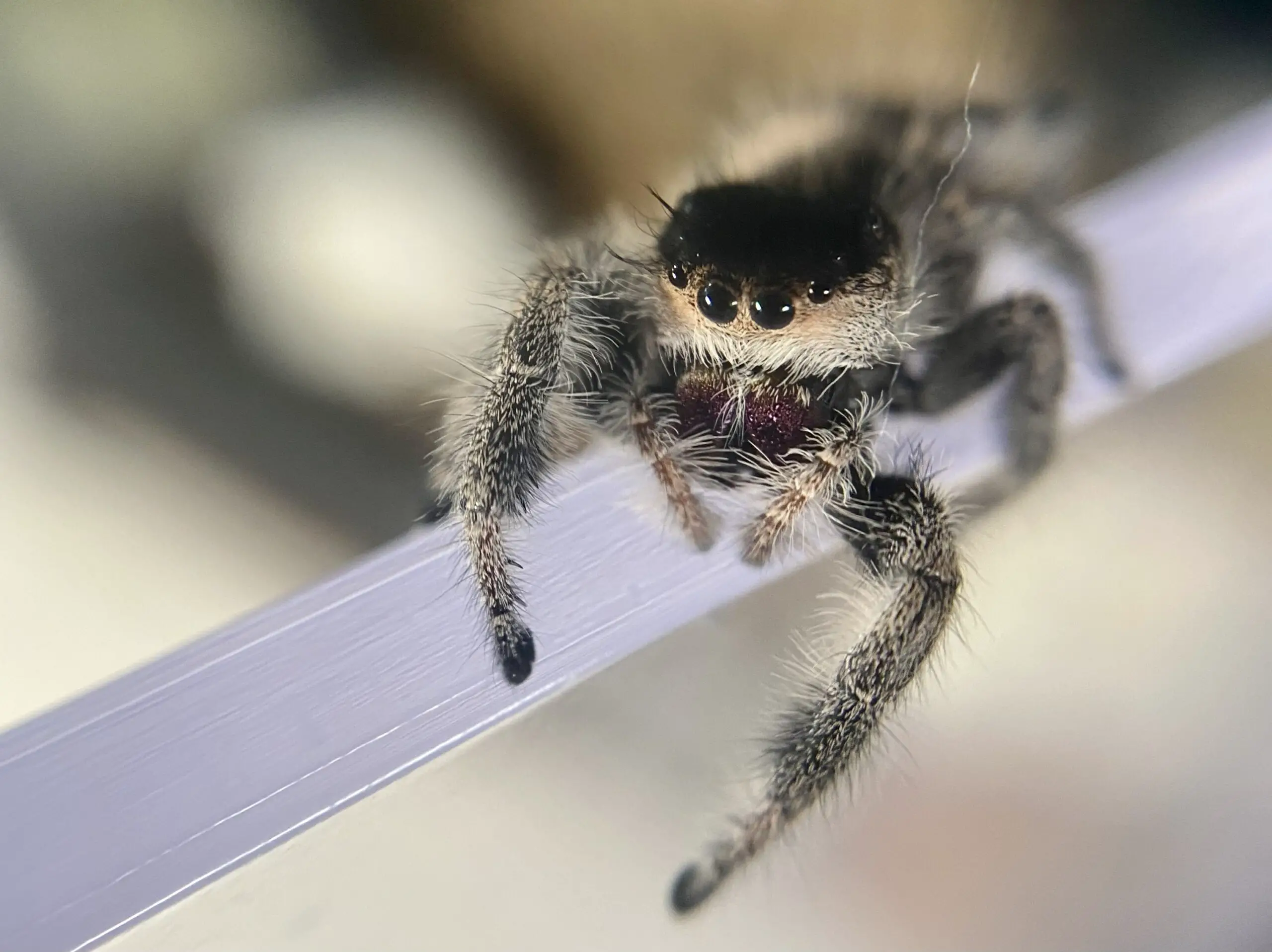
An introduction to jumping spiders.
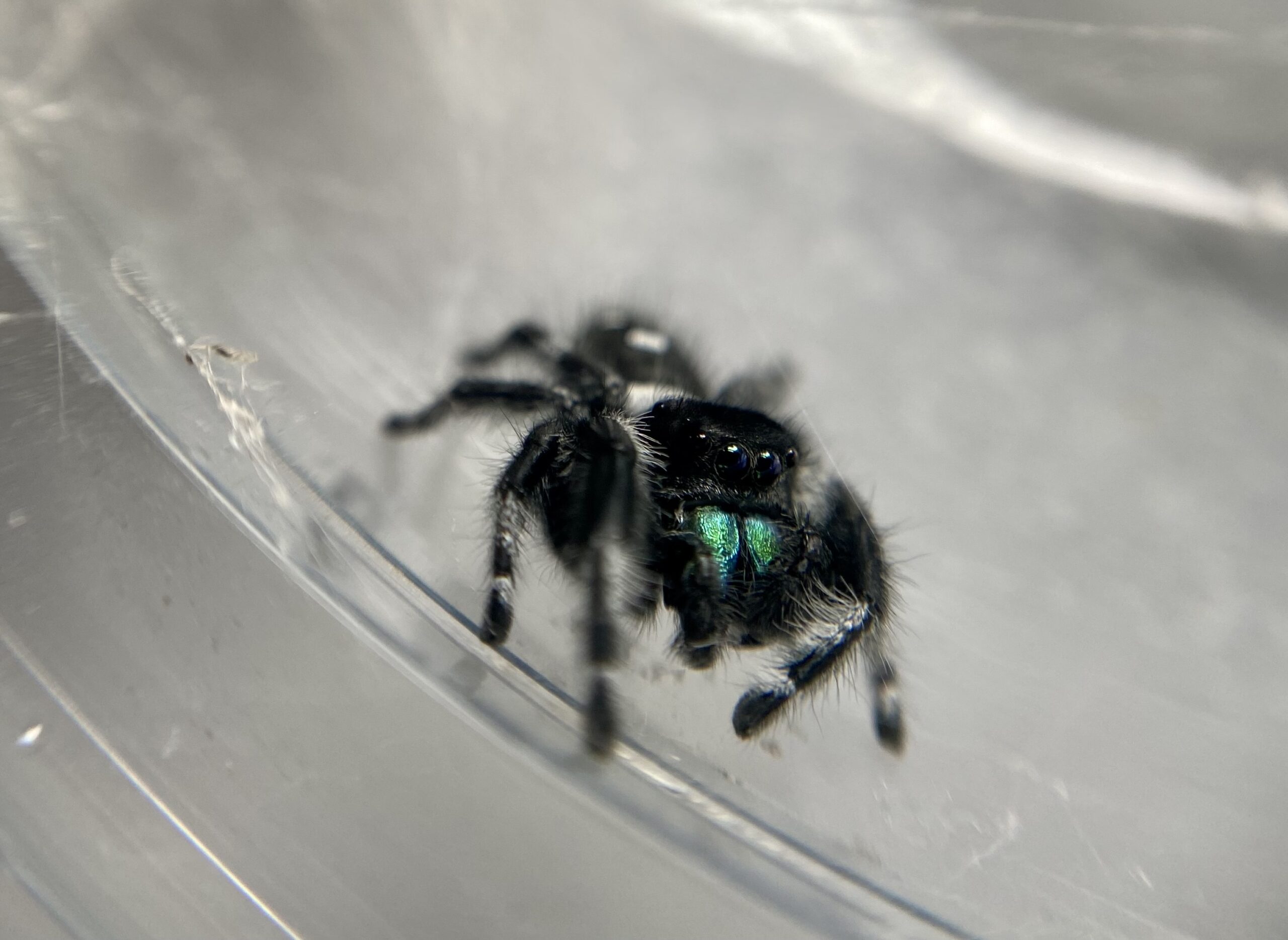
Nine fascinating facts about these spiders.
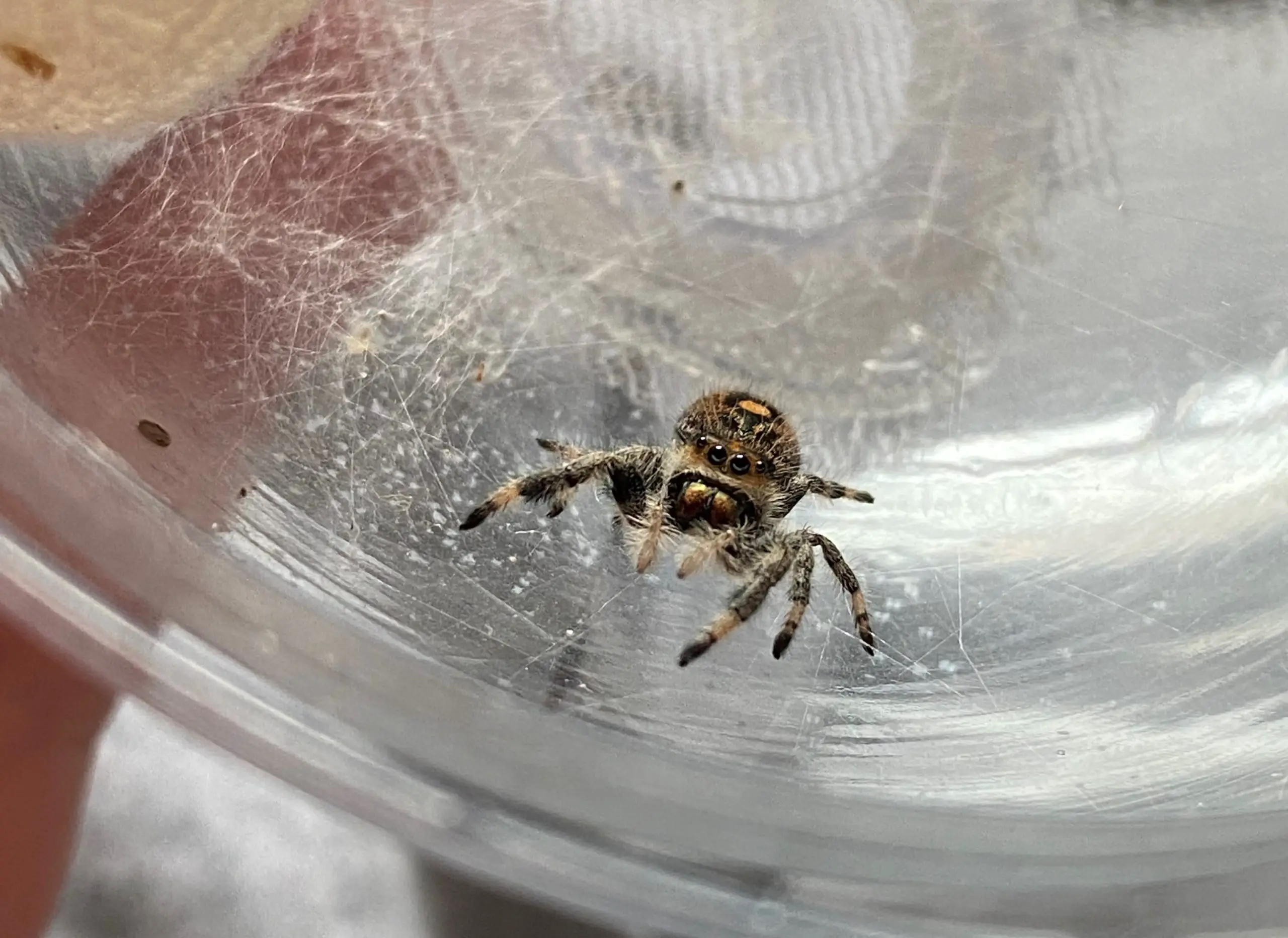
The world of jumping spiders.
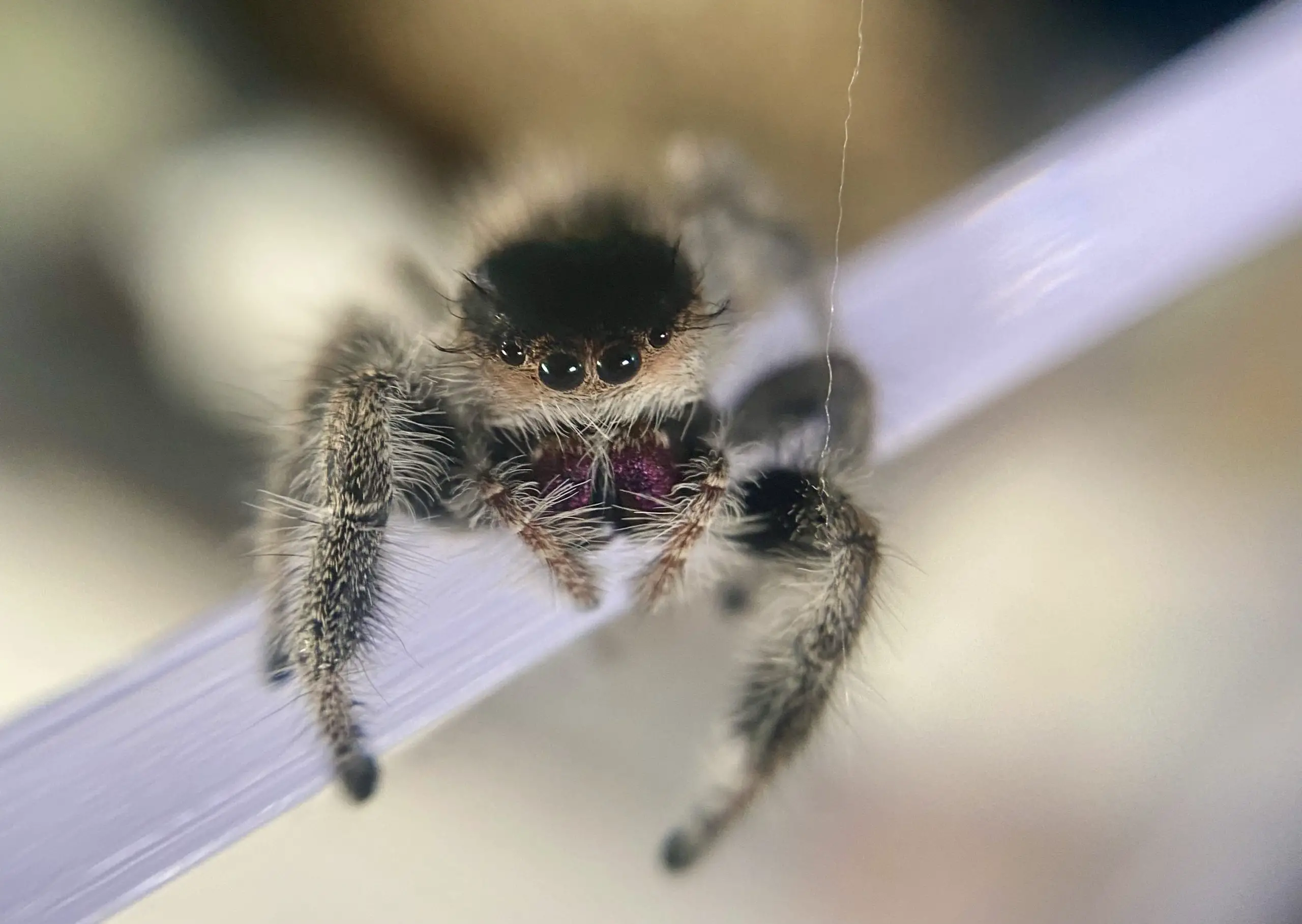
How do these spiders enter homes?

A close encounter with a jumping spider.
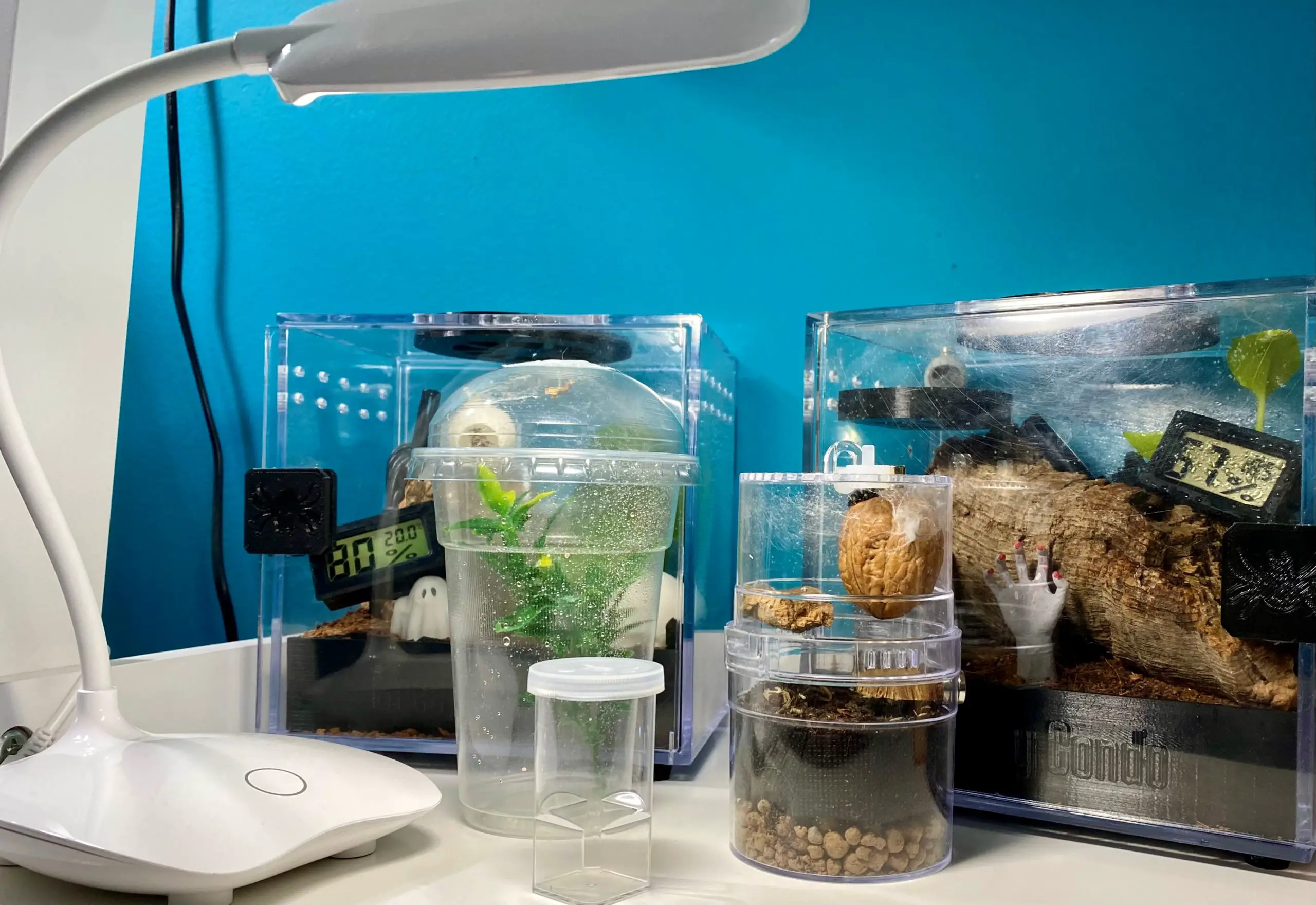
Exploring the lives of jumping spiders.

A beautiful spider's intricate web.
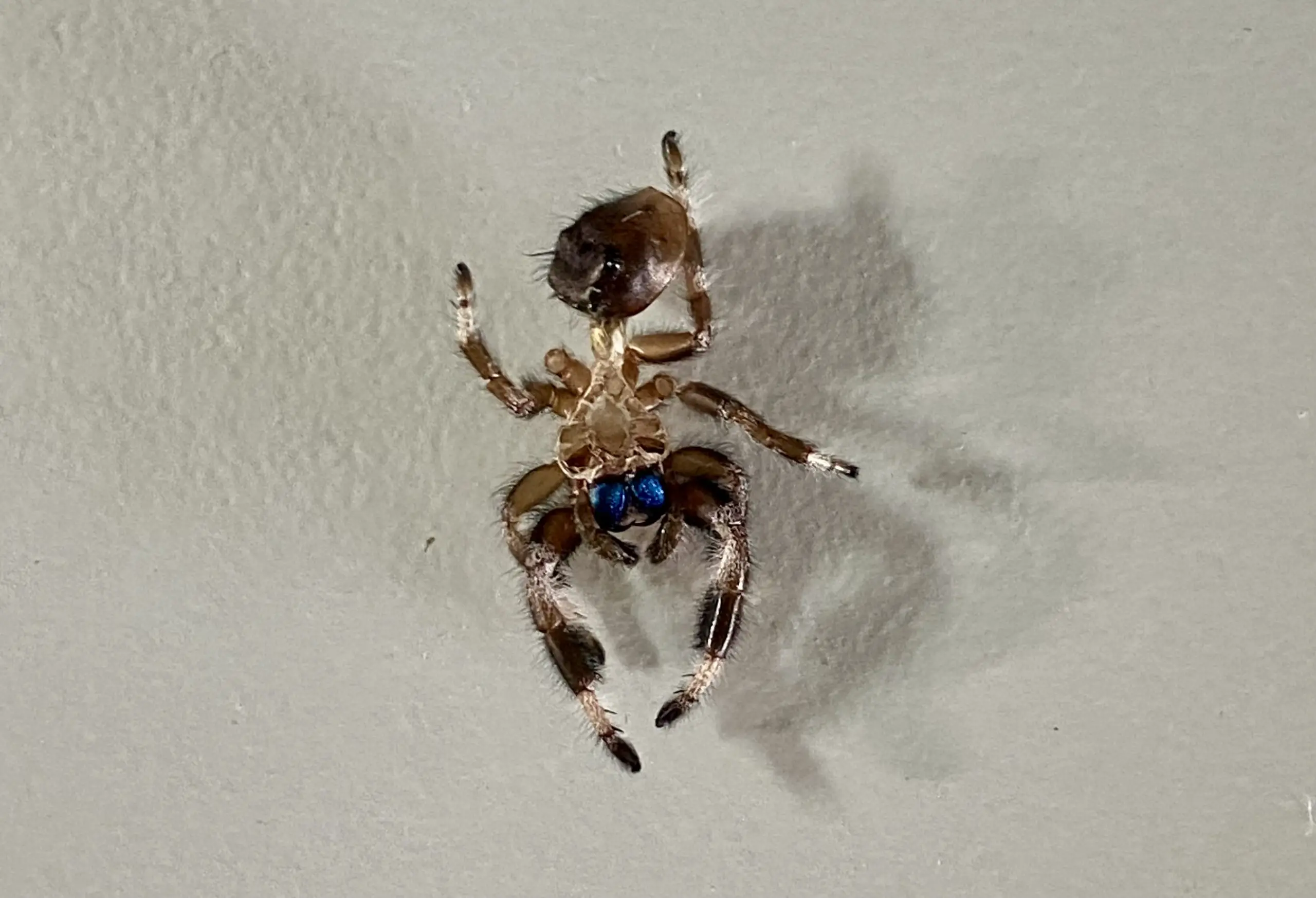
Jumping spiders and their unique webs.
Why Do Jumping Spiders Spin Webs?
A common question arises: do jumping spiders have webs? The answer is an intriguing one. British jumping spiders, like their counterparts worldwide, indeed spin webs, but their approach is unique. While they use webs for trapping prey, these spiders also employ their excellent vision and agility to hunt actively. The web acts as a backup, ensuring they always have a means to capture a meal, even when their hunting skills fail.
How to Observe a Jumping Spider Web in Action
If you're curious about witnessing a jumping spider's web-spinning skills, it's easier than you might think. These spiders are often found in gardens, parks, or even around your home. Keep an eye out for their distinctive webs, which are typically small and well-hidden. You might find them near flowers, leaves, or even on walls. With patience and a keen eye, you can observe the spider's impressive web-building process and even see it in action, capturing its next meal.
Agile Hunters: Webs as a Swift Capture Tool
The jumping spider web showcases the species' adaptability and resourcefulness. These spiders are agile hunters, and their webs allow them to capture prey efficiently. The web's sticky strands ensure a swift and effective capture, providing the spider with a reliable food source. It's a testament to the spider's ability to thrive in various environments, combining its hunting skills with the strategic use of its web.
So, there you have it! The jumping spider web is a true marvel, a testament to nature's ingenuity. These little spiders really show us the power of adaptation and creativity. It's incredible how they've evolved such a unique and effective hunting strategy.
Why not try observing these spiders in action? You might just be amazed by their skills and the intricate beauty of their webs. Leave a comment or share your own spider stories; I'd love to hear about any encounters you've had with these fascinating creatures!
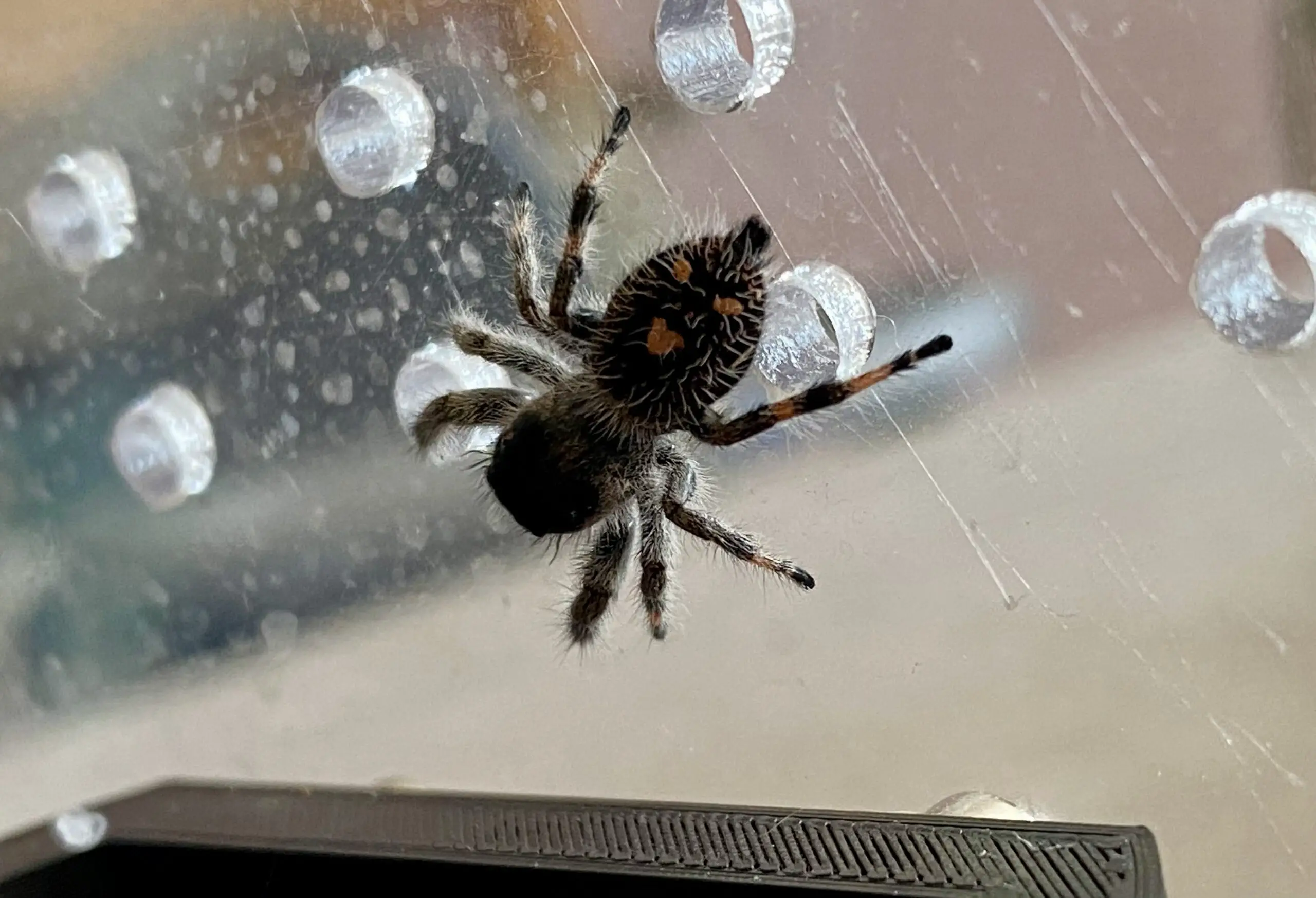
Phidippus Regius spinning its web.
Read also: Meet the Largest Jumping Spider Species