
You know how sometimes you see a spider and it's just a regular, run-of-the-mill arachnid, but then there's the jumping spider texas and it's like, wow, this little guy is something else! I mean, have you seen those pictures of Texas spiders? They're everywhere, and some of them, like the house spiders in Texas, are just so unique. It's fascinating how these jumping spiders have adapted and become such a common sight, but with a twist!
Identifying a northern Texas jumping spider.

The Leaping Arachnid's Tale
Jumping spiders in Texas are a sight to behold, with their unique abilities and adaptations. These spiders have evolved into agile hunters, showcasing their prowess in the diverse Texan ecosystem.
These tiny jumpers, often overlooked, possess an extraordinary talent for navigating their environment. With their keen eyesight and swift movements, they have become nature's athletes, dominating their tiny domains.

Jumping spider species in northern Texas.

A tiny jumping spider in San Angelo, TX.

Encountering a large jumping spider in person.
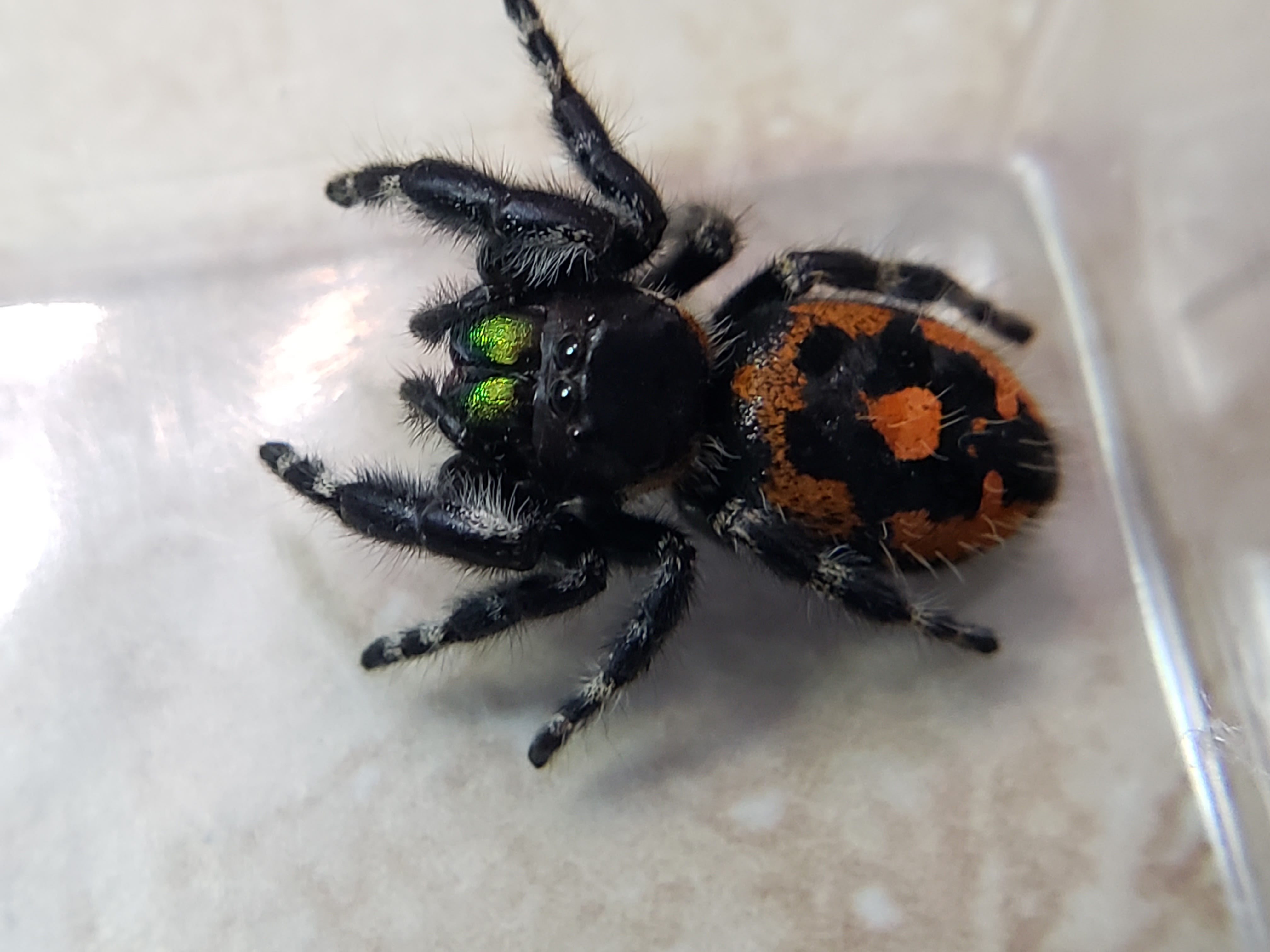
Bold Jumping Spider Bryantae, available for purchase.

Identifying a window-dwelling jumping spider.
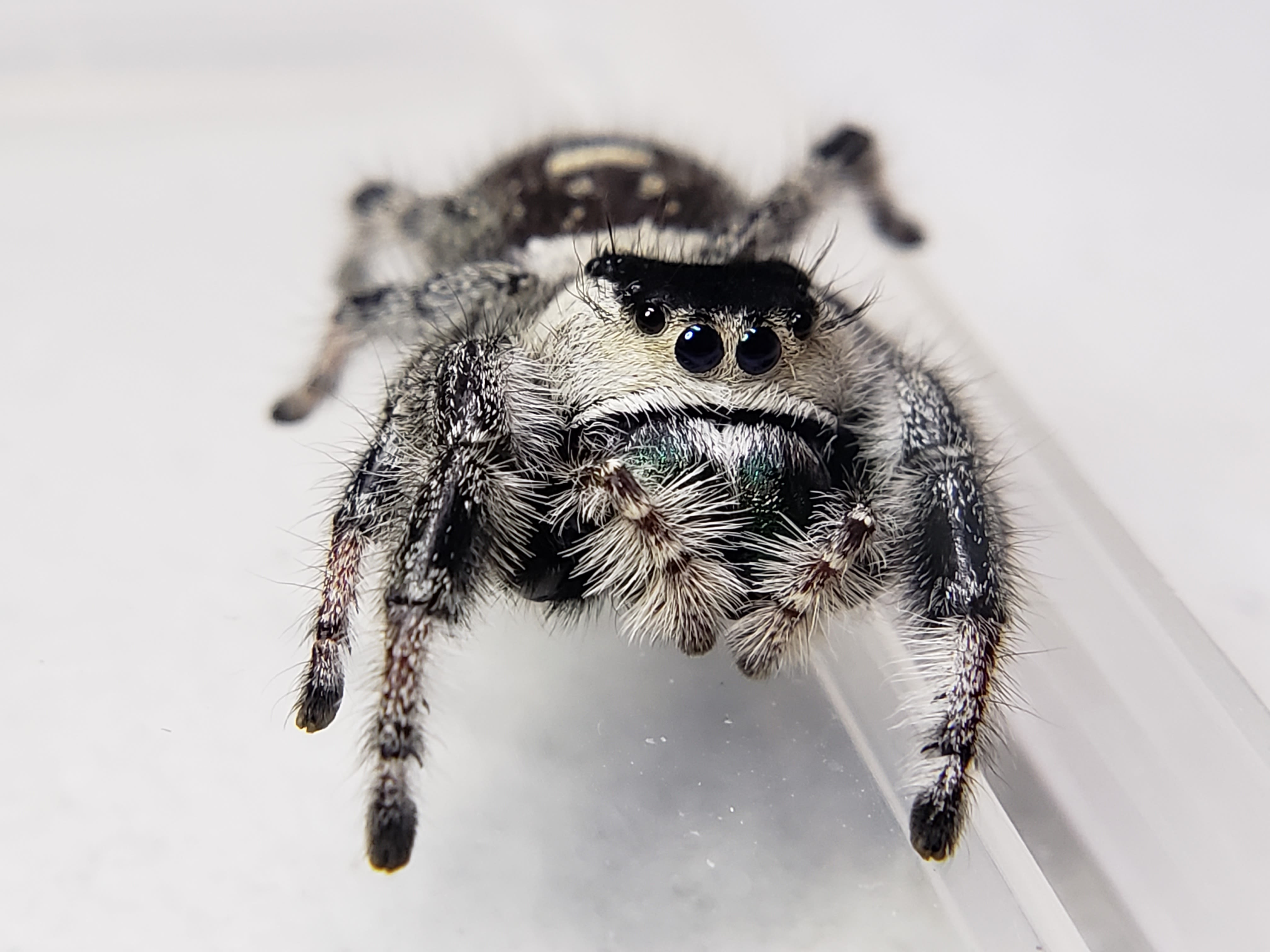
Apalachicola Regal Jumping Spider, a unique species.
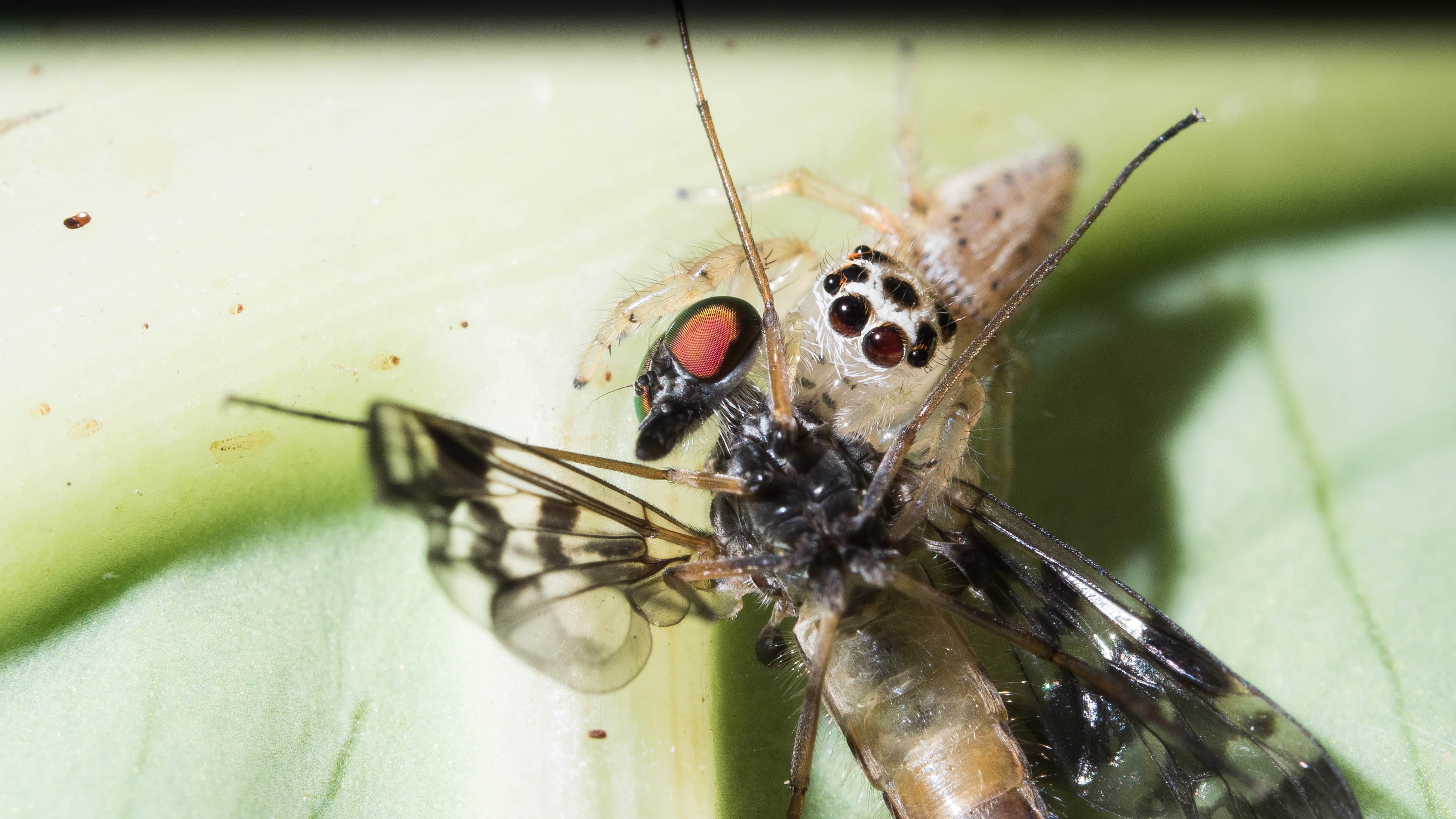
Sylvana Jumping Spider spotted in Leander, Texas.
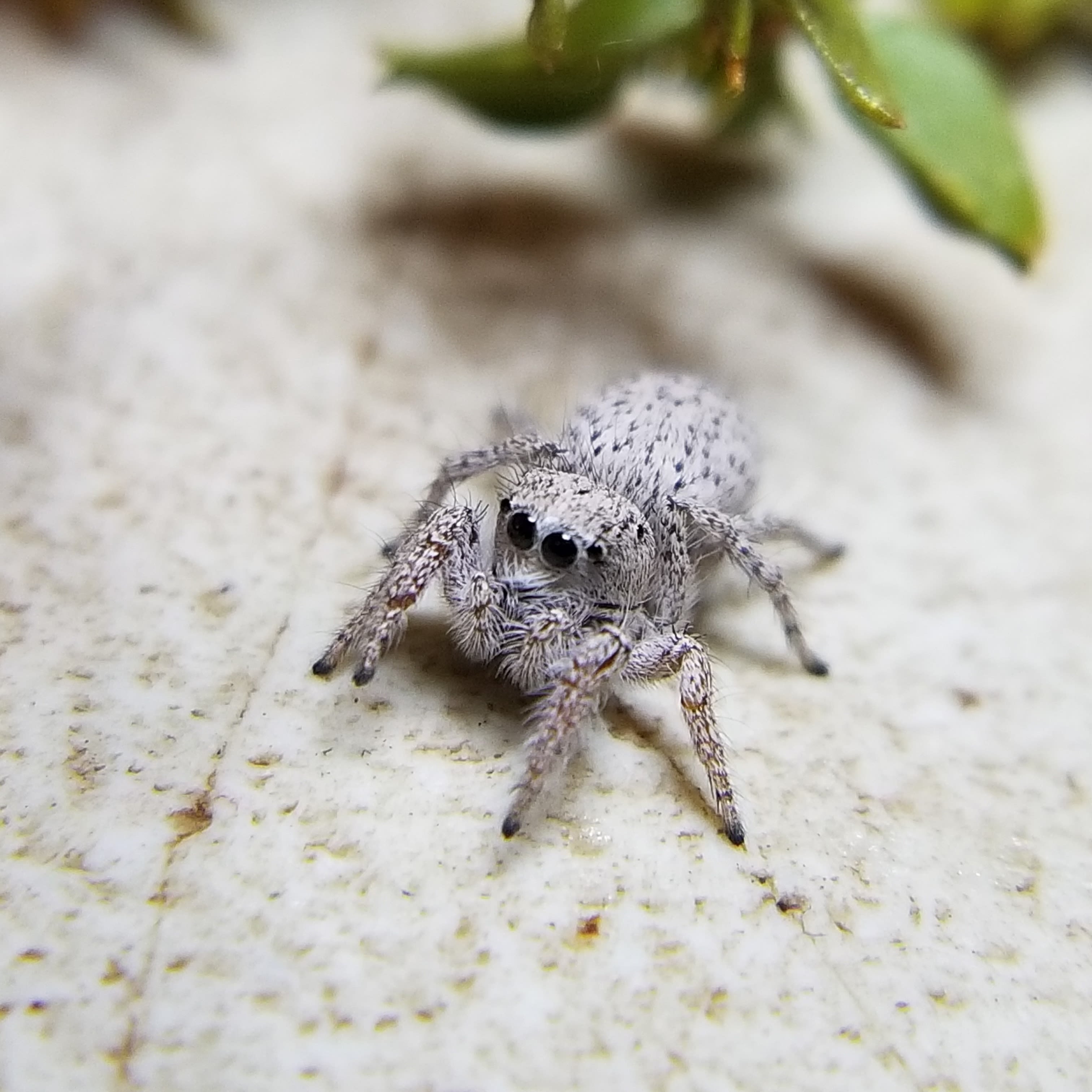
Pygmy Gray Jumping Spider, a small but mighty species.

A jumping spider in action.

A small jumping spider seeking shelter.

Exploring jumping spiders that leap.
A Hunter's Advantage
The Texas jumping spider's hunting strategy is a marvel. Unlike many spiders that rely on webs, these predators actively pursue their prey. Their exceptional vision allows them to spot and track insects with precision, making them efficient and effective hunters. This adaptation gives them a significant advantage in the wild, ensuring their survival and success.
Why Do They Jump So Far?
The jumping spider's ability to leap is a fascinating curiosity. These spiders can jump up to 50 times their body length, an incredible feat! This skill is essential for hunting, as it allows them to cover distances quickly and surprise their prey. It's a unique adaptation that sets them apart from other arachnids.
How to Spot a Jumping Spider in Texas
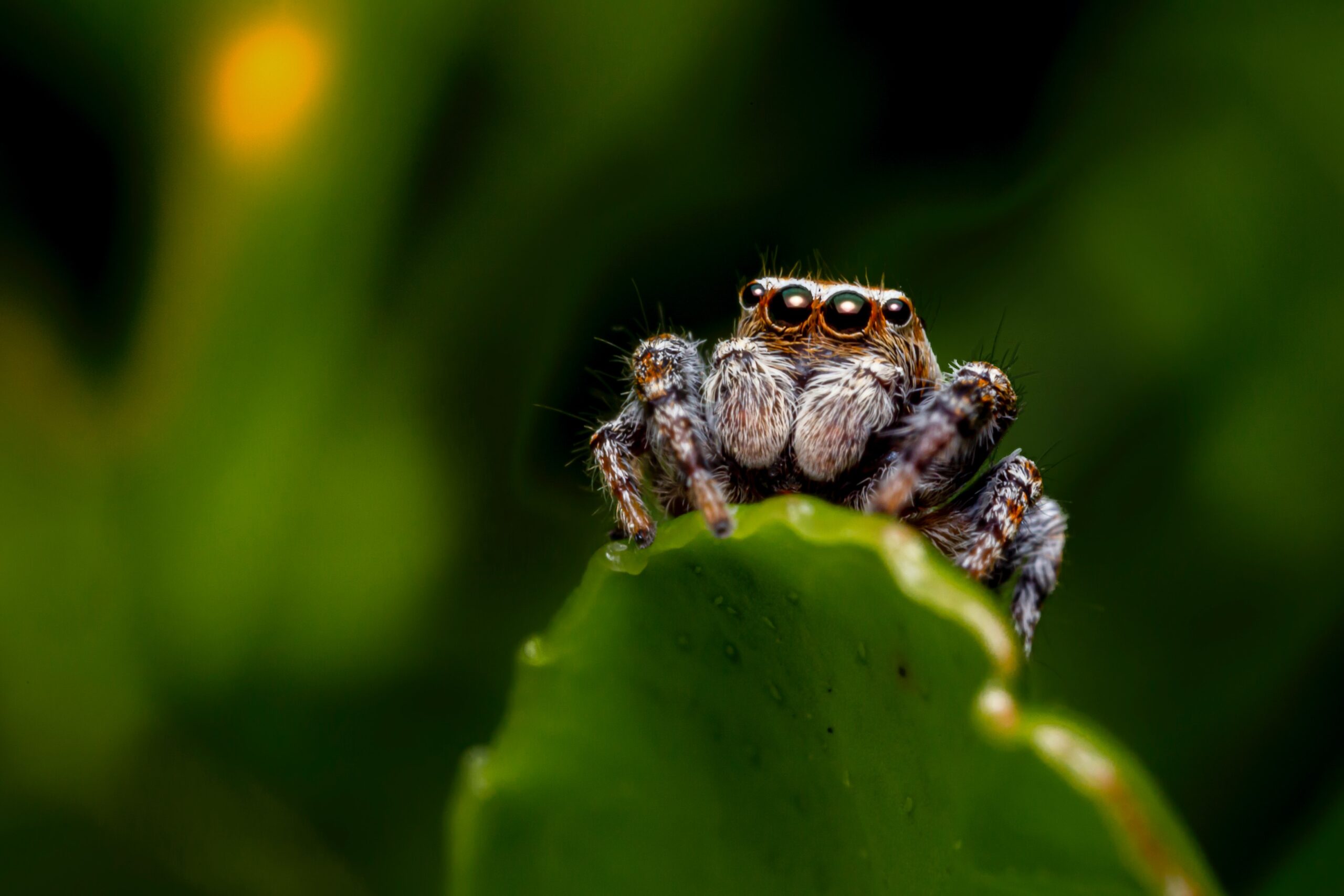
Identifying these spiders is an exciting challenge. Look for their distinctive eye arrangement—four front-facing eyes and four smaller eyes on the sides. This unique feature enhances their vision and makes them stand out. Additionally, their compact, furry bodies and vibrant colors make them easily recognizable. Keep an eye out for these bold adventurers!
Unveiling the Benefits
Texas's jumping spiders bring ecological advantages. As natural predators, they help control insect populations, maintaining a balanced ecosystem. Their presence is a sign of a healthy environment, and their agility and hunting skills make them a fascinating study for arachnologists and nature enthusiasts alike.
So, the next time you spot one of these little jumpers, take a moment to appreciate their incredible skills and the beauty of nature's design. It's amazing how such small creatures can teach us so much about adaptation and survival.
And remember, the world is full of fascinating creatures waiting to be discovered. So, get out there, explore, and share your own encounters with nature's wonders! Leave a comment or share your experience below; we'd love to hear your stories.
Favorite spiders in the Willamette Valley.
Read also: Csuf Class Schedule Guide for Students