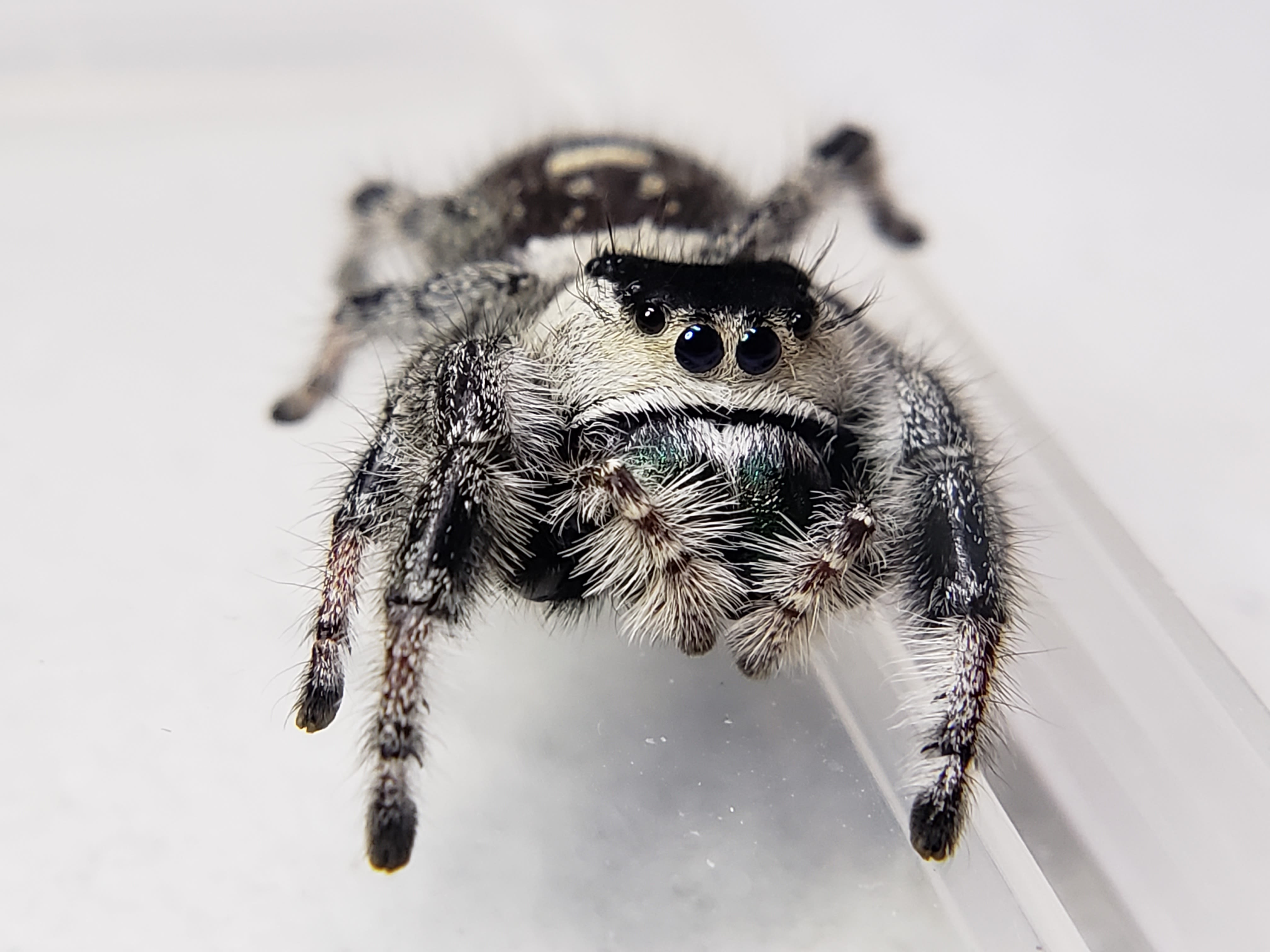
I've always been fascinated by the little creatures that scurry around our gardens, and one species that never fails to surprise me is the jumping spider. These tiny predators are like nature's own acrobats, leaping and bounding with precision. I recently discovered that there are so many varieties, like the regal jumping spider, and I can't help but wonder about their unique traits and behaviors. It's like a whole new world, and I'm eager to learn more, especially after a relaxing round of golf at the Osage Golf Course in Missouri, where these spiders are often spotted.
What does a jumping spider resemble?
/__opt__aboutcom__coeus__resources__content_migration__mnn__images__2016__05__peacockspidermaratusbubo-141ed950408740eeaffb579db44fcec4.jpg)
The Fascinating World of Jumping Spider Species
The diversity within the family of jumping spiders is truly remarkable, with over 6,000 species identified so far. These tiny predators, known for their acrobatic jumping abilities, come in a variety of shapes, sizes, and colors, each with its own unique traits and behaviors.
Unveiling the Secrets of Nature's Jumpers
One of the most intriguing aspects of jumping spider species is their ability to adapt and thrive in various environments. From forests to deserts, and even urban gardens, these spiders have evolved to become masters of their respective habitats. Their agility and precision in movement allow them to navigate complex terrains with ease, making them true acrobats of the natural world.
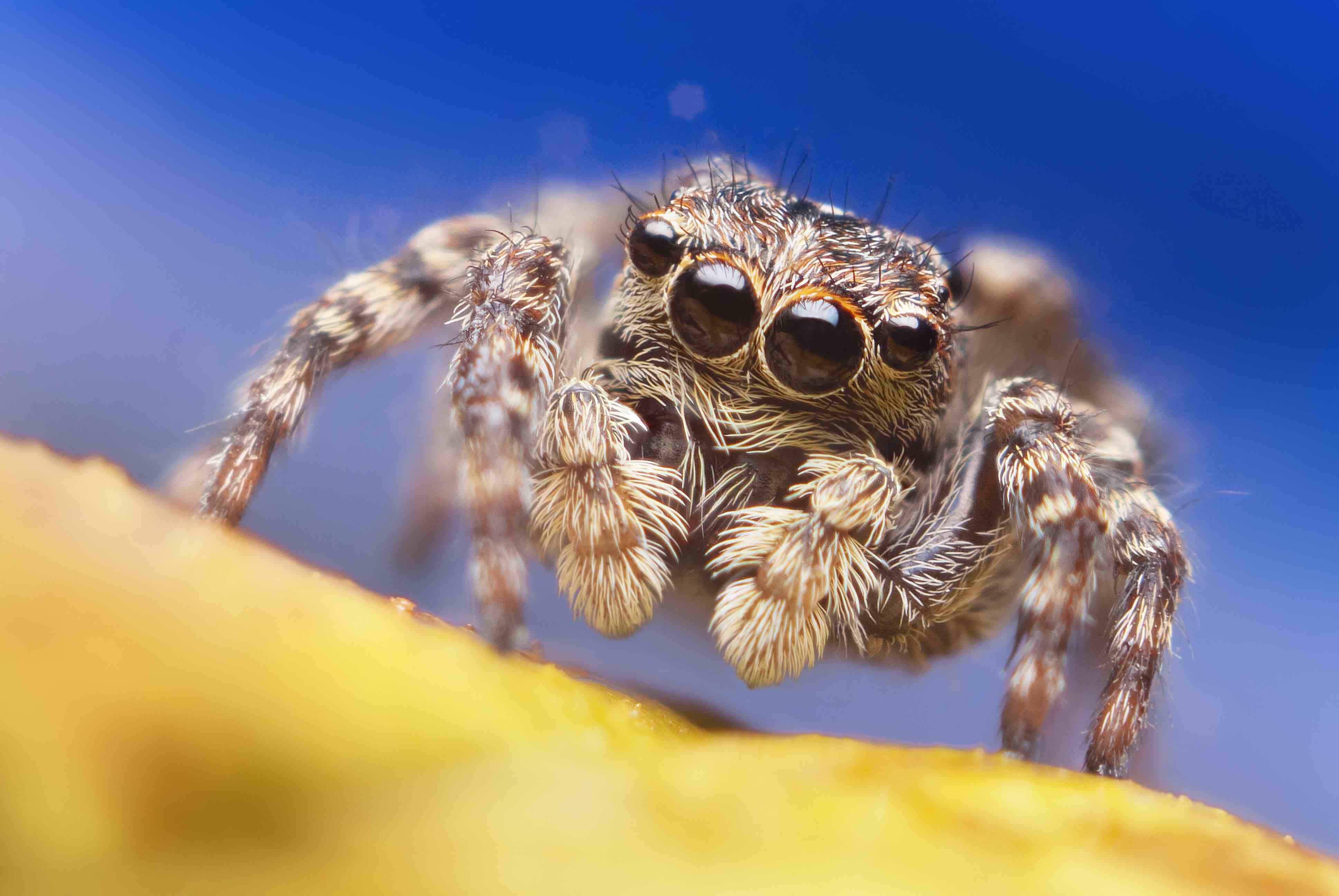
Information about spider species.
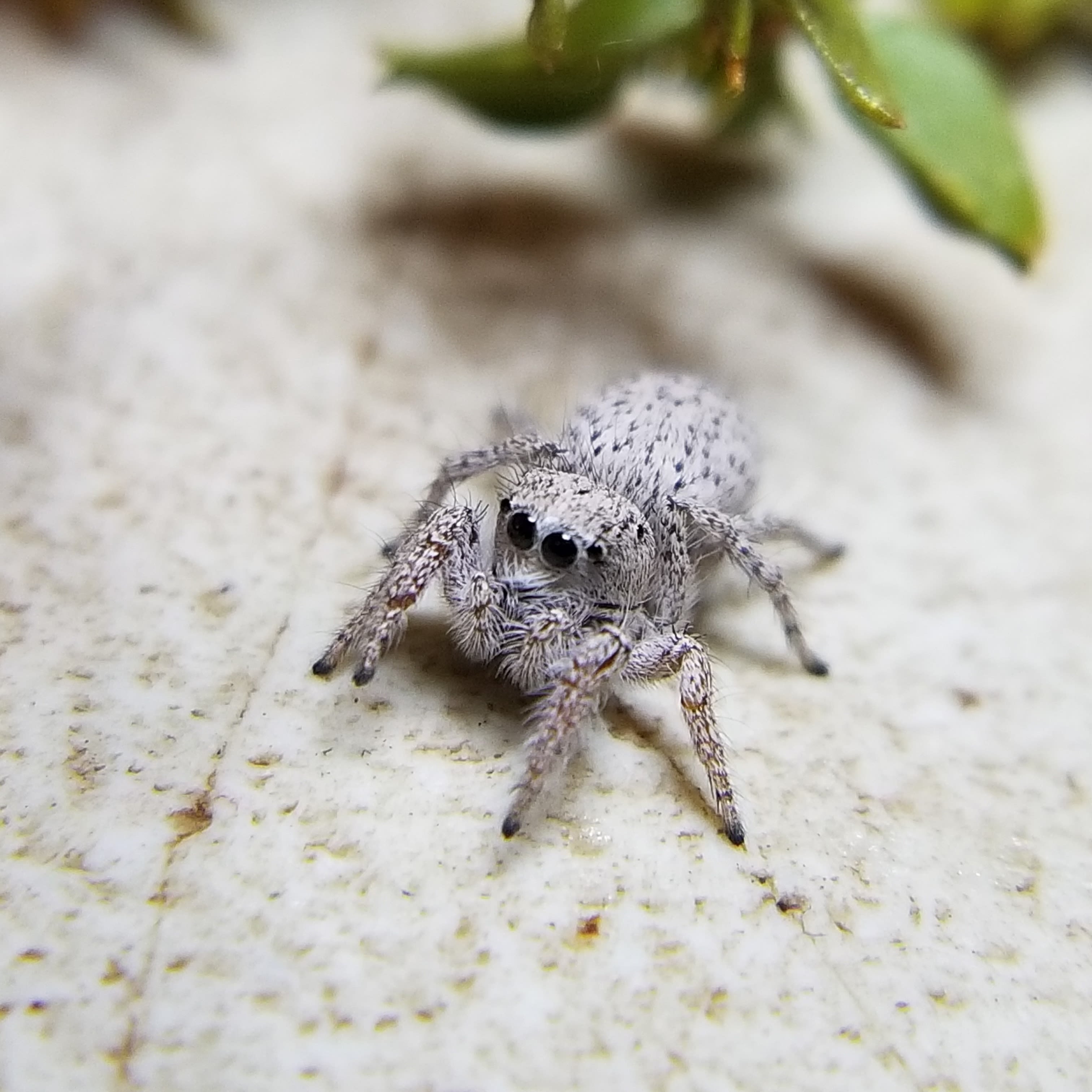
A jumping spider's appearance.

What does a jumping spider look like?

A jumping spider species guide.

Common Colombian spiders, including jumpers.
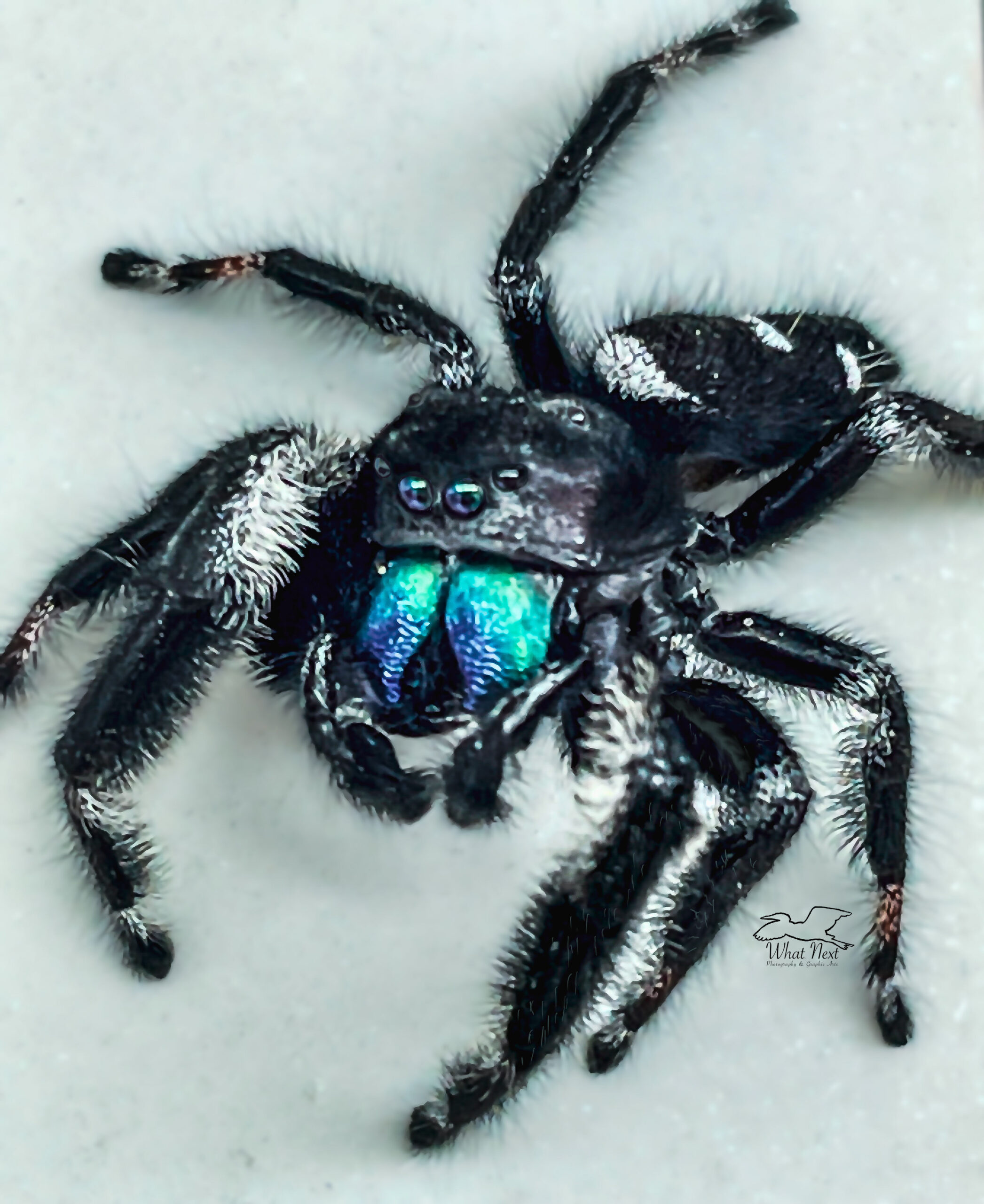
Regal jumping spiders: big and colorful.
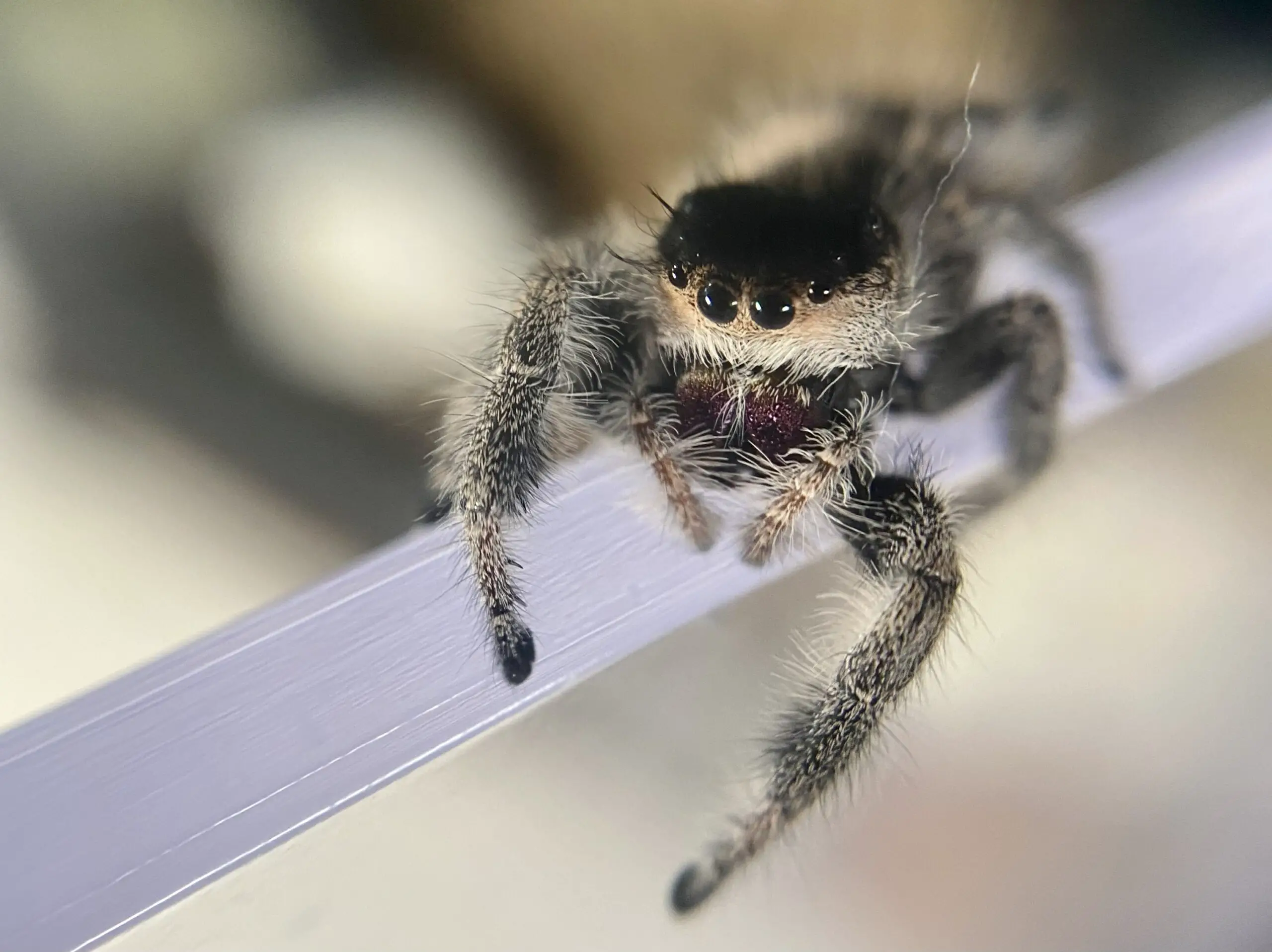
Phidippus regius: a regal species.
.jpg)
Phidippus regius: the regal jumping spider.
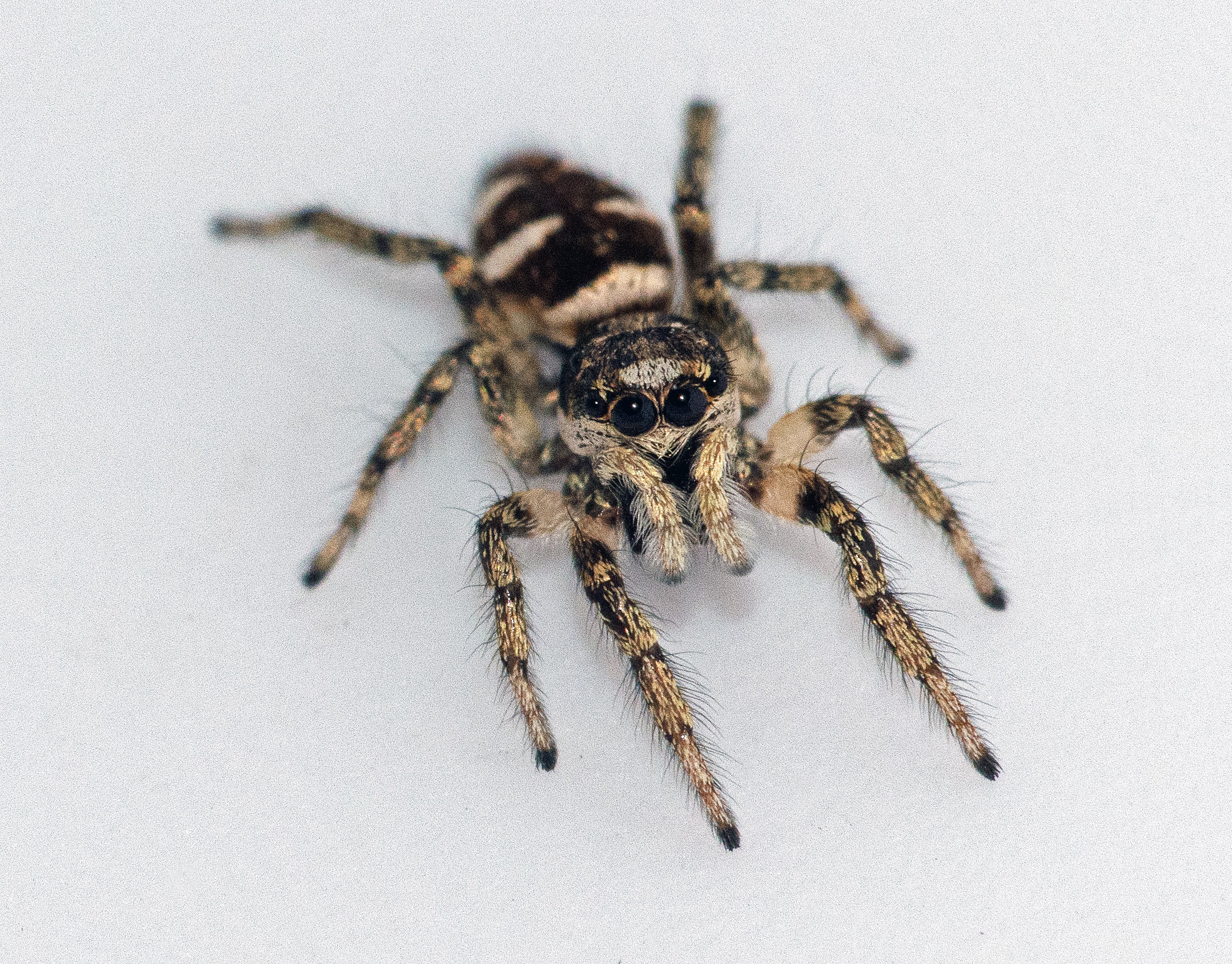
Common Indiana spiders: a chart.
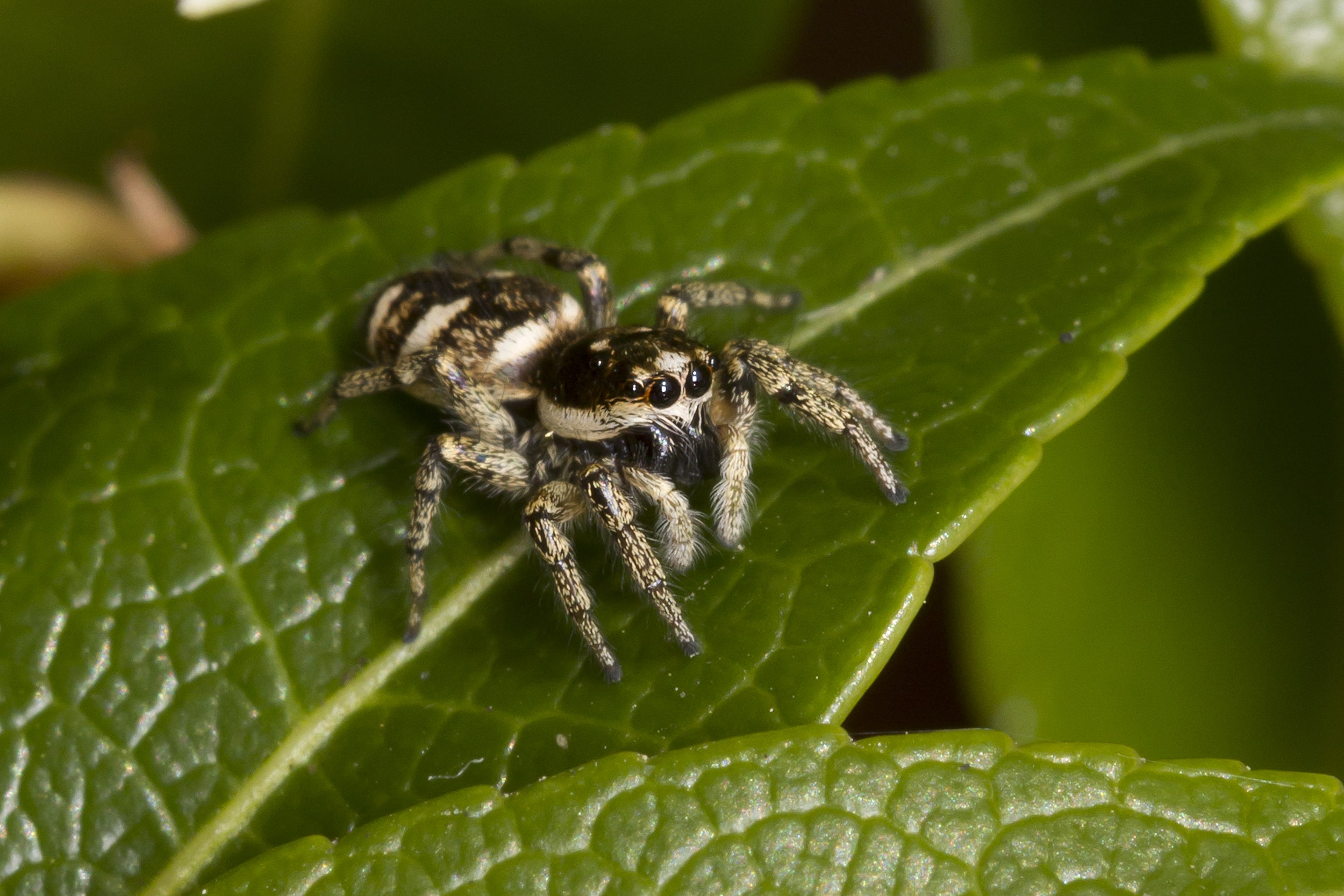
UK spider identification guide.

Red-backed jumping spider: Phidippus carneus.
Why Do Jumping Spiders Jump?
Jumping spiders are known for their exceptional jumping abilities, but have you ever wondered why they jump? Well, it's a strategic move! These spiders use their jumps for hunting, allowing them to quickly close in on prey with precision. It's like a well-choreographed dance, where they calculate the perfect trajectory and timing to ensure a successful strike.
How to Identify Different Jumping Spider Species
Identifying jumping spider species can be a fun and educational activity. One popular species, the Phidippus regius, also known as the Regal Jumping Spider, is renowned for its vibrant colors and distinctive markings. When observing these spiders, pay attention to their eye patterns and body shapes, as these can be key identifiers. Online resources and field guides often provide detailed jumping spider identification pictures and charts to aid in your exploration.
The Benefits of Having Jumping Spiders in Your Garden
Having jumping spiders in your garden can be a delightful and beneficial experience. These spiders are natural pest controllers, helping to keep insect populations in check. Their presence can reduce the need for chemical pesticides, promoting a healthier and more balanced ecosystem. Additionally, their vibrant colors and fascinating behaviors make them an entertaining addition to any outdoor space.
Conclusion: Embracing the Wonders of Nature's Jumper
Exploring the world of jumping spider species opens up a whole new perspective on the natural world. From their impressive jumping abilities to their unique adaptations, these spiders never fail to captivate and inspire. So, the next time you spot one of these tiny predators, take a moment to appreciate their beauty and the intricate role they play in our ecosystem. Area of a Triangle Worksheet for Kids
There's so much to uncover when it comes to these incredible creatures! The world of jumping spiders is a fascinating one, and it's always exciting to learn about their unique adaptations and behaviors.
So, go ahead and explore more about these tiny, mighty spiders. Leave a comment and share your thoughts or any interesting facts you've discovered about these jumpers - it's always fun to learn from each other's experiences!
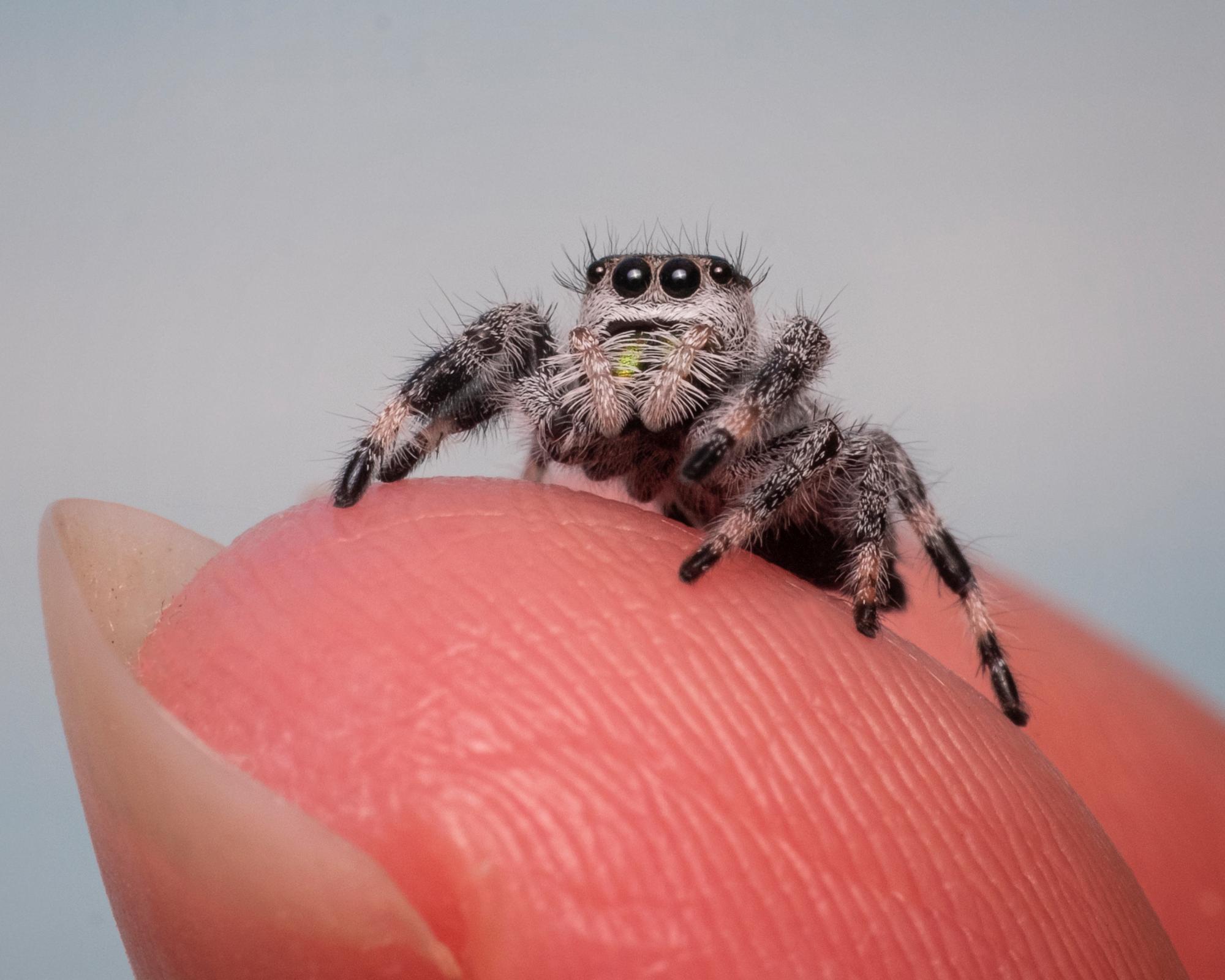
Social media stars: tiny jumping spiders.
Read also: Water Cycle Worksheet for Kids