I've always been fascinated by the natural world, and one thing that has intrigued me lately is jumping spider eggs. It's amazing how these tiny creatures, with their unique abilities, can produce such fascinating offspring. I mean, have you ever seen a baby jumping spider? They're so cute, but also a little creepy with those big eyes! I recently read about the process of their development, and it got me thinking about the mysteries of nature. It's like a whole new world, and I can't help but wonder about the journey of these jumping spider eggs from being laid to hatching.
New pet spider: eggs after 12 days?

The Enigmatic Journey of Jumping Spider Eggs
Jumping spider eggs are like hidden treasures, holding the potential for life within their tiny, delicate shells. These spider egg sacs are a marvel of nature, and their development process is truly fascinating.
Nature's Precise Timing: Egg Laying and Incubation
The female jumping spider, with her remarkable instincts, knows just the right time to lay her eggs. She creates a tiny egg cluster, carefully wrapping them in a protective silk sac, a true webbed wonder. This sac is then hidden away, often in a safe, secluded spot, ensuring the eggs' safety during their vulnerable early stages.
Unveiling the Mysteries: Egg Development
As the eggs develop, they undergo a series of intricate changes. The female spider ensures optimal conditions for growth, often staying close to her precious cargo. This period is critical, as it determines the health and viability of the spiderling hatchlings.
Why Do Jumping Spider Eggs Need Special Care?
Jumping spider eggs are incredibly sensitive to their environment. The female spider's role is crucial in maintaining the right temperature and humidity levels. Any deviation could impact the eggs' development, leading to potential issues with the baby jumping spiders' health and survival.
How Can We Safely Observe Jumping Spider Eggs?
If you're lucky enough to spot a jumping spider egg sac, it's best to observe from a distance. Disturbing the sac could stress the female spider, potentially leading to abandonment. A gentle, hands-off approach is key. Consider setting up a safe, enclosed space with the right environmental conditions to encourage the spider to stay and continue her nurturing duties.
Unveiling Nature's Miracles: The Hatching Process
The hatching process is a true spectacle. As the baby jumping spiders emerge, they are a sight to behold. Their tiny, delicate bodies and those big eyes that seem to take in the world with curiosity are a testament to nature's miracles. From tiny arachnid dreams to reality, the journey of jumping spider eggs is a fascinating one.

Is this a regal jumping spider's egg sac?

Jumping spider's eggs: a new generation

Are these jumping spider eggs?

Spiderlings emerging from the egg sac

Jumping spider eggs: a fertile surprise!

Black widow spider and her precious egg sack

Spider eggs on a lemon tree?
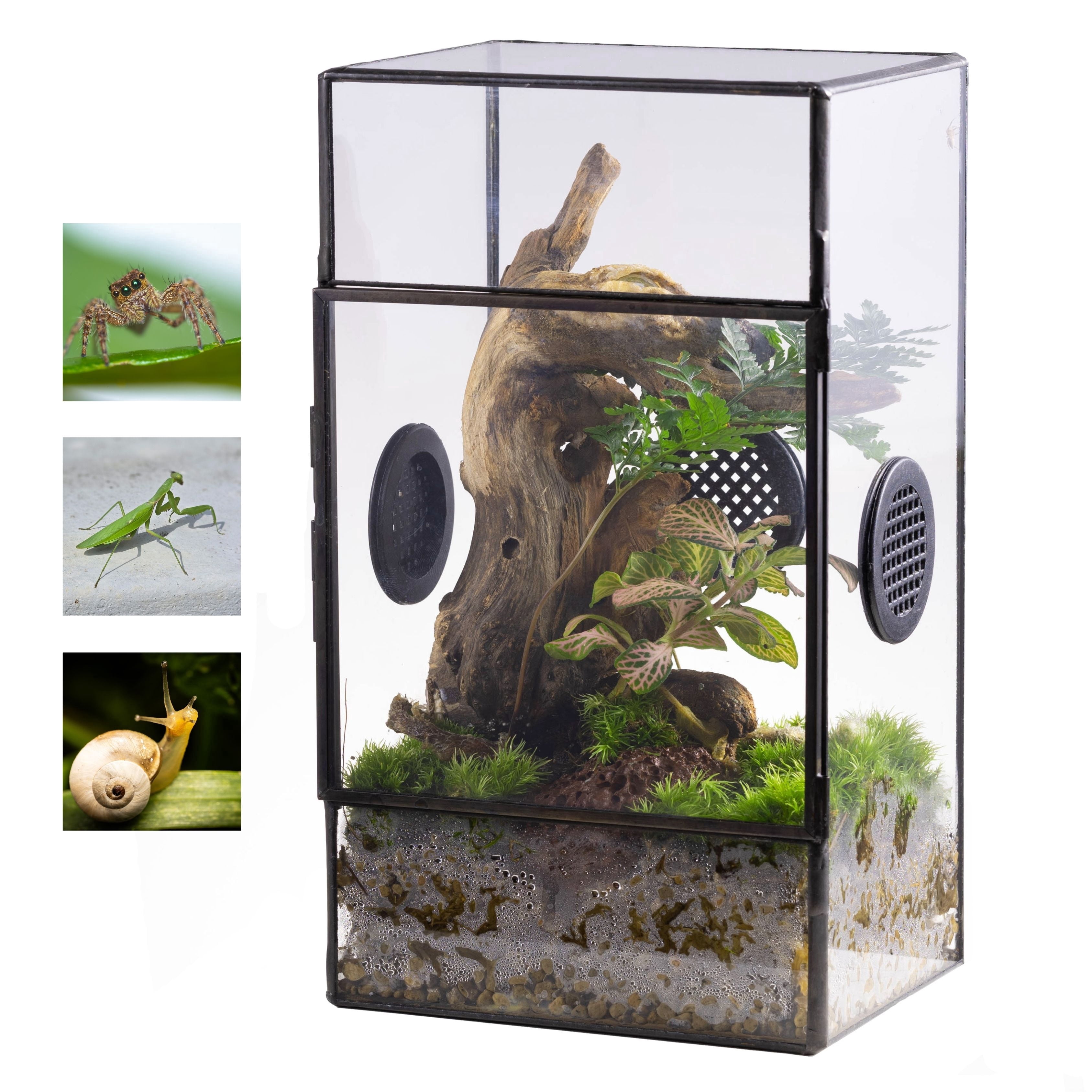
Terrarium for jumping spider egg sacs
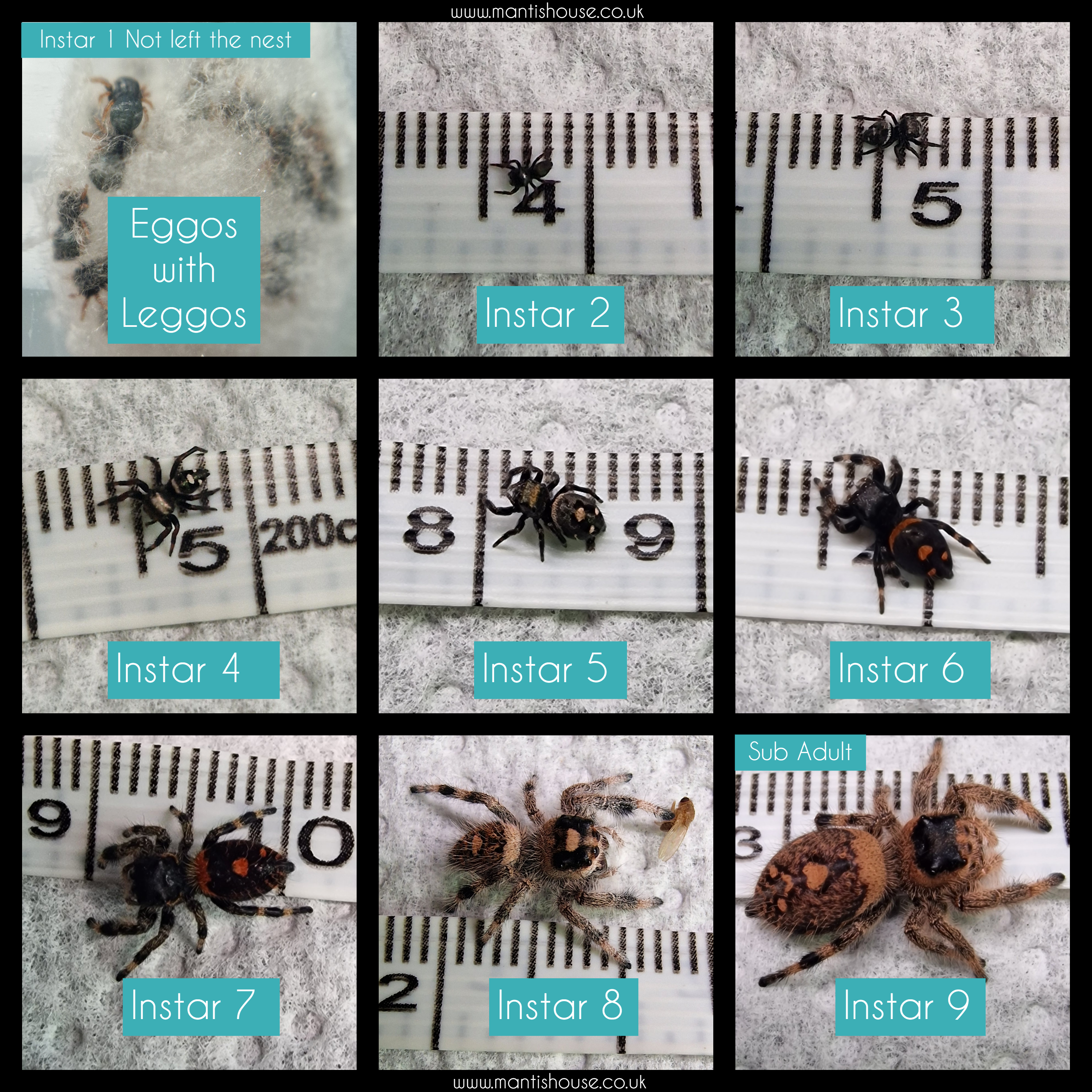
Timeline of a jumping spider's egg sac
Spider eggs with legs: a fascinating find

Are these spider eggs or something else?
Well, who would've thought that spider eggs could be so captivating? Nature never ceases to amaze, does it? It's incredible to witness the precision and instincts these creatures possess. So, if you ever spot a spider egg sac, remember, it's a little life waiting to unfold! Leave a comment and share your thoughts or any encounters with these fascinating creatures. I'd love to hear your stories!
Spider egg sac or something else?