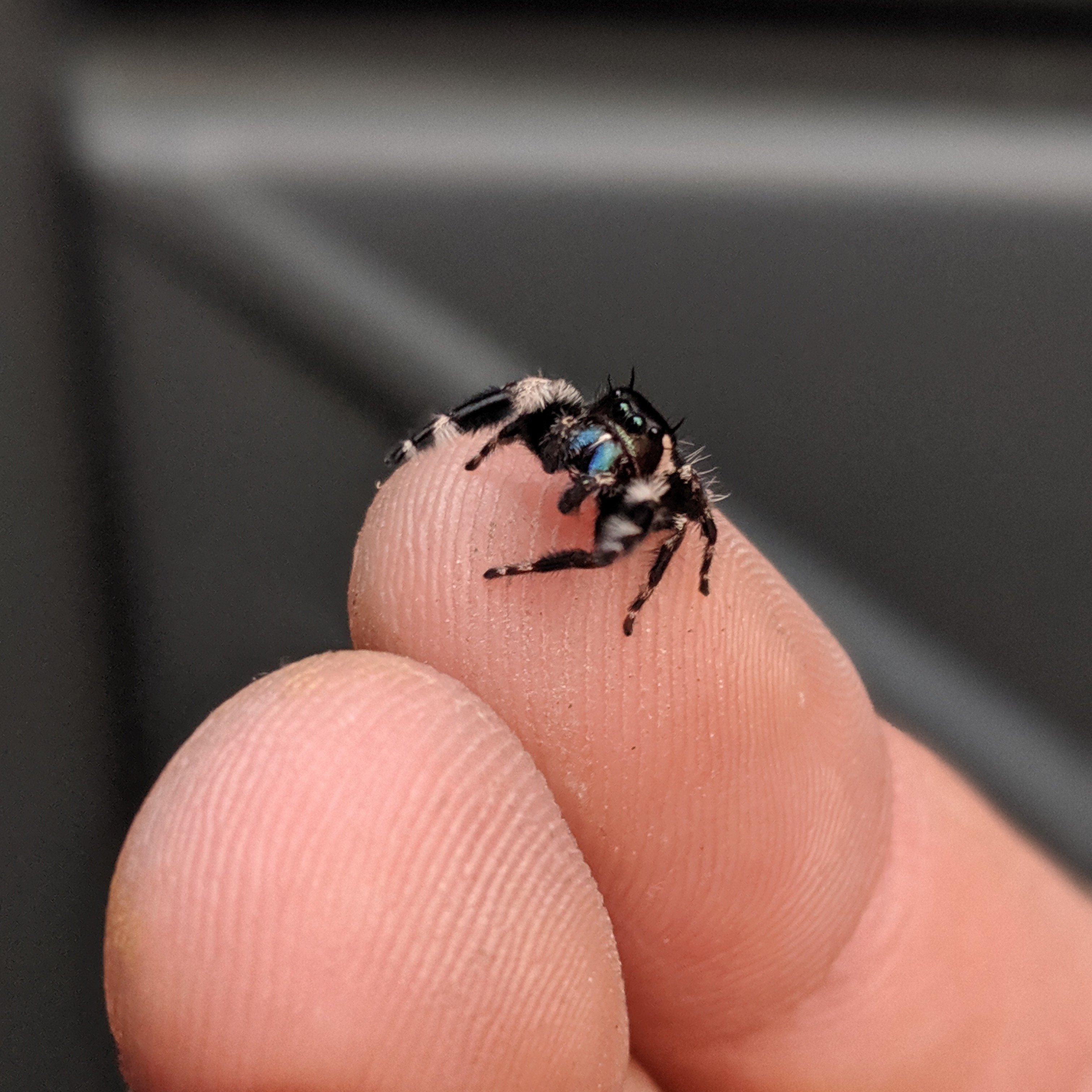
I've always had a soft spot for spiders, but there's something about the jumping spider bite that makes me a bit nervous. These little critters are known for their curious nature and friendly demeanor, but their bite is a whole different story. I mean, have you seen jumping spider bite pictures? It's enough to make anyone's skin crawl!
Jumping spiders: Do they bite?
The Jumping Spider Bite: A Painful Surprise
Jumping spiders are known for their agility and unique hunting techniques, but their bite is a topic that often raises concerns. While these spiders are generally not aggressive towards humans, their bite can pack a punch, leaving many with an unpleasant reminder of their encounter.
Understanding the Venomous Bite
The jumping spider's bite is a defense mechanism, and although it is not typically life-threatening, it can cause some discomfort and mild symptoms. The venom injected during a bite is designed to subdue their prey, but it can also affect humans, leading to an unexpected sting.

Are jumping spiders suitable as pets?
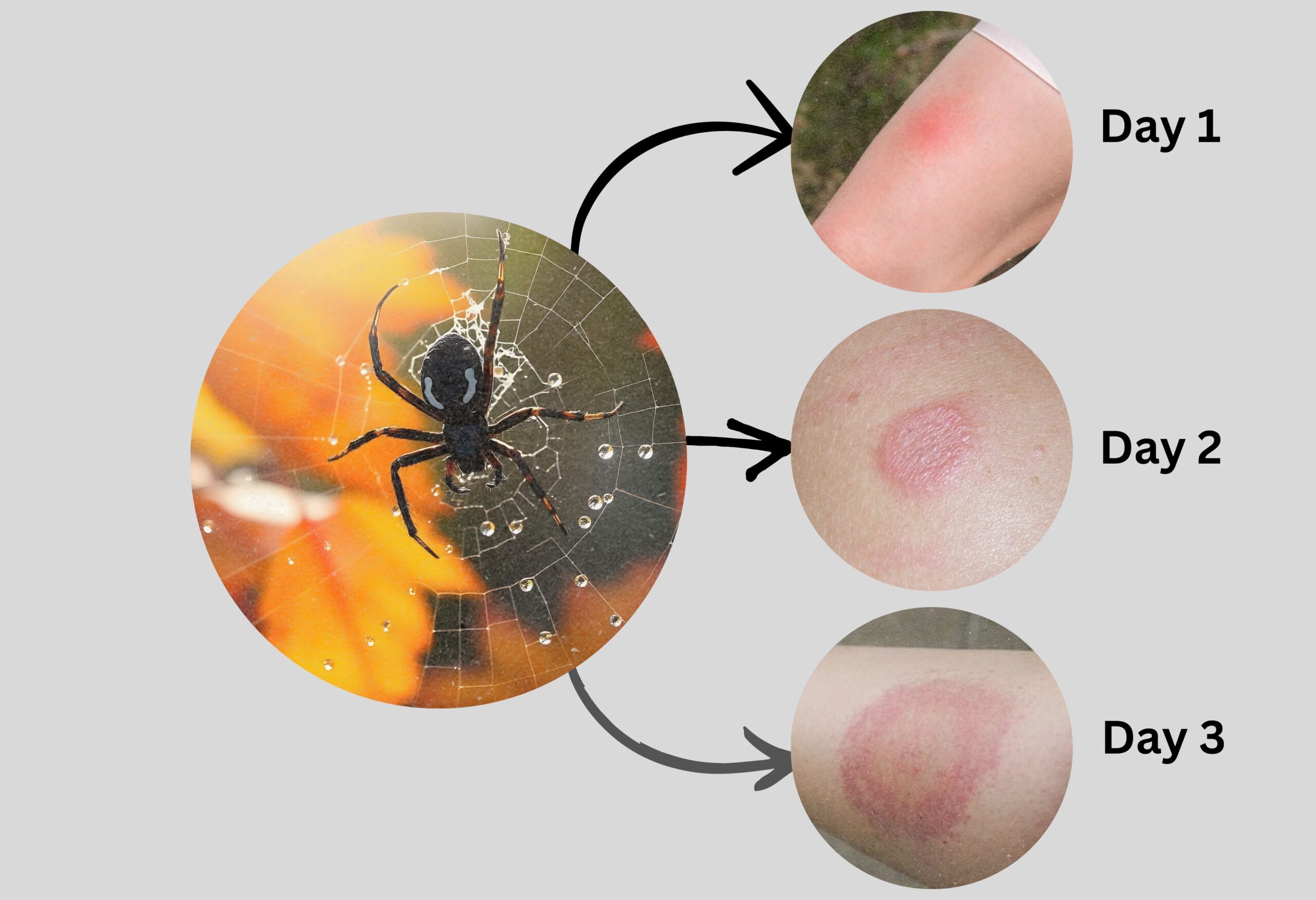
Spider bite on the leg: Symptoms.

Jumping spider: A medical perspective.

Do jumping spiders pose a threat?
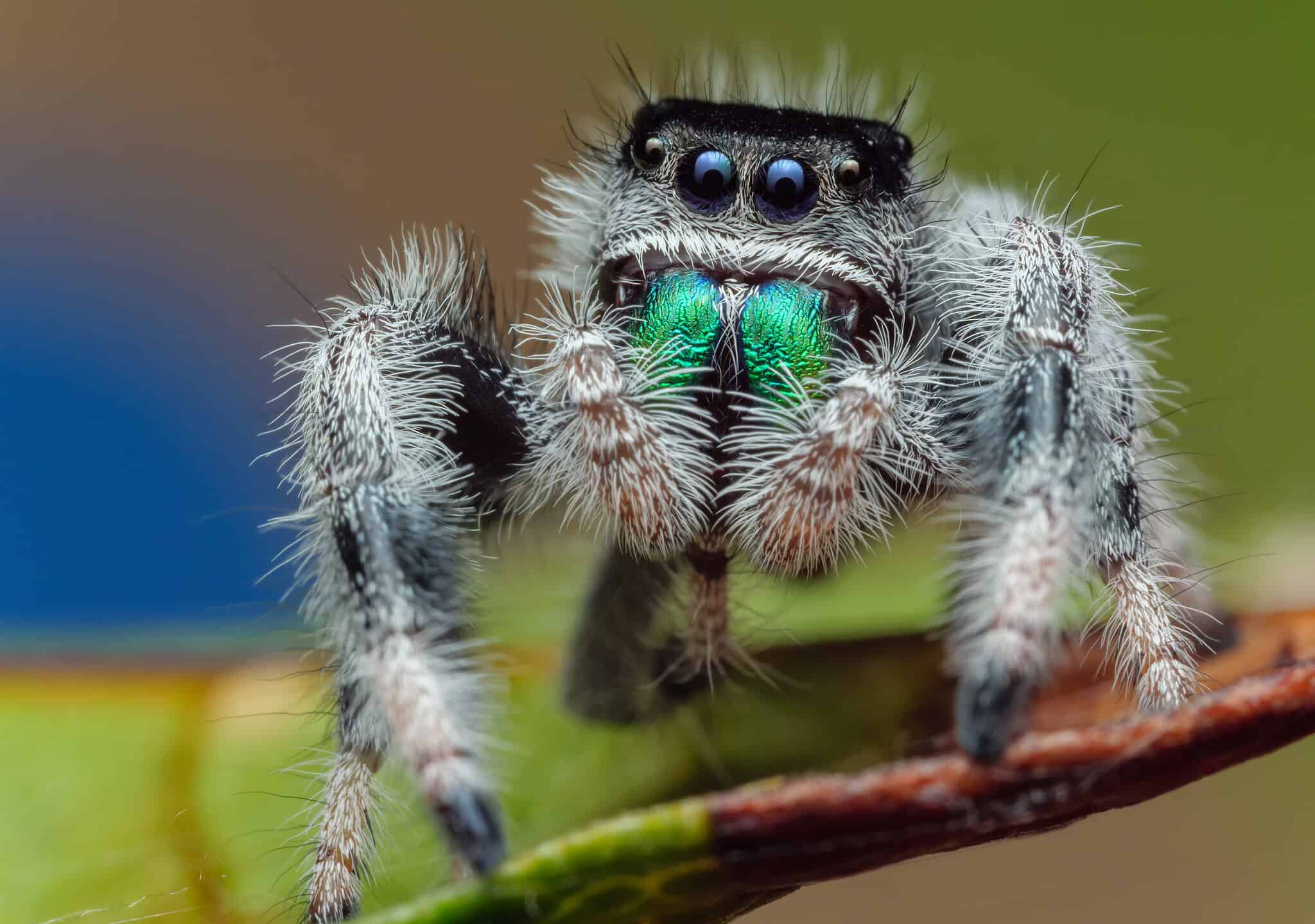
Regal jumping spider: Animal facts.

Spider crabs: A different species.

The bold jumper: Size and bite.
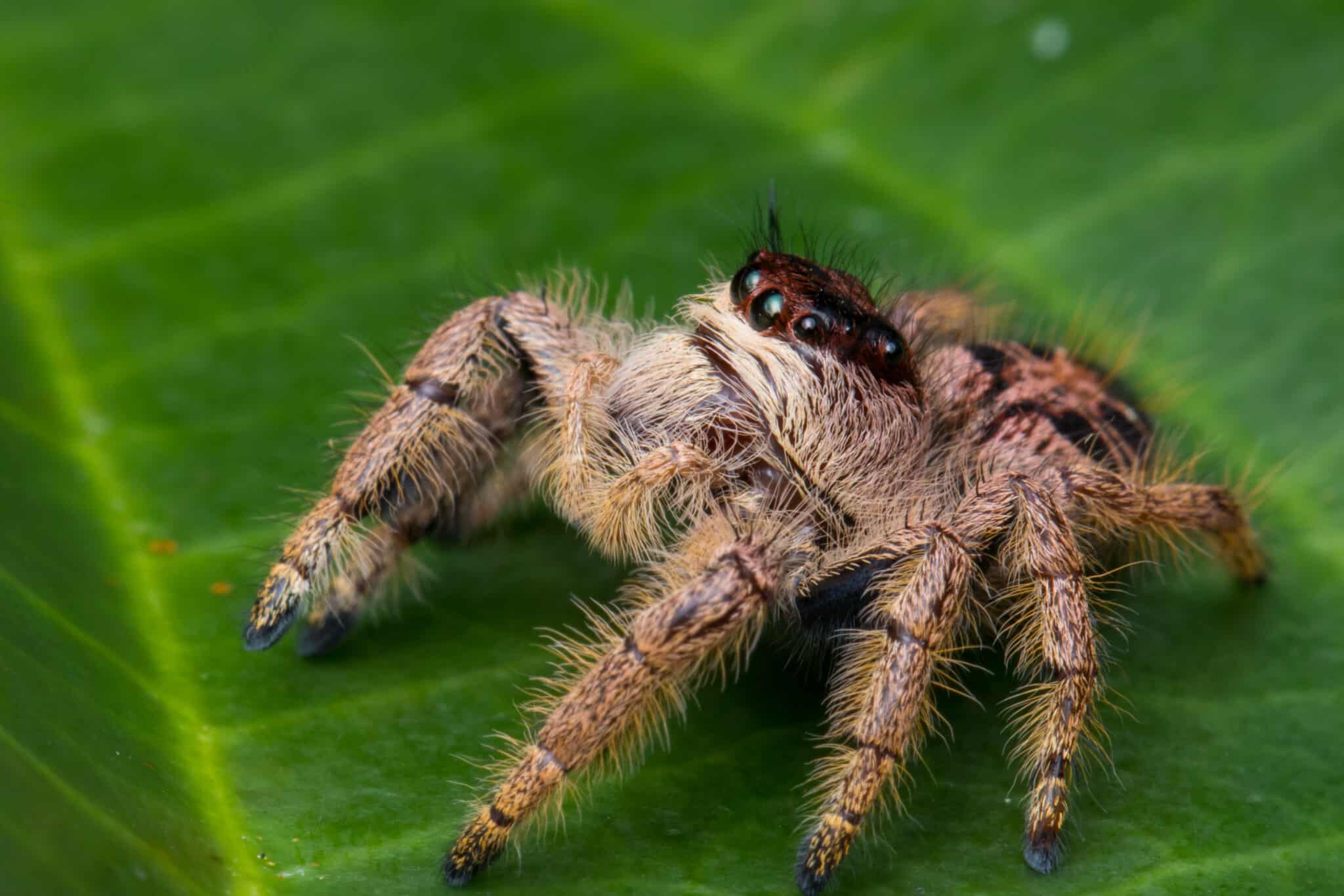
The world's largest jumping spider.

Spider bite symptoms: 17 types.
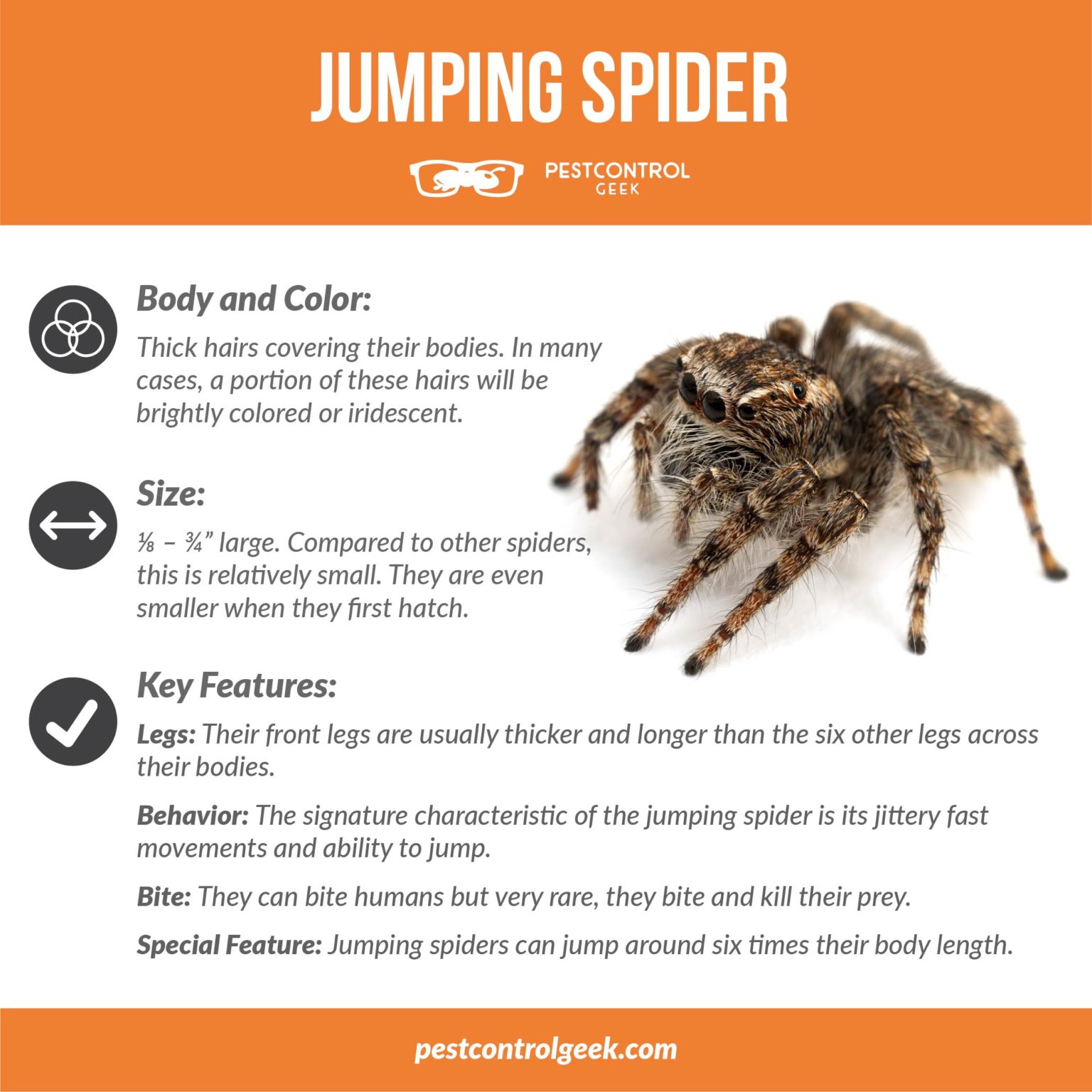
Jumping spiders: Are they dangerous?

Jumping spider bite: A guide.
Why Do Jumping Spiders Bite?
These spiders usually only bite when they feel threatened or trapped. Their quick attack is a response to a perceived danger, and it's important to remember that they are not naturally inclined to seek out humans for a bite. It's often a reaction to a human accidentally encroaching on their space.
Dealing with a Jumping Spider Bite: First Aid and Care
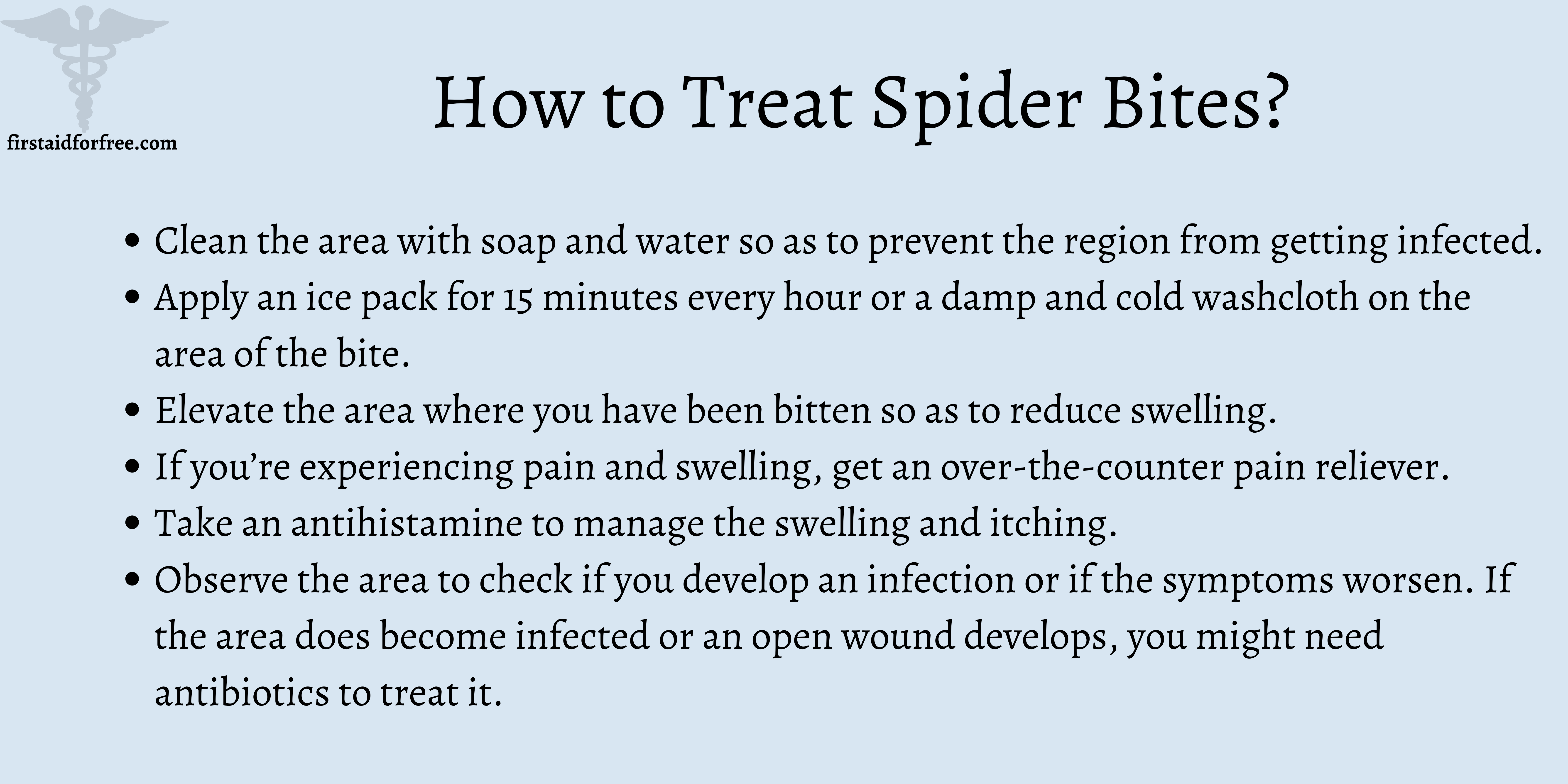
If you do find yourself on the receiving end of a jumping spider's bite, it's crucial to remain calm and take immediate action. Clean the bite area with soap and water to prevent infection. Apply a cold compress to reduce swelling, and monitor the site for any signs of infection or allergic reaction. Most bites will heal on their own within a few days, but it's always best to seek medical advice if you have concerns or experience severe symptoms.
A Tiny Threat with a Friendly Disposition
Despite their venomous bite, jumping spiders are generally considered harmless and even friendly to humans. Their curious nature and playful demeanor make them fascinating creatures to observe. While their bite may be a minor injury, it's a reminder of the delicate balance between these tiny arachnids and our interactions with them. It's important to respect their space and appreciate the beauty of these unique creatures from a safe distance.
Remember, when exploring the world of spiders, it's always a good idea to stay informed and aware, especially when it comes to their defensive behaviors. Water Cycle Worksheet for Kids is a fun way to learn about nature's processes, but when it comes to jumping spiders, a little extra caution never hurts!
So, there you have it, a little insight into the world of jumping spiders and their not-so-friendly bite. Remember, these spiders are usually happy to keep to themselves, but it's always good to be aware and respect their space. If you do come across one, admire their skills from a distance and maybe you'll be lucky enough to witness their impressive hunting abilities! Feel free to share your spider stories or any close encounters you've had; we'd love to hear them!
Bite symptoms, risks, and treatments.
Read also: Simple 1 Step Equation Practice Worksheet