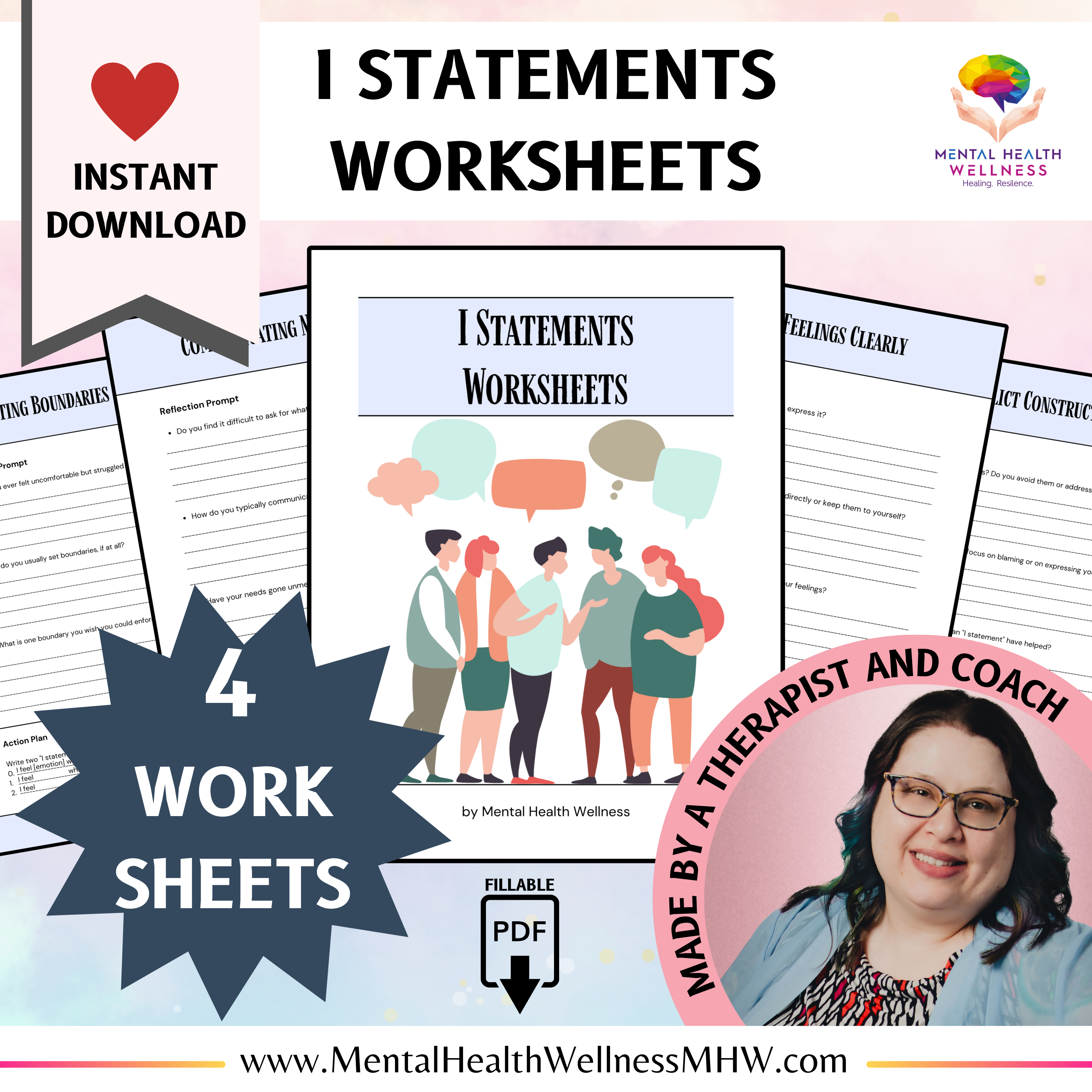
We often hear about the power of "I statements" and how they can improve our communication skills, but sometimes, it's a challenge to put this into practice, especially for kids and students. That's where a free I statements worksheet can come in handy! It's a simple yet effective tool to help learners of all ages grasp the concept and start using "I statements" naturally. If you're a parent, teacher, or homeschooler, you might want to check out this resource, along with some other great worksheet examples like the ones in our figurative language worksheet collection.
DNA studies: an historical overview

"I Statements": A Powerful Tool for Effective Communication
Exploring the Power of "I"
The ability to express our thoughts, feelings, and needs clearly and assertively is a vital skill, and "I statements" are an excellent way to achieve this. By using "I" as the subject of our sentences, we take ownership of our emotions and experiences, which is an empowering step towards healthy communication. This simple shift in language can make a significant difference in how we connect with others and resolve conflicts.
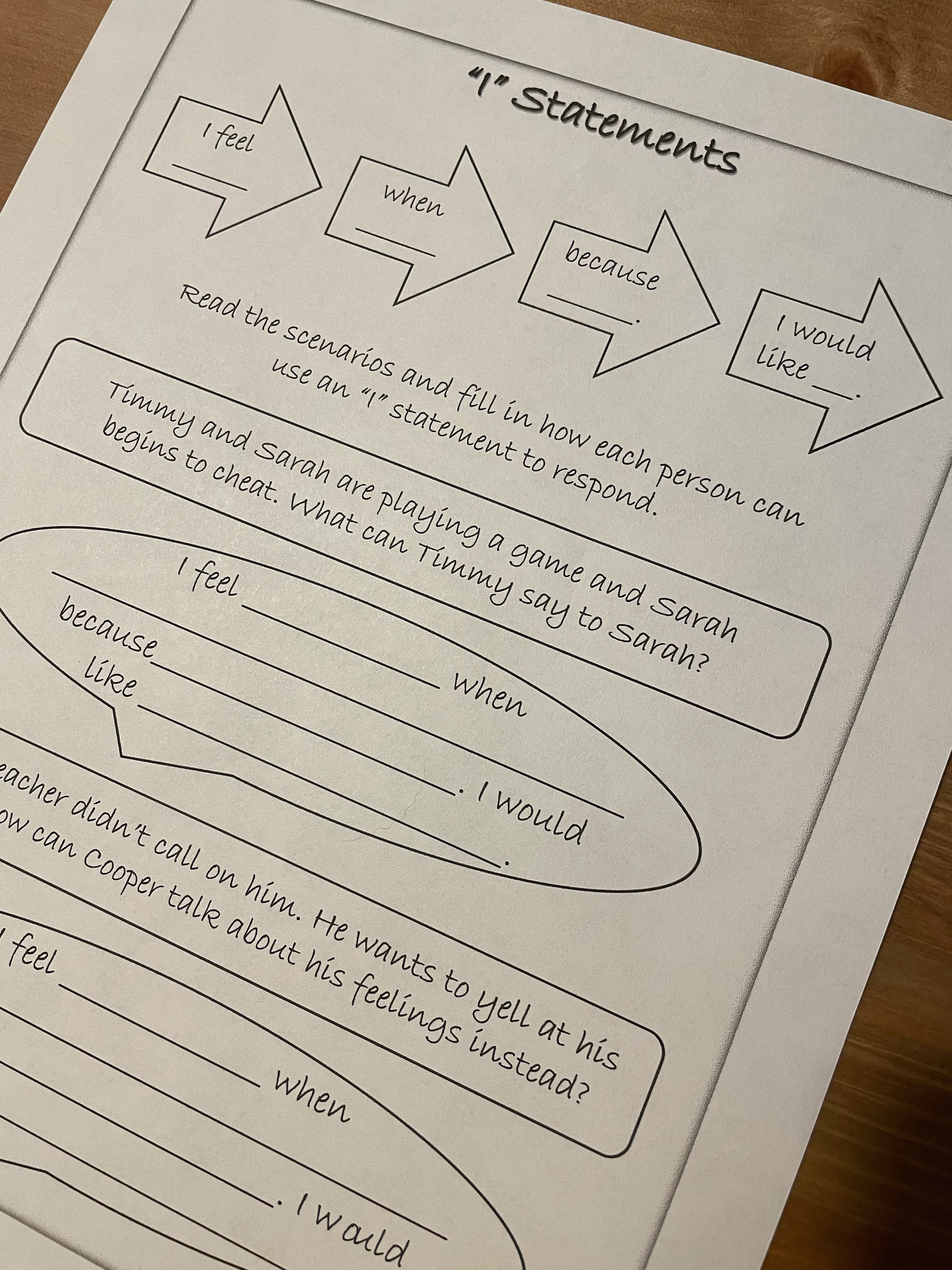
Printable I statement practice sheet
"I Statements" Worksheet: A Step-by-Step Guide
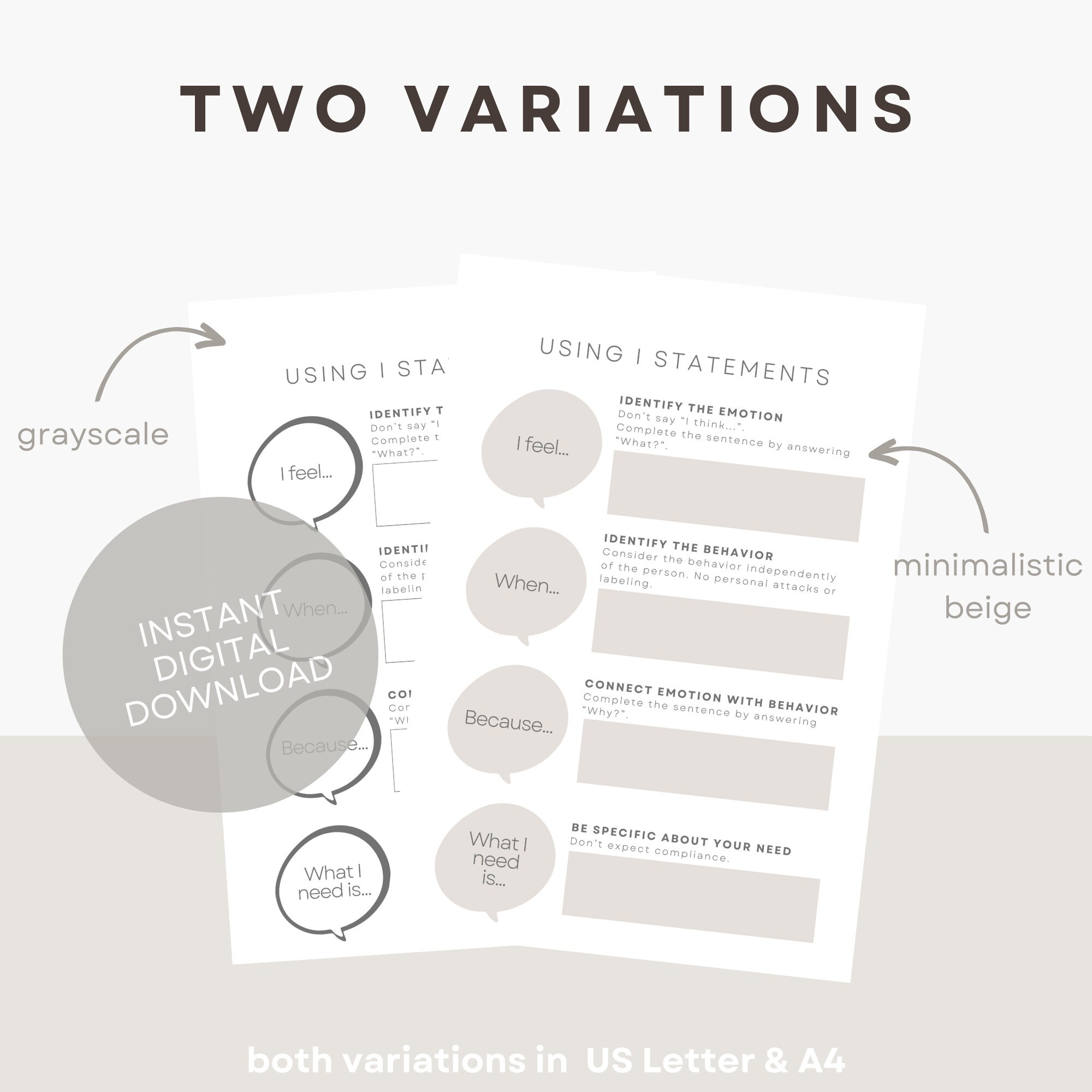
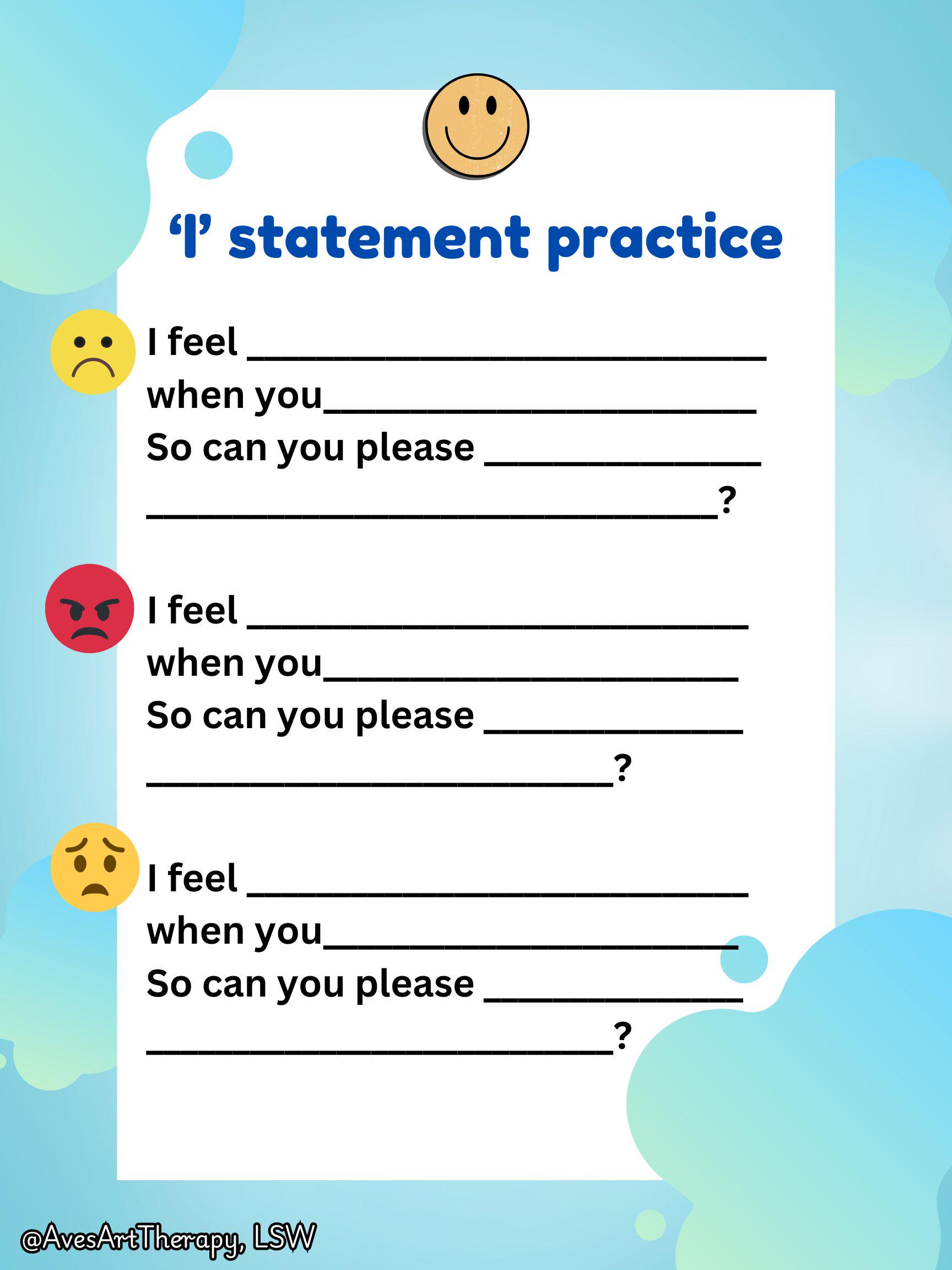
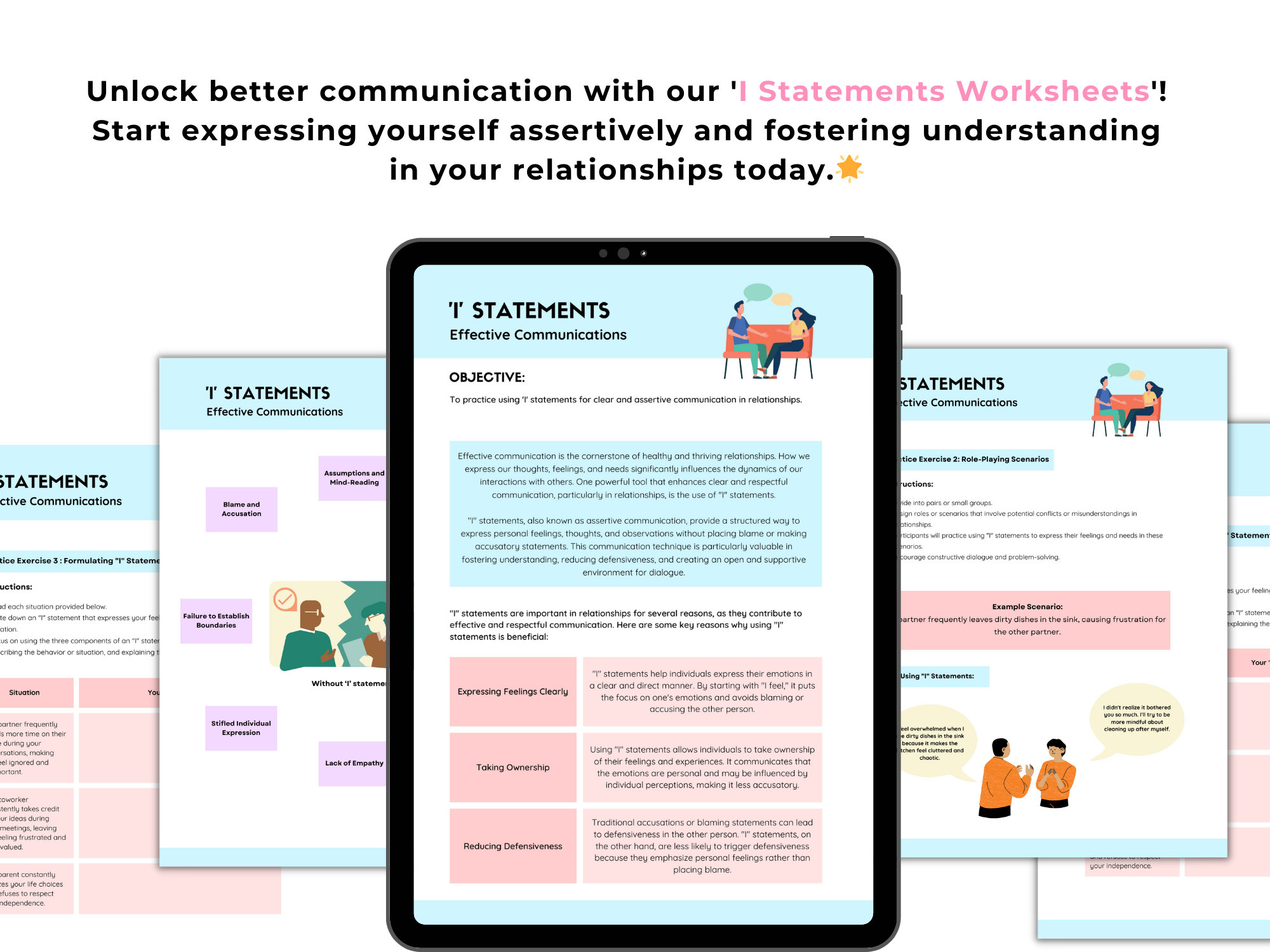
When it comes to learning effective communication, practice makes perfect. That's where the "I Statements" worksheet comes in. This practical tool is designed to guide learners through the process of constructing and using "I statements" in various scenarios. By working through the worksheet, students can develop a deeper understanding of how to express themselves honestly and respectfully.
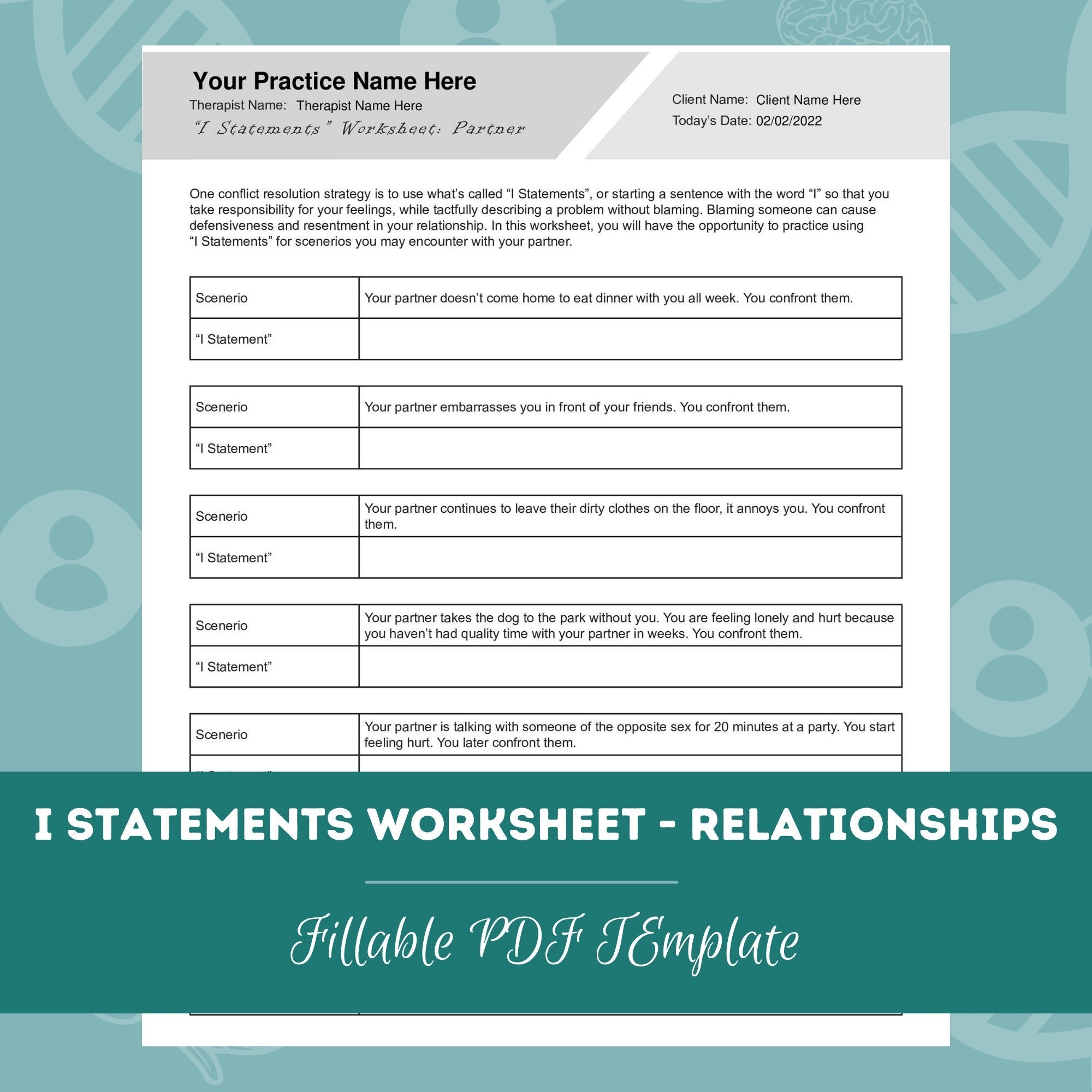
I statements PDF for education
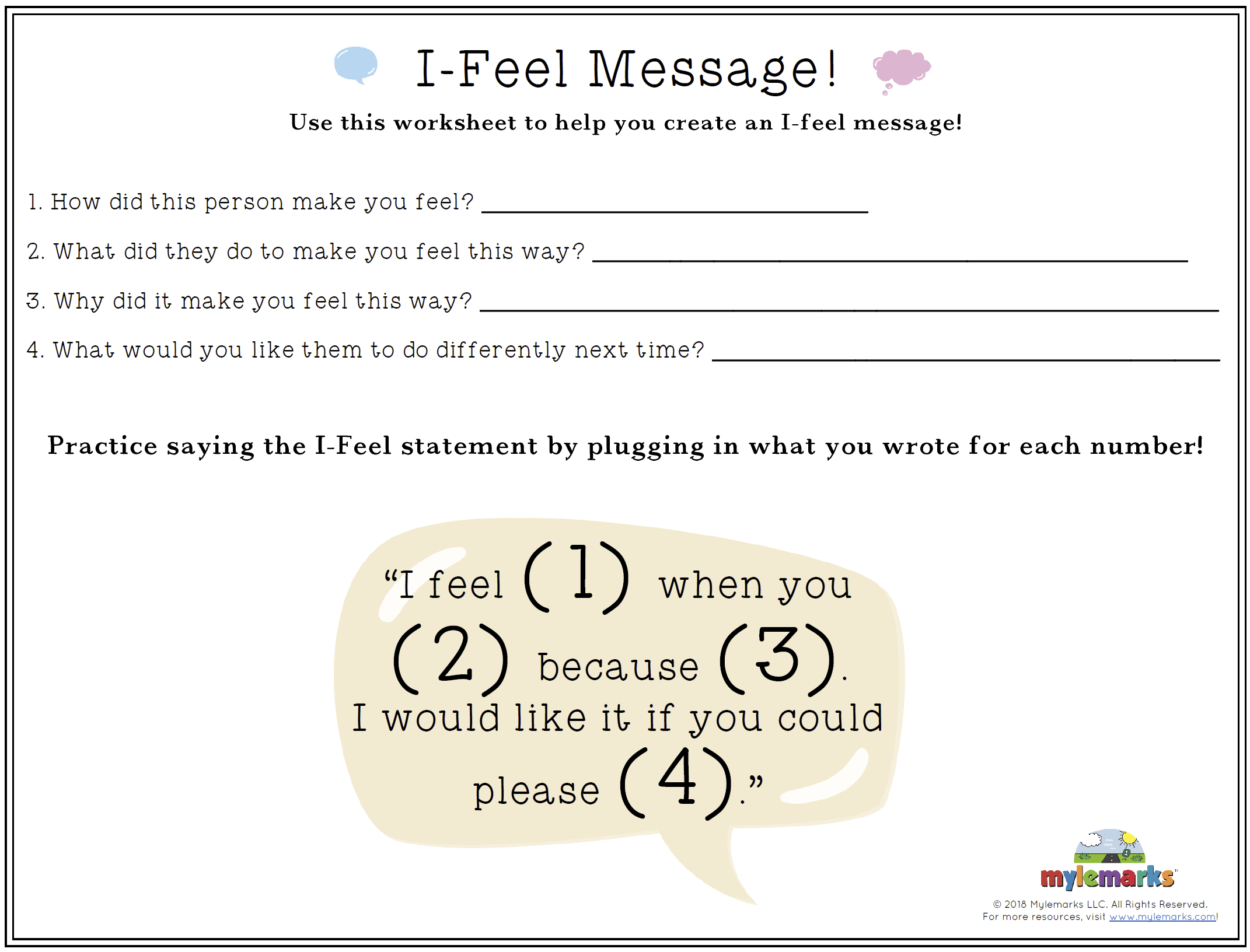
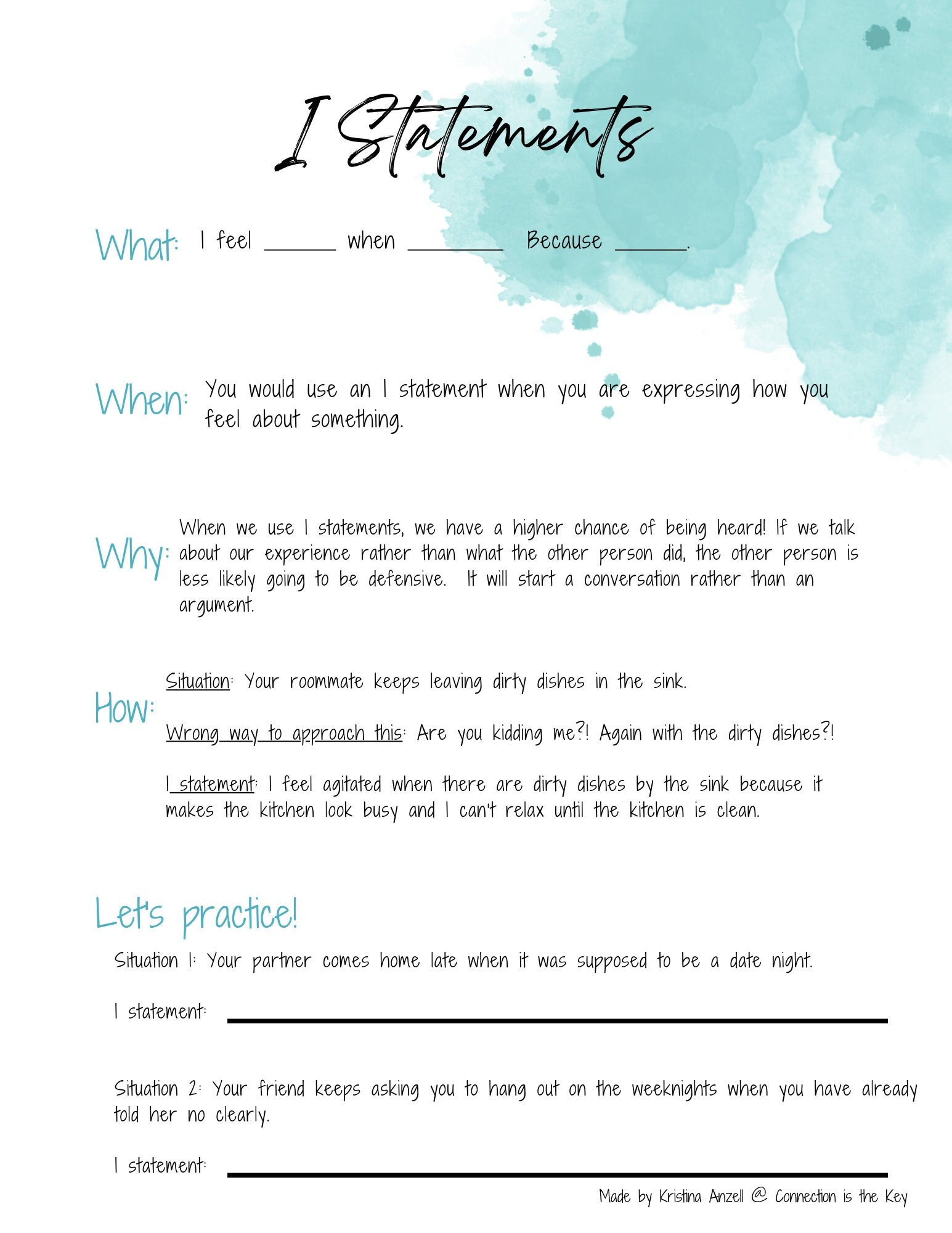
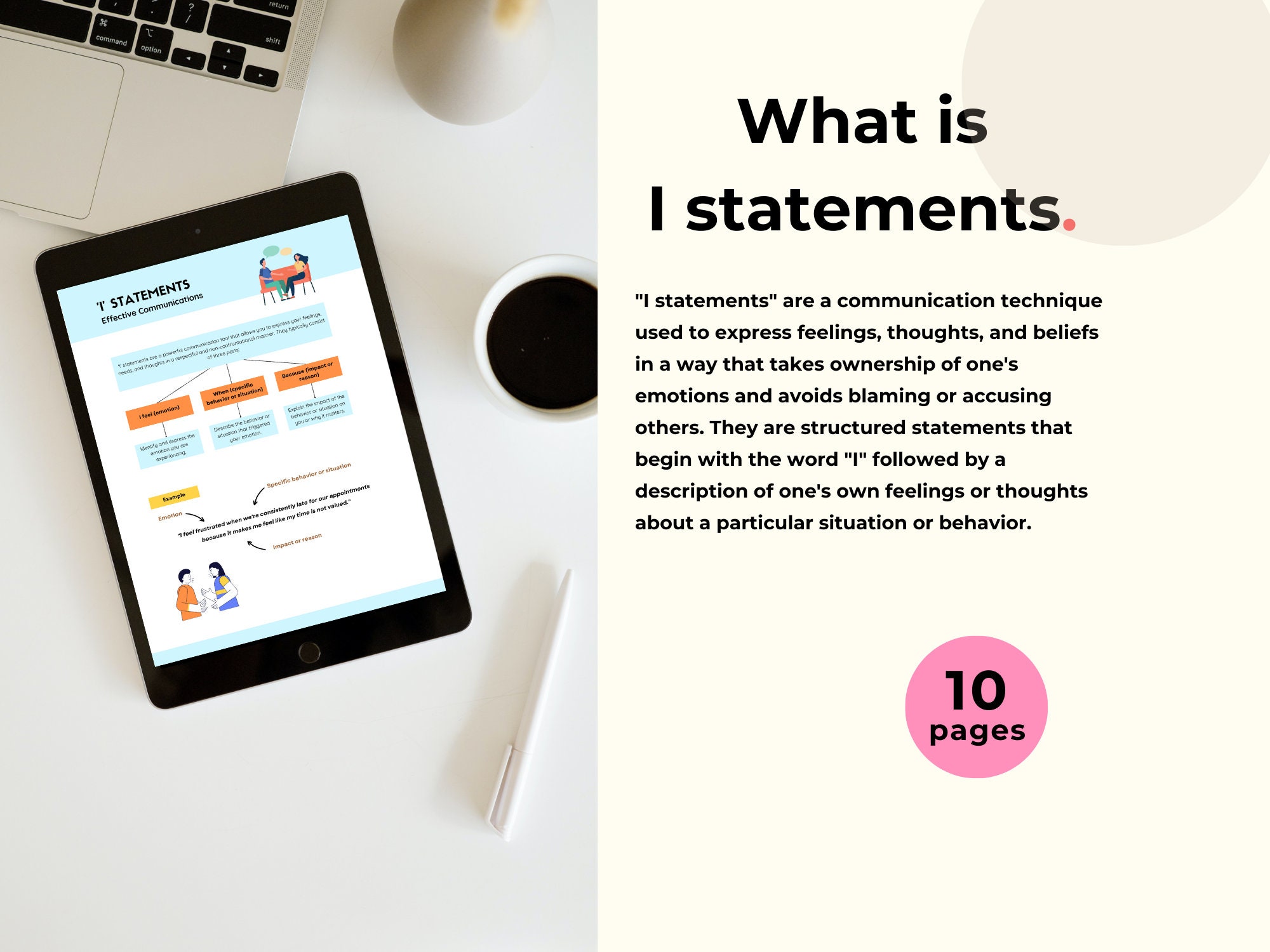
The worksheet typically includes a range of activities and prompts to encourage active engagement. For instance, learners might be asked to complete sentence stems like, "I feel ____ when ____ because ____." This structured approach helps them identify and articulate their emotions, as well as the triggers and reasons behind them.
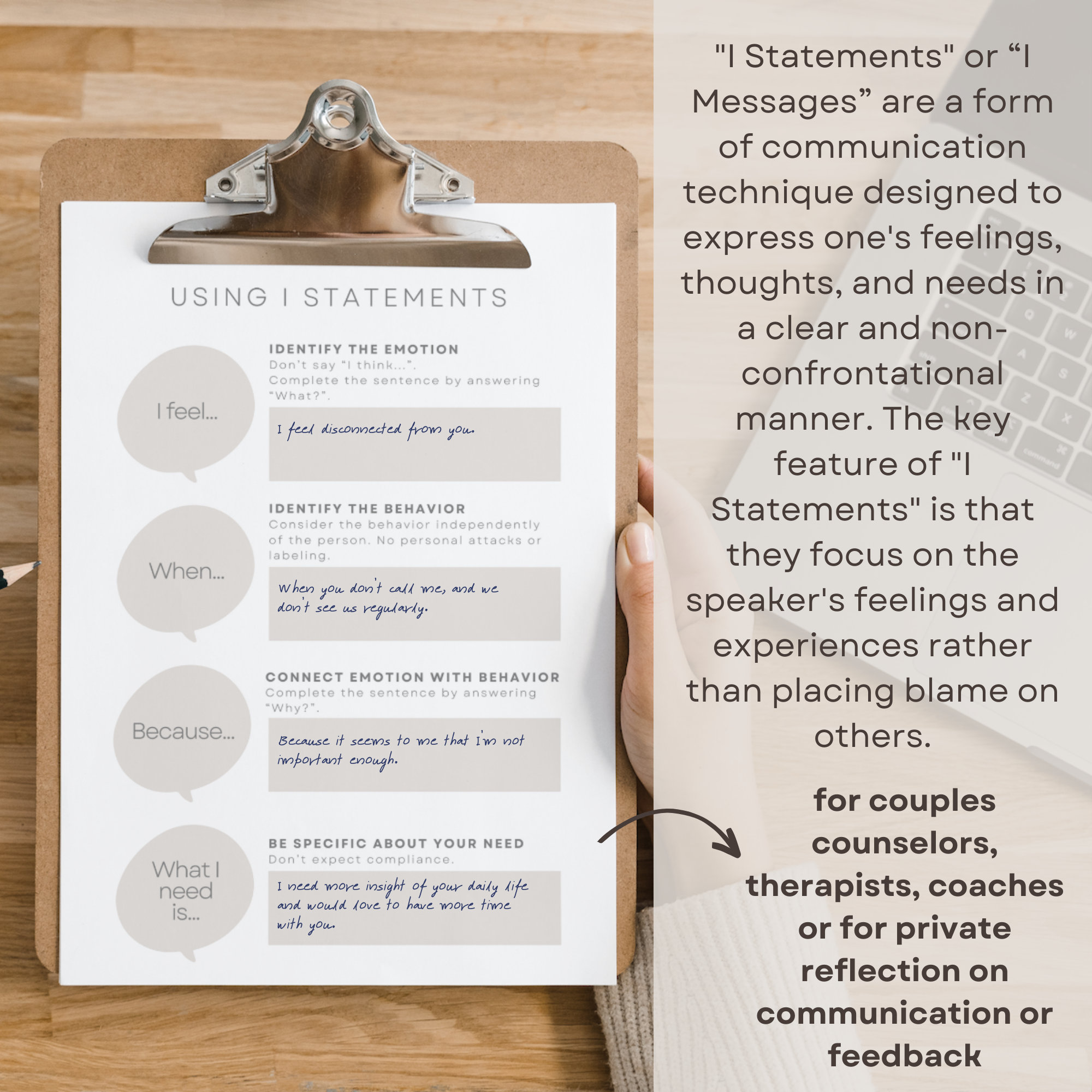
Couples therapy: I statements tool
Additionally, the worksheet often includes scenarios or role-play situations, allowing students to apply their understanding of "I statements" in a realistic context. This hands-on practice is crucial for developing the skill of using "I statements" naturally and effectively in everyday conversations.
Couples communication: I statements practice
People Also Ask: What Are the Benefits of Using "I Statements"?
Using "I statements" offers a multitude of advantages, especially for kids and students who are still developing their communication skills. Firstly, it encourages self-reflection and emotional intelligence. By stating "I feel" or "I think," individuals are prompted to identify and acknowledge their own emotions and thoughts, which is an essential step in understanding oneself.
I statement practice for kids
Secondly, "I statements" promote clear and respectful communication. When we use "I" instead of "you," we avoid sounding accusatory or aggressive, which can help de-escalate tense situations. This approach also allows us to take responsibility for our feelings and experiences, fostering a sense of ownership and maturity.

I statement activities for kids
Lastly, the practice of using "I statements" can help build stronger relationships. By expressing ourselves honestly and respectfully, we create an environment of trust and understanding. This can lead to deeper connections and more effective problem-solving, as everyone feels heard and valued.

I statements: a self-reflection tool
How Can I Use the "I Statements" Worksheet Effectively?
To make the most of the "I Statements" worksheet, it's essential to create a safe and supportive learning environment. Whether you're a parent, teacher, or tutor, ensure that the students feel comfortable sharing their thoughts and emotions without fear of judgment.
Free I statements worksheets for adults
Start by explaining the purpose of the worksheet and the benefits of using "I statements." Provide clear instructions and examples to ensure everyone understands the concept. Then, allow students to work through the activities at their own pace, offering guidance and support as needed.

School counseling: I statements board game
For younger learners or those who need extra support, consider working through the worksheet together as a group. This collaborative approach can help demystify the process and make it more accessible.
I statements worksheet for self-awareness
Taking the Next Step: Practicing "I Statements" in Real-Life Scenarios
While the "I Statements" worksheet is an excellent starting point, the true test of learning comes when students apply their skills in real-life situations. Encourage learners to practice using "I statements" in their daily interactions, whether it's with family members, friends, or even strangers.
Psychoeducation: I statements and communication
For instance, if a student feels overwhelmed by a particular task, they could say, "I'm feeling a bit stressed about this project because I'm not sure where to start. Can we break it down together?" This approach not only helps them express their emotions but also invites collaboration and support.
Additionally, the worksheet can be a valuable resource for reflecting on past interactions. Students can analyze situations where they may have struggled to express themselves effectively and consider how using "I statements" could have improved the outcome. This reflective practice reinforces the skills learned and encourages continuous improvement.
Remember, the ability to use "I statements" is a journey, and with consistent practice, learners will develop the confidence and competence to navigate a wide range of communication scenarios.
Using "I statements" is a simple yet powerful practice that can transform the way we communicate and connect with others. It's an accessible tool that encourages honesty and self-awareness, and the best part? It's free and available to everyone!
So, why not give it a go? Print out a worksheet, jot down your thoughts, and see the magic of "I statements" unfold. It's a great way to start a conversation, whether it's with a loved one or even just yourself. Leave a comment or share your experience below; we'd love to hear how this practice has impacted your communication journey!
Communication styles and I statements
Read also: How to Use the From One Form to Another Worksheet


-Step-24-Version-2.jpg)

