



Exponent Rules Worksheet Grade 3 Overview
Math can be a tricky subject for many, and sometimes all you need is a simple tool to help you grasp a concept. That's where finding slope from a graph worksheet comes in handy! It's a practical way to reinforce your understanding of slopes, especially when you have a visual representation to work with. If you've been struggling with identifying slopes from graphs, you might want to check out some resources like finding slope worksheets printable or even the 28 Decimal Multiplication Worksheets for Practice to build your math skills.
Practice with parallel and perpendicular lines.
Understanding Slopes Visually
A finding slope from a graph worksheet is an excellent tool for learners to visually grasp the concept of slopes and their applications. It provides a practical way to analyze linear relationships and understand the rate of change between variables. By working with graphs, learners can develop a deeper understanding of how slopes indicate the steepness of a line and how this relates to real-world scenarios.
Calculate slope from a graph.
This worksheet type is particularly beneficial for visual learners who benefit from seeing concepts in action. It allows students to connect abstract mathematical concepts with visual representations, making learning more engaging and intuitive.
Advanced table-to-slope practice.
Beyond Basic Slope Calculations
While finding slope from a graph worksheet often focuses on the fundamental skill of calculating slopes, it can also introduce more advanced concepts. These worksheets can include questions that explore the y-axis intercept, which is a crucial aspect of linear equations. By understanding the y-intercept, learners can interpret the point where a line crosses the y-axis and its significance in graph analysis.
Identify slope from a graph.
Additionally, more complex worksheets may involve identifying slope from a graph that has multiple lines or non-linear curves. This challenges students to differentiate between various lines and understand the unique characteristics of each. It encourages critical thinking and a deeper understanding of graph analysis.
Slope calculation: graph-based worksheet.
How Do You Find the Slope of a Line on a Graph?
One common question that arises when working with slopes is how to accurately determine the slope of a line on a graph. The process involves identifying two points on the line and calculating the rise over run, which is the vertical change over the horizontal change. This calculation provides the slope, indicating the steepness of the line.
Speed-time graphs: a fun challenge.
For instance, if a line rises 5 units and runs 2 units, the slope would be 5/2, or 2.5. This simple calculation is a fundamental skill in graph analysis and is essential for understanding linear relationships.
Linear functions: y = mx practice.
Practicing with Worksheets: Tips and Strategies
When using a finding slope from a graph worksheet, it's important to approach the practice with a strategic mindset. Here are some tips to make the most of these worksheets:
Line graphs for Year 7 students.
- Start with simpler graphs and gradually progress to more complex ones. This allows for a gradual build-up of skills and confidence.
- Focus on understanding the concept of rise over run and how it relates to the steepness of a line. This foundational understanding will benefit learners as they encounter more advanced topics.
- Encourage learners to identify patterns and trends in the graphs. This promotes critical thinking and a deeper engagement with the material.
- For more advanced learners, introduce worksheets that require them to identify slopes from graphs with multiple lines or curves. This challenges their understanding and encourages them to differentiate between various linear relationships.
- Practice regularly and consistently. Repetition is key to mastering any skill, and slope calculation is no exception.
Free worksheet: slopes of lines.
Applying Slope Analysis in Real-World Scenarios
The skill of finding slope from a graph is not just an academic exercise; it has real-world applications. Understanding slopes and their calculation is essential in fields like physics, engineering, and economics. For example, in physics, slopes can represent the rate of change of velocity, acceleration, or other variables. In economics, slopes can indicate the rate of change in supply and demand curves.
Graph-based slope finding practice.
By mastering the skill of finding slope from a graph, learners develop a valuable tool for analyzing data and making informed decisions. It equips them with the ability to interpret visual representations of data and understand the underlying mathematical relationships. This skill set is transferable and can be applied across various disciplines, making it a valuable asset for lifelong learning.
Slope of a line: graph worksheet.
More graph-based slope calculations.
So, there you have it! Visualizing slopes through graphs is an awesome way to learn and apply this mathematical concept. It's like discovering a hidden treasure map, where each graph is a clue leading you to a deeper understanding of linear relationships.
Why not give it a go and see how you get on with a finding slope from a graph worksheet? It's a fun and practical way to enhance your math skills. Leave a comment or share your experience below; we'd love to hear how it went for you!
Finding slope: graph-based exercises.
Related: 12 Letter a Worksheets for Kids
Learning to write is a big step for little ones, and it can be a challenging journey for parents and teachers too! Letter a worksheets are a brilliant tool to have in your back pocket. They offer a simple and effective way to practice writing and reading, especially for toddlers and preschoolers. I mean, who doesn't love a fun activity that also helps with learning? Check out some tracing letter a worksheets and you'll see what I mean! Oh, and if you're looking for more creative ways to engage kids, 19 Color By Code Worksheets for Kids might just be your next go-to!
Trace the alphabet letters with ease.
A is for Alphabet Practice
Letter a worksheets are an excellent starting point for introducing young learners to the wonderful world of letters and language. These worksheets focus on one specific letter, in this case, the letter a, and provide a structured way to explore its various forms and uses.
Fun and flexible alphabet tracing practice.
By engaging with letter a worksheets, children can develop a solid foundation in letter recognition, writing, and reading. It's a crucial step towards literacy, and with the right resources, it can be an enjoyable and rewarding experience for both the learner and the educator.
Coloring and tracing: a fun combo!
Exploring Different Worksheet Types and Skills
There's a whole range of letter a worksheets available, each with its own unique focus and learning objective. Some worksheets might prioritize letter identification, challenging learners to spot the letter a among other letters or objects. Others might encourage fun tracing activities, where children can practice writing the letter, both in its uppercase and lowercase forms.
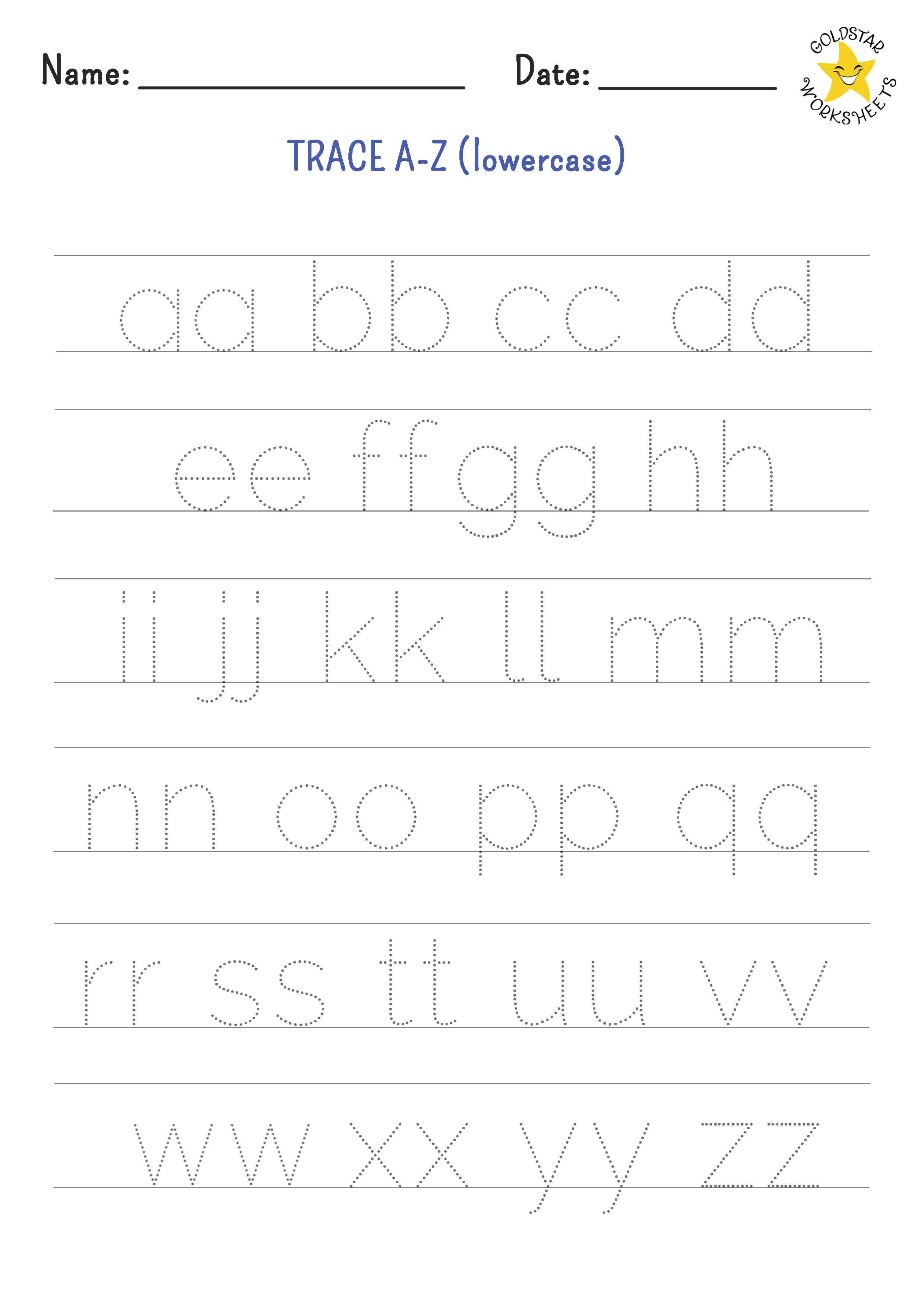
Lowercase letter tracing for writing skills.
More advanced worksheets could introduce the concept of "a is for" words, helping children associate the letter with specific objects or ideas. For instance, a worksheet might have a picture of an apple and the word "apple" written out, reinforcing the connection between the letter and the object it represents.
Color and learn with letter A worksheets.
People Also Ask: What Age Group Benefits from Letter A Worksheets?
Letter a worksheets are particularly beneficial for toddlers and preschoolers who are just beginning their literacy journey. These worksheets provide a gentle introduction to letters, helping young learners grasp the basic shapes and sounds associated with the alphabet.
Tracing numbers: a preschooler's delight.
However, letter worksheets can also be useful for older children who need extra practice or reinforcement. For instance, kindergarteners might use letter a worksheets to refine their writing skills, while older students could benefit from more advanced worksheets that explore prefixes and suffixes, building on their foundational knowledge of the letter a.
Fill in the missing letter: fun activity.
How to Use and Print Letter A Worksheets Effectively
Using letter a worksheets is straightforward and flexible. You can incorporate them into classroom lessons, homeschooling curriculums, or even use them as a fun activity during tutoring sessions. Simply print out the worksheets and provide learners with a writing instrument, such as a pencil or crayon.
Lowercase alphabet tracing PDF.
If you're using the worksheets at home, consider setting up a dedicated learning area with a table and chair. This can create a focused environment, helping children concentrate on the task at hand. For classroom use, you might want to print multiple copies and provide learners with individual worksheets, or even laminate them for durability and reuse.
Cursive letter K: practice sheet.
Progressing from Simple to Challenging Activities
The beauty of letter a worksheets is their versatility. They can cater to various skill levels and learning paces. For beginners, start with simple worksheets that focus on letter identification and fun tracing. These activities help children familiarize themselves with the letter's shape and form.
Master cursive with letter I worksheet.
As learners gain confidence, you can introduce more complex worksheets that involve matching the letter a with corresponding words or pictures. This helps reinforce the connection between the letter and its associated sounds and meanings. For an extra challenge, try worksheets that require learners to find the letter a within a sentence or paragraph, testing their reading and comprehension skills.
Printable letter A worksheets for all.
With a range of activities and difficulty levels, letter a worksheets can accompany learners as they progress through their literacy journey, providing a solid foundation for future learning.
Traceable letter A: alphabet practice.
So, there you have it! A fun and engaging way to kickstart your child's literacy journey. Remember, these worksheets are a great tool to reinforce letter recognition and writing skills. Why not give them a go and see the progress your little ones make? It's an enjoyable and effective way to learn, so feel free to explore and experiment with different worksheets. We'd love to hear about your experiences and any fun activities you've tried, so leave a comment and share the love!
Grade 1: Practice tracing letters in PDF.
Read also: 16 Language Arts Worksheets for Everyday Practice
Related: 24 Short a Worksheets for Easy Practice
As a parent, I'm always on the lookout for fun and engaging ways to help my kids practice their reading and writing skills. And let's be real, sometimes finding the right resources can be a bit of a challenge! That's why I was thrilled to discover short a worksheets - a simple yet effective tool that has become a go-to for many parents and teachers. These worksheets offer a great way to reinforce those early reading skills, and I've even found some fantastic short a words for kindergarten lists that have been a hit with my little ones. It's a practical way to keep learning fun and accessible, and I highly recommend checking out these resources, especially if you're looking for some extra practice.
Fun games to practice short vowel sounds.
Short A Worksheets: A Powerful Tool for Early Reading Mastery
Short a worksheets are an incredibly valuable resource for anyone looking to enhance their early reading skills. These worksheets focus on the short a sound, which is a fundamental building block of phonics and an essential step towards reading fluency. By practicing with these worksheets, learners can develop a strong foundation in recognizing and understanding this crucial vowel sound.
Free printable for short vowel practice.
Beyond the Basics: Exploring Different Worksheet Types
While the short a sound is a key focus, these worksheets offer a range of activities to engage learners and cater to different learning styles. From matching pictures to their corresponding words to identifying short a words within sentences, these worksheets provide a well-rounded approach to phonics practice. Some worksheets even introduce simple word families, helping learners recognize patterns and develop a deeper understanding of word structures.
Short vowel sounds: match the words.
The variety of activities ensures that learners stay motivated and engaged, making learning fun and effective. Whether it's through word searches, sentence completion exercises, or picture-word associations, short a worksheets offer a dynamic and interactive learning experience.
Reading practice with short vowel words.
People Also Ask: What's the Ideal Age for Short A Worksheets?
A common question among parents and educators is determining the appropriate age or grade level for these worksheets. While the specific age range can vary depending on the individual child's reading development, short a worksheets are generally suitable for kindergarten and early elementary grades.
Let's read and match short vowel words.
These worksheets are designed to cater to the needs of young learners who are just beginning to grasp the concept of reading. By focusing on the short a sound, which is often one of the first vowel sounds introduced, these worksheets provide a gentle and accessible entry point into phonics.
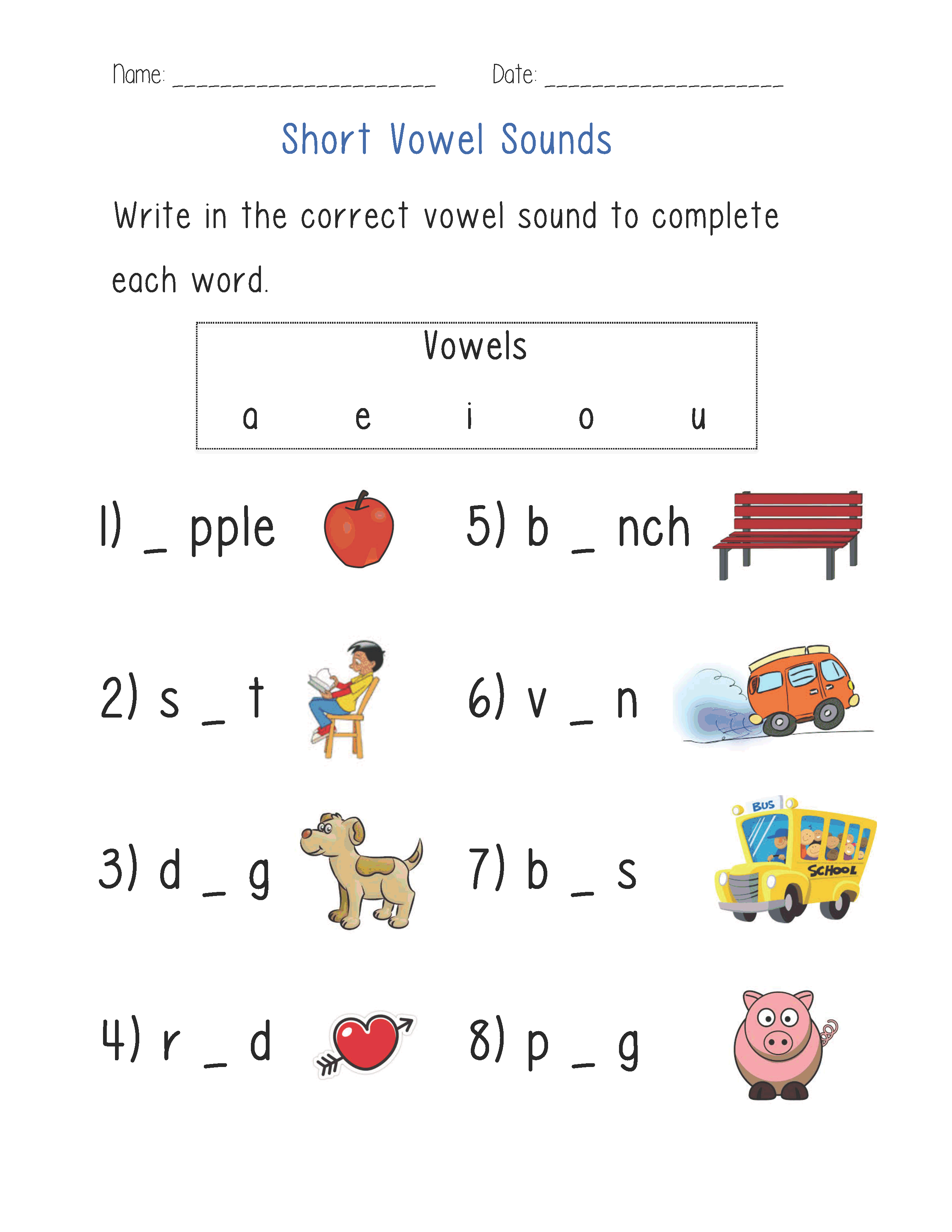
Short vowel sounds: write and learn.
How to Use Short A Worksheets Effectively
When it comes to utilizing short a worksheets, there are a few practical considerations to keep in mind. First and foremost, ensure that you have a printer and access to the necessary resources. Many short a worksheets are available online, and some websites even offer customizable options to tailor the worksheets to your specific needs.
Short A worksheet for kindergarteners.
Once you have access to the worksheets, consider the learning environment. Whether you're a parent homeschooling your child or a teacher in a classroom setting, creating a dedicated and distraction-free space for learning is crucial. Ensure that the learner has a comfortable and well-lit area to work in, free from interruptions.
Beginning, ending, and short vowel bundle.
Encourage active participation and engagement by guiding the learner through the worksheets. Explain the instructions clearly and provide support and encouragement as needed. Celebrate their progress and achievements to boost their confidence and motivation.
Tagalog reading practice for grade 1.
From Simple to Challenging: Progression in Short A Practice
Short a worksheets offer a progressive learning journey, starting with basic recognition and moving towards more complex activities. Initially, learners may focus on simple word recognition and matching pictures to words. As they progress, they can tackle more advanced tasks, such as finding words with the short a sound within longer sentences or identifying words with specific word family patterns.
1st grade phonics: CVC short vowel words.
This gradual progression ensures that learners build their skills step by step, reinforcing their understanding of the short a sound and gradually increasing the complexity of their reading tasks. By providing a structured and progressive learning experience, short a worksheets effectively guide learners towards reading mastery.
Mega CVC pack for pre-K and kindergarten.
As learners advance, they can also explore more creative and interactive activities. For example, they can create their own short a word lists or engage in phonics-themed crafts and games. This not only reinforces their learning but also adds an element of fun and creativity to the reading journey.
Build CVC words: OT word family.
In conclusion, short a worksheets are a versatile and effective tool for early reading development. By offering a range of engaging activities and a progressive learning path, these worksheets empower learners to master the short a sound and build a strong foundation for reading success. Whether used in a classroom, homeschooling environment, or for at-home practice, short a worksheets are a valuable resource for any early reader.
13 Thanksgiving Worksheets for Preschoolers can also be a fun way to incorporate seasonal themes into phonics practice, offering a unique and engaging learning experience for young learners.
So, there you have it! Short a worksheets are an excellent way to boost your reading confidence and skills. They offer a fun and engaging approach to learning, and with consistent practice, you'll be amazed at the progress you can make.
Why not give these worksheets a go and see the difference they can make? It's a great way to reinforce your phonics knowledge and take your reading to the next level. Leave a comment or share your experience below; we'd love to hear how these worksheets have helped you!
Identify long and short vowel words.
Read also: 15 Cursive Alphabet Worksheets for Kids