



Exponent Rules Worksheet Answer Key Overview
As a parent, I'm always on the lookout for fun and engaging ways to help my kids learn. Alphabet B worksheets have been a lifesaver, offering a simple yet effective tool to practice writing and recognizing the letter B. These worksheets are a great starting point, especially when you want to introduce new concepts and skills, like letter b identification. It's a handy resource, and I even found some cool ideas for simile and metaphor worksheets *15 Simile and Metaphor Worksheet Ideas to keep the learning creative!
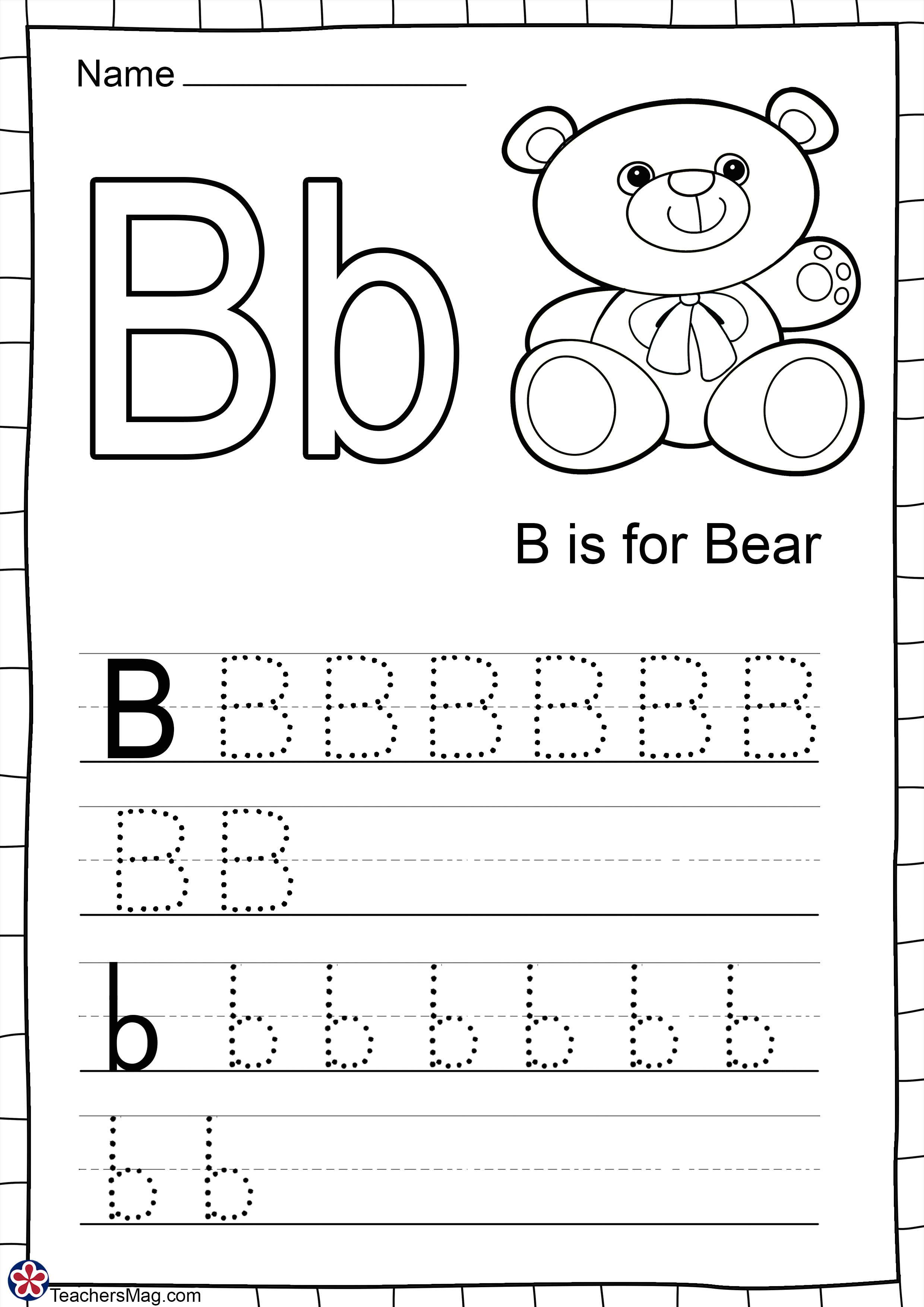
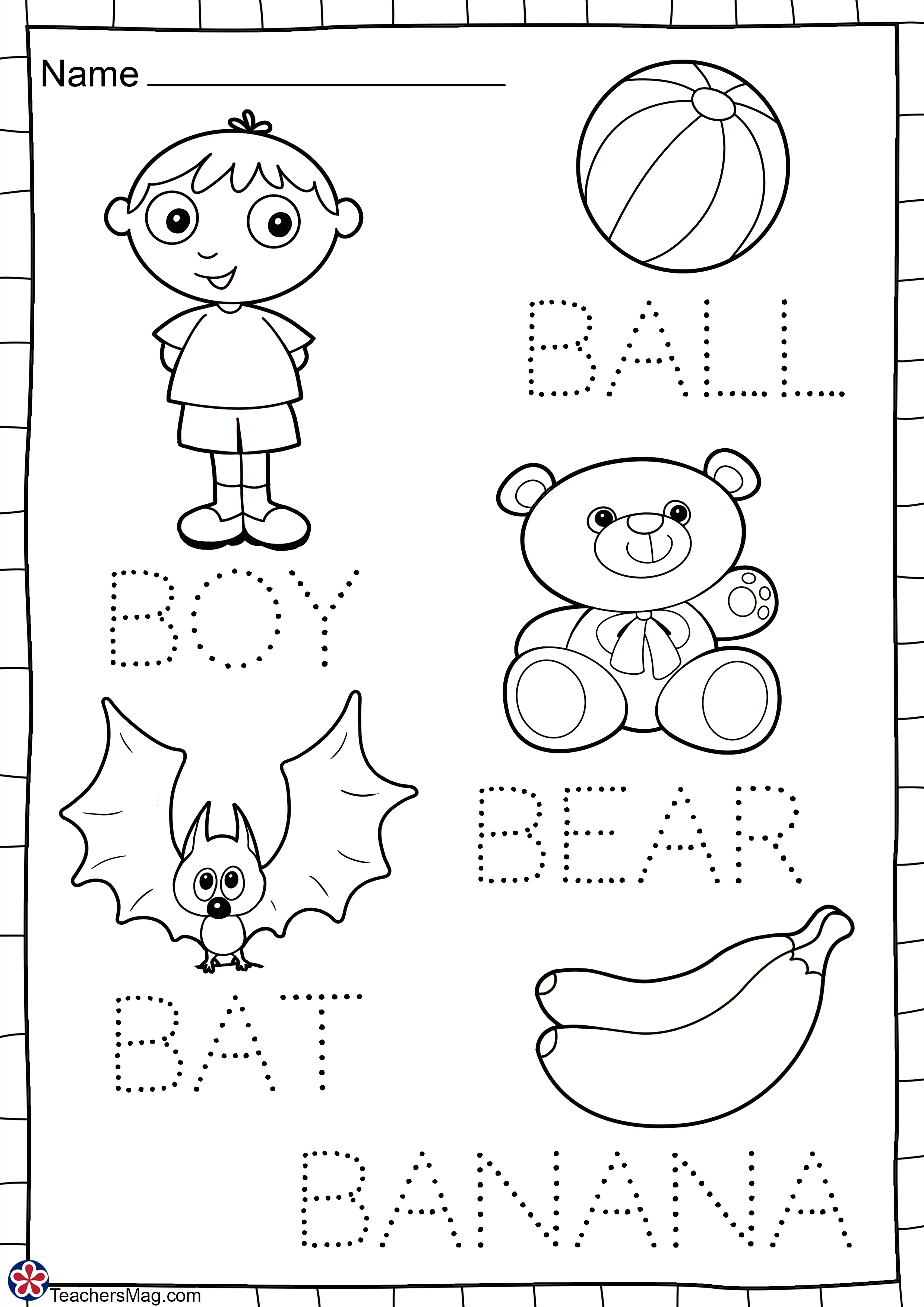
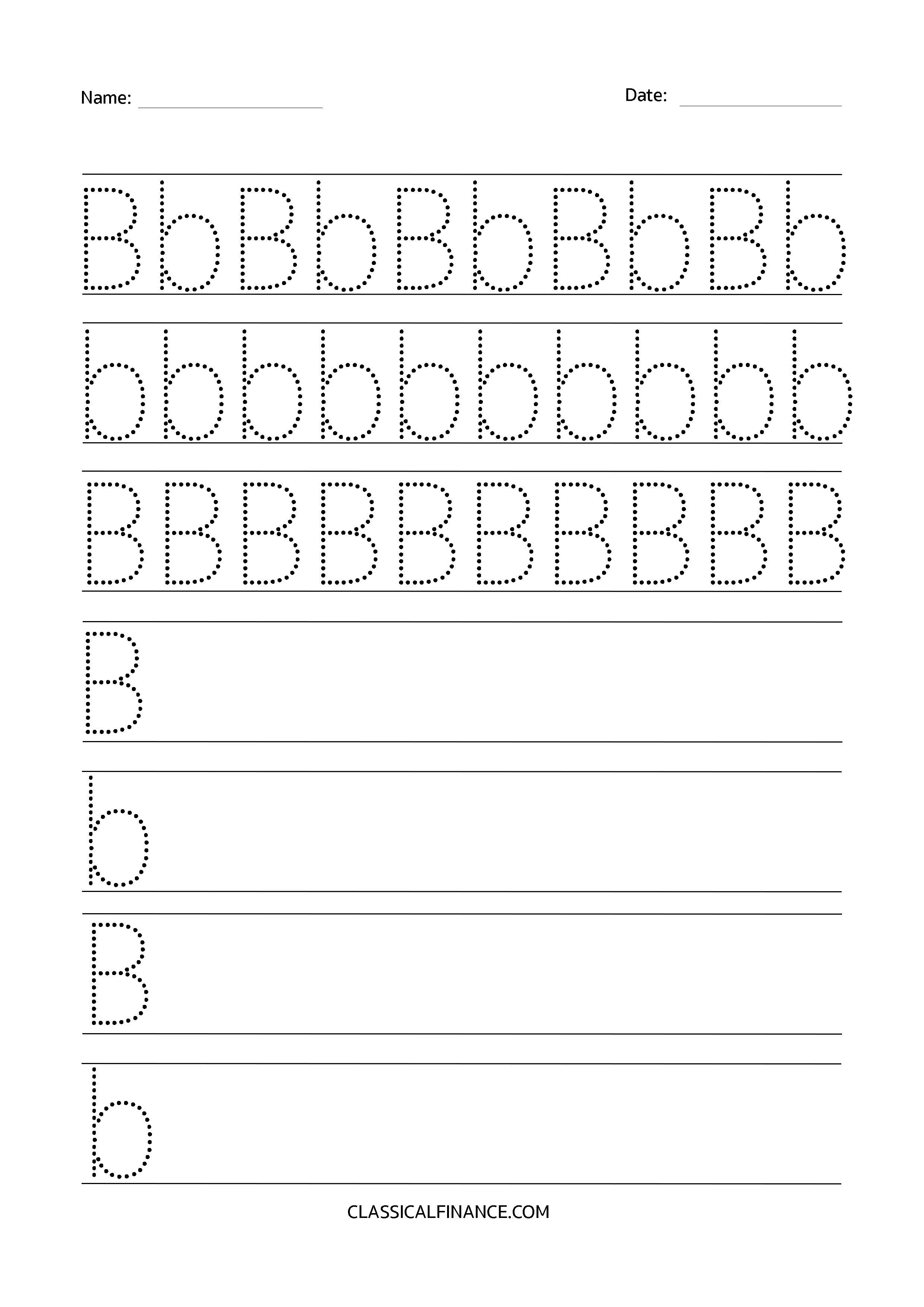
Tracing letter B for preschoolers.
B is for Building a Strong Foundation
An alphabet b worksheet is an excellent tool to introduce young learners to the letter "b" and its various forms and applications. This worksheet serves as a foundational resource, helping children grasp the basic shape, sound, and context of the letter. It's a fun and engaging way to ensure kids develop a solid understanding of this essential alphabet character.
Free printables for letter B learning.
Beyond Basics: Exploring Letter B Mastery
While the primary focus of these worksheets is on letter recognition and writing, they can also offer more advanced practice for older or more proficient learners. Alphabet b worksheets often include activities like identifying words that start with "b," tracing and writing upper and lower case "b," and even simple sentence construction using "b" words. These worksheets can thus cater to a range of skill levels, making them versatile for different stages of learning.
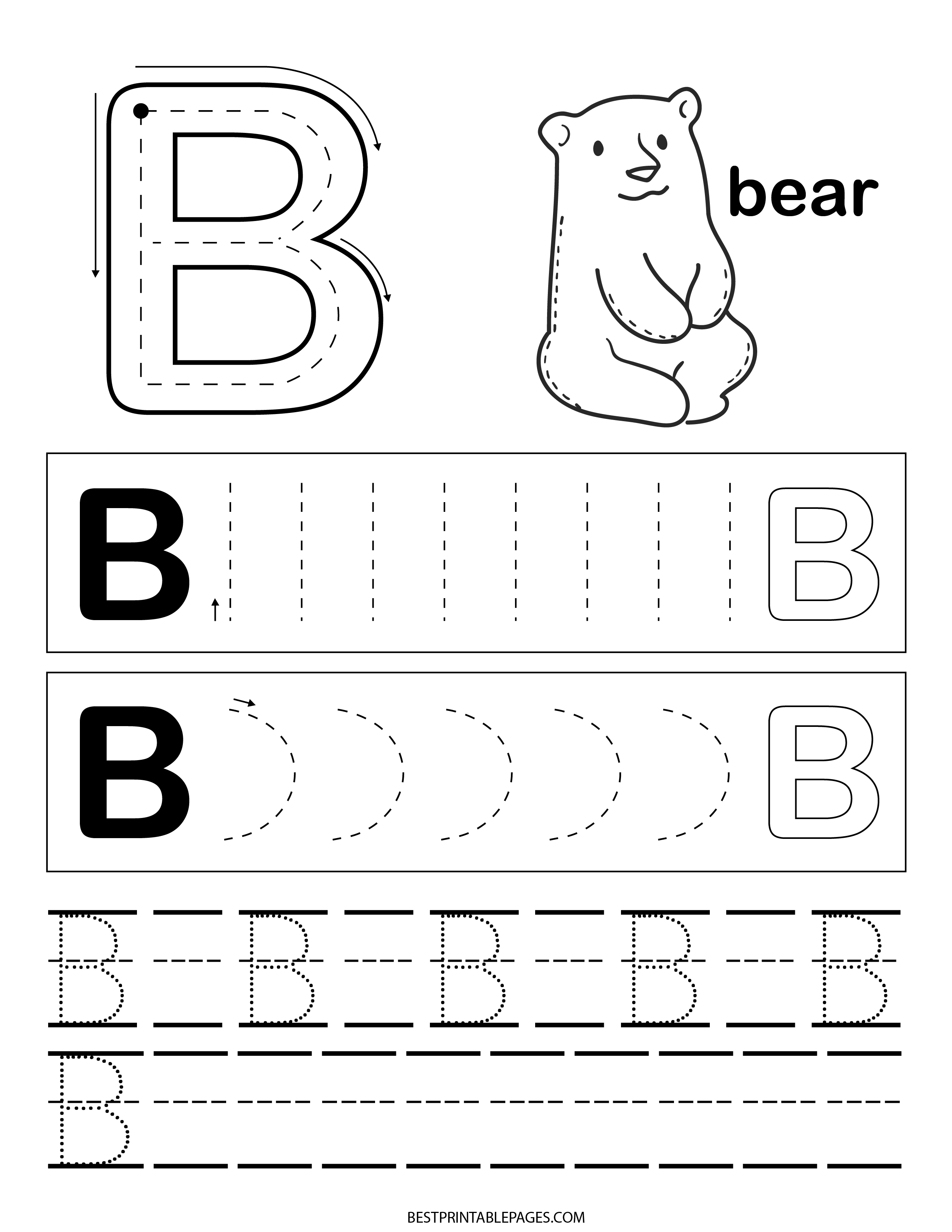
Printable letter B activities for kids.
People Also Ask: What Makes Alphabet B Worksheets Effective?
A common curiosity about these worksheets is understanding their unique benefits. Alphabet b worksheets provide a structured yet flexible learning experience. They offer a dedicated space for focused practice, ensuring children can grasp the letter "b" in a variety of contexts. This targeted approach helps build a strong foundation, making it an effective tool for early literacy skills development.
Preschoolers practice tracing letter B.
How to Maximize Learning with Alphabet B Worksheets
To make the most of these worksheets, consider a few practical tips. First, ensure you choose age-appropriate content. For younger learners, focus on simple tracing and recognition activities. As they progress, introduce more complex tasks like word identification and sentence construction. Additionally, consider the learning environment. In a classroom setting, these worksheets can be used for individual practice or group activities. At home, they are perfect for one-on-one learning or even as a fun activity for siblings to do together.
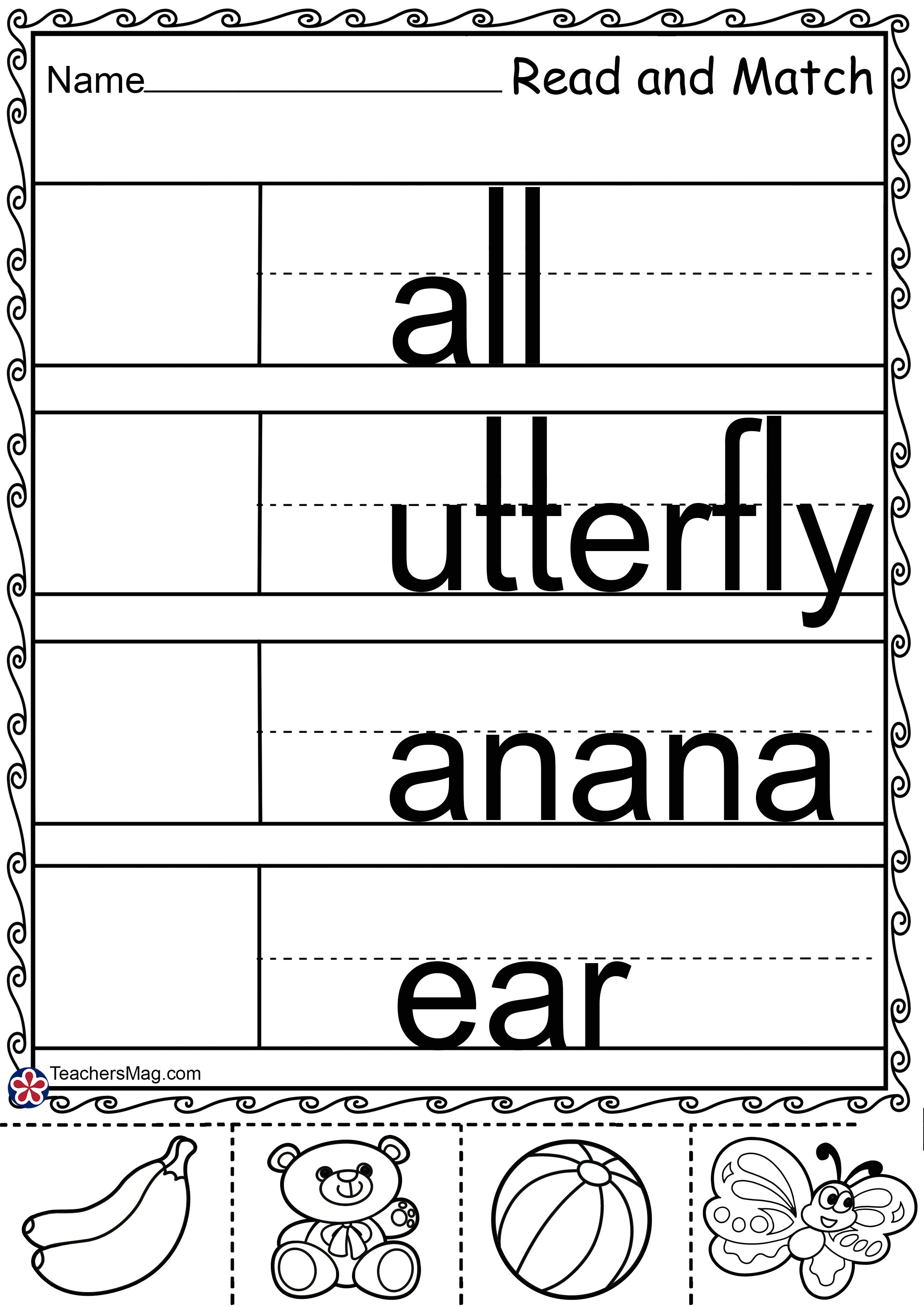
Dictionary-themed letter B worksheet.
Creative Ways to Practice: Beyond the Worksheet
While alphabet b worksheets are a fantastic resource, it's important to remember that learning can happen anywhere. Take the theme of "b" beyond the worksheet to engage your learners in a variety of fun activities. For example, create a "b" scavenger hunt, where children search for objects or pictures starting with "b." You could also have them go on a "b" adventure, drawing or acting out different "b" words like "bounce," "big," or "busy." These creative extensions help reinforce learning in a playful and memorable way.
Letter B practice for kindergarten.
A Final Note: The Power of Alphabet B
In conclusion, alphabet b worksheets are a versatile and effective learning tool. They offer a structured approach to mastering the letter "b," catering to a range of skill levels and learning environments. By providing focused practice and creative extensions, these worksheets help build a strong foundation for early literacy skills. So, whether you're a teacher, parent, or tutor, consider incorporating these worksheets into your teaching toolkit to unlock the power of "b" and watch your learners thrive.
Free letter B worksheets for preschool.
Letter B worksheets for all ages.
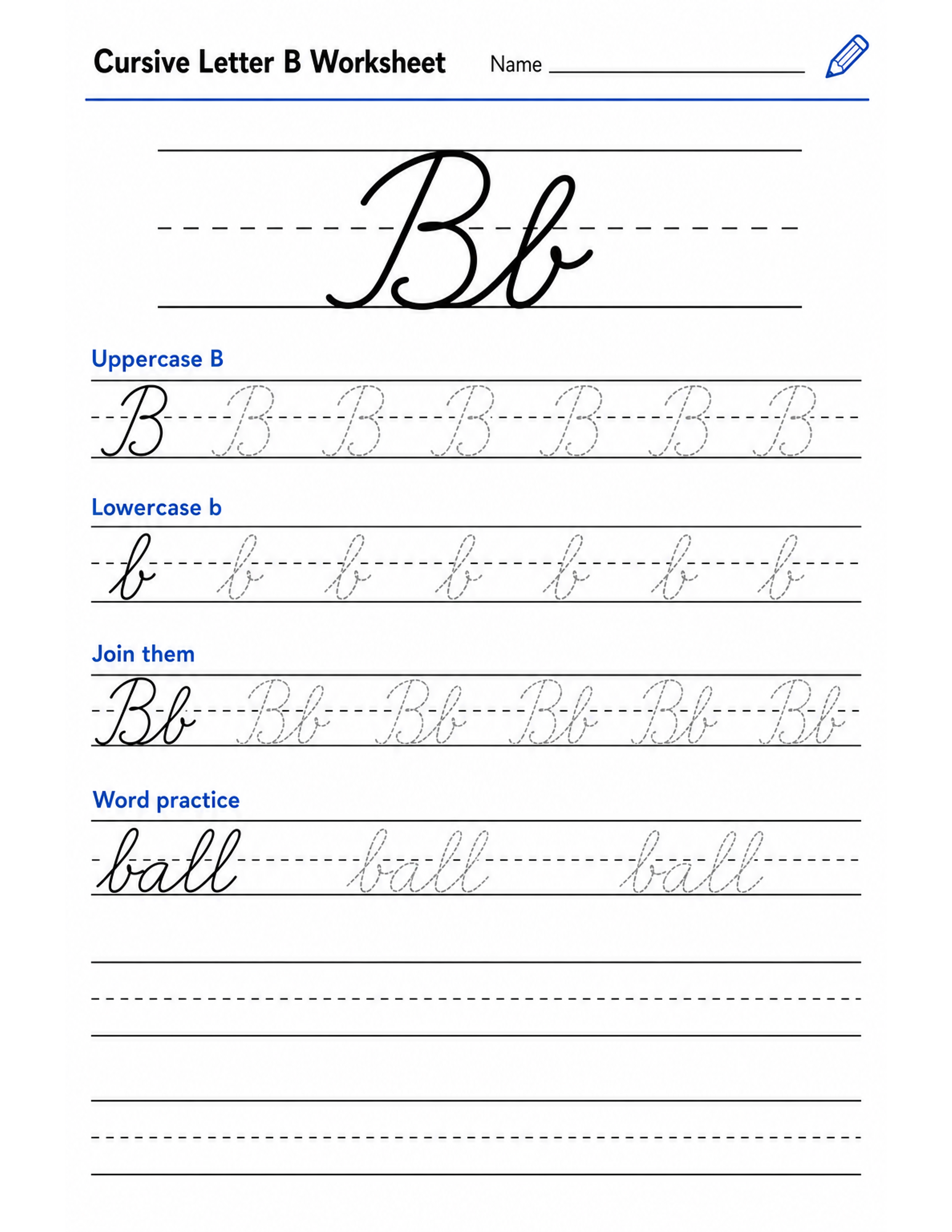
Cursive letter B practice sheet.
Alphabet B worksheet: a fun challenge.
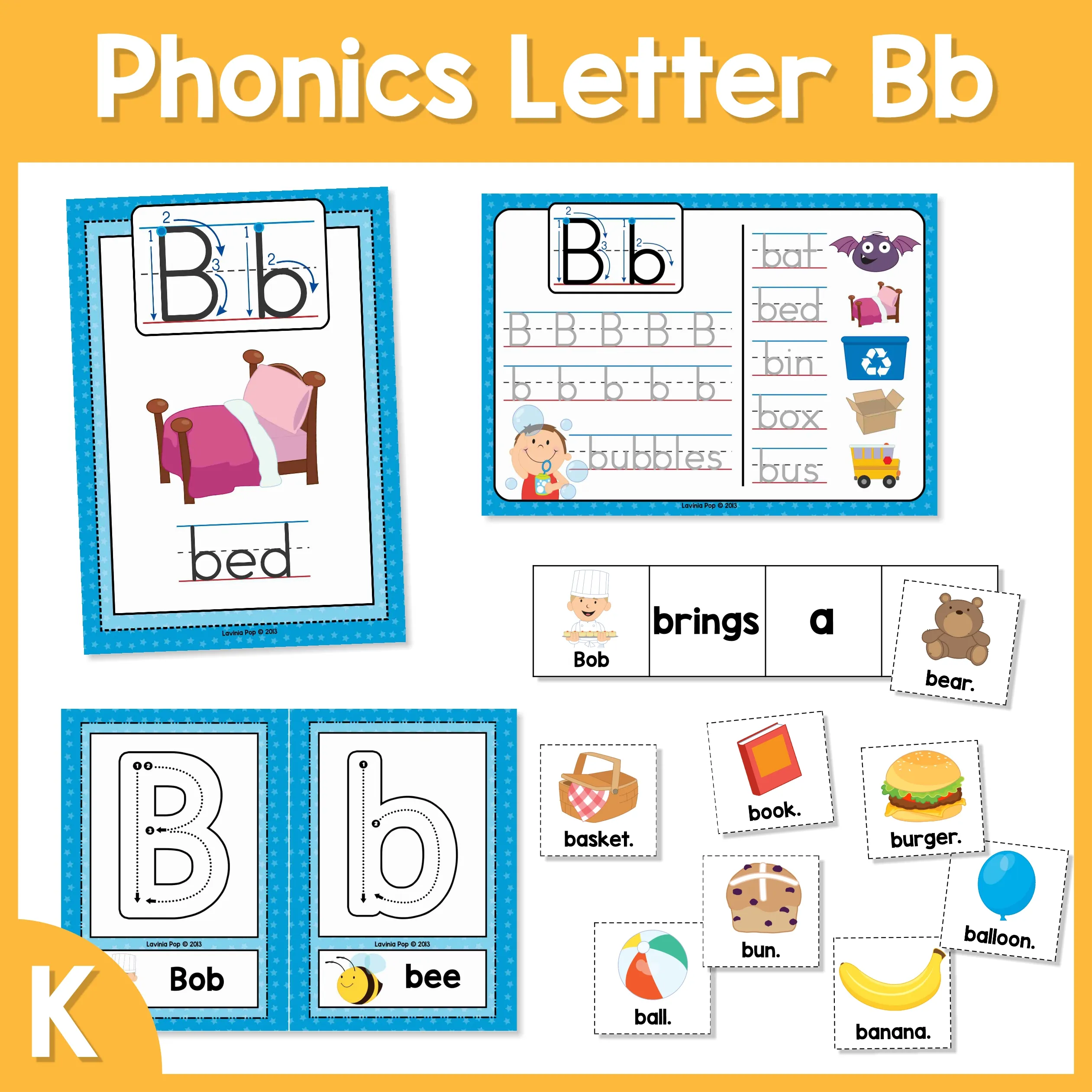
Phonics: letter B sounds and words.
Preschoolers learn letter B and more.
Hey there, fellow educators and parents! We hope this article has inspired you to embrace the power of alphabet worksheets, especially when it comes to teaching little ones about the letter "b." Remember, these worksheets are a fantastic way to lay a strong foundation for your child's literacy journey. So, why not give it a go? Print out that worksheet, gather some colorful pens, and watch as your child's understanding of the letter "b" blossoms. We'd love to hear about your experiences and any fun activities you've tried to make learning the alphabet an enjoyable adventure. Leave a comment below and share the joy of learning!
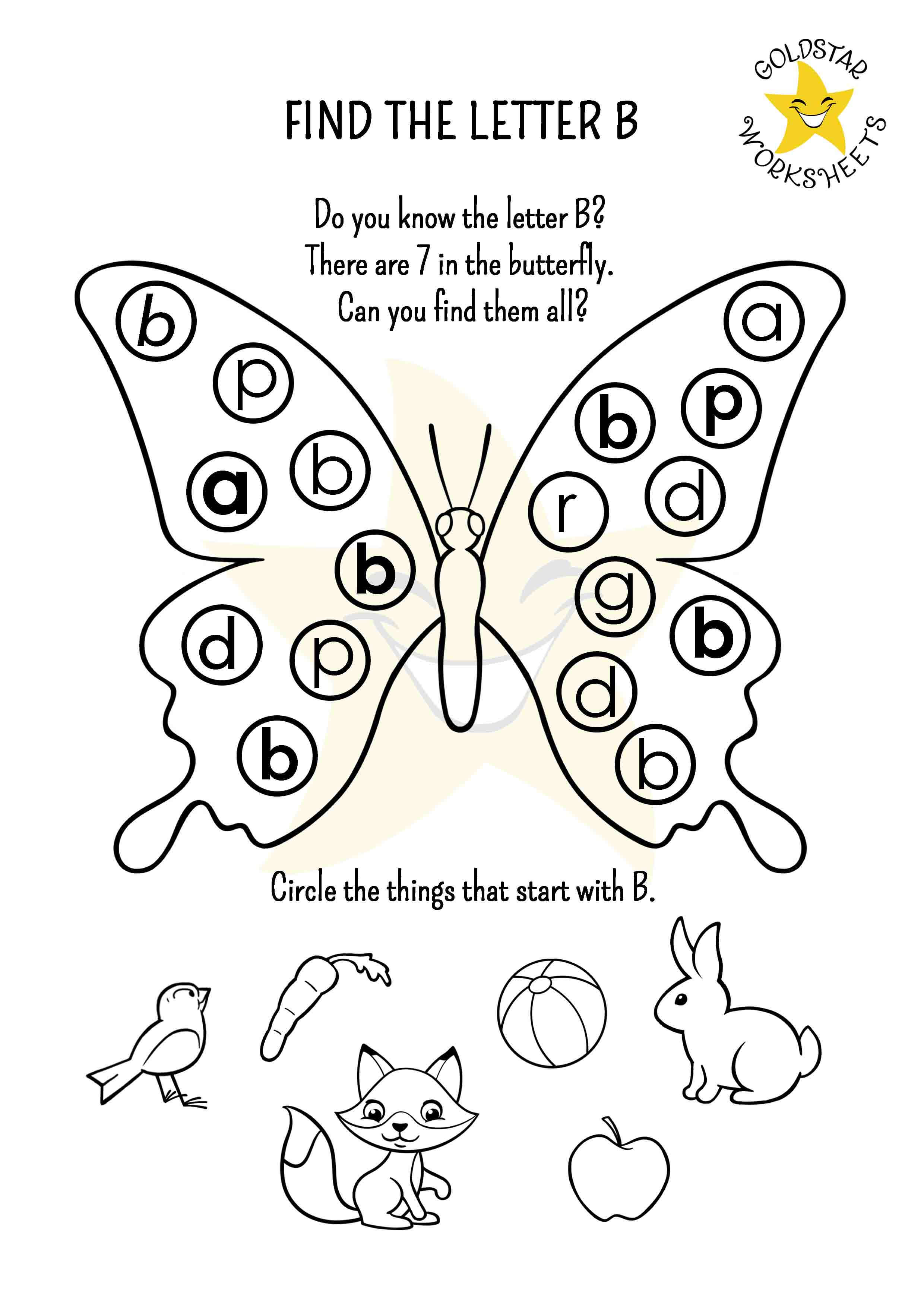
Recognize letter B with this fun activity.
Read also: 28 Letter Practice Worksheets for Kids
Related: 30 Proportional Relationship Worksheets for Practice
As a parent, I'm always on the lookout for fun and engaging ways to teach my kids new skills. When it comes to math, especially topics like proportional relationships, having a practical tool like a proportional relationship worksheet can be a lifesaver. These worksheets, like the free printable proportions worksheet, offer a structured way for kids to practice and understand this concept, making it less daunting. And with so many options available, including the 18 Fun Letter F Worksheets, learning can be an enjoyable adventure!
Proportional relationships in equations practice.
Proportional Relationships: Unlocking the Secrets of Ratios
When it comes to math, the concept of proportional relationships is a cornerstone that opens up a world of understanding ratios and their applications. A proportional relationship worksheet is an invaluable tool to help students grasp this fundamental concept, offering a structured and engaging way to practice and explore the world of ratios.
Understanding proportional relationships in 7th grade.
Unveiling the Proportional Scale: Table Relationships
One of the key aspects of proportional relationships is understanding how quantities relate to each other in a constant ratio. Worksheet on proportional tables is an excellent way to introduce this concept, as it allows students to visually see how different values are connected and maintain a same rate. These tables can be a powerful tool for students to practice identifying and creating proportional relationships, and they form the foundation for more advanced mathematical concepts.
Ratios and proportions synthesis activity.
People Also Ask: What is Direct Variation?
Direct variation is a critical concept related to proportional relationships. It describes a situation where two variables are directly proportional, meaning that as one variable increases, the other increases at the same rate, and vice versa. For instance, if we have a direct variation between the number of cookies eaten and the number of calories consumed, we can predict that as the number of cookies eaten increases, the calories consumed will increase proportionally. Proportional relationship worksheets often include exercises that help students understand and apply this concept, making it an accessible and practical tool for learning.
Proportion worksheets with answers for KS4.
How to Choose and Use Proportional Relationship Worksheets
When selecting and utilizing a proportional relationship worksheet, there are a few key considerations. Firstly, it's essential to choose a worksheet suitable for the learner's age and grade level. Worksheets can range from simple exercises for younger students to more complex problems for advanced learners, ensuring an appropriate challenge. Secondly, consider the format and activities included in the worksheet. Some worksheets may focus on completing tables, while others might involve graphing ratios or solving word problems. Varying the activities keeps learning engaging and allows students to practice different skills. Lastly, think about the practical aspects of using the worksheet. Will it be used in a classroom setting, for homeschooling, or as a tutoring resource? Ensuring the worksheet is easily printable and accessible is crucial for seamless learning experiences.
KS3 proportion worksheets, ready to use.
Practical Application: Graphing Ratios in Real-World Scenarios
One of the most powerful aspects of proportional relationship worksheets is their ability to bridge the gap between theoretical concepts and real-world applications. For instance, students can use their understanding of proportional relationships to graph ratios and interpret the data. This skill is invaluable when analyzing real-life scenarios, such as understanding the relationship between distance and time when traveling at a constant speed. By practicing with worksheets and then applying their knowledge to practical situations, students develop a deeper understanding of math's relevance in their daily lives. This hands-on approach to learning not only makes math more engaging but also helps students develop critical thinking and problem-solving skills.
Identifying proportional relationships from equations and graphs.
In addition to the benefits mentioned above, proportional relationship worksheets can also be a great resource for teachers and parents looking to reinforce math skills at home. With a variety of worksheet options available, including free printable proportions worksheets and 7th grade proportional relationship worksheets, learners can continue their math journey beyond the classroom. For instance, parents can use these worksheets as a fun activity during family game nights, turning learning into a social and enjoyable experience.
Numeric practice for proportional relationships.
As students progress in their math journey, they can also explore other related concepts, such as proportional relationships 7th grade pdf and proportional relationships assignments free pdf. These resources offer a deeper dive into the world of ratios and proportional relationships, providing a comprehensive understanding of this fundamental mathematical concept.
Rules of proportionality, a free printable.
In conclusion, proportional relationship worksheets are an essential tool for any math learner, offering a structured and engaging way to explore the fascinating world of ratios. With their versatility and practical applications, these worksheets are a valuable asset for students, teachers, and parents alike, ensuring a solid foundation in mathematics. So, whether it's completing tables, graphing ratios, or solving real-world problems, proportional relationship worksheets are a key to unlocking the secrets of math's proportional universe.
Proportional relationships: tables and graphs.
Graphing proportional relationships, part 1.
Ratios and proportions, a free worksheet.
Proportional relationship tables, a fun worksheet.
So, there you have it! A proportional relationship worksheet is an awesome way to dive into the world of ratios and their magic. It's a fun and interactive method to grasp this essential math concept.
Why not give it a go and see how you get on? Print out a worksheet, gather your tools, and explore the beauty of ratios. It's a great way to practice and reinforce your understanding. And remember, math is an adventure, so enjoy the ride! Leave a comment or share your experience below; we'd love to hear how you're getting on with your ratio adventures.
Graphing proportional relationships quiz.
Read also: 28 Volume Practice Worksheets for Students
Related: Free Two Step Inequalities Worksheet for Practice
As a parent, I'm always on the lookout for resources to support my child's learning journey. When it comes to math, especially topics like inequalities, having the right tools can make a world of difference. That's why I was glad to discover the two step inequalities worksheet, a practical and accessible way to practice and reinforce these concepts. It's a great addition to our at-home learning resources, and I've even shared it with some fellow homeschooling parents who found it useful too!
Interactive math activity for two-step inequalities.
Solving Two-Step Inequalities: A Practical Learning Tool
When it comes to tackling inequalities, students often need structured practice to grasp the concepts and build confidence. That's where the two-step inequalities worksheet comes into play, offering a focused approach to mastering this essential math skill.
Printable worksheets with inequality solutions.
Advanced Inequality Practice with Word Problems
While the two-step inequalities worksheet primarily targets students who have already mastered one-step inequalities, it also serves as an excellent resource for introducing more complex inequality concepts to younger learners. By presenting word problems that require solving two-step inequalities, these worksheets bridge the gap between basic and advanced inequality solving.
Inequality practice: answers included.
For instance, a typical two-step inequality word problem might involve a scenario like: "The temperature in Chicago is currently at least 10 degrees Fahrenheit, but no more than 20 degrees. Write and solve an inequality to find the range of possible temperatures."
Word problems for one variable.
This type of problem encourages students to apply their understanding of inequality signs and solve equations with multiple steps, a crucial skill for more advanced math topics.
PDF worksheets: solving one-step inequalities.
People Also Ask: What's the Difference Between One-Step and Two-Step Inequalities?
A common curiosity among parents and educators is understanding the distinction between one-step and two-step inequalities. While both involve solving for an unknown variable, the key difference lies in the number of operations required to isolate the variable.
7th grade guide: algebraic inequalities.
In a one-step inequality, the variable is directly affected by only one operation, such as adding, subtracting, multiplying, or dividing. For example, in the inequality x + 3 > 7, the variable x is increased by 3, and to solve it, we simply subtract 3 from both sides.
Pre-algebra focus: inequalities worksheets.
However, in a two-step inequality, the variable is affected by two operations. Let's consider the inequality 2x - 5 < 15. To solve this, we first need to add 5 to both sides to isolate the term with the variable, resulting in 2x < 20. Then, we divide both sides by 2 to solve for x, giving us x < 10.
Matching equations to real-world scenarios.
The two-step inequalities worksheet focuses on this more complex scenario, helping students practice combining like terms, multiplying or dividing both sides, and checking solutions to ensure their answers are correct.
Exploring two-step inequalities in pre-algebra.
How to Use the Two-Step Inequalities Worksheet Effectively
To make the most of the two-step inequalities worksheet, it's essential to understand how to incorporate it into your teaching or learning routine. Here are some practical tips:
One-step inequality challenges.
- Printing Considerations: The worksheet is designed for easy printing, ensuring clear and legible content. However, it's important to choose the right paper size and orientation to fit all the questions and instructions on a single page.
Solving single and two-step inequalities.
- Practice Sessions: Start by introducing the worksheet as a focused practice tool. Encourage students to work through the questions systematically, checking their solutions as they go. This step-by-step approach helps build confidence and reinforces the learning process.
Word problems for two-step inequality math.
Graded Difficulty: The two-step inequalities worksheet often includes a range of question types, from basic to more challenging. Begin with the simpler questions to build a solid foundation, then gradually introduce more complex problems to stretch students' understanding.
Homework or Classroom Use: The worksheet's versatility makes it suitable for both classroom practice and homework assignments. In a classroom setting, it can be used for group work or individual practice, while at home, it provides a structured way for students to reinforce their learning independently.
Reinforcing Inequality Concepts with Graph Solutions
One of the powerful aspects of the two-step inequalities worksheet is its ability to reinforce inequality concepts through graphing solutions. After solving each inequality, students can plot the solution on a number line, providing a visual representation of the range of values that satisfy the inequality.
For example, if the solution to an inequality is x < 5, students can plot an open circle at 5 on the number line and then shade the region to the left, indicating all values less than 5. This visual approach not only reinforces the concept of inequality but also helps students develop a deeper understanding of the relationship between algebraic and graphical representations.
By combining algebraic problem-solving with graphical interpretation, the two-step inequalities worksheet offers a comprehensive learning experience, catering to different learning styles and reinforcing the practical application of inequality concepts.
Hey there, math enthusiasts! We hope this article has shed some light on the power of two-step inequalities worksheets. These tools are a fantastic way to reinforce your understanding and give you that extra practice you need.
So, why not give it a go? Print out a worksheet, gather your pencils, and tackle those inequalities head-on. It's a great way to keep your math skills sharp and have some fun while doing it. We'd love to hear how it goes for you, so leave a comment and share your experience below. Happy solving!
Pre-algebra practice: solving inequalities.
Read also: 25 Simplifying Expressions Worksheets for Practice