




Cvc Words Worksheets Editable Overview
As a parent, I've found language arts worksheets to be a real lifesaver when it comes to keeping the kids engaged and learning. These handy resources are perfect for those moments when you need a quick activity to reinforce a lesson or practice a specific skill. With so many options, like language arts worksheets for kids, you can easily find something suitable for any age group. 16 Vocabulary Practice Worksheets for Teachers is a great place to start!
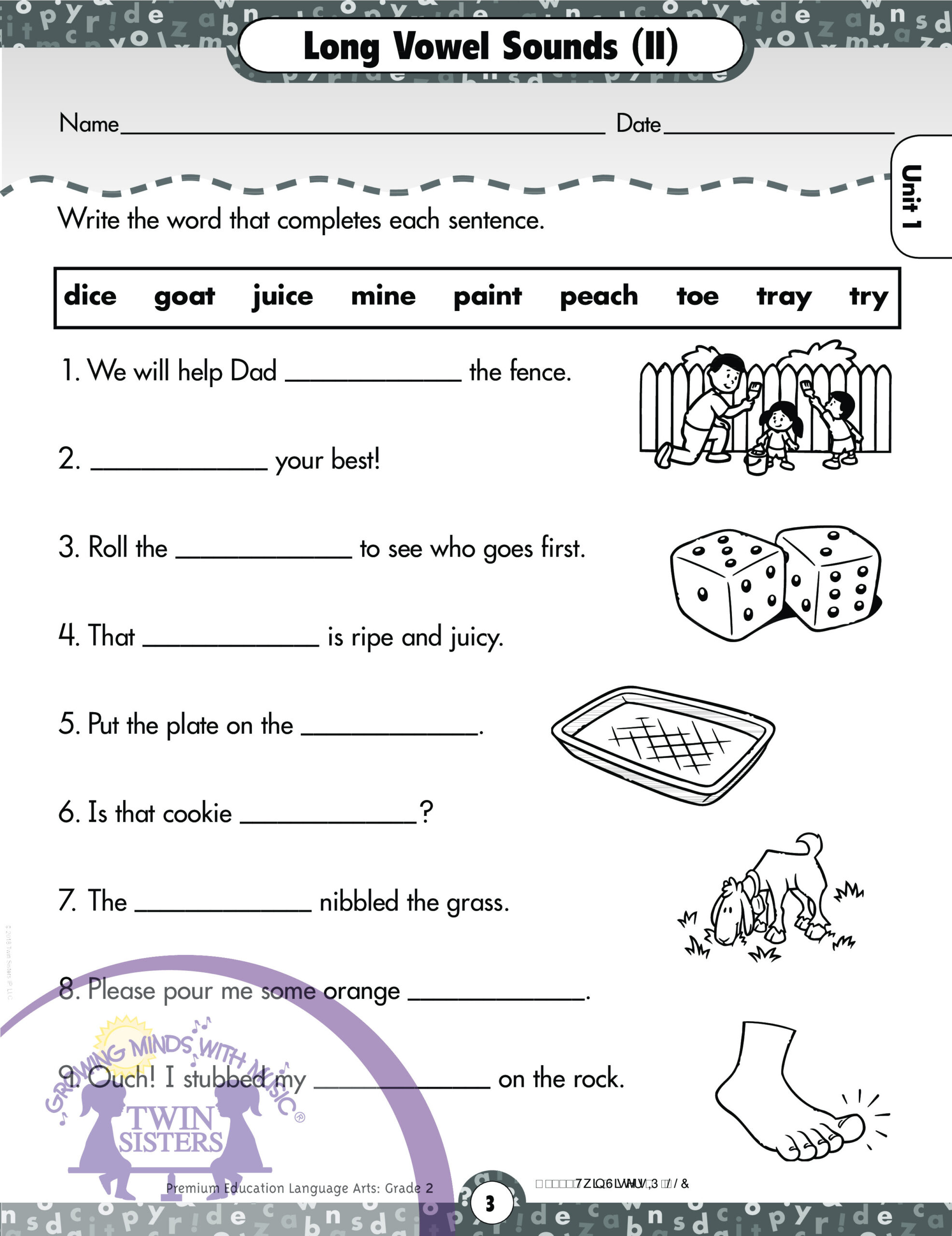
Comprehensive skills practice for second graders.
Unlocking Language Arts Mastery: A Comprehensive Guide
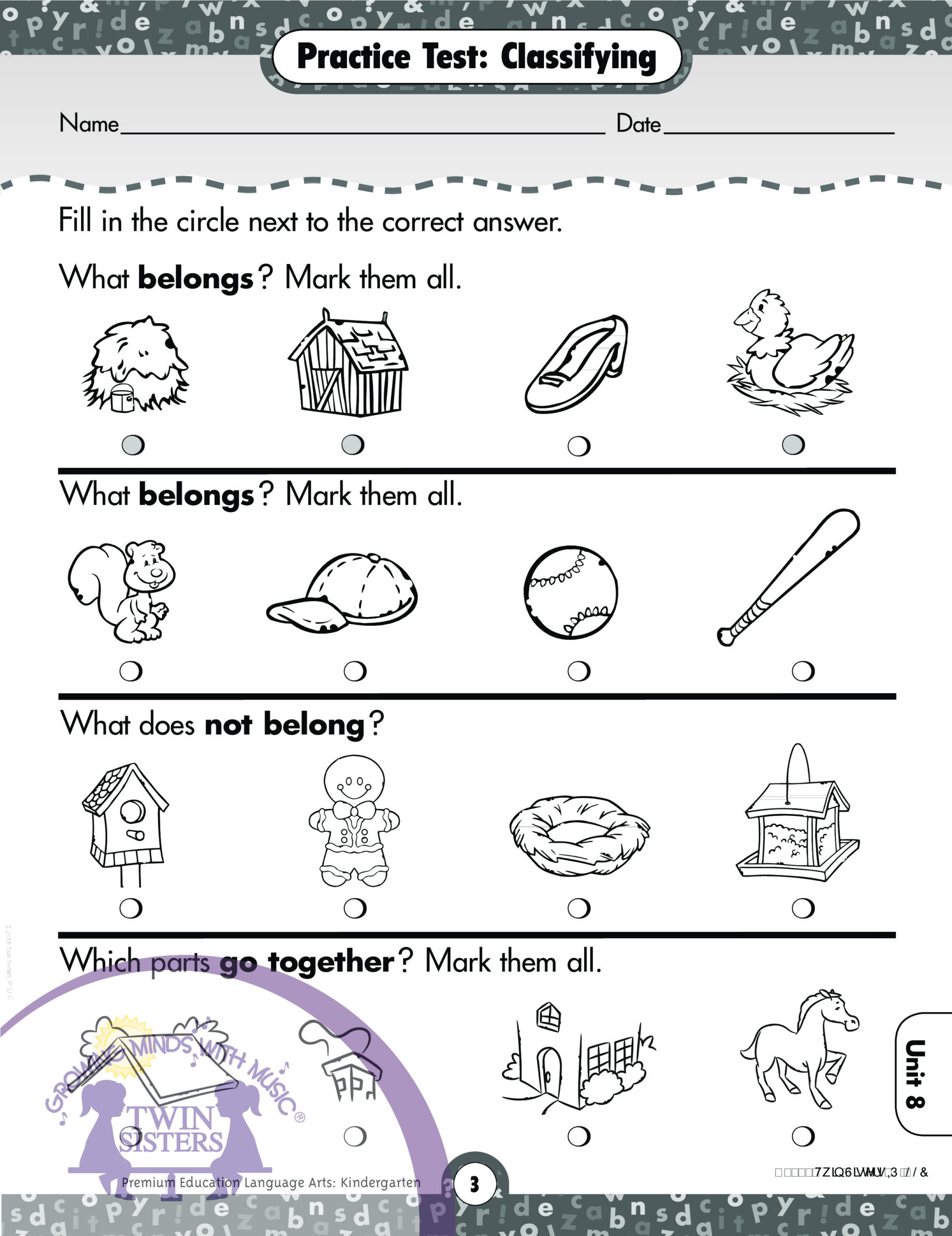
Language arts worksheets are an invaluable tool for educators and parents alike, offering a structured and engaging approach to language skills development. These worksheets provide a versatile platform to reinforce key concepts, from vocabulary building to grammar mastery, catering to a wide range of age groups and learning styles.
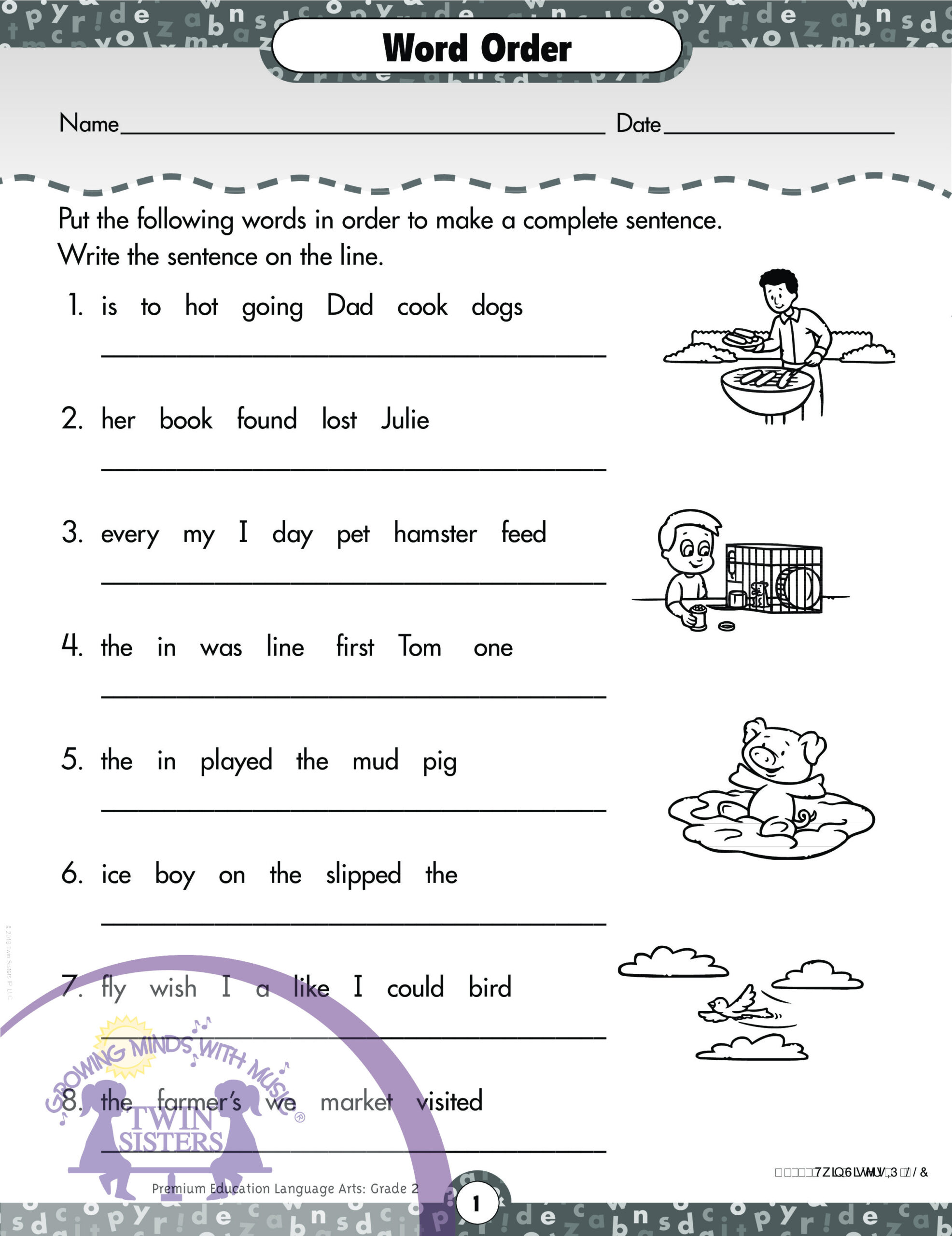
Grade 2 language arts activities.
Vocabulary Expansion: Unlocking Word Power
One of the primary benefits of language arts worksheets is their ability to enhance vocabulary. Language arts worksheets for kids often feature interactive activities that encourage young learners to explore new words, their meanings, and usage. For instance, a worksheet might present a list of words with multiple-choice options, challenging students to identify the correct definition. This not only builds their vocabulary but also improves reading comprehension and critical thinking skills.
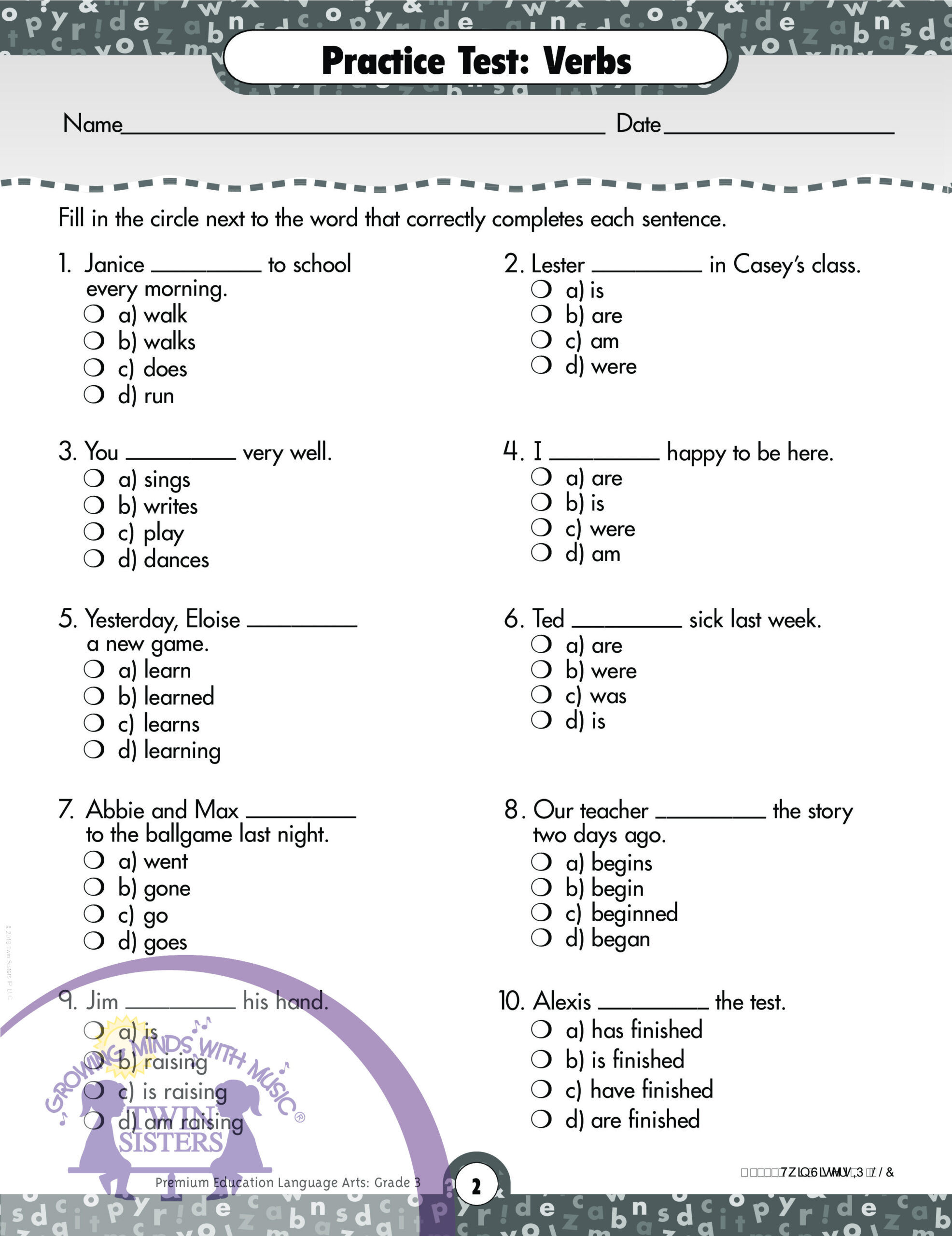
Third grade language arts challenge.
As students progress, worksheets can introduce more complex vocabulary, offering a gradual progression that ensures mastery. For older students, 5th grade language arts worksheets might include activities that require students to use context clues to determine the meaning of unfamiliar words, a skill essential for academic success.
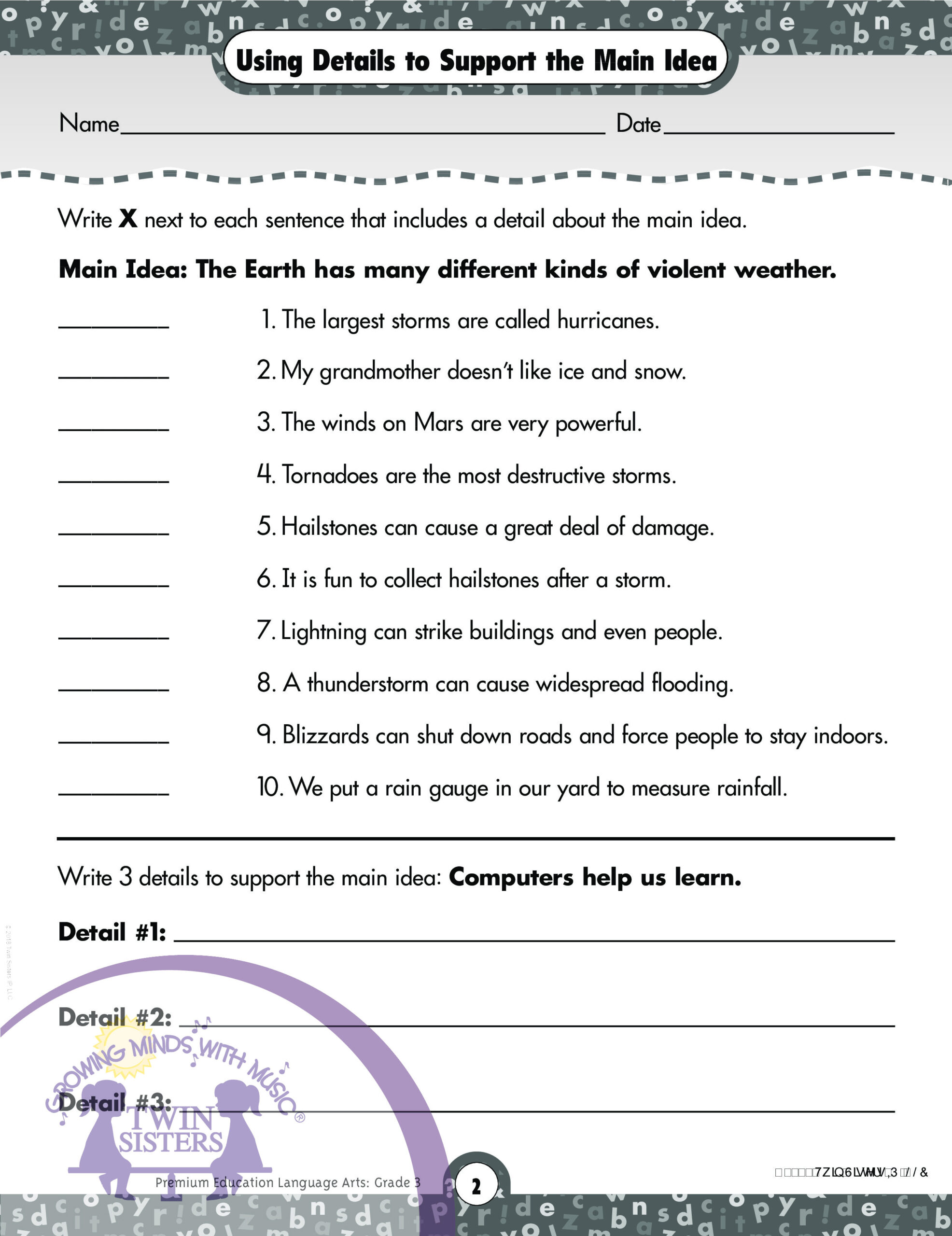
Free language arts practice.
Grammar and Syntax: Mastering the Rules
Beyond vocabulary, language arts worksheets are instrumental in teaching and reinforcing grammar rules. Worksheets can present various grammar concepts, such as parts of speech, sentence structure, and punctuation, in a clear and concise manner. For instance, a worksheet might ask students to identify and correct errors in a given sentence, reinforcing their understanding of grammar rules.
Second grade language arts fun.
Language arts worksheets can also introduce more advanced grammar concepts, such as verb tenses, subject-verb agreement, and complex sentence structures. These worksheets provide a structured approach to learning, allowing students to practice and apply grammar rules in a controlled environment.
Language arts for third graders.
Reading Comprehension: Building Critical Thinking Skills
Reading comprehension is a crucial aspect of language arts, and worksheets play a vital role in developing this skill. Worksheets can present passages of varying lengths and difficulty levels, followed by questions that assess students' understanding. These questions might focus on identifying main ideas, making inferences, or analyzing the author's purpose, encouraging students to think critically about the text.
First grade language arts basics.
For younger learners, language arts activities for kids might include simple stories with interactive elements, such as matching pictures to words or identifying key details. As students advance, worksheets can introduce more complex texts and questions, challenging them to analyze literary devices, themes, and character development.
Fun English language arts games.
Writing and Editing: Crafting Effective Communication
Writing and editing are essential skills that language arts worksheets can help develop. Worksheets can provide prompts or topics for students to write about, offering a structured approach to creative and expository writing. These activities not only improve writing skills but also enhance students' ability to express their thoughts and ideas clearly.
Printable language arts resources.
Additionally, language arts worksheets can focus on editing skills, teaching students to identify and correct errors in their own writing. This self-editing process is a valuable skill that promotes self-awareness and critical thinking, ensuring students produce high-quality written work.
Grade 1 language arts review.
Practical Application: Incorporating Worksheets into Learning
Language arts worksheets offer a versatile and practical approach to language skills development. They can be used in various educational settings, including classrooms, homeschooling environments, and tutoring sessions. Teachers and parents can easily integrate worksheets into their lesson plans, providing a structured and engaging activity to reinforce learning.
Kindergarten language arts introduction.
When using language arts worksheets, it's essential to consider the students' age, grade level, and learning goals. Worksheets should be chosen based on their appropriateness for the target audience, ensuring a challenging yet achievable learning experience. Additionally, worksheets can be adapted and customized to meet specific learning needs, allowing for a personalized approach to language arts education.
Grammar and vocabulary printables.
Wrapping Up: The Benefits of Language Arts Worksheets
Language arts worksheets offer a wealth of benefits, providing a structured and engaging platform for language skills development. From vocabulary expansion to grammar mastery, reading comprehension to writing and editing, these worksheets cater to a wide range of learners and learning goals.
By incorporating language arts worksheets into their educational journey, students can develop essential language skills, build confidence, and become effective communicators. Whether used in a classroom, at home, or as a homeschooling resource, these worksheets offer a practical and versatile approach to language arts education, ensuring students receive a well-rounded and comprehensive learning experience.
So, whether you're a teacher, parent, or tutor, consider the power of language arts worksheets and unlock the potential of your students' language skills!
Language arts worksheets are a fantastic resource, and with their versatility, you can really tailor them to your needs and preferences. Whether you're a teacher looking for a fun way to engage your class or a parent wanting to support your child's language development, these worksheets offer a great starting point.
So, why not give them a go? Print a few, explore the options, and see the impact they can have. It's a simple yet effective way to enhance language skills, and we'd love to hear your feedback. Leave a comment or share your experience below; we'd love to know how these worksheets have helped you!
Grammar and vocabulary exercises.
Related: 20 Kindergarten Sight Words Worksheets for Easy Practice
As a parent, I'm always on the lookout for fun and engaging ways to help my kids learn. Kindergarten sight words worksheets have been a lifesaver, providing an easy and effective way to practice and reinforce those early reading skills. With these worksheets, my little ones can focus on one skill at a time, and I love how it keeps them interested with different activities. It's a great tool for any parent or teacher, and it even works well for homeschoolers like us! We've also found some free printable sight words for kindergarten that go hand in hand with these worksheets, making learning even more accessible.
Trace and learn kindergarten sight words.
Sight Words Made Simple: Mastering Early Reading Skills
Kindergarten sight words worksheets are a fantastic tool for introducing young learners to the world of reading. These worksheets focus on helping children recognize and understand high-frequency words, often referred to as sight words. By providing a structured and engaging practice environment, these worksheets lay the foundation for early literacy skills, making reading an enjoyable and accessible journey for kids.
Free sight word practice for beginners.
Beyond Basic Recognition: Exploring Different Worksheet Types
While recognizing sight words is an essential first step, kindergarten sight words worksheets offer a range of activities to reinforce and build upon this skill. From see and spell exercises, where kids learn to spell sight words correctly, to match and learn activities that encourage word association, these worksheets cater to different learning styles and abilities. More advanced worksheets might include read and draw tasks, where children read a sentence and illustrate it, or word search fun, adding an element of excitement to sight word practice.
Printable sight word flashcards for kids.
For a more interactive approach, color the words worksheets can be a great choice. These allow kids to color-code different sight words, making learning more visual and engaging. Additionally, find and circle or trace and write worksheets provide opportunities for children to practice their fine motor skills while reinforcing sight word recognition.
Fun sight word activities for kindergarten.
People Also Ask: What's the Best Way to Introduce Sight Words?
Introducing sight words effectively is key to building a strong reading foundation. Many parents and teachers wonder about the best strategies. One popular approach is the connect and read method, where kids are encouraged to connect the sight word with a meaningful sentence or story. This helps them understand the word's context and usage, making it easier to remember.
Printable board game with sight words.
Another common question is about the ideal age or grade level for introducing sight words. While it can vary, kindergarten is often the perfect time to start. At this stage, children are typically eager to learn and absorb new information quickly. However, it's important to remember that every child learns at their own pace, so adapting the worksheets to their individual needs is crucial.
Sight word printables for early readers.
How to Make the Most of Kindergarten Sight Words Worksheets
When it comes to utilizing kindergarten sight words worksheets, there are a few practical considerations. First, ensure you have a good quality printer and sufficient ink or toner. This will ensure the worksheets are clear and easy to read for your child. Second, consider the learning environment. Whether you're a teacher, homeschooler, or parent, creating a dedicated learning space can enhance focus and engagement.
Preschool sight word tracing worksheets.
For teachers and homeschoolers, it's beneficial to have a comprehensive collection of worksheets covering various sight words and activities. This allows for progressive learning, where kids can start with simpler tasks and gradually move to more complex ones. Parents, on the other hand, might prefer a more targeted approach, focusing on specific sight words their child is struggling with.
Worksheets to master sight words.
The Benefits of Progressive Learning: From Simple to Challenging
Kindergarten sight words worksheets offer a progressive learning journey, starting with simple recognition and moving towards more challenging activities. This gradual progression ensures that children build confidence and a solid foundation before advancing to more complex tasks. For instance, a child might start with trace and write worksheets, moving on to find and circle activities, and eventually tackling word search fun or read and draw tasks.
Kindergarten sight word practice pages.
This progressive approach not only reinforces learning but also keeps kids motivated. As they master each level, they feel a sense of accomplishment, encouraging them to continue their reading journey. Moreover, the variety of activities ensures that learning remains engaging and fun, a crucial aspect of early education.
Printable sight word flashcards for kids.
In conclusion, kindergarten sight words worksheets are a versatile and effective tool for early literacy development. With a range of activities and progressive learning opportunities, these worksheets cater to different learning styles and abilities, making them a valuable resource for parents, teachers, and homeschoolers alike.
Free sight word charts for beginners.
Printable sight word activities for kids.
These sight word worksheets are a brilliant way to make learning fun and effective. With their bright colors and engaging activities, your little ones are sure to love practicing their reading skills. So, why not give them a go? Print a few out and watch as your child's confidence grows with each word they master. It's a simple and enjoyable way to support their early reading journey.
Feel free to leave a comment and share your experiences with these worksheets. We'd love to hear how your kids are progressing and any tips you have for other parents!
Planner with hexagon-themed sight words.
Read also: 30 Dividing Decimals Worksheets
Related: 21 Multiplying Binomials Worksheets
As a parent, I'm always on the lookout for resources to support my child's learning journey. And when it comes to math, especially topics like multiplying binomials, having a multiplying binomials worksheet can be a real game-changer. It provides a structured way for kids to practice and reinforce their understanding of this concept, which can be a bit tricky at first. I mean, who doesn't need a little extra help with those binomial products? Especially when you consider how to multiply 3 binomials, it gets even more interesting! So, I thought I'd share my experience with a great resource I found, which also reminded me of the 28 Compare and Contrast Worksheet Ideas I used before.
Practice multiplying binomials with this worksheet.
Mastering the Art of Multiplying Binomials
A multiplying binomials worksheet is a powerful tool for any learner aiming to grasp the intricacies of multiplying binomials. This essential skill, often introduced in middle school math, forms the foundation for more advanced algebra concepts. By practicing with these worksheets, students can reinforce their understanding of binomial multiplication, a key component of polynomial arithmetic.
Multiply polynomials with this free guide.
Exploring the World of Binomial Products
While the focus of these worksheets is on multiplying binomials, they also provide an opportunity to explore related concepts. For instance, learners can discover the process of finding the product of binomials and how it differs from multiplying other types of polynomials. Additionally, worksheets may introduce the concept of binomial factors, allowing students to identify and work with the factors of binomial expressions.
Worksheet: multiplying monomials and polynomials.
How Do Worksheets Help with Multiplying Binomials?
A multiplying binomials worksheet offers a structured approach to mastering this skill. By providing a variety of practice problems, these worksheets allow students to apply the FOIL method, a common technique for multiplying binomials. Through repetition and guided practice, learners can develop fluency in this essential algebraic operation.
Coloring activity: multiplying binomials and trinomials.
One of the key benefits of using worksheets is the ability to track progress. As students complete each problem, they can review their work and identify areas where they may need additional practice. This self-assessment process is invaluable for building confidence and ensuring a solid understanding of the material.
Multiplying polynomials: a practice worksheet.
People Also Ask: What Are Some Common Worksheet Formats?
There are several types of multiplying binomials worksheets available, each with its own unique approach. Some worksheets may focus on a specific method, such as the multiplying binomials foil method worksheet, which guides students through the FOIL process step by step. Other worksheets may employ a box method approach, providing a visual framework for organizing the multiplication process.
Exponents and multiplication practice sheet.
For more advanced learners, worksheets may introduce the concept of multiplying three binomials. This involves applying the FOIL method to each pair of binomials and then combining like terms to find the final product. Worksheets like these, such as the multiplying binomials worksheet box method, can help students transition from basic binomial multiplication to more complex polynomial arithmetic.
FOIL method: multiplying monomials.
How Can Parents and Teachers Use These Worksheets Effectively?
For parents and teachers, multiplying binomials worksheets offer a practical way to support students' learning. Here are some tips for incorporating these resources into your teaching or home learning routine:
Worksheet: solving binomial equations.
- Start with basic worksheets: Begin with worksheets that focus on simple binomial multiplication, gradually introducing more complex problems as students demonstrate proficiency.
- Provide guidance: Offer step-by-step instructions and examples to ensure students understand the process before attempting independent practice.
- Encourage self-assessment: Teach students to review their work and identify mistakes, fostering a growth mindset and a deeper understanding of the material.
- Offer variety: Utilize different worksheet formats, such as the multiplying binomials worksheet kuta or multiplying binomials word problems, to keep students engaged and reinforce their understanding from multiple angles.
Algebra 1: multiplying binomials with FOIL.
Enhancing Learning with Real-World Applications
One of the most effective ways to solidify students' understanding of multiplying binomials is by connecting it to real-world scenarios. For example, you might present word problems that involve finding the area of a rectangle, where the length and width are represented by binomials. By applying their knowledge of binomial multiplication, students can see the practical application of this skill in everyday situations.
Practice multiplying binomials with FOIL.
Additionally, worksheets can be used to introduce the concept of binomial expansion, which is a natural extension of multiplying binomials. By exploring how binomials can be expanded into longer polynomial expressions, students can develop a deeper understanding of the structure and properties of polynomials.
Color by number: multiplying binomials.
In conclusion, a multiplying binomials worksheet is a versatile and powerful resource for learners of all ages. By providing structured practice and a variety of problem-solving opportunities, these worksheets help students master the art of multiplying binomials and lay the foundation for more advanced algebraic concepts.
Worksheets for practicing binomial multiplication.
Hey there, math enthusiasts! We've covered a lot of ground with our multiplying binomials journey. Remember, these worksheets are your secret weapon to mastering this essential skill. So, why not grab a pen, print out a few, and give them a go? It's a fun way to reinforce your algebra knowledge and build confidence. Don't forget, practice makes perfect! Leave a comment or share your experience below; we'd love to hear how it's going for you. Happy multiplying!
Foil method guide for multiplying binomials.
Read also: 27 Free 2 Times Table Worksheets