



Cvc Words Worksheets Classroom Overview
As a parent, I'm always on the lookout for fun and engaging ways to help my kids practice their writing skills. It can be a challenge to keep them interested, especially with all the distractions these days! That's why I was glad to discover the trace lines worksheet - a simple yet effective tool to help little ones master their pen control and improve their handwriting. With this worksheet, kids can practice tracing lines, and it even covers different types of lines, like tracing horizontal lines worksheets. It's a great, no-fuss resource for parents and teachers alike!
Trace calendar lines for productivity.
Tracing Lines: A Foundation for Fine Motor Skills
The trace lines worksheet is an invaluable resource for parents and educators, offering a simple yet effective way to enhance a child's fine motor skills and handwriting. This worksheet focuses on tracing various types of lines, from straight to curved, providing a fun and engaging practice for little ones. By mastering the art of tracing, children develop the control and precision needed for writing, making it an essential early learning tool.
Preschoolers trace lines for fun.
Beyond Basic Lines: Exploring Shapes and Paths
While the trace lines worksheet primarily targets line tracing, it often incorporates other engaging activities. Some worksheets feature connect the dots or follow the path exercises, encouraging children to create a trail or complete a route by joining dots or shapes. These activities not only refine motor skills but also introduce basic concepts of shapes and spatial awareness.
Printable worksheets for line tracing.
For instance, a worksheet might present a series of circles, squares, and triangles, with instructions to draw a line to link the shapes in a specific order. This not only challenges their motor skills but also stimulates cognitive development as they recognize and differentiate shapes.
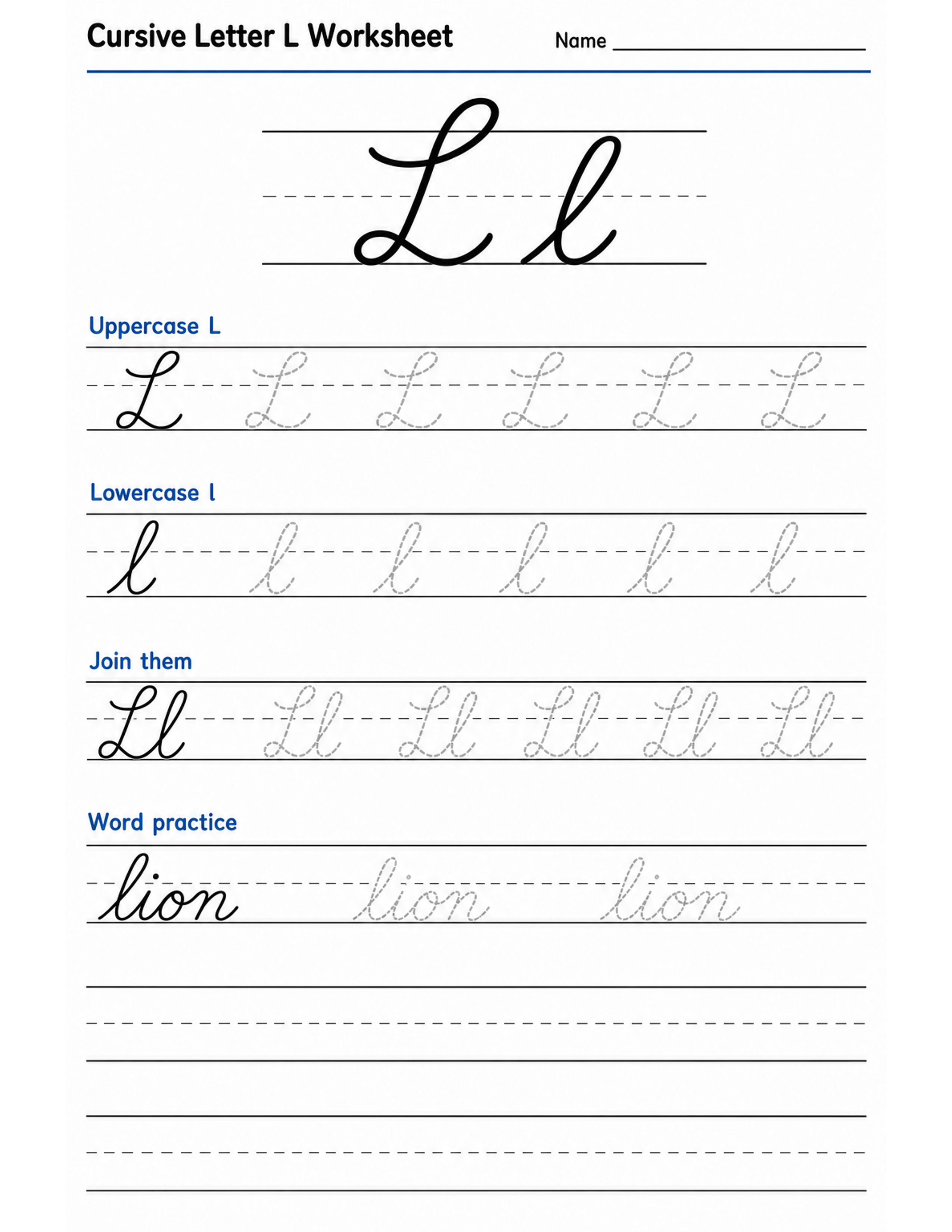
Standing and sleeping lines to trace.
People Also Ask: What Ages Benefit from Trace Lines Worksheets?
Trace lines worksheets are designed with early learners in mind, typically catering to preschool and kindergarten-aged children. This age group is at a crucial stage of developing their fine motor skills, and these worksheets provide an enjoyable way to practice and improve. However, even older children who struggle with handwriting or need extra practice can benefit from the simple yet effective exercises offered by trace lines worksheets.
Trace patterns of sleeping and standing lines.
How to Incorporate Trace Lines Worksheets into Learning
Using trace lines worksheets is straightforward and flexible. For parents and teachers, these worksheets are a convenient tool for structured practice sessions. They can be easily printed 16 Cursive Learning Worksheets You Can Print and used in a classroom, homeschool, or tutoring setting. Simply provide the child with a worksheet and a writing tool, and they can get started on their tracing journey.
Tracing lines for young kids.
It's important to consider the child's age and skill level when choosing a trace lines worksheet. For beginners, start with simple, straight lines and gradually introduce more complex shapes and curves. As they progress, you can increase the difficulty with worksheets that incorporate tracing horizontal lines worksheets or more intricate paths to follow.
Kindergarten line tracing practice.
Creating a Fun Learning Trail
The beauty of trace lines worksheets lies in their ability to make learning fun and engaging. By presenting tracing as a game or adventure, children are motivated to complete the tasks. For instance, a worksheet might feature a maze-like path with a fun reward at the end, such as a hidden picture or a simple puzzle. This not only keeps them entertained but also encourages them to practice their tracing skills without realizing they're learning.
PDF line tracing worksheets.
Additionally, trace lines worksheets can be a great way to introduce creative elements. After completing the tracing, children can be encouraged to color in the shapes or add their own creative touches, turning the worksheet into a personalized art piece. This fosters creativity and makes the learning experience even more enjoyable.
Nursery tracing lines practice.
Mom-approved tracing lines worksheets.
Preschool line tracing worksheets.
Buy two line tracing worksheets.
Tracing lines is a fantastic way to build those crucial fine motor skills, and it's a fun activity too! The trace lines worksheet is a great tool to have in your arsenal, offering a simple and enjoyable practice session for kids.
So, why not give it a go? Print out the worksheet, gather your little ones, and see the magic unfold. It's a brilliant way to engage their creativity and watch their handwriting skills flourish. Leave a comment or share your experience below; we'd love to hear how it goes!
Practice tracing the number seven.
Read also: 28 Easy Preschool Math Worksheets for Kids
Related: 16 Fact vs Opinion Worksheets for Classroom Use
Teaching kids the difference between fact and opinion can be tricky, especially when you want to make it engaging. That's where a fact vs opinion worksheet comes in handy! These worksheets are a great way to practice identifying facts and opinions, and they're a useful tool for parents, teachers, and homeschoolers alike. With a simple search, you can find a range of free, printable resources like 27 Reading Worksheets for 5th Graders to help your kids master this skill.
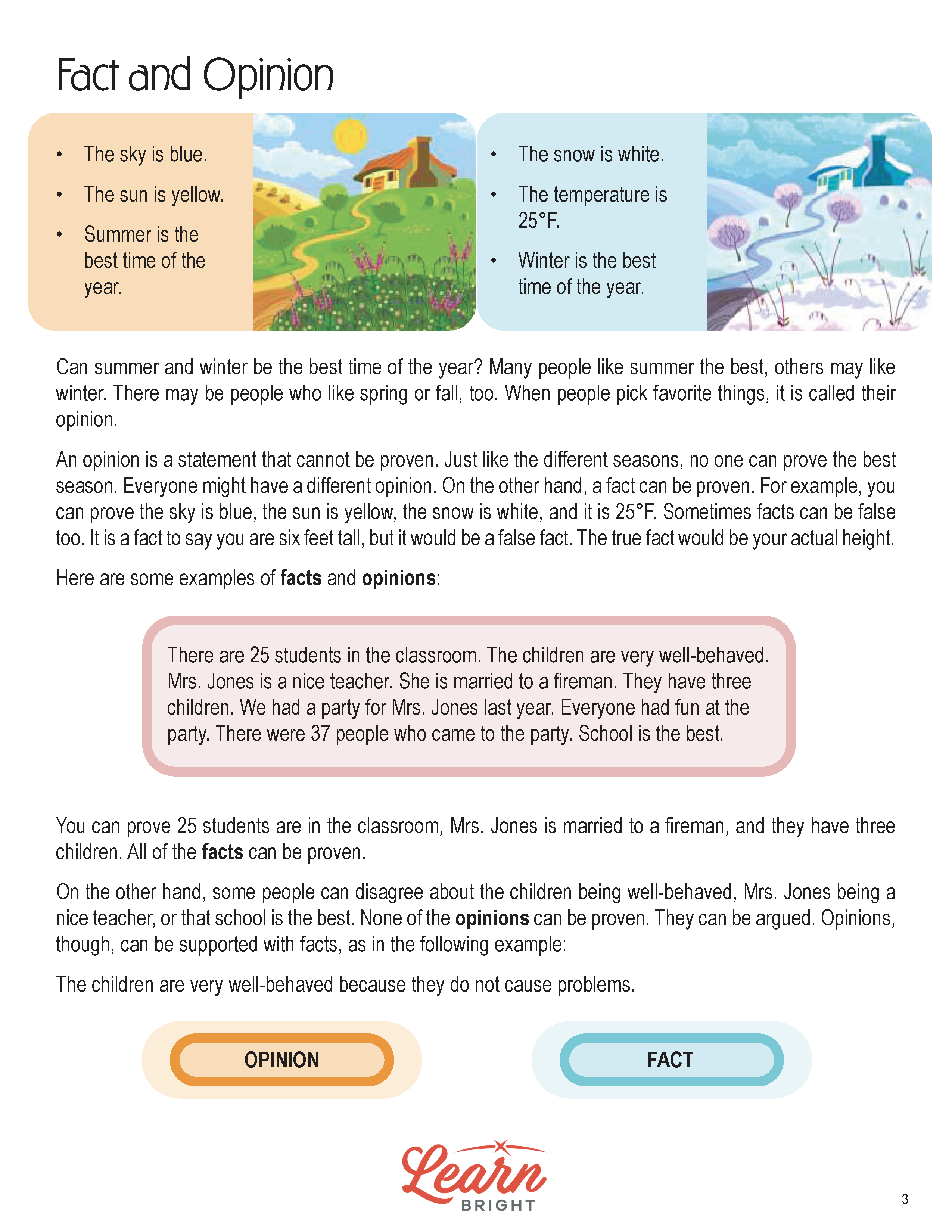
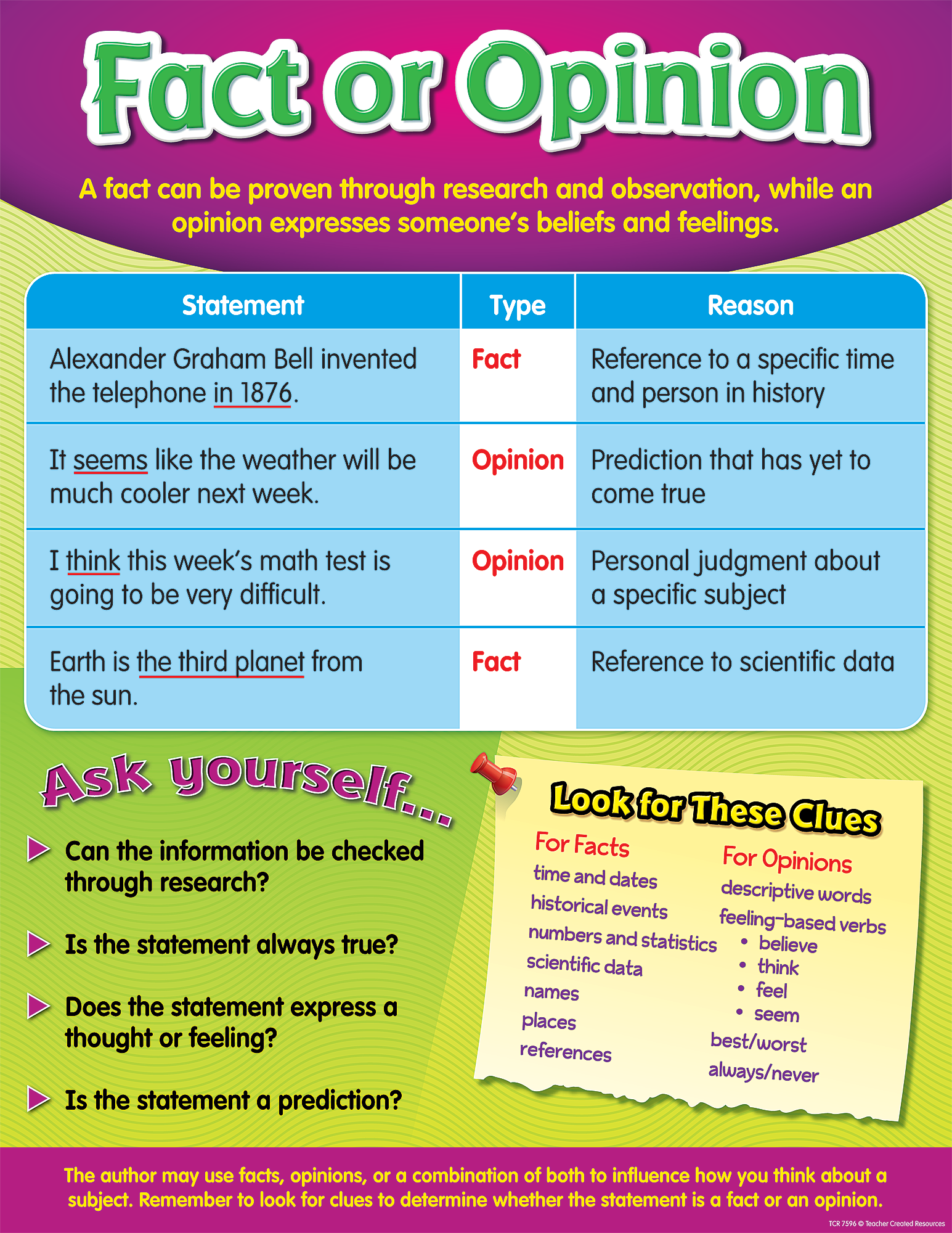
Differentiate facts from opinions with a fun, colorful worksheet.
Facts, Not Opinions: Uncovering Truths with a Fact vs Opinion Worksheet
Fact vs opinion worksheets are an invaluable resource for teaching children a crucial skill: distinguishing between facts and opinions. This skill is not only essential for academic success but also for developing critical thinking abilities and navigating the world with a discerning eye. By practicing with these worksheets, students learn to recognize the difference between objective, evidence-based claims and subjective personal beliefs.
Lesson on fact vs opinion for young learners.
Beyond Black and White: Shades of Gray in Fact and Opinion Worksheets
While fact vs opinion worksheets primarily focus on helping students identify the difference between facts and opinions, they also offer a more nuanced understanding of language and expression. These worksheets often present scenarios or statements that require students to think critically and analyze the context to determine whether it is a fact or an opinion. This process encourages students to consider the shades of gray between absolute truth and personal perspective.
Fact vs opinion: a duck-themed printable activity.
For instance, a statement like "The sky is blue" might seem like a fact, but in some cultures or artistic contexts, it could be interpreted as an opinion or a subjective description. By exploring such examples, students learn to evaluate the evidence supporting a claim and understand the role of context in shaping our perceptions.
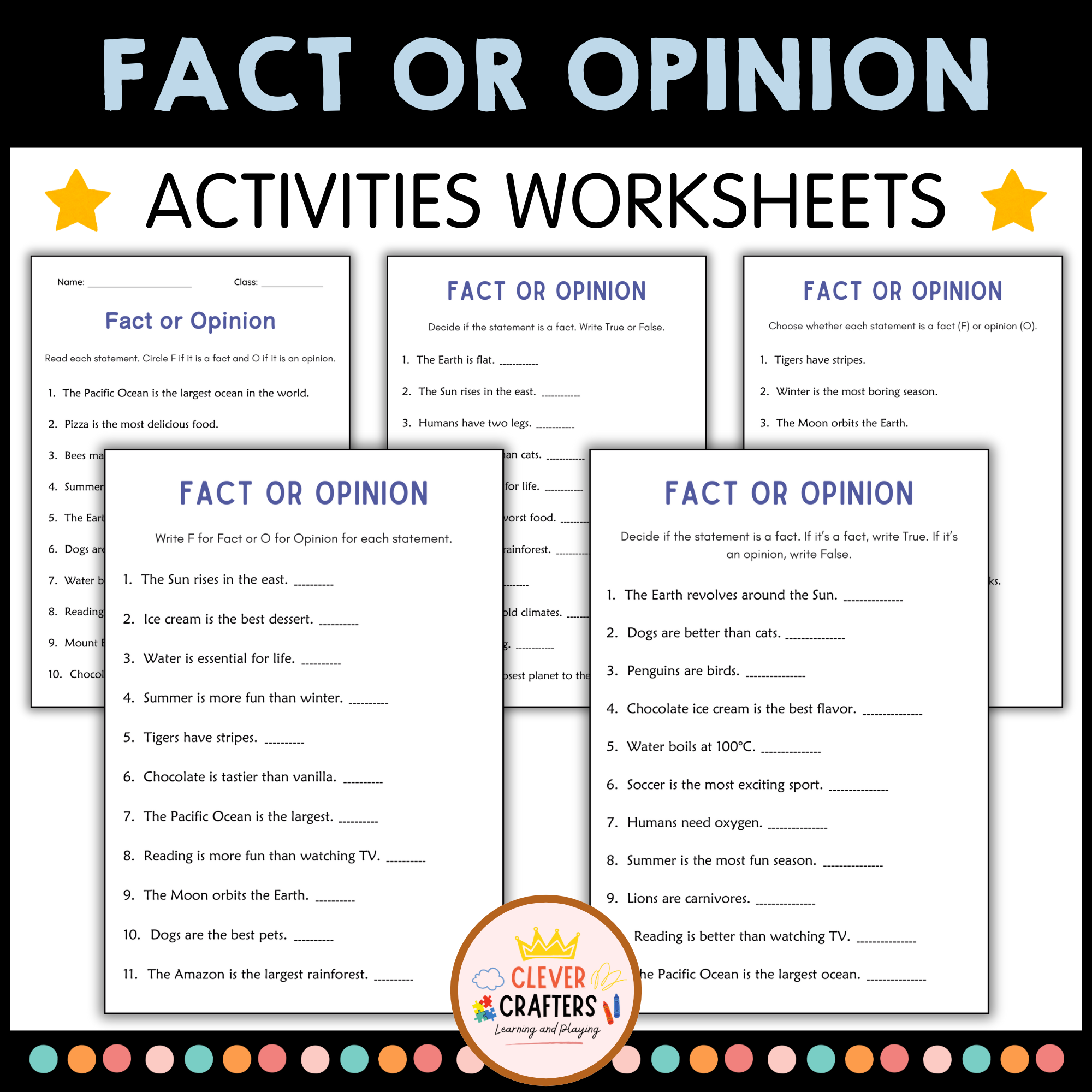
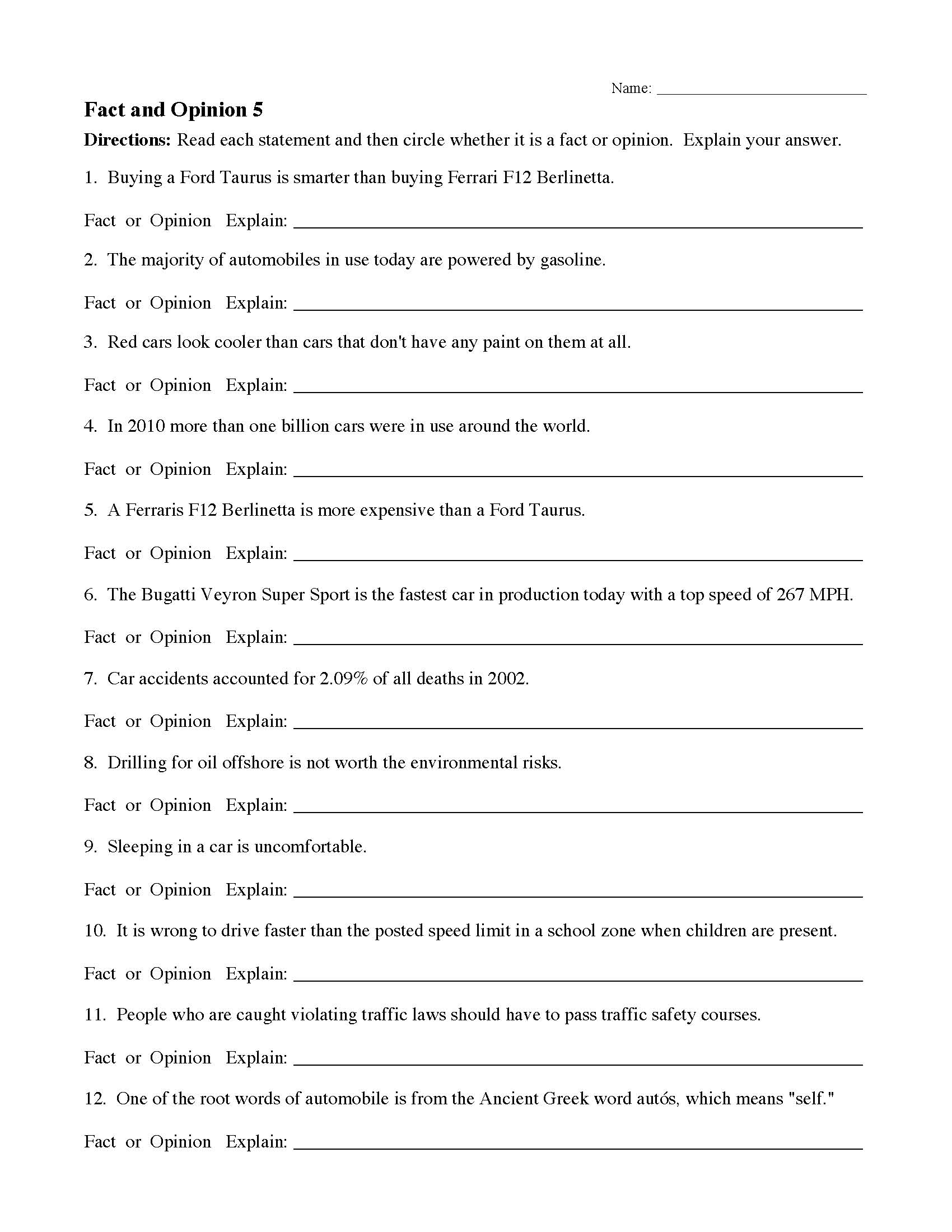
Fact or opinion writing: a comprehensive worksheet.
People Also Ask: What Are Some Common Challenges in Teaching Fact vs Opinion?
One of the challenges teachers and parents face is helping students understand that facts and opinions are not always presented explicitly as such. Often, opinions are disguised as facts, especially in persuasive writing or media. Teaching students to recognize subtle cues, such as the use of emotive language or subjective terms, is crucial for developing their critical literacy skills.
Reading comprehension: fact and opinion practice.
Fact vs opinion worksheets can address this challenge by providing a range of practice scenarios, including real-world examples from news articles, advertisements, or literary texts. By analyzing these sources, students learn to identify the underlying biases and distinguish between objective reporting and subjective commentary.
Sports-themed worksheet: fact vs opinion challenge.
How Can I Incorporate Fact vs Opinion Worksheets into My Teaching or Homeschooling Practice?
Incorporating fact vs opinion worksheets into your teaching or homeschooling routine is straightforward and flexible. Here are some practical tips:
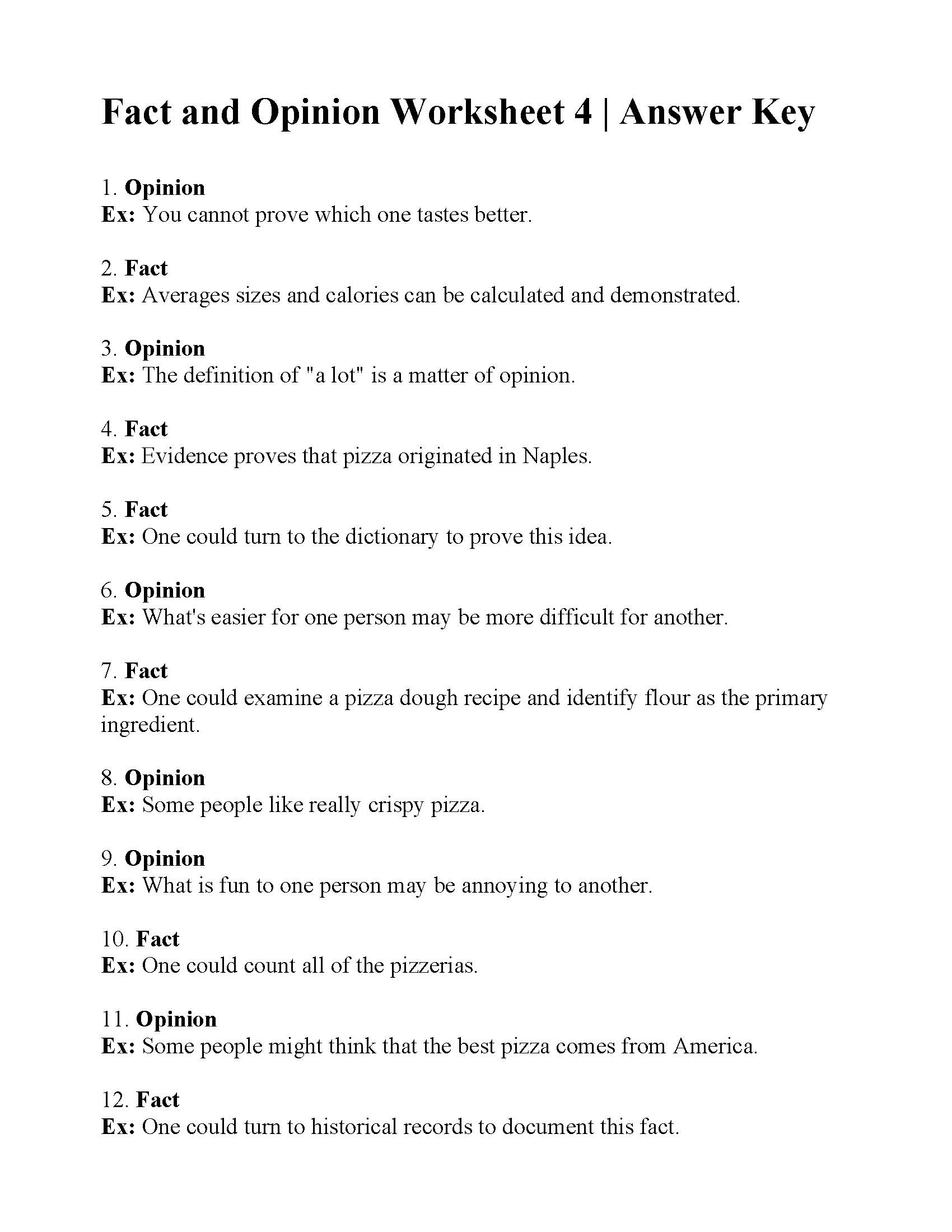
Fact vs opinion: a simple, effective worksheet.
- Start with Simple Examples: Begin with worksheets that present clear, distinct facts and opinions. This foundation will help students grasp the basic concept before moving on to more complex scenarios.
Advanced fact or opinion practice for older students.
- Progressively Increase Difficulty: As students become more comfortable, introduce worksheets with more nuanced or ambiguous statements. This gradual progression challenges students to apply their understanding in increasingly realistic contexts.
Fact or opinion worksheet for teenagers.
- Encourage Group Discussion: Fact vs opinion worksheets can be a great springboard for class discussions. After completing a worksheet, have students share their reasoning and explain their choices. This promotes active engagement and allows students to learn from each other's perspectives.
Free 3rd grade fact vs opinion printable.
- Integrate with Other Subjects: Fact vs opinion skills are applicable across various subjects. For instance, in history class, students can analyze primary sources to distinguish between factual accounts and personal interpretations. In science, they can evaluate experimental results and determine whether conclusions are based on evidence or speculation.
Fact vs opinion: a straightforward practice sheet.
- Make It Fun: Fact vs opinion worksheets don't have to be dry or repetitive. Incorporate interactive elements, such as games or role-playing activities, to keep students engaged. For example, create a "Fact or Opinion" scavenger hunt where students search for examples of facts and opinions in their environment or in a given text.
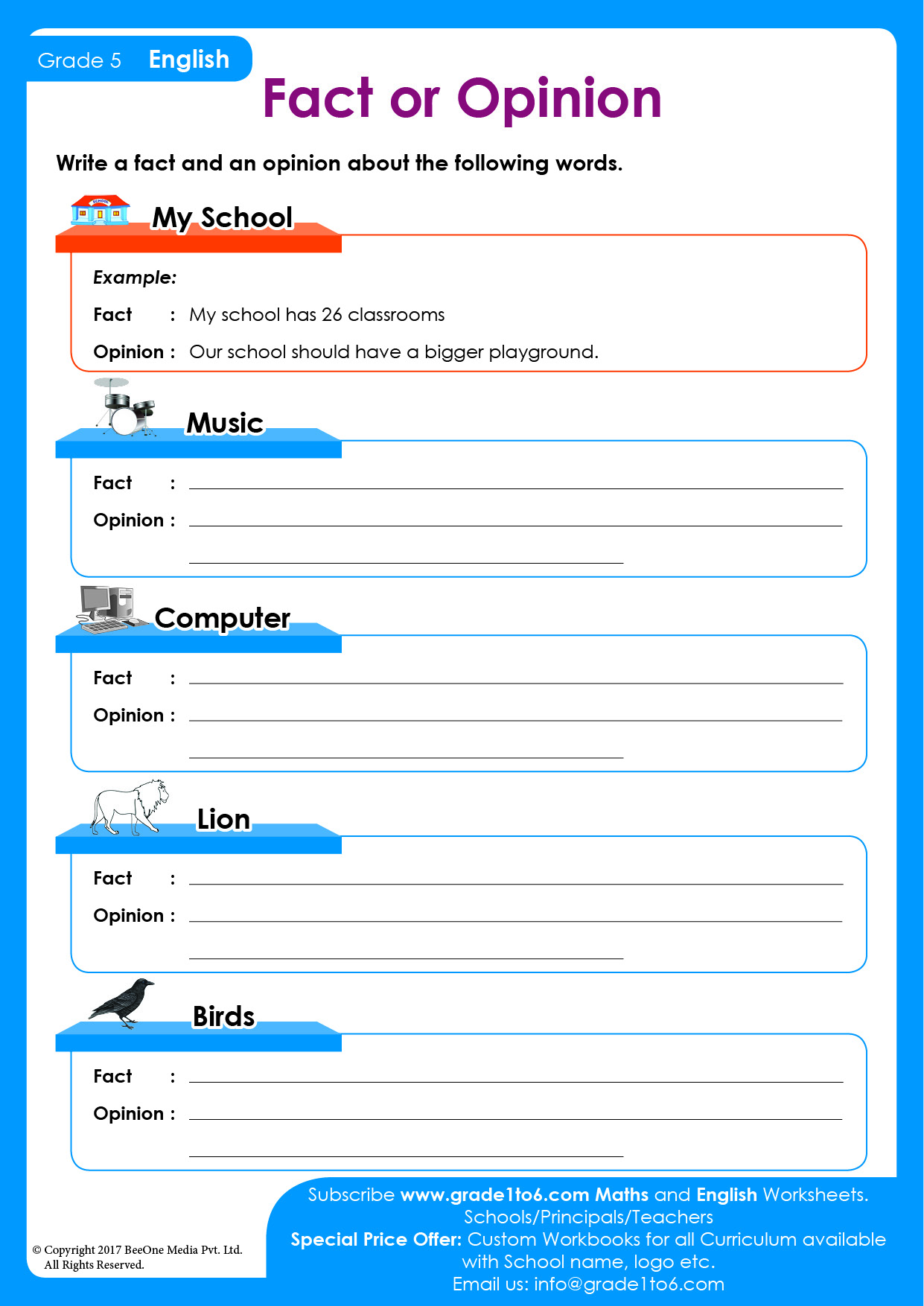
Create your own fact vs opinion worksheet.
Fact vs Opinion Worksheets: A Foundation for Critical Thinking and Data-Driven Decisions
By practicing with fact vs opinion worksheets, students develop a crucial foundation for critical thinking and evidence-based decision-making. This skill extends beyond the classroom, empowering students to navigate the information-rich world with discernment.
In an era where misinformation and biased narratives are prevalent, the ability to separate facts from opinions is a powerful tool. Fact vs opinion worksheets help students become more discerning consumers of information, enabling them to make informed choices and contribute to a more informed society.
Furthermore, the skills learned through these worksheets have practical applications in various real-life scenarios. For example, when evaluating news articles or social media posts, students can apply their fact-checking abilities to discern reliable sources from biased or misleading information. This critical approach to information consumption is a valuable life skill that extends far beyond the classroom.
As students progress in their understanding of facts and opinions, they can also explore related concepts, such as point of view. 21 Point of View Worksheets offer a natural progression, helping students analyze how different perspectives shape our understanding of events and narratives. By combining these skills, students develop a well-rounded approach to interpreting and evaluating information, fostering a deeper appreciation for the complexity of language and expression.
So, there you have it! Worksheets are a fun and interactive way to empower our little ones with some serious life skills. It's an easy, effective method to ensure they can spot the difference between facts and opinions, which is a skill that will serve them well throughout their lives.
Why not give it a go and see how your kids respond? It's a great way to engage them in a meaningful activity, and you might just be surprised at how quickly they pick it up. Leave a comment or share your experience below - we'd love to hear how it goes!
Fact or opinion? A clear example and practice sheet.
Read also: 27 Free 3rd Grade Reading Worksheets
Related: 31 Sight Word Worksheets for Kids
As a parent, I'm always on the lookout for fun and effective ways to help my kids learn. Sight word and worksheet resources have been a lifesaver for us, especially when it comes to practicing multiplication. With these handy tools, my kids can focus on specific skills, like sight word a printable, and improve their math fluency. 23 Multiplication Worksheets for 2 Digit By 1 has been a go-to resource, offering a variety of engaging exercises.
First grade sight word practice
Sight Words: A Powerful Tool for Early Literacy
When it comes to early literacy, sight words are an invaluable resource. These are words that young readers can quickly recognize and identify without needing to sound them out. By mastering sight words, children can develop a strong foundation for reading fluency and comprehension. "Sight word and worksheet" resources offer a structured and engaging way to practice and reinforce these essential words.
'See' sight word worksheet
Beyond Recognition: Building Reading Comprehension
While recognizing sight words is a crucial first step, it's important to go beyond simple word recognition. "Sight word and worksheet" activities often incorporate various exercises that encourage children to not only identify these words but also understand their context and usage. For instance, worksheets might include tasks like filling in blanks with appropriate sight words, completing sentences, or matching words with their definitions. These activities help children grasp the meaning and purpose of sight words, enhancing their overall reading skills.
Am word recognition exercise
People Also Ask: What's the Best Way to Introduce Sight Words?
Introducing sight words effectively is a common concern for parents and educators. The key lies in providing a balanced approach that combines direct instruction with interactive and engaging activities. "Sight word and worksheet" resources are an excellent tool for this purpose. They offer a structured framework for teaching sight words, ensuring children learn at a steady pace. By gradually introducing new words and providing ample practice, these worksheets build confidence and mastery.
Educational sight word printables
How to Use "Sight Word and Worksheet" Effectively
To make the most of "sight word and worksheet" resources, consider the following practical tips:
Printable sight word resources
- Start with a free printable sight word list or free printables for sight words to familiarize yourself with the words and their order of introduction.
- Choose worksheets that align with your child's or student's current reading level. Begin with simpler activities and gradually progress to more challenging ones as their skills improve.
- Create a dedicated learning space, whether it's a classroom, homeschool environment, or a quiet corner at home. Ensure the space is comfortable and free from distractions to optimize focus and engagement.
- Encourage active participation by involving children in the learning process. Let them choose their preferred worksheets or even create their own sight word activities. This fosters a sense of ownership and makes learning more enjoyable.
- Incorporate variety into your practice sessions. Use different types of worksheets, such as word searches, fill-in-the-blank exercises, or sight word games, to keep the learning experience fresh and exciting.
- Provide immediate feedback and praise for correct answers. Positive reinforcement boosts confidence and motivates children to continue practicing.
- Regularly review previously learned sight words to reinforce long-term retention.
Kindergarten sight word worksheets
Building Fluency and Confidence: The Power of Practice
Consistent practice is the key to mastering sight words and developing reading fluency. "Sight word and worksheet" resources provide an excellent opportunity for repeated practice, which is essential for solidifying these foundational skills. By engaging with these worksheets regularly, children can build their word recognition speed and accuracy, leading to improved reading fluency and overall reading confidence.
Free sight word practice sheets
Furthermore, the structured nature of these worksheets allows for targeted practice, ensuring children receive the necessary repetition to master each sight word. Whether used in a classroom setting, during homeschooling, or as a supplementary learning tool, "sight word and worksheet" resources offer a versatile and effective approach to early literacy development.
Tracing 'like' sight word
As children progress through different levels of reading, the sight words they've mastered become building blocks for more complex reading tasks. This foundation enables them to focus on comprehension and understanding the meaning behind the words, rather than getting caught up in decoding individual words.
First grade sight word list
In addition to the traditional sight word worksheets, there are also innovative resources available, such as 21 Absolute Value Worksheets for Practice, which offer a unique twist on learning sight words. These worksheets incorporate mathematical concepts, providing an engaging and multi-disciplinary approach to early literacy.
Sight word worksheets for grade 1
By incorporating a variety of resources and activities, parents and educators can create a rich and diverse learning environment that caters to different learning styles and interests. This holistic approach ensures that children not only learn but also enjoy the process of acquiring essential literacy skills.
Color code sight words
Summer sight word coloring
Sight words are an incredible tool to empower young learners, and with the right resources, they can really soar. Worksheets are a fantastic way to reinforce these skills, offering a fun and interactive learning experience.
So, why not give it a go? Print out a few worksheets, gather the little ones, and see the magic unfold. It's a great way to spend quality time together and watch their reading confidence grow. Leave a comment or share your experience below; we'd love to hear how it goes!
Color by sight word activity
Read also: 28 Decimal Multiplication Worksheets for Practice