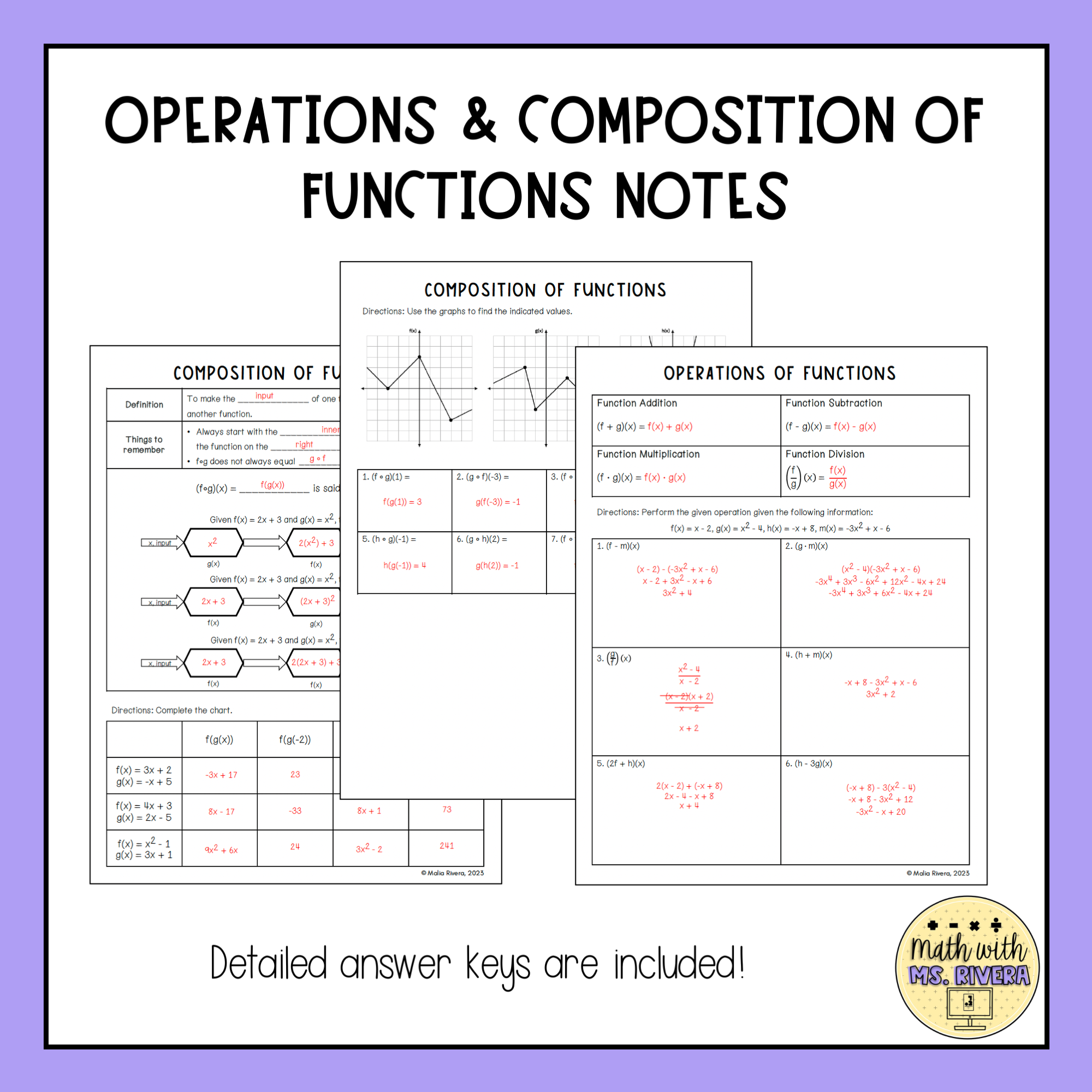
As a parent, I'm always on the lookout for resources to support my child's learning, especially when it comes to math. It can be tricky to find engaging ways to practice, but that's where compound interest worksheets come in handy! These worksheets are a great tool for kids to grasp the concept of compound interest, and they're perfect for independent practice or as a supplement to classroom learning. With options like compound interest problems worksheets and simple interest exercises, there's something for every learner.
Grade 11 compound interest practice.

Unlocking the Power of Compound Interest: A Comprehensive Learning Tool
Compound interest is a fundamental concept in mathematics, and understanding it is crucial for making informed financial decisions. Compound interest worksheets offer a practical and engaging way for learners to grasp this concept, providing a solid foundation for their financial literacy journey.

Simple and compound interest, AT A GLANCE.
Beyond Simple Interest: Exploring Advanced Worksheets
While simple interest worksheets introduce the basic concept of interest, compound interest worksheets take it a step further. These worksheets delve into the world of compound interest, where interest is calculated on the initial principal and any accumulated interest from previous periods. This type of interest is more complex but also more realistic, as it reflects how interest compounds over time in real-world scenarios.

Grade 6 compound interest, answers included.
Compound interest worksheets often present a range of questions and activities to challenge learners. They may include word problems, calculations, and scenarios that require students to apply their understanding of compound interest to make predictions or solve financial dilemmas. By working through these exercises, learners develop a deeper comprehension of how interest accumulates and affects future values.

Compound interest PDF resource.
People Also Ask: What's the Difference Between Simple and Compound Interest Worksheets?
A common curiosity among educators and parents is understanding the distinction between simple and compound interest worksheets. While both types of worksheets focus on interest, they differ in the complexity of the concept they teach.

Another compound interest PDF.
Simple interest worksheets introduce the basic idea of interest, often covering calculations involving principal, interest rate, and time. These worksheets are ideal for beginners or younger learners who are just starting to grasp the concept of interest. They provide a solid foundation by teaching how interest is calculated on the original amount, preparing learners for more advanced concepts.

Compound interest worksheet, with a twist.
On the other hand, compound interest worksheets build upon this foundation. They explore the concept of interest accumulating not only on the principal but also on any previously earned interest. This compounding effect is a key difference, as it demonstrates how interest can grow exponentially over time. Compound interest worksheets challenge learners to apply this concept to various scenarios, helping them develop a more sophisticated understanding of financial growth.

Simple vs. compound interest comparison.
How to Effectively Utilize Compound Interest Worksheets: A Practical Guide
When incorporating compound interest worksheets into your teaching or learning routine, there are several practical considerations to ensure an effective and engaging experience. Here are some tips:
Worksheets library: compound interest.
- Choose the Right Level: Select worksheets that match the learner's proficiency level. For beginners, start with simpler exercises focusing on the basic mechanics of compound interest. As learners progress, introduce more complex questions involving multiple variables and longer time periods.

Working out compound interest, step by step.
- Provide Context: To make the learning experience more relatable, provide real-world scenarios or stories alongside the worksheets. This helps learners understand the practical applications of compound interest and its impact on their future financial decisions.

Simple and compound interest PDF.
- Offer Guidance: Especially for younger learners or those new to the concept, provide clear instructions and examples. Break down the steps involved in calculating compound interest, ensuring learners understand each component and its role in the calculation.

RD Sharma: compound interest solutions.
- Encourage Practice: Regular practice is key to mastering compound interest. Assign worksheets as homework or in-class activities, gradually increasing the difficulty level over time. Consistent practice reinforces learners' understanding and builds their confidence in applying the concept.

Math About: compound interest worksheets.
- Use Technology: In addition to traditional worksheets, explore online resources and tools that offer interactive compound interest calculations and simulations. These can provide a more dynamic learning experience and allow learners to visualize the impact of compound interest over time.
Nurturing Financial Literacy: The Impact of Compound Interest Worksheets
The benefits of incorporating compound interest worksheets into the learning journey extend far beyond the classroom. By engaging with these worksheets, learners develop a strong foundation in financial literacy, a skill set that will serve them throughout their lives.
Compound interest worksheets encourage learners to think critically about the future value of their investments or savings. They learn to make informed decisions, considering the impact of time and interest rates on their financial goals. This understanding empowers learners to take control of their financial future, whether it's saving for college, investing in stocks, or planning for retirement.
Furthermore, compound interest worksheets foster a growth mindset towards mathematics. By tackling challenging problems and witnessing the practical applications of mathematical concepts, learners develop a deeper appreciation for the subject. This positive mindset can translate into improved motivation and academic performance across various subjects.
In conclusion, compound interest worksheets are a valuable resource for educators and parents seeking to enhance their child's financial literacy. By offering a range of exercises and scenarios, these worksheets provide a comprehensive learning experience, empowering learners to navigate the complex world of finance with confidence and understanding.
Compound interest worksheets are an excellent resource to have in your financial learning toolkit. They provide a hands-on approach to understanding this powerful concept, and with practice, you'll soon master it!
So, why not give it a go? Print out a worksheet, grab a pen, and start exploring the world of compound interest. It's a fun and rewarding way to enhance your financial knowledge. Don't forget to leave a comment and share your experiences with us; we'd love to hear how it's helping you!
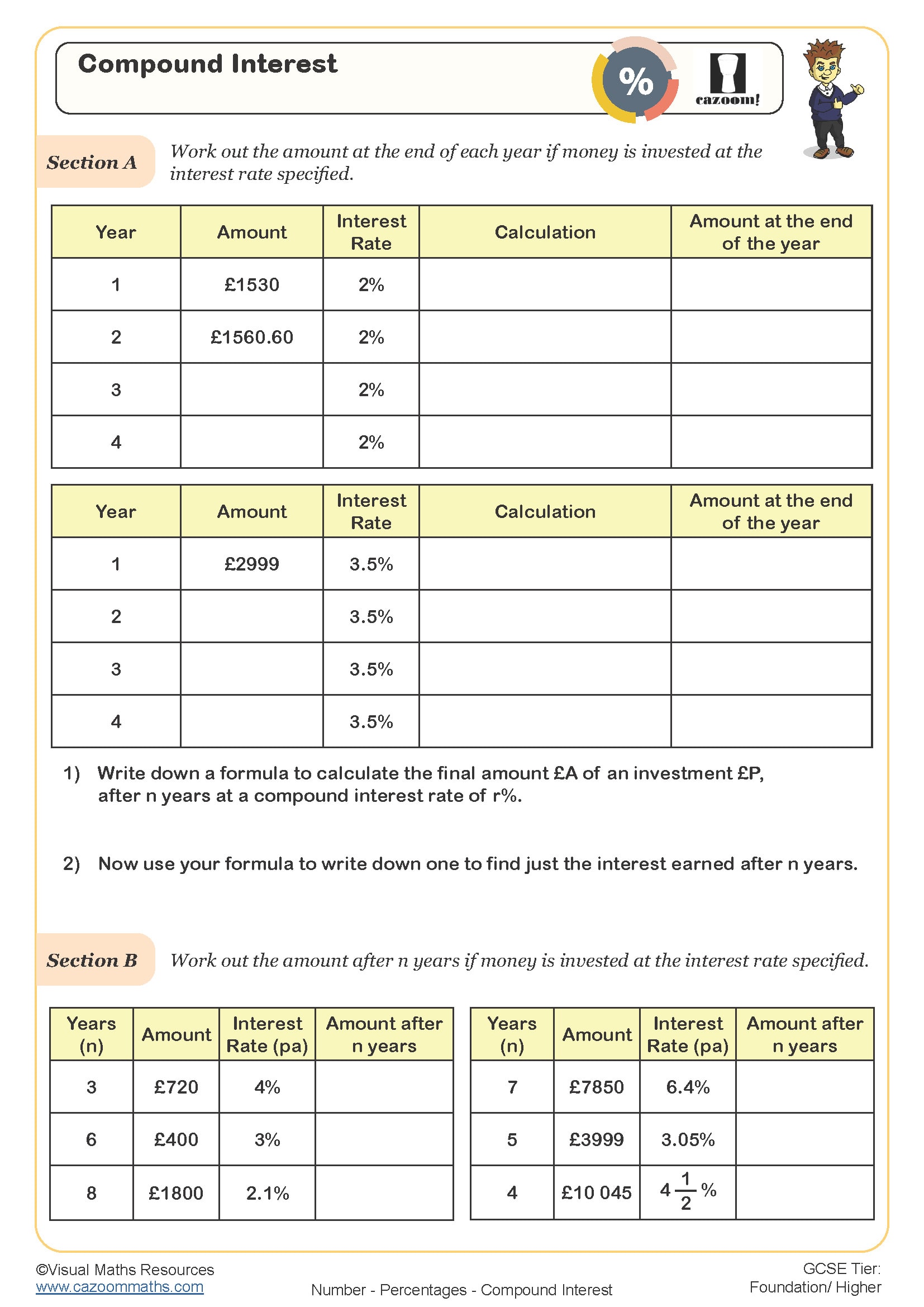
Cazoom Maths: compound interest.

Read also: 27 5 Senses Worksheets for Classroom Fun