

Cc78 Dilations Worksheet Answer Key With Answers Overview
As a parent, I'm always on the lookout for fun and engaging ways to help my kids practice their math skills. Perimeter area worksheets are a great resource for this, offering a practical way to reinforce those crucial geometry concepts. It's a simple, effective tool, and I've found similar resources, like free area and perimeter worksheets, to be a real lifesaver when it comes to keeping the learning process interesting.
Fun practice for area and perimeter in grade 4.
Perimeter and Area: A Practical Geometry Adventure
When it comes to geometry, understanding perimeter and area is an essential skill for young learners. Perimeter area worksheets offer a fantastic way to dive into this mathematical journey, providing a structured yet engaging learning experience. These worksheets are designed to guide students through the process of measuring and calculating the outer boundaries of shapes, as well as the space they encompass. Let's explore the world of perimeter and area worksheets and uncover their benefits and applications.
Worksheets for rectangle area and perimeter.
Exploring Different Worksheet Types
Perimeter area worksheets come in various forms, catering to different learning needs and skill levels. Some worksheets focus solely on calculating the perimeter, challenging students to find the total boundary length of shapes. These worksheets often include a range of geometric figures, from simple squares and rectangles to more complex polygons, encouraging students to measure all sides accurately.
Grade 5: Area and perimeter challenge.
On the other hand, area-focused worksheets delve into the concept of space and how it relates to shape. Students are tasked with calculating the area of various shapes, considering factors like length, width, and height. These worksheets may introduce concepts like square units and provide opportunities for learners to visualize and understand the relationship between shape and space.
Area and perimeter: Hexagon planner.
People Also Ask: What's the Difference Between Perimeter and Area?
A common curiosity among students and parents is the distinction between perimeter and area. While both concepts are fundamental in geometry, they serve different purposes. The perimeter represents the outer boundary or outline of a shape, emphasizing its length. On the other hand, area focuses on the space enclosed within the shape, highlighting its size and dimensions. Understanding this difference is crucial for learners to grasp the unique applications of each concept.
Area and perimeter worksheets online.
How to Choose and Use Perimeter Area Worksheets Effectively
When selecting perimeter area worksheets, it's essential to consider the learner's grade level and skill set. For beginners, start with simple shapes and gradually introduce more complex figures as their understanding grows. Ensure the worksheets provide clear instructions and offer a range of practice problems to reinforce learning.
Top 10 area and perimeter practice sheets.
Printing and using perimeter area worksheets is straightforward. Many online resources offer printable versions, allowing teachers, parents, and tutors to access and utilize these tools conveniently. Consider laminating the worksheets for durability, especially if they will be used multiple times or in a classroom setting. Providing students with rulers or measuring tools can enhance their hands-on learning experience and develop their practical skills.
Free printable: Area and perimeter.
Practicing Geometry Skills: A Real-World Application
Perimeter area worksheets offer more than just theoretical learning; they provide a practical application of geometry skills. By measuring and calculating perimeters and areas, students develop a deeper understanding of the world around them. For example, they can apply these skills to real-life scenarios, such as measuring the dimensions of a room or calculating the area of a garden. This practical approach not only reinforces learning but also makes math more relatable and engaging for students.
Math practice: Area and perimeter.
Additionally, perimeter area worksheets can be used to introduce problem-solving strategies. Students can learn to break down complex shapes into simpler components, calculate their individual perimeters or areas, and then combine these values to find the total. This process not only enhances their mathematical abilities but also fosters critical thinking and logical reasoning skills.
Mashup Math: Free area and perimeter.
As students progress, perimeter area worksheets can become more challenging, incorporating advanced concepts like irregular shapes, composite figures, and even three-dimensional objects. These worksheets can be tailored to different grade levels, ensuring a progressive learning journey that keeps students engaged and motivated.
Find the missing side: Perimeter.
In conclusion, perimeter area worksheets are a valuable resource for parents, teachers, and tutors looking to enhance students' geometry skills. By offering a structured yet engaging learning experience, these worksheets provide a solid foundation for understanding perimeter and area. With a range of worksheet types and practical applications, students can develop their mathematical abilities and apply their knowledge in real-world scenarios. So, whether it's for classroom practice, homeschooling, or tutoring, perimeter area worksheets are a versatile and effective tool for geometry education.
Free 2nd grade: Area and perimeter.
Geometry: Area and perimeter PDF.
So, there you have it, a fun and practical way to explore geometry! Perimeter and area worksheets are a great tool to get hands-on with these concepts, and I highly encourage you to give them a go. It's an excellent way to reinforce learning and make math an enjoyable adventure.
Why not print out a few worksheets and see how your young mathematicians tackle these challenges? It's a brilliant way to spend some quality time and learn together. I'd love to hear about your experiences, so feel free to share your stories and any fun discoveries you make along the way!
Grade 6: Area and perimeter exercises.
Read also: 22 Worksheets for Less Than and More Than
Related: 28 Alphabet Tracing Worksheets for Kids
As a parent, I'm always on the lookout for fun and engaging ways to help my kids learn. And when it comes to mastering the alphabet, alphabet tracing worksheets are a real lifesaver! These handy tools provide a simple yet effective way to practice writing letters, and they're perfect for kids of all ages, from preschoolers to grade 1 students. With these worksheets, you can easily reinforce letter recognition and improve handwriting skills, and the best part? They're often available for free, like these alphabet tracing worksheets free options!
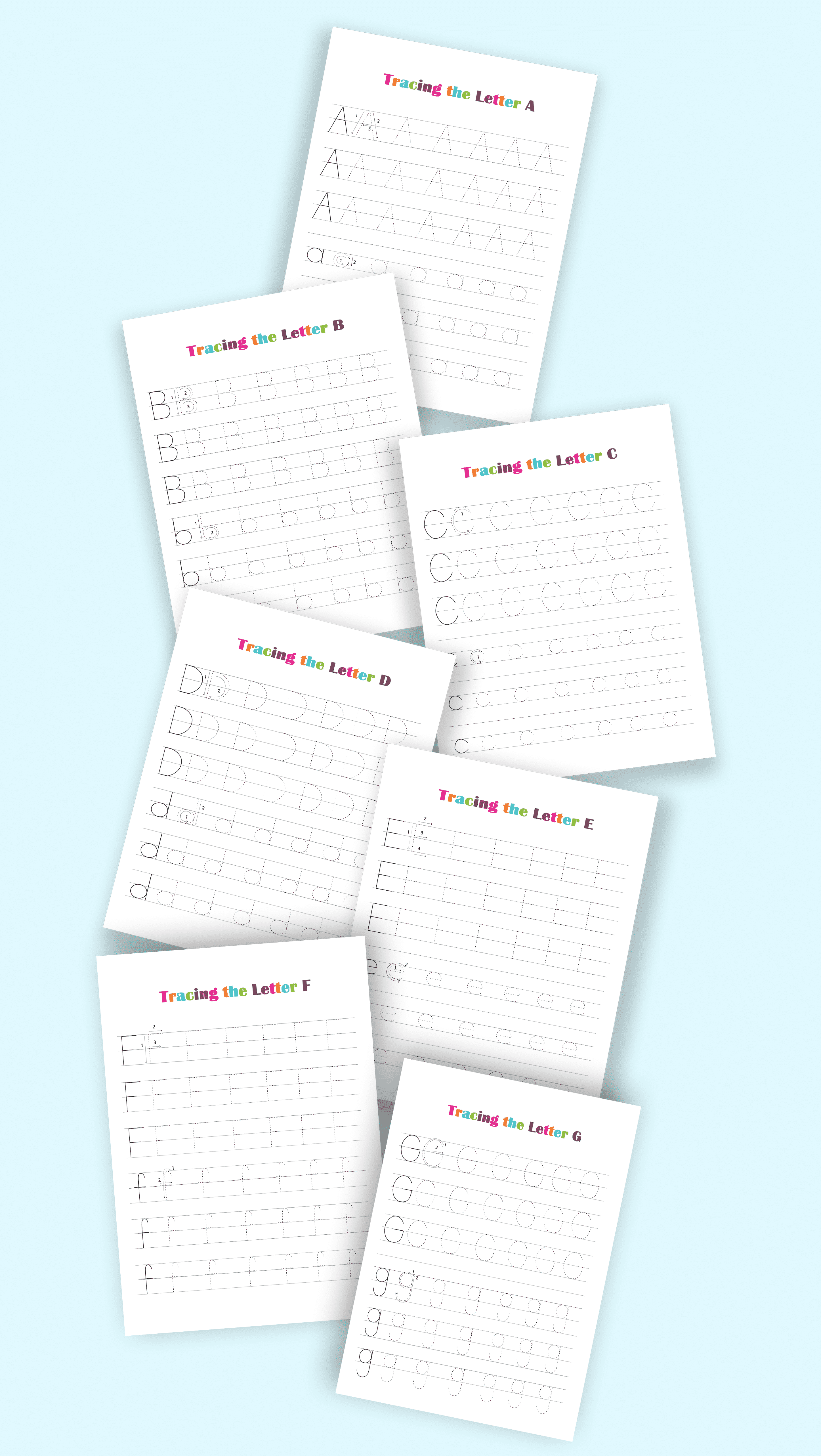
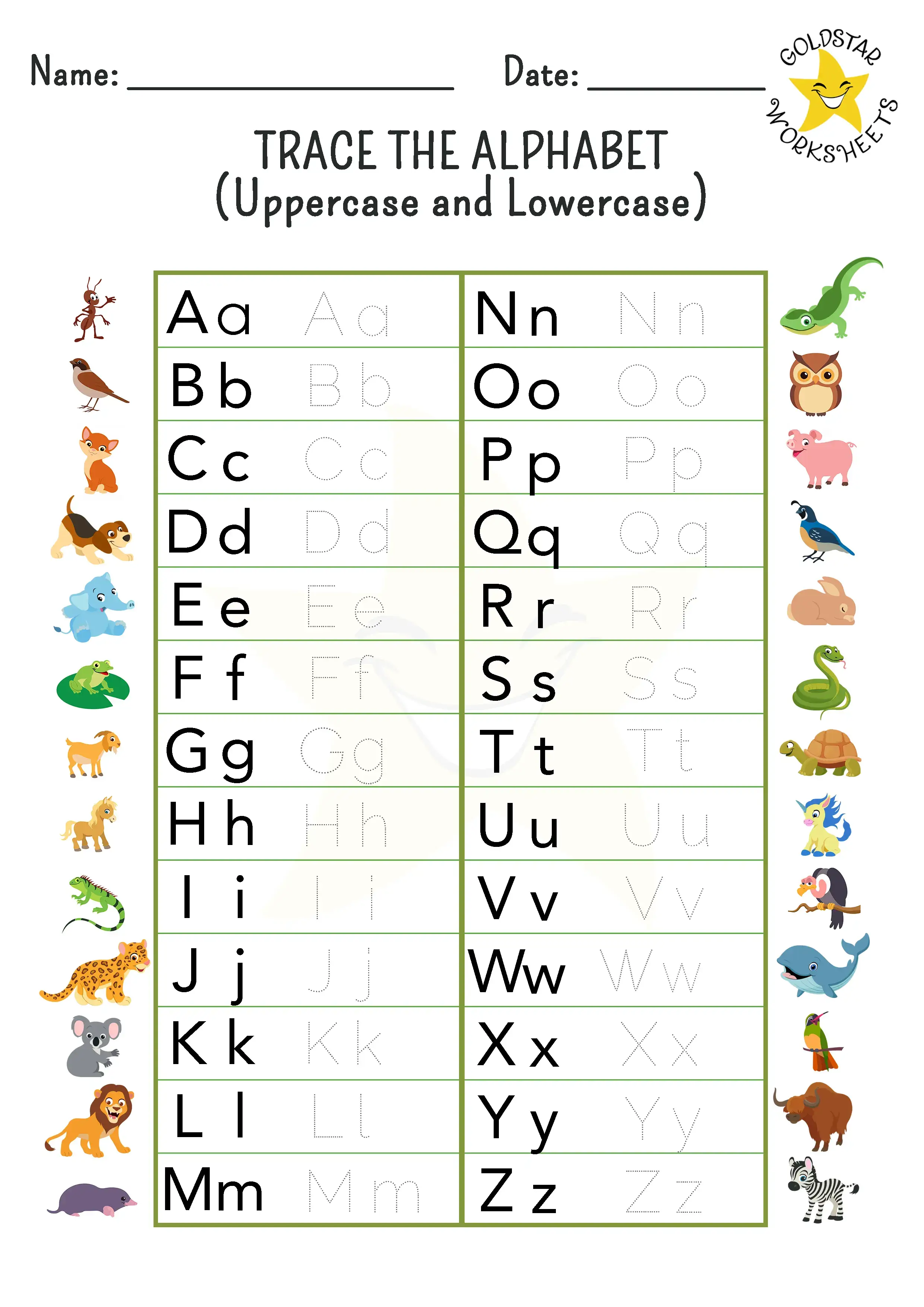
Fun alphabet tracing practice, A-Z, for all ages.
Alphabet Tracing Worksheets: A Fun Way to Master the ABCs
Alphabet tracing worksheets are a versatile and engaging resource for young learners, offering a structured approach to mastering letter writing and recognition. These worksheets provide a simple yet effective foundation for developing essential literacy skills, making them a valuable tool for parents, teachers, and tutors alike.
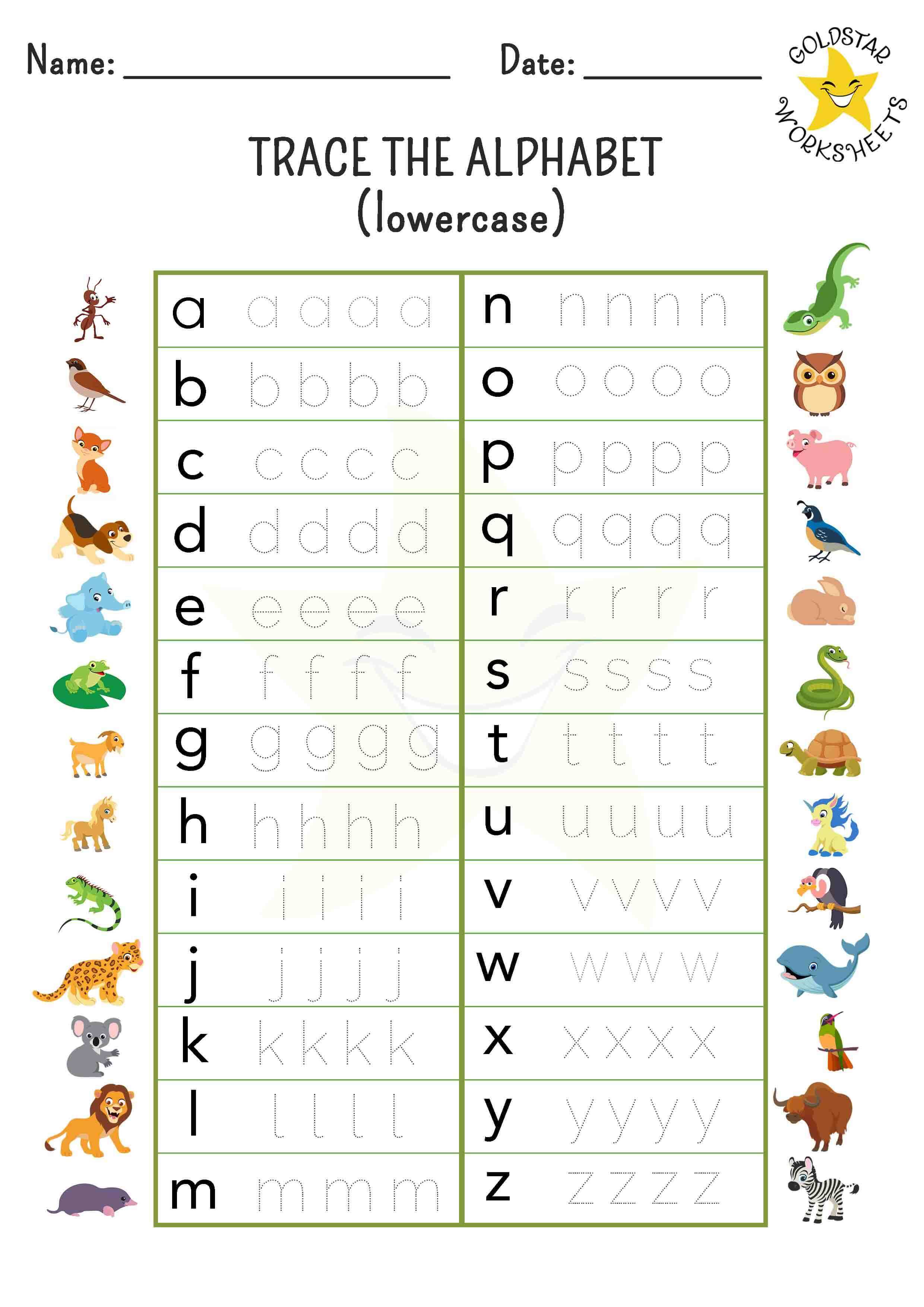
Lowercase letters tracing, fun writing practice.
Tracing Letters: A Beginner's Guide to Handwriting
When it comes to letter writing practice, alphabet tracing worksheets are an excellent starting point, especially for preschoolers and kindergarteners. These worksheets typically feature large, clear letters with dotted lines or traceable paths, guiding young writers as they learn the correct formation of each letter. By following the dotted lines or tracing over the letter, children can develop a sense of letter shape and size, improving their handwriting skills and fine motor control.
Free alphabet letter tracing, improve handwriting.
For beginners, it's important to start with simple, straightforward worksheets that focus on a single letter or a small group of letters. This allows children to grasp the basic concept of letter formation without feeling overwhelmed. As they progress, more complex worksheets can be introduced, incorporating multiple letters, words, or even sentences, providing a gradual progression in difficulty.
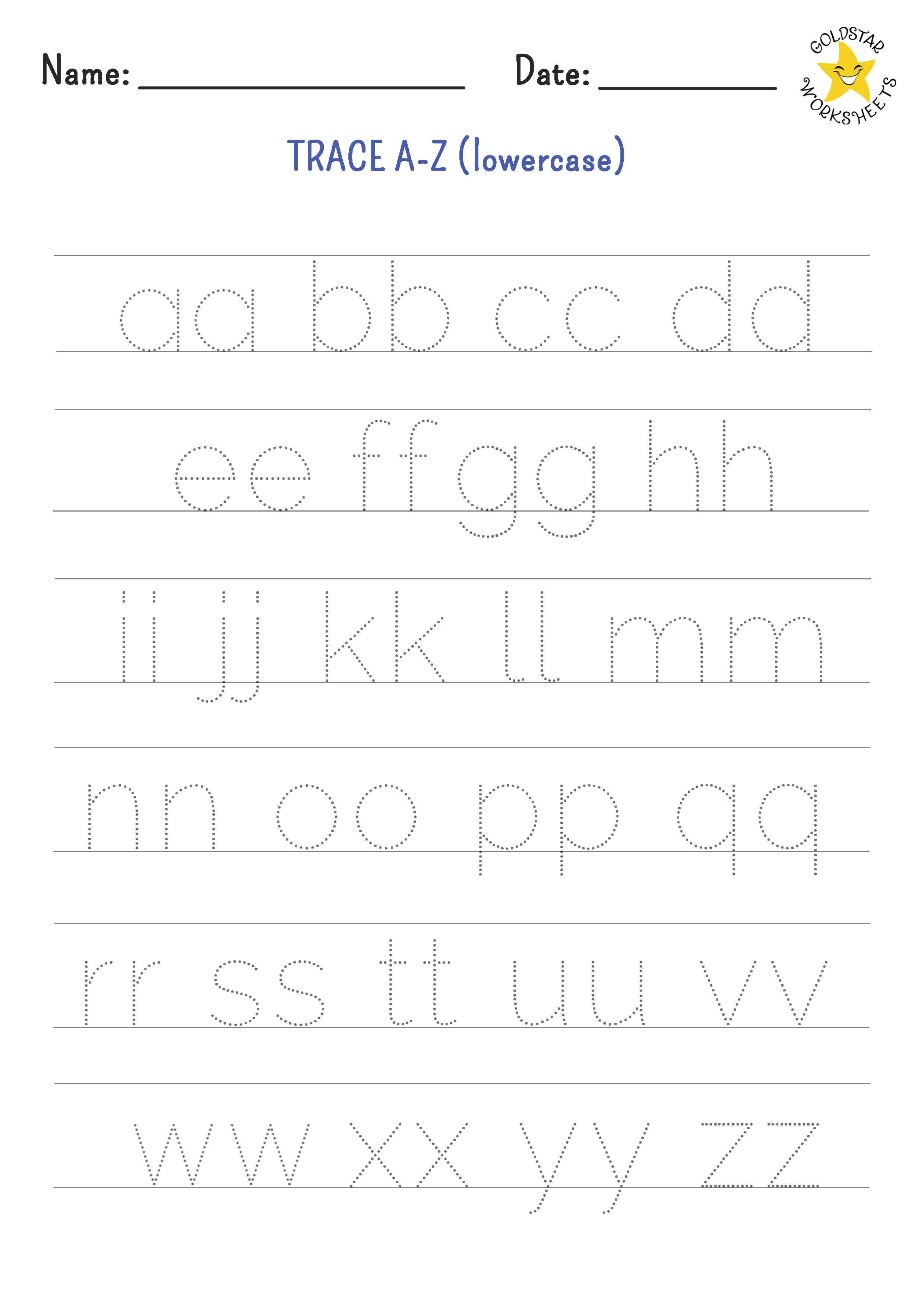
Lowercase letter tracing, a fun writing activity.
What's the Best Age for Alphabet Tracing Worksheets?
Alphabet tracing worksheets are designed to cater to a wide range of ages and skill levels, making them suitable for preschoolers, kindergarteners, and even grade 1 students. The beauty of these worksheets lies in their adaptability, allowing teachers and parents to choose the appropriate level of challenge based on the child's abilities and learning pace.
ABC coloring pages, trace and learn letters.
For preschoolers, alphabet tracing worksheets can be a fun and interactive way to introduce the alphabet, helping them recognize and form letters. As children progress through kindergarten and into grade 1, these worksheets can reinforce letter writing skills, supporting their transition into more complex writing tasks.
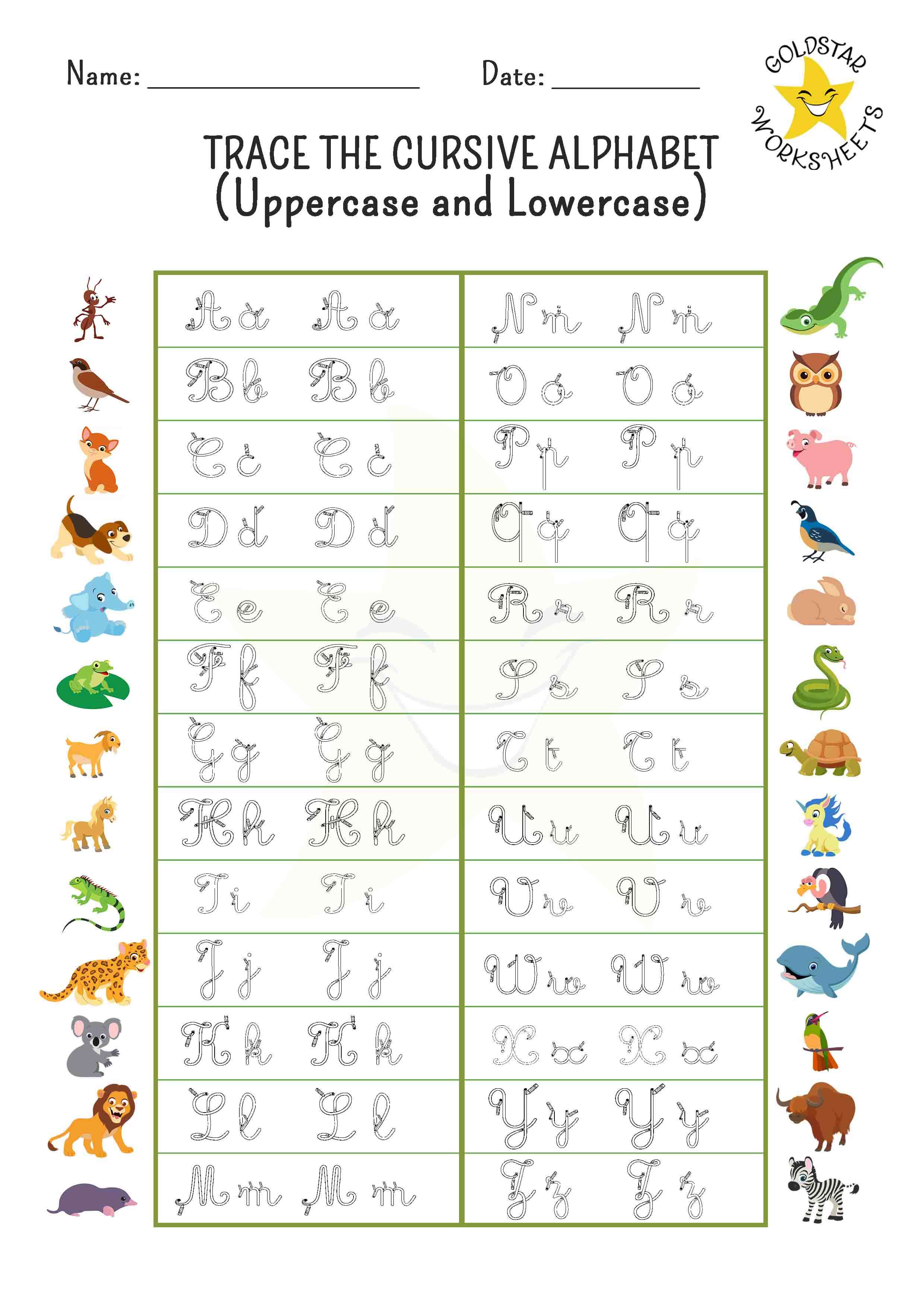
Cursive alphabet tracing, A to Z practice.
People Also Ask: How Do I Choose the Right Alphabet Tracing Worksheets?
With a vast array of alphabet tracing worksheets available, it's natural to wonder how to select the most suitable ones for your child's needs. The key lies in considering the child's age, grade level, and current writing abilities. Opt for worksheets that align with their learning stage, offering the right balance of challenge and support.
Lowercase alphabet tracing, free printable PDF.
For instance, alphabet tracing worksheets for preschoolers often focus on basic letter recognition and formation, with simple, large letters and minimal distractions. As children advance, alphabet tracing worksheets grade 1 may introduce more intricate letter combinations, sight words, or even cursive writing, catering to their growing literacy skills.
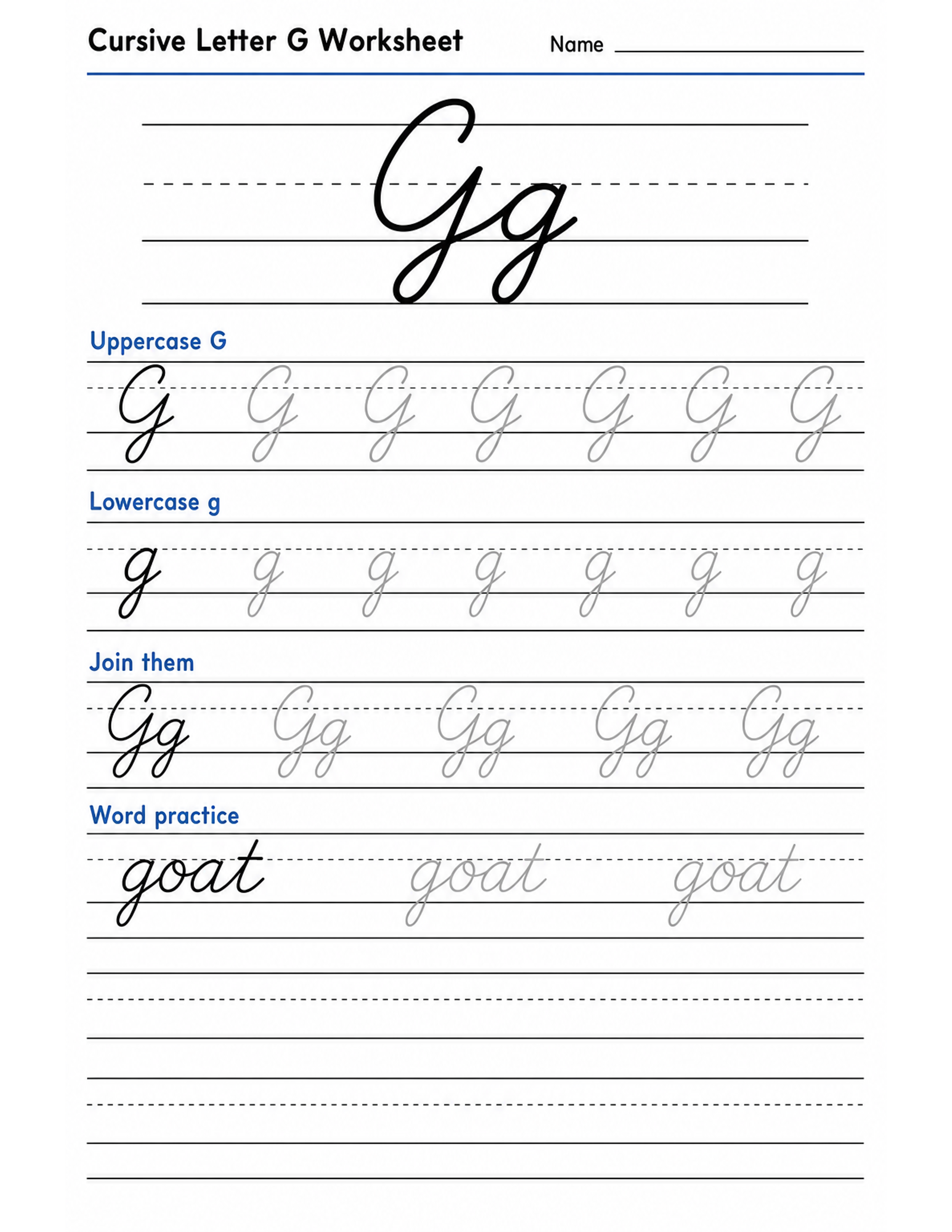
Cursive letter G, practice worksheet, free PDF.
How Can I Use Alphabet Tracing Worksheets Effectively?
Alphabet tracing worksheets are versatile tools that can be incorporated into various learning environments, from classrooms to homeschooling settings. Here are some practical tips on how to make the most of these worksheets:
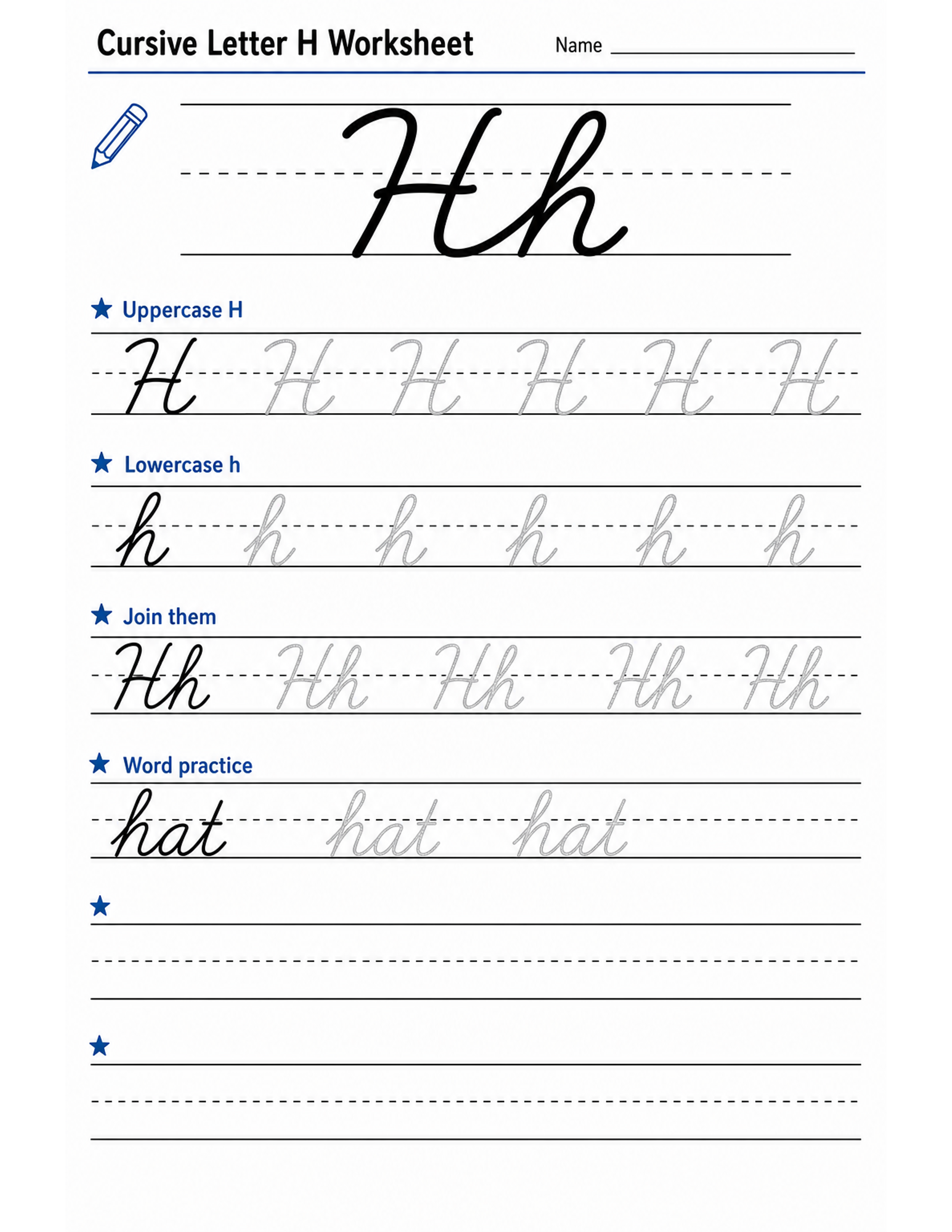
Cursive letter H, learn and trace, free.
- Classroom Practice: Teachers can use alphabet tracing worksheets as a warm-up activity, a reinforcement tool, or even as a quiet time activity to keep students engaged. These worksheets can be easily distributed, allowing students to work independently or in small groups, fostering a sense of ownership over their learning.
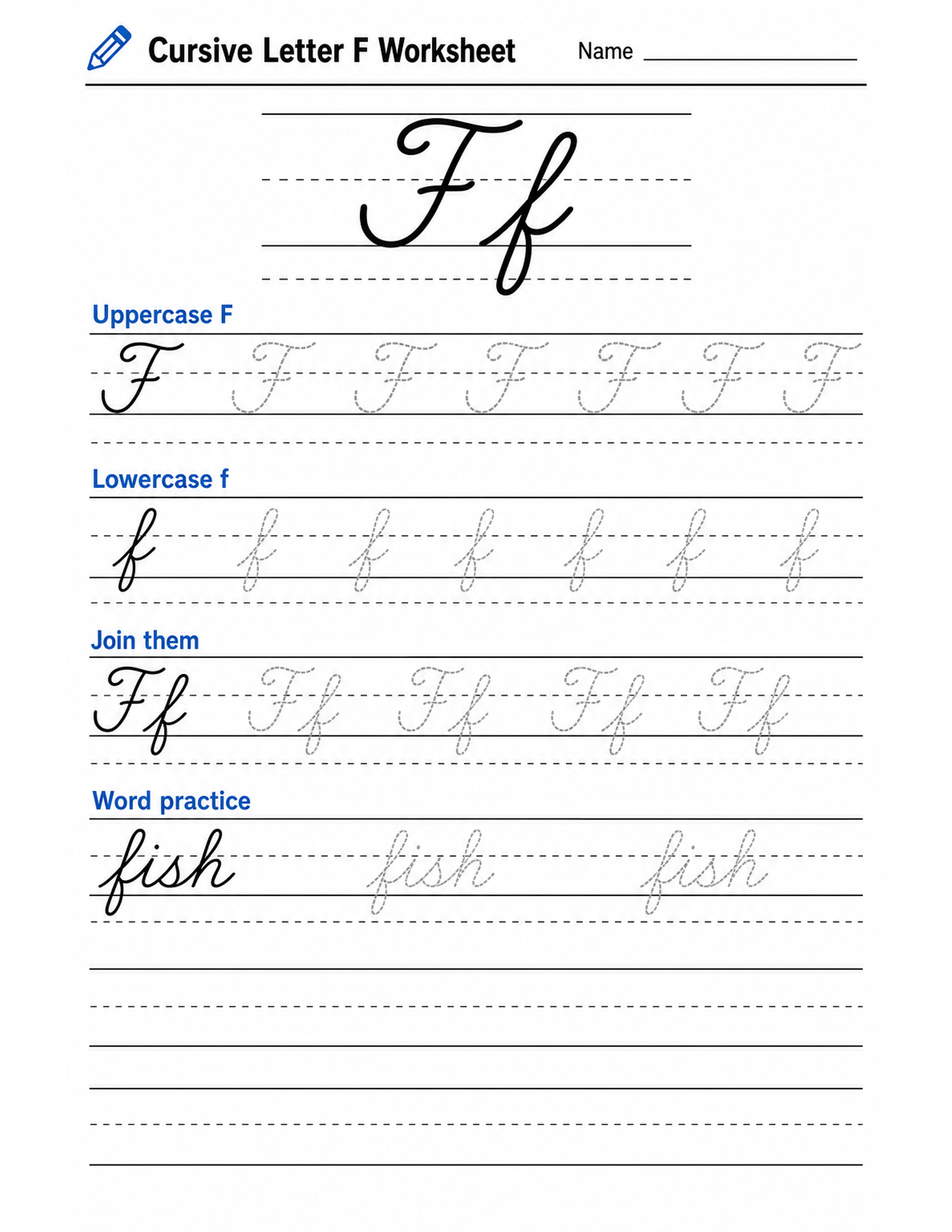
Cursive letter F, a fun tracing worksheet.
- Homeschooling: For homeschooling parents, alphabet tracing worksheets provide a structured yet flexible approach to teaching letter writing. They can be used as part of a daily routine, offering a consistent practice opportunity for young learners. Homeschooling environments often allow for more personalized learning, so parents can choose worksheets that align with their child's interests or learning style.
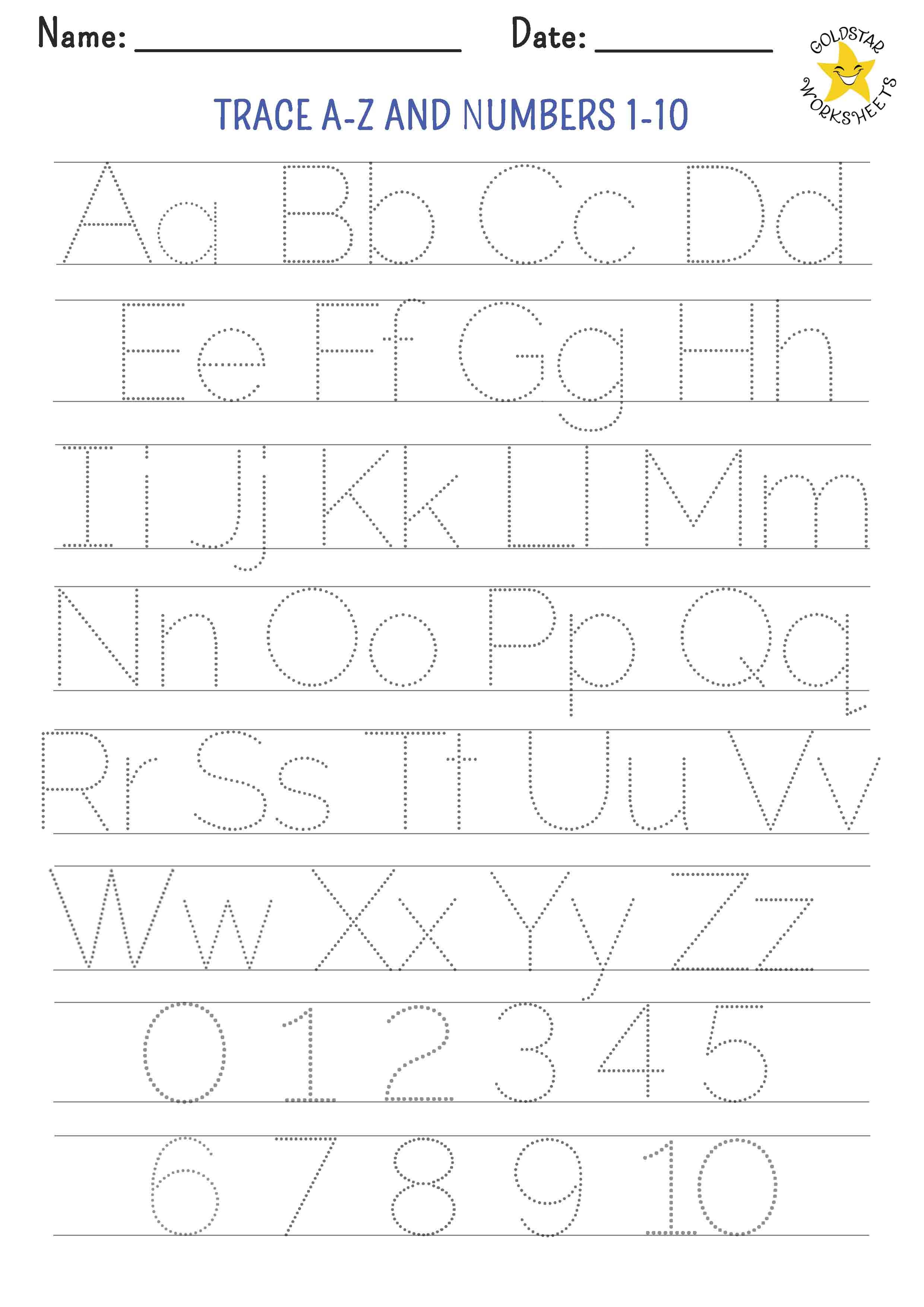
Alphabet and number tracing, a fun, free resource.
- Tutoring Sessions: Tutors can utilize alphabet tracing worksheets to address specific learning gaps or to provide additional practice for struggling students. These worksheets can be tailored to the student's needs, focusing on areas where they may need extra support or challenge.
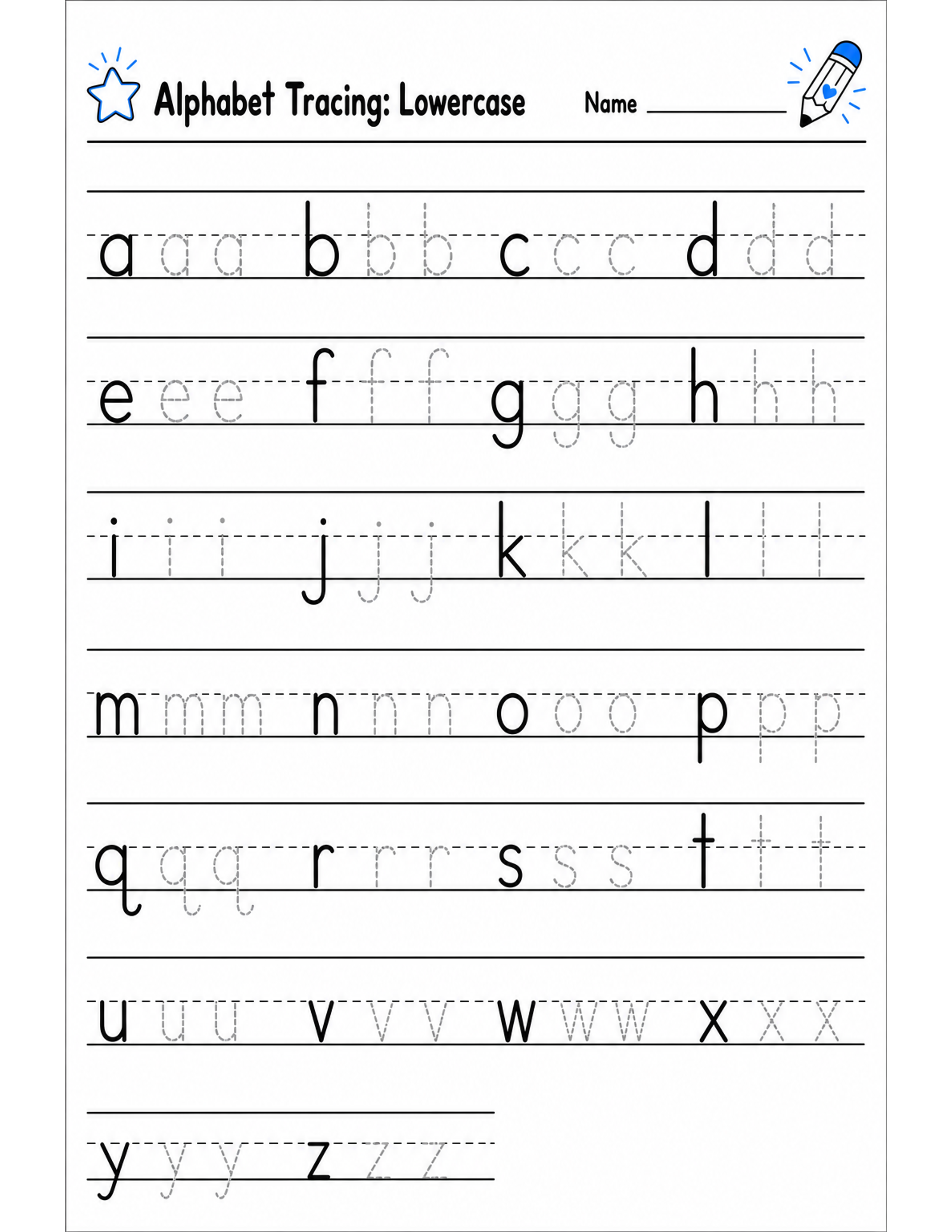
Lowercase alphabet tracing, a printable worksheet.
- Learning at Home: Alphabet tracing worksheets are also a fantastic resource for parents looking to support their child's learning at home. They can be used as a fun activity during quiet time or as a way to keep children engaged during travel or waiting periods. By incorporating these worksheets into daily routines, parents can create a consistent and enjoyable learning environment.
Alphabet Tracing Worksheets: A Stepping Stone to Literacy
Alphabet tracing worksheets are more than just a tool for letter writing practice; they are a stepping stone to a lifetime of literacy. By providing a structured and engaging approach to learning the alphabet, these worksheets lay the foundation for reading, writing, and communication skills.
As children progress through these worksheets, they not only improve their handwriting but also develop a deeper understanding of letter shapes, sounds, and combinations. This knowledge forms the building blocks of literacy, enabling children to decode words, form sentences, and express their thoughts and ideas through writing.
With 16 Free Worksheets for 2nd Graders, parents and teachers can continue to support their child's literacy journey, offering a seamless progression from letter writing to more advanced reading and writing skills.
Alphabet tracing worksheets, whether alphabet tracing worksheets free options or printable resources, offer a fun and effective way to support young learners on their path to literacy. By providing a structured yet enjoyable learning experience, these worksheets help children develop essential skills, setting them up for success in their educational journey.
These tracing worksheets are a fantastic way to make learning fun and interactive. It's a great method to encourage kids to explore and practice their handwriting skills, and with such a simple yet effective tool, you can't go wrong!
So, why not give it a go? Print out a few worksheets, gather some colorful pens or pencils, and let the kids loose! It's a brilliant way to keep them engaged and learning. We'd love to hear how it goes, so leave a comment and share your experiences with us.
Trace letters, improve handwriting, DIY printable.
Read also: 29 Reading Worksheets for 4th Graders
Related: 19 Kindergarten Prep Worksheets to Try
As a parent, I'm always on the lookout for fun and engaging ways to prepare my little one for kindergarten. Kindergarten prep worksheets are a godsend! They offer a simple yet effective way to practice and reinforce various skills, and the best part? They're often free printable pre kinder worksheets. I recently stumbled upon some fantastic resources, including 25 Comparing Numbers Worksheets to Try, which have been a hit with my kiddo.
Free Printable Kindergarten Prep Worksheets - prntbl ...
Building a Strong Foundation: Early Math Skills
Kindergarten prep worksheets are an invaluable tool for parents and educators alike, offering a fun and interactive way to introduce and reinforce essential skills in young learners. One of the key areas these worksheets focus on is early math, which forms the building blocks for future mathematical understanding.
When it comes to math, kindergarteners are at an exciting stage where they begin to grasp basic concepts and develop a foundation for more complex ideas. Worksheets provide a structured yet engaging way to practice counting, number recognition, and simple operations like addition and subtraction. By offering a variety of activities, from tracing numbers to solving simple equations, these worksheets cater to different learning styles and keep young minds actively engaged.
Free Printable Kindergarten Prep Worksheets
For parents and educators, the benefit of using kindergarten prep worksheets for math is twofold. Firstly, they provide a consistent and progressive learning path, ensuring that children build upon their skills gradually. Secondly, the visual and interactive nature of worksheets makes learning more enjoyable, reducing the potential stress or anxiety that some children may associate with math.
In the early stages, worksheets might focus on counting objects, matching quantities to numbers, and recognizing written numerals. As children progress, the worksheets can introduce more advanced concepts like simple equations, number lines, and basic shapes. This progressive approach ensures that children are challenged but not overwhelmed, fostering a positive attitude towards math from an early age.
Kindergarten Alphabet Worksheet PDF: A Fun and Essential Tool for Early ...
Whether used in a classroom setting, as part of homeschooling, or for supplemental practice at home, kindergarten prep worksheets offer a flexible and effective way to support early math development. With a variety of activities and progressive difficulty levels, these worksheets cater to different learning needs and ensure that every child has the opportunity to build a strong mathematical foundation.
Exploring Language and Literacy: A World of Words
In addition to math, kindergarten prep worksheets also play a crucial role in developing language and literacy skills. As children enter kindergarten, they are at a stage where their vocabulary is rapidly expanding, and their ability to understand and use language is becoming more sophisticated. Worksheets provide an excellent platform to reinforce these emerging skills.
Learning To Read Free Printable Worksheets
Language and literacy worksheets for kindergarten prep often cover a range of activities, including letter recognition, phonics, and simple reading comprehension. By engaging with these worksheets, children learn to identify letters, associate them with sounds, and begin to understand the relationship between spoken and written language.
For example, a worksheet might feature a fun activity where children trace and write letters, helping them develop fine motor skills and letter formation. Another worksheet could introduce a simple story, followed by comprehension questions, encouraging children to think critically and apply their understanding of the text.
Summer Worksheets for Transitional Kindergarten | Math activities ...
The beauty of language and literacy worksheets lies in their ability to make learning fun and interactive. Through engaging activities, children can develop a love for language and a curiosity about words. Whether it's matching words to pictures, completing simple sentences, or solving word puzzles, these worksheets offer a variety of ways to explore and practice language skills.
For educators and parents, the flexibility of language and literacy worksheets is a significant advantage. They can be easily incorporated into lesson plans, providing a structured yet adaptable resource. Additionally, the progressive nature of these worksheets ensures that children are continually challenged, building their confidence and skills as they progress.
Practice Writing Sentences Worksheet | Sentences to practice ...
People Also Ask: What Skills Do Kindergarten Prep Worksheets Cover?
Kindergarten prep worksheets are designed to cover a wide range of skills, catering to the diverse needs of young learners as they prepare for their academic journey. These worksheets are a versatile tool, offering a comprehensive approach to early education.
One of the primary skills addressed by kindergarten prep worksheets is fine motor development. Activities like cutting, tracing, and coloring help children refine their hand-eye coordination and finger dexterity. These skills are essential for tasks like writing, drawing, and even using technology.
Family Worksheet For Kindergarten
In addition to fine motor skills, worksheets also focus on cognitive development. They introduce and reinforce concepts like shapes, colors, and patterns, helping children develop their visual discrimination and spatial awareness. These foundational skills are crucial for understanding more complex ideas in math, science, and art.
Language and literacy are also key areas covered by kindergarten prep worksheets. As mentioned earlier, these worksheets help children with letter recognition, phonics, and early reading skills. By engaging with words and sentences, children develop their vocabulary, comprehension, and communication abilities.
Free Kindergarten Sight Word Worksheets Printable
Math skills are another significant focus of kindergarten prep worksheets. Through counting activities, number recognition, and simple equations, children build a foundation for numerical understanding. These worksheets often progress from basic counting to more advanced concepts like addition and subtraction, ensuring a smooth transition into kindergarten math.
Lastly, kindergarten prep worksheets often incorporate social and emotional learning. Activities that encourage sharing, turn-taking, and understanding emotions help children develop important social skills. By learning to recognize and express their feelings, children build emotional intelligence, which is vital for their overall well-being and academic success.
Writing Practice Worksheet | Writing practice worksheets 1st grades ...
How to Use Kindergarten Prep Worksheets Effectively: Tips and Tricks
Using kindergarten prep worksheets effectively can make a significant difference in a child's learning journey. Here are some practical tips and tricks to ensure that these worksheets are utilized to their full potential:
- Choose Age-Appropriate Worksheets: It's essential to select worksheets that align with a child's age and developmental stage. Worksheets that are too easy may not provide enough challenge, while those that are too difficult can be frustrating and demotivating. Look for worksheets that offer a progressive difficulty level, ensuring a steady learning curve.
Kindergarten Numbers Between Worksheet | MySchoolsMath.com
Create a Dedicated Workspace: Set up a comfortable and well-lit workspace for your child. Ensure they have all the necessary tools, such as pencils, erasers, and coloring materials. A dedicated workspace helps create a focused learning environment and encourages a routine.
Incorporate Variety: To keep learning engaging, offer a variety of worksheet activities. Mix up math, language, and fine motor skill worksheets to maintain interest and cater to different learning styles. This variety also ensures a well-rounded approach to early education.
Kindergarten Before And After Worksheets | Before and after number ...
Provide Guidance and Support: While worksheets are designed to be self-guided, it's beneficial to offer support and encouragement. Sit with your child as they work, offering explanations and answering questions. This not only helps with understanding but also creates a positive learning experience.
Print and Organize: If using printable worksheets, ensure you have a reliable printer and good quality paper. Organize the worksheets by subject or difficulty level, making it easy to access and use them when needed. This organization saves time and ensures a smooth learning flow.
Tracing Numbers (Free Printable Practice PDF Worksheets) - DIY ...
Make it Fun: Incorporate fun elements into worksheet activities. For instance, turn counting practice into a game or use stickers as rewards for completed tasks. Making learning enjoyable motivates children and creates a positive association with education.
Progress Gradually: Start with simpler worksheets and gradually introduce more challenging ones. This progressive approach ensures that children build confidence and a solid foundation before moving on to more advanced concepts.
By following these tips, you can create an effective and enjoyable learning environment using kindergarten prep worksheets. Remember, the goal is to support and enhance a child's natural curiosity and love for learning.
Nurturing Curiosity: The Power of Interactive Learning
Kindergarten prep worksheets offer more than just a structured learning experience; they also foster a sense of curiosity and exploration in young learners. Through interactive activities and engaging content, these worksheets encourage children to think critically, solve problems, and develop a love for learning.
One of the key benefits of interactive learning is its ability to capture and hold a child's attention. Worksheets that incorporate puzzles, mazes, and word searches provide an element of challenge and fun. Children are naturally drawn to these activities, eager to solve the puzzles and uncover the answers. This intrinsic motivation drives their engagement and makes learning a joyful experience.
Moreover, interactive worksheets often involve hands-on activities that encourage active participation. Whether it's cutting and pasting, tracing lines, or matching pictures, these activities develop fine motor skills and hand-eye coordination. By actively engaging with the worksheets, children learn through doing, which reinforces their understanding and retention of concepts.
The variety of activities offered by kindergarten prep worksheets also caters to different learning styles. Some children may excel at visual learning, benefiting from picture sequencing or color-matching tasks. Others may thrive with kinesthetic activities, enjoying the tactile experience of cutting and pasting or tracing letters. By providing a range of activities, worksheets ensure that every child can find an approach that resonates with their learning preferences.
In addition to skill development, interactive worksheets also promote critical thinking and problem-solving abilities. Simple puzzles and word problems encourage children to analyze information, make connections, and find solutions. This process not only enhances their cognitive skills but also builds their confidence and resilience, knowing that they can tackle challenges independently.
As children progress through the worksheets, they experience a sense of accomplishment and pride. Completing a worksheet, especially when it involves a fun activity, provides a sense of achievement. This positive reinforcement motivates children to continue learning and exploring, nurturing their natural curiosity and love for knowledge.
In conclusion, kindergarten prep worksheets are a powerful tool for nurturing curiosity and fostering a love for learning. By offering interactive and engaging activities, these worksheets create a positive learning environment where children can explore, discover, and develop essential skills. With their versatility and adaptability, kindergarten prep worksheets are an invaluable resource for parents and educators, supporting children's early educational journey.
Math is an adventure, and with these prep worksheets, your little ones can take their first exciting steps into this world. It's a great way to spark an interest in numbers and set them up for a lifetime of mathematical curiosity.
So, why not give it a go? Print out a few worksheets, gather some colorful pencils, and watch as your child's early math skills flourish. We'd love to hear how it goes, so leave a comment and share your experiences with us!
Traceable Letter A Worksheet: Printable Alphabet Practice for Kids
Read also: 27 Cause and Effect Worksheets for Teachers


